

It’s hardly a secret that Costa Rica has become a popular destination for yoga teacher training. But that popularity makes choosing the right program harder, not easier.
Below, we answer the most common FAQs about yoga teacher certification so you can evaluate programs with confidence. These are the real questions prospective students ask when researching training in Costa Rica—about legitimacy, daily experience, costs, prerequisites, and what to expect from the certification process.
Programs vary widely in structure, teaching depth, and preparation quality. What matters most is knowing how to ask the right questions. The quality of mentorship, the clarity of teaching methodology, and the strength of the foundation you build determine whether a program supports real learning and long-term growth for your unique goals.
What matters is knowing how to ask the right questions. The quality of mentorship, the clarity of teaching methodology, and the strength of the foundation you build determine whether a yoga program supports real learning and long-term growth for your unique goals.
As a result, most people researching yoga teacher instruction in Costa Rica end up asking the same core questions…
Who is this type of program actually best for? How does coaching work, and will it be recognized if you decide to teach later? What does the experience feel like day to day, beyond the setting and promotional photos?
Below, you will find clear answers to the most common questions people ask when evaluating how to become a yoga instructor. We review how programs differ in structure, depth, and teaching preparation, along with what the experience is like at Blue Osa, so you can evaluate your options with clarity and confidence.
Common FAQs About Yoga Teacher Training Certification in Costa Rica
- Is a Yoga Teacher Certification in Costa Rica Worth It?
- What Is a Yoga Teacher Certification in Costa Rica Actually Like?
- How Can You Tell If a Yoga Program in Costa Rica Is Legitimate?
- Who Should Consider Yoga Teacher Certification in Costa Rica?
- What Can You Expect to Take Away From the YTT Experience?
- How Much Does Yoga Teacher Certification in Costa Rica Cost?
- How Long Does Yoga Teacher Training in Costa Rica Take?
- What Is the Difference Between 200-Hour and 300-Hour Advanced Yoga Training?
- Do You Need Prior Yoga Experience to Start Teacher Training
- Are There Age or Physical Requirements for Yoga Instructor Training?
- How Are Students Evaluated During Yoga Teacher Training?
- What Final Questions Should You Ask Before Choosing a Program?
Is a Yoga Certification in Costa Rica Worth It?
Many people are drawn to Costa Rica for YTT, but deciding if a yoga immersion is worth it depends on what you want from your yoga education and how the program is structured.
What makes a certification program worthwhile?
A worthwhile yoga teaching program provides more than hours to get a certificate. It offers clear teaching methodology, consistent feedback, and enough practice to build real confidence.
You should leave understanding how to sequence classes, cue safely, adapt for different bodies, and communicate clearly as a teacher. Programs that prioritize depth help you integrate anatomy, philosophy, and practical teaching skills rather than treating them as separate topics.
The structure matters as much as the content. A well-run program has a thoughtful daily schedule, experienced lead teachers, and time set aside for questions, reflection, and hands-on learning.
Does the location affect the quality of the course instruction?
The setting can either support learning or distract from it. Immersive environments often allow students to focus more fully on education by removing everyday obligations and interruptions. However, a beautiful location alone does not guarantee educational quality. The value comes from how the environment is integrated into the learning experience.
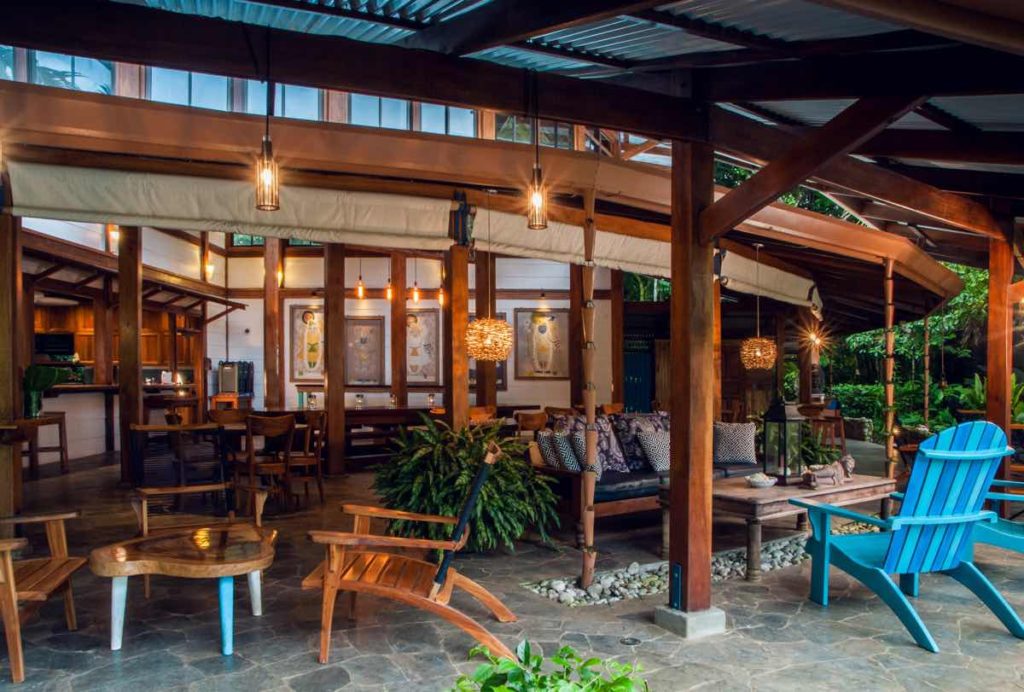
Blue Osa is the only eco-luxury, beachfront jungle yoga retreat in Costa Rica. Practice spaces are just steps from the ocean, surrounded by nature that invites calm, clarity, and connection.
This balance allows students to benefit from the setting without losing sight of the purpose of yoga. You can learn more at our ultimate guide to Blue Osa yoga programs.
Is yoga certification in Costa Rica recognized if you want to teach later?
Recognition depends on the program, not the country. Most reputable schools in Costa Rica follow Yoga Alliance standards or equivalent frameworks, which makes accreditation widely recognized. What matters more is whether the program prepares you to teach confidently and responsibly, not just whether your certificate meets minimum requirements.
Before enrolling, you should confirm how teaching hours are structured, who leads the program, and how much direct feedback you will receive. All programs at Blue Osa are registered with the Yoga Alliance.
You should also read reviews and testimonials from former students to gauge their experiences and outcomes.
What Is a Yoga Certification in Costa Rica Actually Like?
The day-to-day experience shapes how you learn, how you integrate information, and how supported you feel throughout the process. That’s why at Blue Osa, after years of running immersive yoga programs, the daily rhythm has been intentionally refined to support learning, integration, and sustainability.
Below is a closer look at what a typical day involves and how the structure supports learning over time.

What does a typical 200-hour training day look like?
Most teacher trainings in Costa Rica follow a full-day schedule that blends physical practice with classroom learning and teaching labs. Days often begin with meditation or morning practice, followed by sessions focused on anatomy, philosophy, sequencing, or teaching methodology.
Afternoons usually include practice teaching, observation, or small-group work, with time set aside for feedback and questions.
The days are structured and focused, with a steady pace that supports learning without rushing through material. Of course, you’ll also have down-time to explore the wonders of Costa Rica and feel inspired by your jungle home.
How immersive is the YTT experience?
Many yoga programs in Costa Rica are immersive by design, with students living on site or nearby for the duration of the program. This format reduces outside distractions and allows learning to continue beyond scheduled sessions through discussion, self-study, and shared experience.
At Blue Osa, daily life unfolds within a gorgeous beach and jungle setting where lodging, meals, and practice spaces are part of the eco-resort. The schedule is purposeful, but it also leaves room for rest, quiet time, and connection with the surrounding landscape. You’ll even have time to discover the best eco-tours in Costa Rica!
This balance allows you to stay fully engaged with the program while giving you space to integrate what you are learning in a way that feels sustainable and grounded.
How Can You Tell If a Yoga Program in Costa Rica Is Legitimate?
Legitimacy is one of the biggest concerns for people considering accreditation outside their home country.
Are yoga programs in Costa Rica recognized internationally with the Yoga Alliance?
As we mentioned earlier, yoga programs from Costa Rica can be widely recognized, but recognition depends on the program, not the location. Reputable experiences follow internationally accepted educational frameworks, including to register with Yoga Alliance, which allows graduates to teach in studios, retreat centers, gyms, and private settings around the world.
Recognition alone, however, does not determine quality. A certificate is only as meaningful as the instruction behind it. Programs that meet recognized standards and emphasize teaching preparation tend to translate more smoothly into real-world teaching opportunities.
What Is AYAMA™?
AYAMA™ (Applied Yoga Anatomy + Muscle Activation) is a revolutionary, science-backed approach to yoga anatomy created by Yogi Aaron, founder of Blue Osa. Unlike conventional anatomy education—which is often theoretical, abstract, or reduced to cue memorization—AYAMA™ is fully experiential. You learn anatomy by feeling it, embodying it, and applying it directly in your own body.
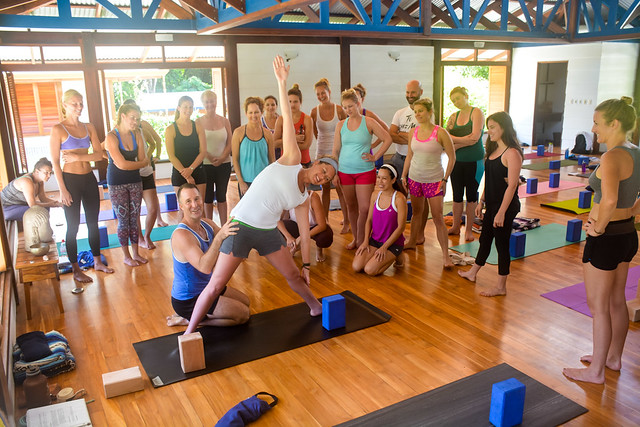
AYAMA™ teaches how to consciously activate muscles to stabilize joints, reduce strain, and alleviate pain—transforming yoga from passive stretching into an intelligent, therapeutic practice. This method bridges modern anatomy with yoga in a way that makes movement safer, stronger, and more sustainable for real human bodies.
Do I Receive an AYAMA™ Certification?
Yes. You’ll receive AYAMA™ certification (Applied Yoga Anatomy + Muscle Activation™)—a credential you cannot earn anywhere else.
Throughout the course, AYAMA™ comes alive. You don’t just study anatomy—you embody it. This approach gives you a deep, intuitive understanding of how and why poses work, how to modify safely, and how to prevent injury—for yourself and your future students.
Most yoga education courses do not offer this level of comprehensive, applied anatomy education. Graduates leave Blue Osa with the ability to teach responsibly, address pain patterns intelligently, and guide students with confidence and care. AYAMA™ equips you to teach yoga that truly supports long-term health—and helps others move toward a more pain-free life.
How can you verify a program’s standards before you enroll?
To verify the legitimacy of a yoga program, you should confirm how hours are structured, who leads the program, and how teaching skills are evaluated. Legitimate programs are transparent about their curriculum, instructor experience, and educational framework.
Who Should Consider Yoga Instructor Accreditation in Costa Rica?
Costa Rica attracts many people to yoga programs and retreats, but the experience suits certain learning styles better than others.
Who tends to thrive in immersive courses?
Immersive coaching work well for people who want focused learning and are able to step away from daily responsibilities. Living and learning in one place allows students to stay engaged with the material and build momentum without outside distractions.
Students who value structure, routine, and shared learning environments often benefit most from this format.
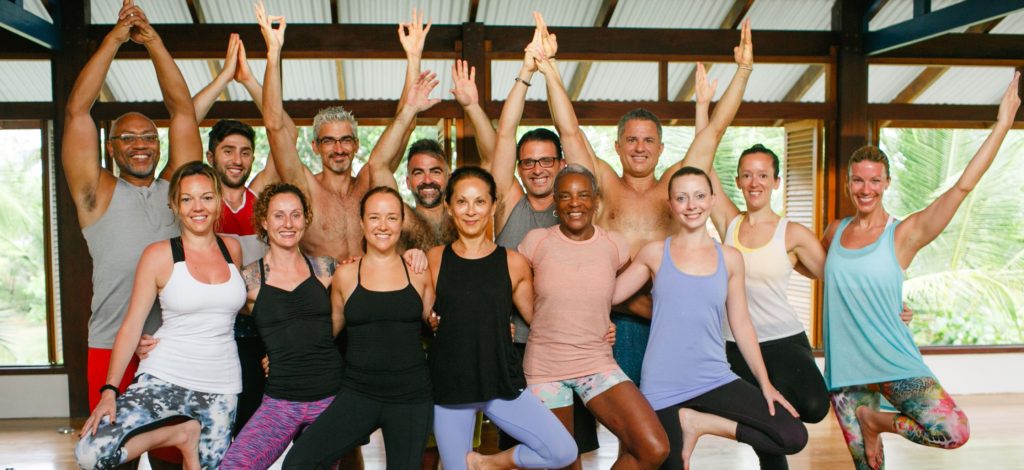
Blue Osa attracts a genuinely diverse group of students — across ages, genders, backgrounds, and identities. Shared meals, shared practice, and shared experience create connections that often last long after the course ends. You don’t need to fit a mold to belong here. You’re welcome exactly as you are.
When might a different format be a better fit?
If you prefer learning spread out over several months or need flexibility around work or family commitments, a local or modular program may suit you better. Immersive programs are demanding and require consistent presence to be effective.
At Blue Osa, the remote rainforest setting supports immersion and provides many benefits by creating a clear boundary between practicing and everyday life. This environment helps students stay present with the learning process while developing habits that support long-term practice and teaching.
What Can You Expect to Take Away From the YTT Experience?
The outcome of a yoga immersion program depends on how the program is designed, how it commits to the philosophy of yoga, and how you engage with the course.
What skills should you leave with?
By the end of a solid 200-hour certificate, you should be able to structure and lead a class, communicate clearly, safely lead yoga poses, and adapt your teaching to different students. You should also understand basic anatomy, sequencing principles, and the philosophical context that informs yoga practice.
You should be able to plan and teach a complete class, adapt poses for different bodies or injuries, and communicate clearly with students in a real-world setting.
How does the experience continue after the YTT ends?
Yoga schools that emphasize mentorship and reflection tend to have a longer-lasting impact. The relationships you build and the habits you develop often continue to shape your teaching and practice well beyond the program itself.
At Blue Osa, students leave with practical teaching experience, unique AYAMA training, a strong educational foundation, and a clear sense of how to continue growing. The combination of structure, mentorship, professional standards, and environment supports learning that extends beyond the time spent on site.
How Much Does YTT in Costa Rica Cost?
Pricing varies widely, and understanding what is included in the certificate of completion matters as much as the number itself.
What is the typical price range for YTT in Costa Rica?
Yoga instructor programs in Costa Rica generally range from several thousand dollars to well over that amount. Lower-priced programs often include basic instruction and shared accommodations, while higher-priced education programs may include lodging, meals, longer program durations, and more instructor involvement.
Price differences usually reflect program length, instructor experience, student-to-teacher ratios, and how much support is built into the program. A shorter program with limited feedback may cost less up front but offer less preparation overall.
You can review Blue Osa’s competitive yoga training cost here.
What is usually included in the cost?
Some programs list only tuition, while others bundle accommodations, meals, and use of facilities into the total price. It is important to confirm what is included before comparing programs directly. Items such as housing, food, materials, and transportation can significantly affect the true cost.
You should also ask whether the price reflects access to instructors, feedback sessions, yoga alliance accreditation, and teaching labs. These elements often determine how much value you receive from the experience.
How does pricing work at Blue Osa
At Blue Osa, the cost reflects the full immersive experience. Tuition includes instruction, accommodations, and meals, all within a remote coastal rainforest setting designed to support focused learning. The pricing also reflects small group sizes, consistent access to experienced instructors, and a curriculum built around mentorship and teaching preparation.
Rather than separating education from environment, the program is structured as a complete experience where daily life and yoga education support one another. This allows you to evaluate cost based on what you receive as a whole, not just the number of hours on a certificate.

How Long Does an Immersive Yoga Program Take?
The length of a yoga program in Costa Rica depends on how it is structured and how immersive the experience is meant to be.
How long is a typical yoga instructor program?
Most programs in Costa Rica are built around the standard 200-hour and 300-hour format. These courses are often completed over several weeks in an immersive setting, rather than spread out over many months. The immersive format allows students to stay focused on learning without balancing outside responsibilities at the same time.
Some programs offer longer timelines or modular options, but in Costa Rica, the emphasis is usually on concentrated study with a clear beginning and end. You can review everything included in our 14-day and 28-day Immersion Yoga Teacher Training programs here.
Are yoga instructor programs full time or part time?
The majority of immersion yoga programs in Costa Rica are full time. Days are structured around practice, lectures, teaching labs, and integration time, often from early morning through the afternoon or early evening. Part-time formats are less common because most students travel specifically for the training and live on or near the retreat location.
At Blue Osa, the immersive format is intentional. The schedule is designed to support steady learning while allowing time to rest, reflect, and integrate material within the same environment where students live and practice.
What Is the Difference Between 200-Hour and 300-Hour Advanced Yoga Training?
This is one of the most common FAQs about yoga teacher certification. 200-hour and 300-hour YTT serve different purposes and are usually completed at different stages of a teacher’s development.
What is a 200-hour yoga teacher program designed for?
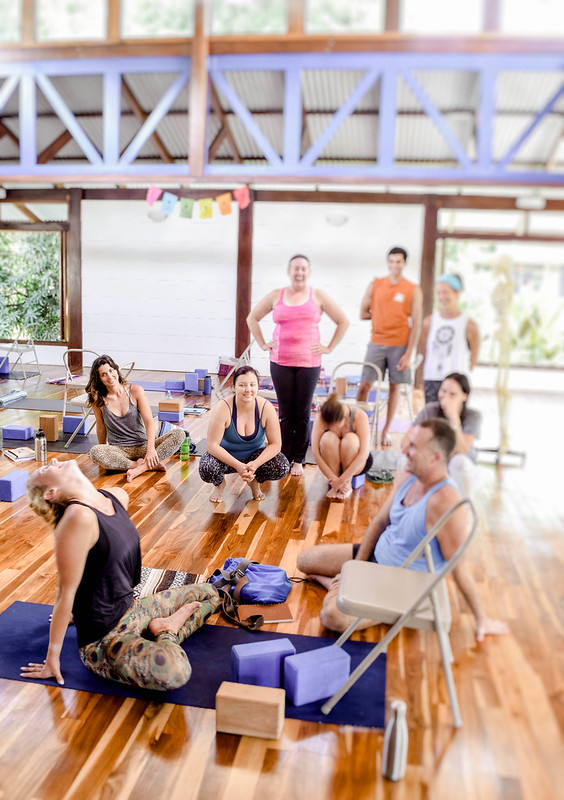
A 200-hour training provides a foundational education in yoga. It covers core areas such as anatomy, philosophy, sequencing, cueing, and practice teaching. This level is designed for students who want a solid base, whether they plan to teach or simply want to understand yoga more deeply.
For many people, the 200-hour YTT is where teaching skills are introduced and confidence begins to develop through guided practice and feedback.
Who should consider a 300-hour program?
A 300-hour training is an advanced program taken after completing a 200-hour YTT. It allows teachers to refine their skills, deepen their knowledge, and explore specific areas of interest in more detail. This level is often chosen by those who are already teaching or who want to strengthen their professional foundation.
At Blue Osa, advanced courses builds on the same emphasis on mentorship, clear methodology, and professional responsibility, aligned with Yoga Alliance standards and AYAMA principles.
| Aspect | 200-Hour Training | 300-Hour Training |
|---|---|---|
| Best For | Beginners and those seeking foundational yoga education | Experienced teachers looking to deepen expertise and specialize |
| Prerequisites | Regular yoga practice (no certification required) | Completed 200-hour YTT certification |
| Yoga Alliance Credential | RYT-200 (Registered Yoga Teacher – 200) | RYT-500 (after combining 200 + 300 hours) |
| Focus | Building strong foundation in all core areas of yoga | Advanced techniques, specializations, and teaching refinement, or personal practice development/self-interest |
| Curriculum Depth | Introduction to anatomy, philosophy, sequencing, and teaching methodology | Deep dives into advanced anatomy, therapeutic applications, and specialized teaching |
| Teaching Skills | Learn to lead basic classes safely and confidently | Refine teaching voice, work with injuries, and develop signature style |
| Philosophy & Anatomy | Core concepts and practical application | Advanced study and specialized applications |
| Practice Teaching | Introduction to teaching with guided feedback | Advanced teaching labs with complex scenarios |
| Typical Duration at Blue Osa | 14 or 28 days (immersive) | 28 days (immersive) |
| Who Enrolls | 70% have no plans to teach professionally; seeking personal growth | 90%+ are teaching or plan to teach professionally |
| Career Impact | Qualifies you to teach in most studios, gyms, and private settings | Positions you as an experienced, specialized instructor |
| Price Range (Typical) | $3,000-$6,000+ (varies by location and what’s included) | $3,500-$7,000+ (in addition to 200-hour investment) |
| AYAMA™ Certification | Included at Blue Osa – foundational level | Included at Blue Osa – advanced applications |
| Post-Training | Can teach immediately; most continue learning through practice | Often leads to specialized offerings, workshops, or teacher training roles |
Do You Need Prior Yoga Experience to Start Teacher Training?
Many people worry they are either too new or not advanced enough to enroll. Let’s break down these answers to your FAQs about yoga teacher certification.
Can beginners enroll in yoga school?
Most programs do not require you to be an advanced practitioner. What matters more than flexibility or peak performance is consistency, curiosity, and a willingness to learn. Beginners who practice regularly and are open to feedback often do well.
Teacher accreditation courses are designed to teach you the philosophy of yoga, not to reward perfect postures.
How much yoga experience is helpful before starting?
Having a consistent personal practice is helpful. Familiarity with basic poses, class structure, and common terminology makes the learning process smoother. You do not need to master advanced poses, but you should feel comfortable participating in daily yoga practice and engaging with new material.
At Blue Osa, instructors meet students where they are and emphasize safe practice, adaptation, and awareness rather than physical extremes.
Are There Age or Physical Requirements for Yoga Instructor Training?
These questions are common and often unspoken.
Is there an age requirement?
Most programs require students to be at least 18 years old. Beyond that, there is usually no upper age limit. People of many ages complete the program successfully, especially when courses emphasize education, communication, and self-awareness rather than physical performance.
Maturity, commitment, and engagement tend to matter more than age.
Do you need to be physically fit or flexible?
You do not need to be exceptionally fit. Programs should teach how to work with different bodies and abilities, including your own. Learning to modify poses and teach safely is a core part of responsible instruction.
At Blue Osa, training emphasizes functional movement, alignment, and adaptability, supporting students with a wide range of physical backgrounds.
How Are Yoga Students Evaluated during 200-Hour Programs?
Are there exams or assessments for RYT-200?
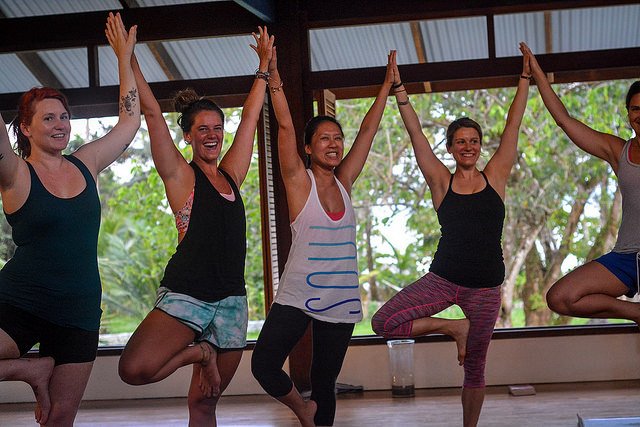
Some programs include written assignments, quizzes, or short exams to reinforce learning. More often, assessment happens through observation, teaching practice, and participation. Instructors evaluate how students apply concepts, communicate clearly, and teach responsibly during any 200-hour registered yoga teacher training hours.
Feedback is typically ongoing rather than concentrated in a single final test. After working with many cohorts of students, this ongoing feedback model has proven more effective for building teaching confidence and accountability over time.
What does it take to complete the Yoga Alliance-registered training successfully?
Completion usually requires full attendance, active participation, and engagement in practice teaching. Students are expected to show effort, professionalism, and openness to learning. The goal is readiness and responsibility, not perfection.
At Blue Osa, students receive regular feedback and guidance throughout the training. Evaluation focuses on growth, understanding, and the ability to teach safely and clearly, supported by professional standards aligned with Yoga Alliance and AYAMA.
Yoga Teacher Training FAQ: What Final Questions Should You Ask Before Choosing a Program?
Asking informed questions helps you understand what a program will actually offer once you arrive at your in-person immersion. Don’t forget these frequently asked questions about yoga teacher training:
How much hands-on teaching practice should a course include?
Hands-on teaching practice is one of the most important parts of a quality yoga program. Teaching skills develop through real experience, not lectures alone. Strong programs include regular practice teaching, observation, and structured feedback so students can learn how to communicate clearly, adapt poses for different bodies, and respond confidently in real-time.
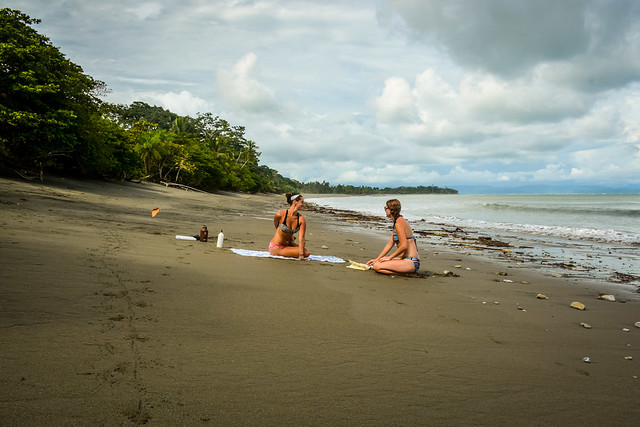
At Blue Osa, students engage in guided teaching labs and receive ongoing feedback throughout the training. This practical approach helps students integrate what they learn and build confidence, whether they plan to teach professionally or simply want a deeper understanding of how yoga is taught responsibly.
Why does the teacher-to-student ratio matter?
Teacher-to-student ratio directly affects how much feedback and guidance you receive during training.
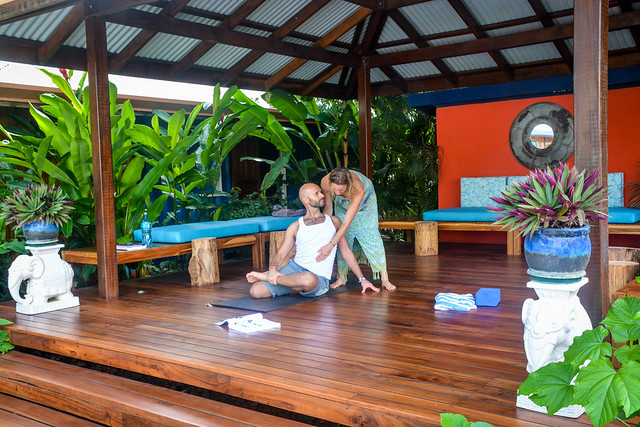
Smaller groups allow instructors to observe your practice more closely, offer personalized corrections, and support your development as both a practitioner and a teacher. In larger groups, feedback can be more limited, which may affect how confident and prepared you feel by the end of the program.
When comparing courses, it is worth asking how many students are typically enrolled and how accessible instructors are throughout the course. Students who have completed Blue Osa’s yoga programs continually leave five-star reviews for the various yoga history and philosophy elements (not just checking off a list of certification requirements.)

At Blue Osa, group sizes are intentionally kept manageable so students receive consistent attention, hands-on guidance, and meaningful interaction with lead instructors during your in-person training.
What should you ask about instructors and mentorship?
Instructor experience matters. You should know who leads the instruction, how long they have been teaching, and how involved they are day to day. Strong programs offer consistent access to instructors rather than rotating guest teachers with limited contact.
At Blue Osa, lead instructors remain present throughout the program, working closely with students and offering direct guidance. This continuity supports trust, clarity, and steady skill development over time so students can deepen their own practice.
Whether you are looking to deepen your practice, discover philosophy and anatomy fundamentals, or practice teaching sessions with hands-on classes, we can support you to become certified at the experience level you expect when you enroll in a RYT-200 certificate.
Yogi Aaron is the owner and lead facilitator of the Yoga Teacher Training programs at Blue Osa Yoga Retreat + Spa, bringing more than three decades of study, mentorship, and teaching experience to his work.
He is the creator of Applied Yoga Anatomy + Muscle Activation™ (AYAMA™), a revolutionary methodology that emphasizes strength, stability, and intelligent muscle engagement to reduce pain and injury risk—moving beyond passive stretching alone.
In addition to leading immersive in-person courses at Blue Osa, Yogi Aaron teaches globally through his online platforms, including The Yogi Club and the AYAMA™ Certification Program, helping students build confidence, resilience, and long-term sustainability in their practice and teaching.
Closing Thoughts on FAQs about yoga teacher certification
Becoming a yoga instructor is a meaningful commitment, whether your goal is to teach as a registered yoga teacher, deepen your practice, or gain a clearer understanding of yoga as a discipline.
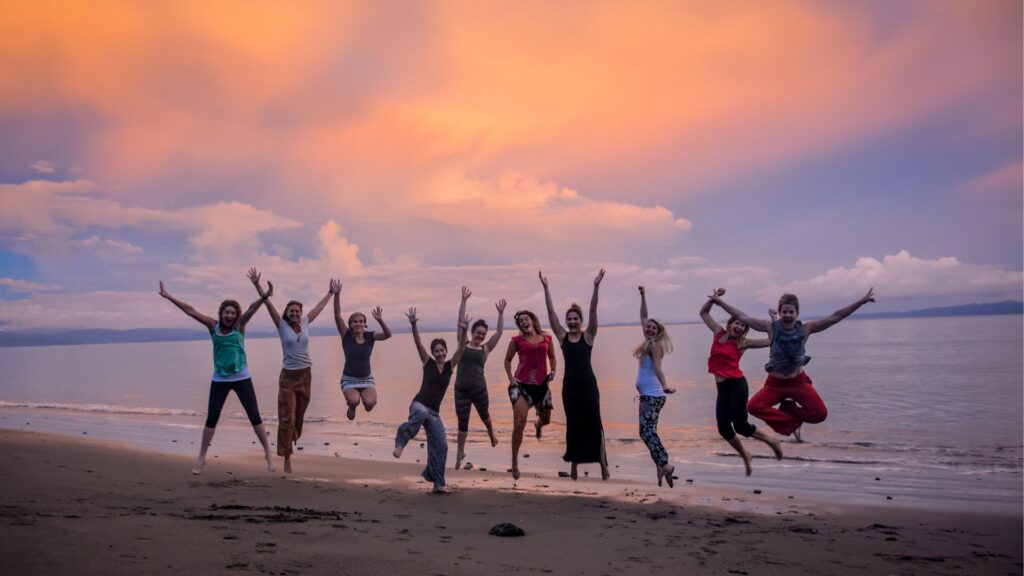
At Blue Osa, that work takes place in a stunning coastal rainforest setting designed to support focused learning, reflection, and sustained practice, so you can receive personalized feedback while deepening your love for yoga.
If you are considering a yoga school in Costa Rica and want a program that pairs serious teacher preparation, anatomically sound asana + yoga philosophy, and an environment that is both beautiful and supportive…
You can explore Blue Osa’s yoga teacher training programs to see whether the experience aligns with what you are looking for in a certified yoga program.
Is Yoga Teacher Training Right for You? 👇
Check out these other popular posts on Yoga Teacher Training!

About The Author, Yogi Aaron

Yogi Aaron is the founder and creator of Applied Yoga Anatomy + Muscle Activation™ (AYAMA), a revolutionary methodology that challenges conventional approaches to yoga. Using a science-backed approach, he prioritizes muscle activation over traditional stretching.
With over three decades of dedicated study, mentorship, and hands-on experience, he has established himself as a leading expert in yoga therapy, alignment, and pain-free movement.
As owner and operator of Blue Osa Yoga Retreat + Spa in Costa Rica, Yogi Aaron leads transformative programs that combine his expertise in yoga instruction, retreat facilitation, and wellness business operations. His work spans both in-person immersive experiences and digital education through The Yogi Club online platform and the AYAMA™ Certification Program.
Yogi Aaron’s teaching methodology represents a paradigm shift in modern yoga practice. AYAMA focuses on activating and engaging muscles to enhance range of motion, build strength, improve stability, and optimize alignment—while reducing pain and injury risk. This evidence-based approach has positioned him as a thought leader challenging the status quo in the yoga community.
His mission extends beyond the mat: to liberate individuals from chronic pain and guide them toward discovering yoga’s authentic purpose through intelligent, body-informed practice.
Learn more about training opportunities with Yogi Aaron at Blue Osa Yoga Retreat + Spa.
Tags: Costa Rica, yoga teacher training
Book/Inquire Now
Got pain? This will help you!

YOU DESERVE TO LIVE PAIN-FREE...
Receive 7 short, simple, and effective practices to alleviate knee, hip, low back, neck, shoulder pain, and more!
All you need is 5 minutes per lesson and it's FREE!
This revolutionary approach to yoga is new, and no one else is teaching this! Since I created Applied Yoga Anatomy + Muscle Activation™ and started teaching it consistently, I've witnessed students heal long-standing injuries, access yoga postures they never thought possible, and tell me over and over again how their body just feels better.
I hope you'll join me on this journey!
~Yogi Aaron
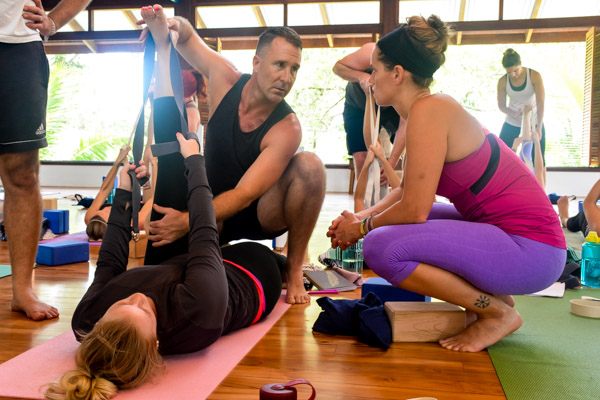
Is Yoga Teacher Training Right For Me?
We Created This FREE 5 Part Series So You Can Get All The Information To Make The Right Choice.
In this series, you will learn:
-
- Am I a candidate for yoga teacher training??
-
- What will I learn in a YTT?
-
- Do I need to have a perfect downward dog to attend YTT?
14-Day 200-Hour Yoga Teacher Training in Costa Rica
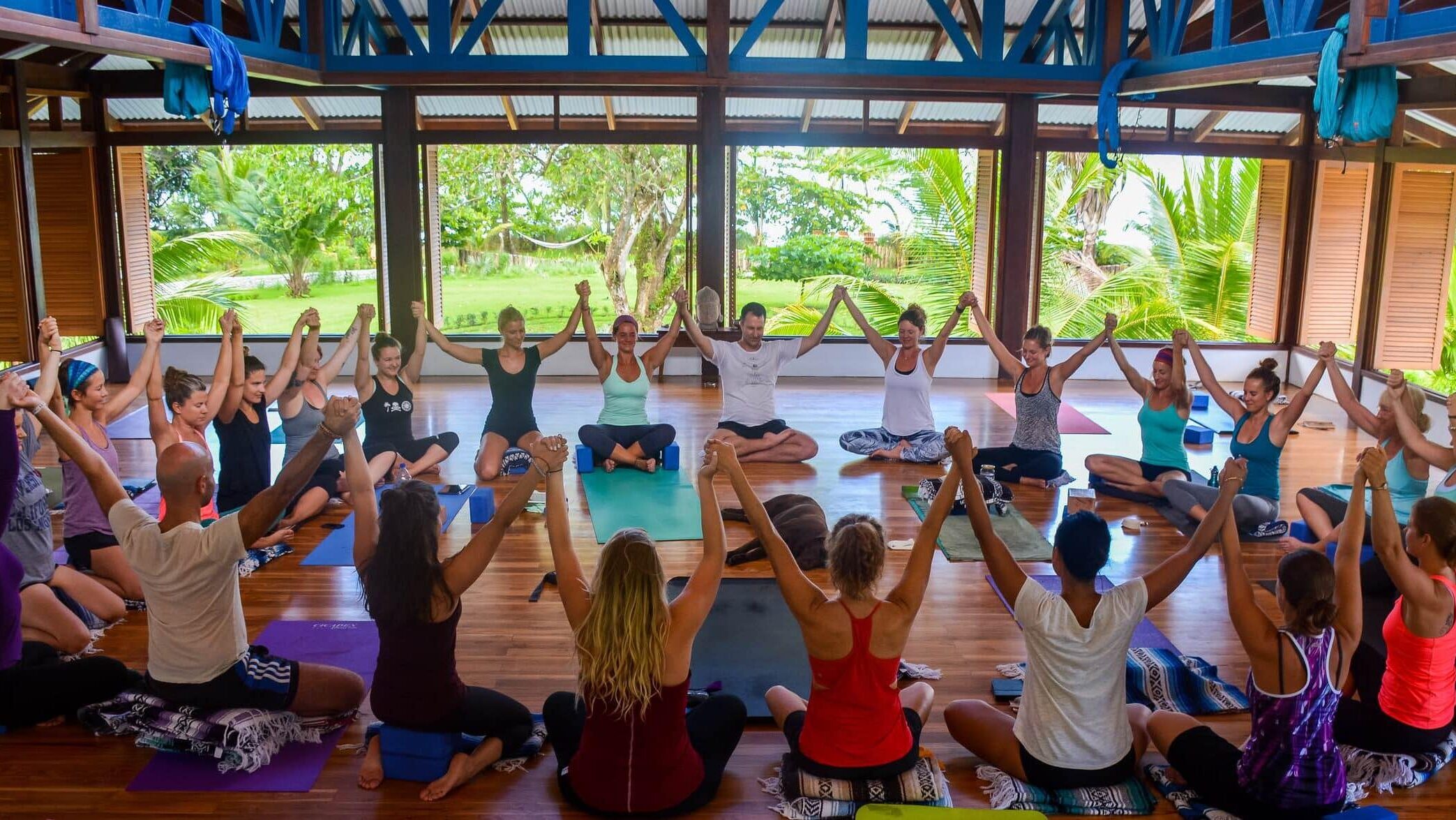
If you are looking for a 14-day 200 hour Yoga Teacher Training Costa Rica Immersion, you have landed in the right place. Join the next one!
300-Hour, 28-Day Yoga Teacher Training
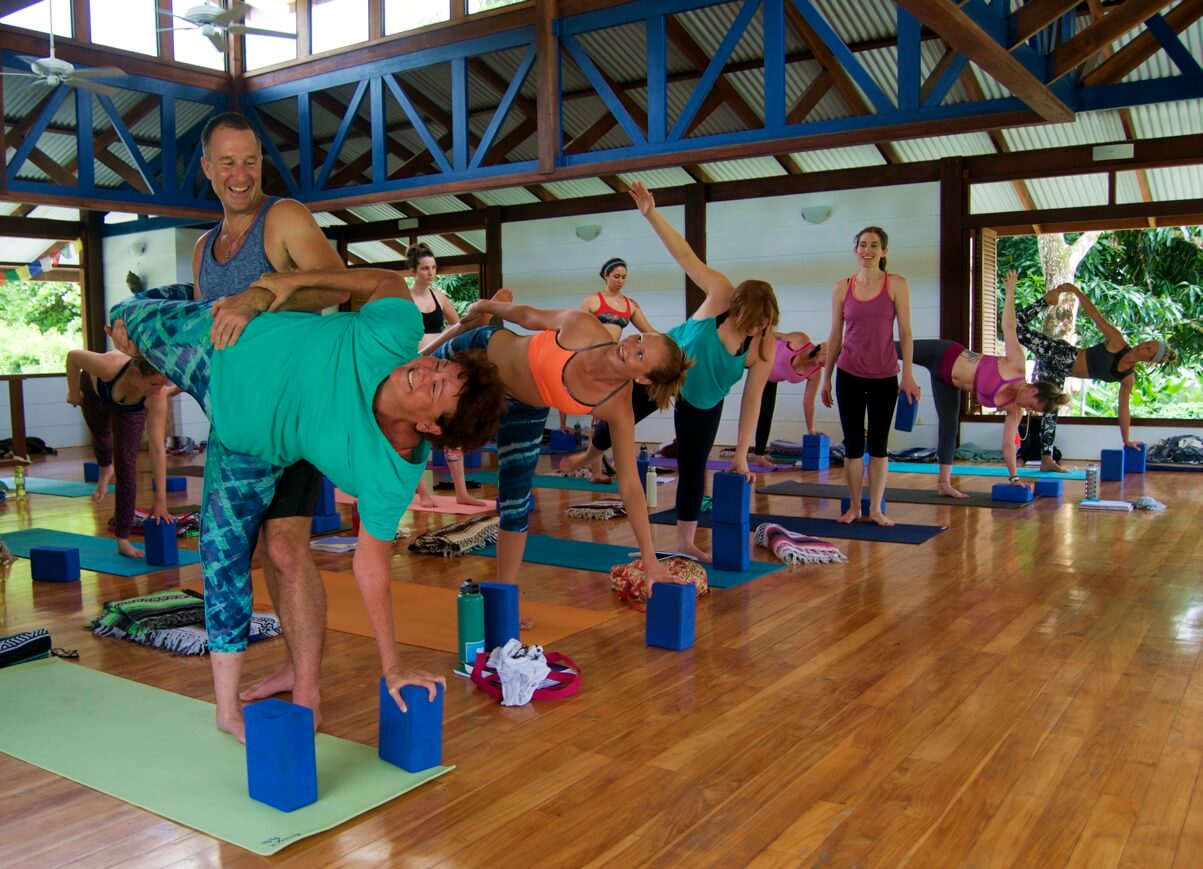
Do You Feel Called To Something Greater?
This 300-Hour Yoga Teacher Training immersion training at Blue Osa will immerse you in yoga for one month.
You will have the specific transformational skills and yogic practices you need in order to connect with your higher purpose.
And more! You will be able to offer these transformative skills to others!
