

A yoga instructor training can be many things…
It can be an immersive reset for your body and mind. It can be a path toward becoming a certified teacher. It can be a chance to step into the yoga community and form meaningful connections that extend far beyond the training itself.
At Blue Osa Yoga Retreat + Spa, the Costa Rican setting and philosophy reflect this truth. Learning unfolds in a quiet beachfront jungle environment where nature, daily life, and practice are integrated. The focus is not only on what you learn, but how you live while you are learning.
The questions below are designed to help you clarify what matters most to you before you start comparing yoga immersion programs. Once that is clear, choosing the right yoga teacher certification becomes far more clear.
This FAQ guide covers everything you need to know, from practical details about Blue Osa to what to expect from an immersive yoga training experience, giving you the tools on how to choose a yoga teacher training program with confidence.
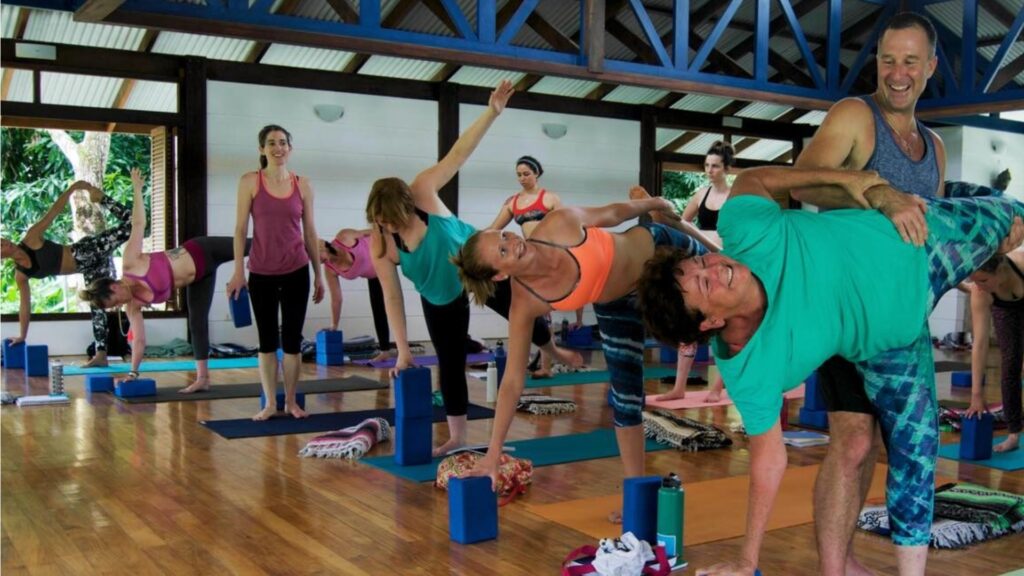
1. What is your primary reason for wanting to do a yoga teacher training program?
When considering a yoga instructor training, it is important to look honestly at what is drawing you to this experience. For some people, it is a deep passion for yoga and a desire to explore the practice beyond regular classes. For others, fulfillment comes from the idea of sharing their yoga journey with others in a class setting.
You may find yourself especially interested in yoga philosophy, anatomy, and alignment. You might want to refine your skills, strengthen your understanding of the practice, or explore yoga as a complete system rather than just a physical discipline.
For some, there is also a clear internal pull toward teaching, even if the path forward is not fully defined yet.
There is no single right reason. What matters is taking the time to reflect on your personal desires, interests, and goals before beginning the search for a yoga teacher program. Understanding what is calling you to training helps ensure that the experience aligns with what you are truly looking for.
2. Do you want to teach yoga after completing your yoga teacher training course?
Once you have clarified what is drawing you to a yoga instructor training, the next step is to consider how you want yoga to be part of your life afterward.
Some people enter training with the intention of becoming a yoga teacher and sharing the practice professionally. Others want to deepen their personal practice, gain confidence, and develop a stronger understanding of yoga without pressure to teach.

Many people hesitate to enroll in a yoga 200-hour immersion because they are unsure if they are “ready” or experienced enough. You might even wonder if you want to teach after a YTT program. These doubts are common and often surface early in the research process.
If your primary goal is to earn a certificate as quickly or cheaply as possible, an immersive training may not be the right fit. Programs designed for deep learning, mentorship, and personal growth tend to ask more of you, but they also tend to give more back over time.
Yoga teacher education programs are a significant commitment, and it often shapes your relationship with yoga moving forward. You may want a clear professional pathway, you may want personal growth and insight, or you may want to keep both options open as you learn.
Being honest about how you see yoga fitting into your life helps you choose a program that supports that direction rather than pushing you toward an outcome you are not seeking.
3. How important is anatomy and yoga philosophy in your yoga teacher course?

Not all yoga teacher education programs approach learning in the same way. Some focus on broad exposure to many topics, while others emphasize depth and real-world application.
As you consider this question, think about whether you want to simply learn what to teach, or whether you want to understand the philosophy of yoga and the biomechanics of how to practice yoga safely.
Many trainings rely heavily on passive stretching, which can leave students unsure how to work with pain, instability, or limited range of motion in themselves or their future students. Other programs take a more applied approach, teaching how strength, engagement, and intelligent movement support long-term health.
At Blue Osa, this depth is reflected through AYAMA, Applied Yoga Anatomy and Muscle Activation.
AYAMA focuses on actively engaging and strengthening muscles rather than relying on passive stretching alone. Students learn how conscious muscle activation can enhance range of motion, build strength, improve stability, optimize alignment, and reduce pain and injury risk.
4. What is the reputation of the yoga school or instructor?
The teacher leading your yoga training plays a major role in how the experience unfolds. Beyond certifications, it is worth considering the teacher’s depth of experience, teaching philosophy, and level of involvement throughout the program.
Some trainings rely on rotating instructors or short-term guest teachers. Others are guided by a consistent lead teacher who remains present day to day. Think about whether continuity, mentorship, and access to feedback matter to you.
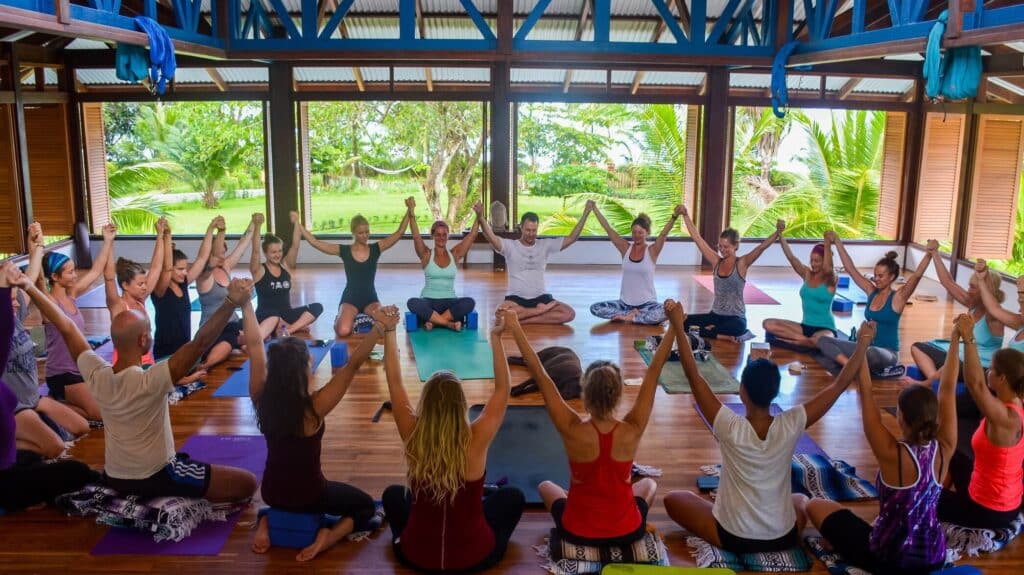
Learning from someone with extensive experience training yoga teachers can influence not only what you learn, but how confidently you integrate it.
At Blue Osa, yoga teacher certification course is led by Yogi Aaron, who brings more than 30 years of experience teaching yoga and training yoga teachers.
As the creator of the AYAMA methodology, he teaches from lived experience and practical application, offering students consistent guidance, clear instruction, and a grounded approach to understanding yoga in real bodies.
When checking out reviews for the best YTT programs, look for longevity and volume.
Blue Osa has been offering yoga teacher trainings for over a decade and has earned nearly 1,000 five-star reviews. Consistent patterns in student feedback matter far more than individual opinions.
5. What style of yoga does the program focus on?
Yoga teacher certification courses often emphasize different styles of yoga, and understanding this focus is an important part of choosing the right fit.
Because training is a deeply personal experience, the styles and philosophies emphasized in a program will shape how you relate to the practice of yoga long after the course ends.
Hatha yoga, a foundational practice, focuses on slow-paced postures and breath control, making it ideal for beginners.
Vinyasa yoga emphasizes dynamic movement synchronized with breath, creating a flowing, energetic asana practice.
Ashtanga yoga, a structured and intense style, follows a set sequence to build strength and discipline.
Yin yoga, in contrast, involves deep, passive stretching to enhance flexibility and mindfulness.
Restorative yoga promotes relaxation through supported postures. Some programs may also incorporate power yoga, depending on their emphasis and teaching style. Understanding these approaches allows aspiring teachers to tailor their instruction and better meet the diverse needs of students.
As you consider this question, reflect on the style of yoga you are most drawn to and how you want to practice moving forward.
Are you interested in refining alignment and understanding how poses work in the body? Do you enjoy strong, dynamic classes, or do you prefer a more intentional and therapeutic approach?

These preferences play a key role in determining whether a particular training is right for you. The style emphasized in training will influence not only what you learn, but how you practice and teach long after the program ends.
At Blue Osa, the training integrates traditional yoga teachings with a strong emphasis on intelligent movement, alignment, and applied anatomy as part of a comprehensive teaching methodology.
Yogi Aaron’s teaching style and methodology are rooted in the Himalayan Tradition of Yoga, drawing from the wisdom of Patanjali’s Yoga Sutras and teachings passed down through generations of yoga masters. The training integrates multiple lineages, including Hatha, Iyengar, Vinyasa, and Kundalini, offering a well-rounded and informed approach to practice and teaching within a modern yoga instructor certification program.
The program is guided by a holistic philosophy centered on function over form. Rather than prioritizing how poses look, the focus is on how yoga works in the body and how it can be adapted to support individual needs. This perspective reinforces that teacher training is a deeply experiential process grounded in real movement and real bodies.
Yoga is for everybody, and the training is designed with that principle in mind. Students learn how to work with different bodies, abilities, and goals, gaining practical tools to confidently teach both private sessions and group classes.
6. What is the duration and format of the training (intensive, part-time, online) and is it Yoga Alliance Certified?
Yoga programs vary in duration and format to suit different lifestyles and learning preferences. Intensive programs, often 200-hour or 300-hour, are immersive experiences completed in a few weeks, ideal for those seeking rapid certification.
When thinking about how to choose a yoga teacher training, it helps to look beyond convenience and consider how you learn best.
- Do you benefit from stepping away from daily responsibilities and fully immersing yourself in the training?
- Does being in one place, with a clear structure and rhythm, help you focus and integrate what you are learning?
- Do you prefer a slower pace, such as online learning, that allows you to balance training with everyday life?
These are important things to look at when comparing programs, especially since every yoga school structures learning differently.
For those newer to yoga or exploring a brand new yoga experience, immersion can provide clarity and momentum that is harder to access in fragmented formats. Immersive training often supports a deeper practice and understanding of yoga by allowing students to stay present with both the material and their own internal process. It’s also important to ensure a program is Yoga Alliance certified.
At Blue Osa, training takes place in a quiet beachfront jungle setting that removes many of the distractions of daily life.
This environment allows students to fully engage with the material, their practice, and their own internal process, often leading to deeper insight and integration than more fragmented formats.
These considerations are key things to look for when deciding which yoga training experience is the right fit for you.
7. How important is community and the right teacher to your hours of training?
A yoga teacher certification course is rarely a solitary experience. Learning alongside others can play a significant role in how supported and connected you feel throughout the process. Some students thrive in a communal environment where conversation, shared meals, and group practice are part of daily life.
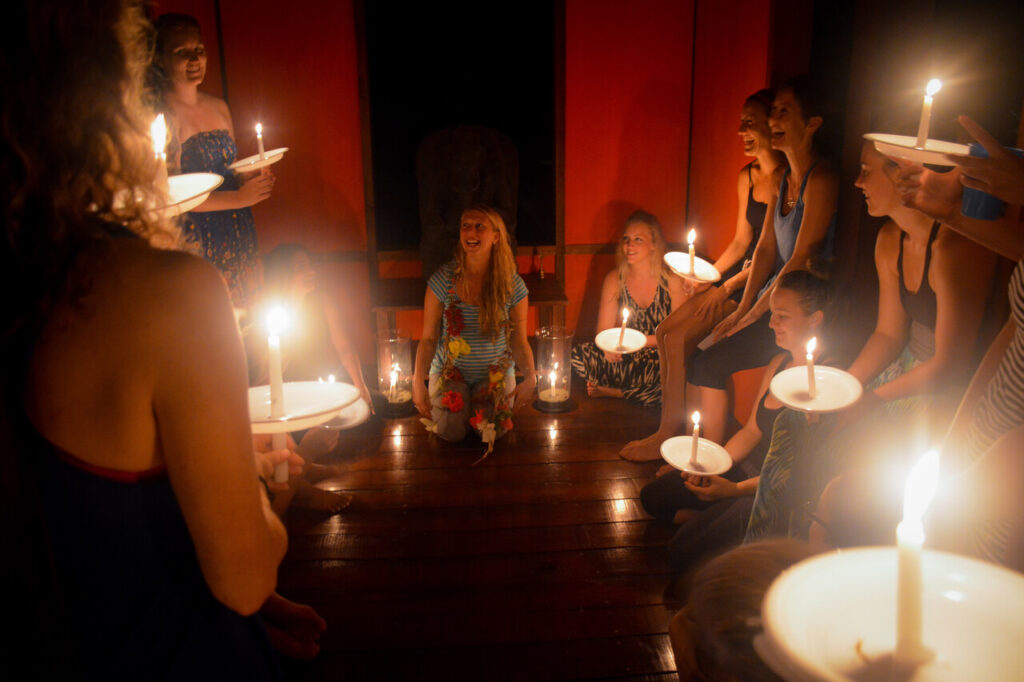
As you reflect on this question, consider whether community matters to you as part of your learning.
Community is a central part of the experience at Blue Osa. Students live, practice, and learn together in an environment that encourages connection without pressure.
For many participants, the relationships formed during training become one of the most meaningful and lasting outcomes of the experience.
8. What kind of support does the school offer after your 200 hour yoga teacher training?
Completing a yoga teacher immersion does not always mean you feel finished or fully confident right away. For some people, ongoing support, mentorship, or continued learning opportunities make a significant difference in how they integrate what they have learned.
When considering a program, think about whether post-training support matters to you. Support after graduation can be especially helpful if you plan to teach, but it can also be valuable for those who want to continue deepening their personal practice.
Blue Osa places importance on maintaining long-term relationships with students beyond the training itself. Many graduates stay connected through ongoing learning opportunities and community, which helps them continue growing and integrating their experience over time.
9. Get clear — what do you want to walk away with when the training ends?
When choosing a teacher training, it helps to think beyond the certificate and reflect on what you want to gain from the experience itself.
Some students want to feel prepared to teach. Others want to feel grounded, informed, and more connected to their practice.
Ultimately, being prepared to teach yoga means balancing both physical strength and emotional resilience, fostering a supportive environment for personal growth.
At Blue Osa, many students leave with a stronger foundation in yoga, a clearer sense of direction, and tools they continue to use long after the training ends, regardless of whether they choose to teach.
10. What would make it feel like you chose the right yoga teacher course for you?
A good yoga teacher training requires a meaningful investment of time, energy, and attention. Beyond logistics, it is worth asking what would make that investment feel worthwhile months or years down the line, especially if you want to choose a program that supports long-term growth rather than short-term completion.
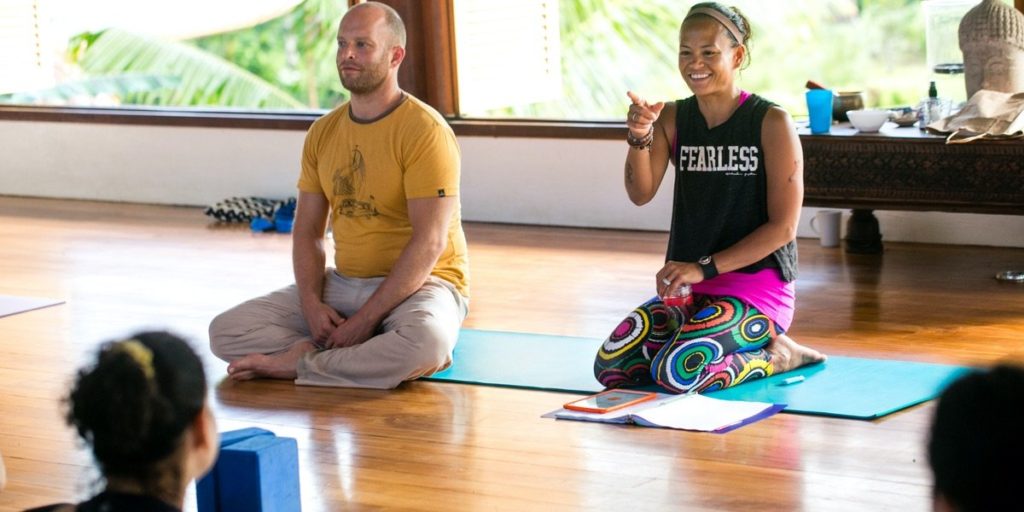
For many students, our immersion programs at Blue Osa become a life-changing experience, whether or not they want to be a teacher.
Those who thrive here are often seeking space away from a busy life, time to go inward, and an environment that supports reflection on what truly matters most, while also offering a variety of yoga teachings and real opportunities for practice teaching.
For students who do decide to teach, the experience builds a strong foundation to become a registered yoga teacher.
Blue Osa is a registered yoga school, and graduates are eligible to register with Yoga Alliance and earn their RYT designation. Alongside teaching skills, students gain insight into the business of teaching yoga, helping them move forward with confidence if they choose to share the practice professionally.
When a training aligns with what you value at a deeper level, its impact tends to extend far beyond the dates on the calendar.
Final Thoughts on How to Choose a Yoga Teacher Training
Choosing the right yoga teacher training is a meaningful commitment, whether you want to become a teacher or learn more about the yogic lifestyle.
The right questions about teaching approach, learning environment, depth of study, community, and long-term support will reveal whether a program truly aligns with your goals.
Whether you want to teach, deepen your personal practice, or create space for self-inquiry, you’ll want to choose a training that supports that intention. At Blue Osa, our yoga teacher immersion programs are designed with these principles at their core. We invite you to explore how our yoga teacher training programs might support your journey so you can decide if our yoga teacher training is right for you.
About The Author, Yogi Aaron

Yogi Aaron is the founder and creator of Applied Yoga Anatomy + Muscle Activation™ (AYAMA), a revolutionary methodology that challenges conventional approaches to yoga. Using a science-backed approach, he prioritizes muscle activation over traditional stretching.
With over three decades of dedicated study, mentorship, and hands-on experience, he has established himself as a leading expert in yoga therapy, alignment, and pain-free movement.
As owner and operator of Blue Osa Yoga Retreat + Spa in Costa Rica, Yogi Aaron leads transformative programs that combine his expertise in yoga instruction, retreat facilitation, and wellness business operations. His work spans both in-person immersive experiences and digital education through The Yogi Club online platform and the AYAMA™ Certification Program.
Yogi Aaron’s teaching methodology represents a paradigm shift in modern yoga practice. AYAMA focuses on activating and engaging muscles to enhance range of motion, build strength, improve stability, and optimize alignment—while reducing pain and injury risk. This evidence-based approach has positioned him as a thought leader challenging the status quo in the yoga community.
His mission extends beyond the mat: to liberate individuals from chronic pain and guide them toward discovering yoga’s authentic purpose through intelligent, body-informed practice.
Learn more about training opportunities with Yogi Aaron at Blue Osa Yoga Retreat + Spa.
Check out these popular posts!


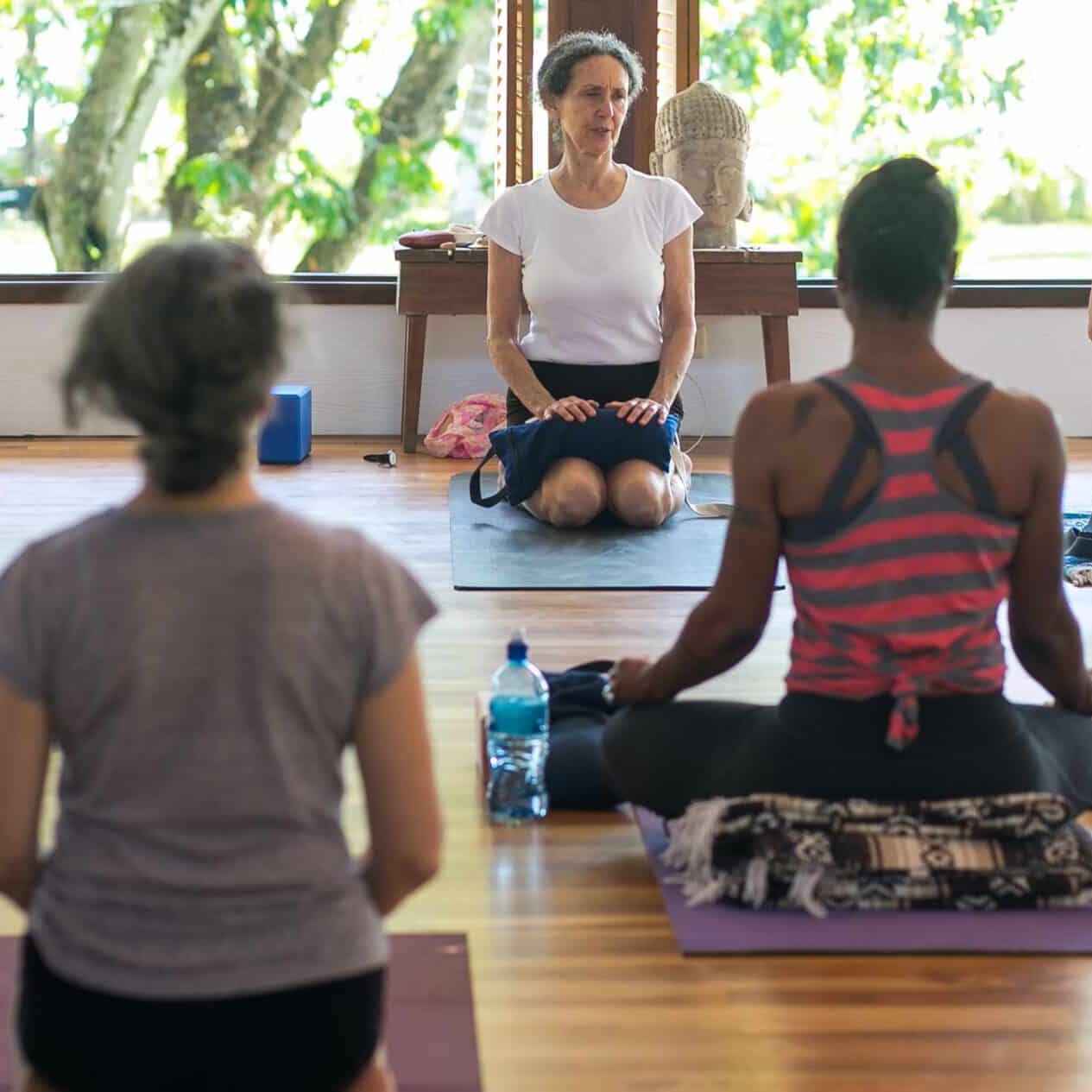
Tags: Blue Osa, Costa Rica, yoga teacher training
Book/Inquire Now
Got pain? This will help you!

YOU DESERVE TO LIVE PAIN-FREE...
Receive 7 short, simple, and effective practices to alleviate knee, hip, low back, neck, shoulder pain, and more!
All you need is 5 minutes per lesson and it's FREE!
This revolutionary approach to yoga is new, and no one else is teaching this! Since I created Applied Yoga Anatomy + Muscle Activation™ and started teaching it consistently, I've witnessed students heal long-standing injuries, access yoga postures they never thought possible, and tell me over and over again how their body just feels better.
I hope you'll join me on this journey!
~Yogi Aaron
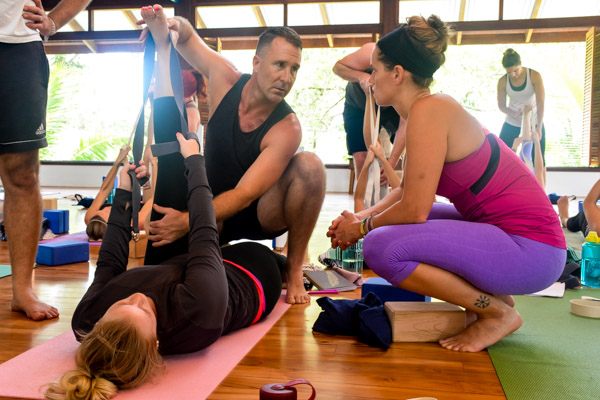
Is Yoga Teacher Training Right For Me?
We Created This FREE 5 Part Series So You Can Get All The Information To Make The Right Choice.
In this series, you will learn:
-
- Am I a candidate for yoga teacher training??
-
- What will I learn in a YTT?
-
- Do I need to have a perfect downward dog to attend YTT?
14-Day 200-Hour Yoga Teacher Training in Costa Rica
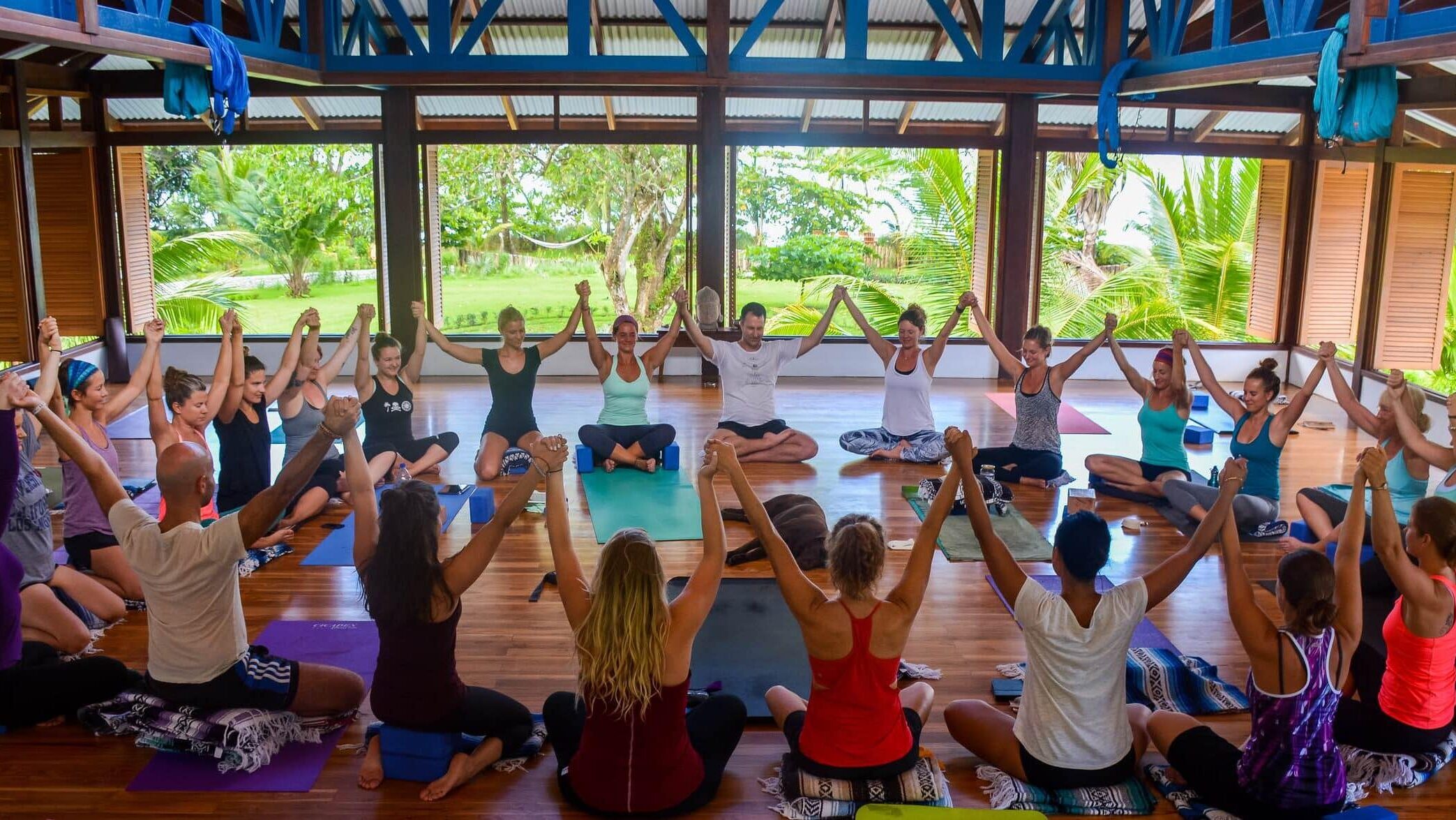
If you are looking for a 14-day 200 hour Yoga Teacher Training Costa Rica Immersion, you have landed in the right place. Join the next one!
300-Hour, 28-Day Yoga Teacher Training
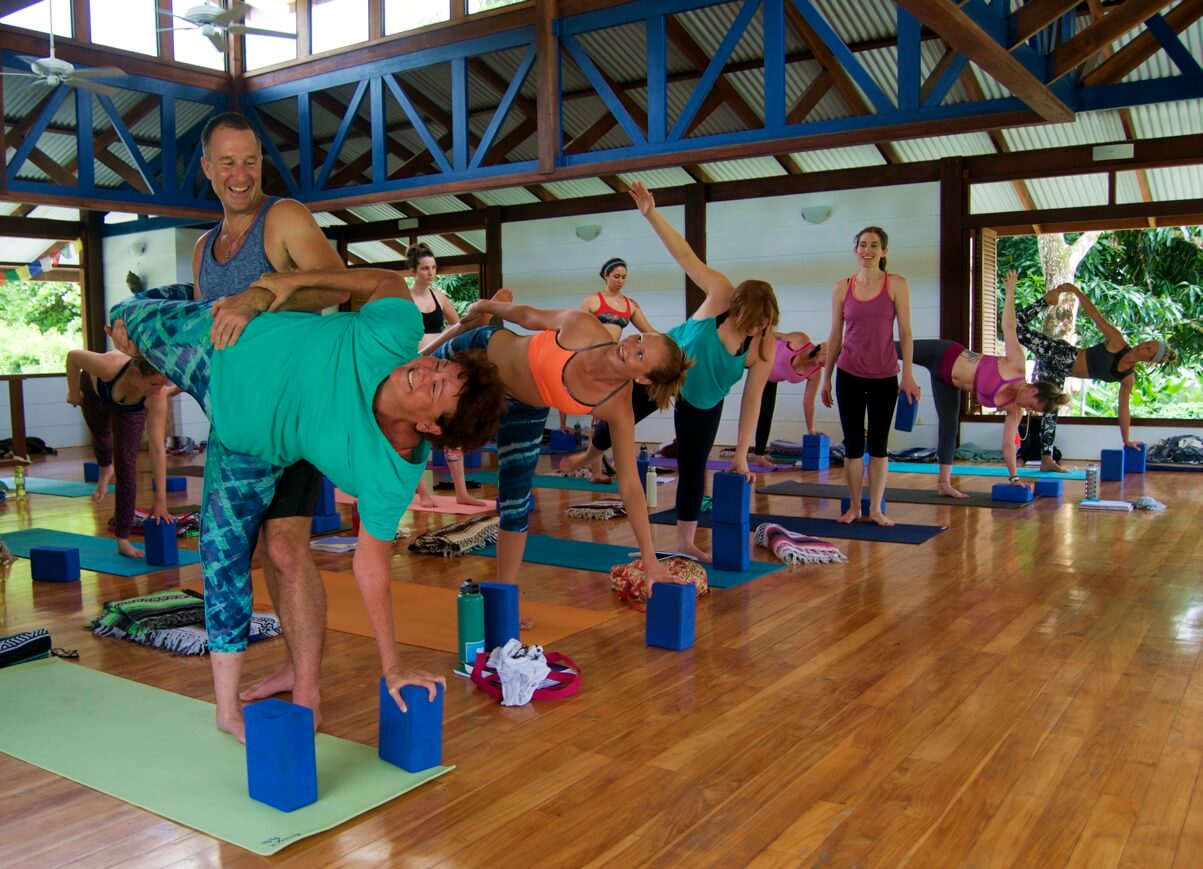
Do You Feel Called To Something Greater?
This 300-Hour Yoga Teacher Training immersion training at Blue Osa will immerse you in yoga for one month.
You will have the specific transformational skills and yogic practices you need in order to connect with your higher purpose.
And more! You will be able to offer these transformative skills to others!
