

You’re considering a yoga teacher training but have no intention of teaching classes.
Does the investment of time, money, and energy of a YTT program still make sense if teaching isn’t the outcome you’re aiming for?
This question usually comes up when you feel a pull to go deeper in your yoga practice. Maybe you want personal growth. Maybe you feel stuck. Or maybe you’re simply ready to understand yoga history, anatomy, and philosophy more fully so you can practice with greater intention.
But investing in YTT just to deepen your practice can seem silly when most conversations frame it as career preparation. Here’s what you need to know:
The core value of a yoga teacher training has little to do with whether you ever stand in front of a class, and everything to do with how yoga philosophy can become a transformative tool for self growth — whether or not you ever plan to teach a yoga class.

In this article, we’ll review the holistic benefits of what you’ll learn in yoga teacher training (even if you don’t want to teach):
- I Don’t Want to Teach Yoga – Can I Still Do a Yoga Teacher Training?
- What Are the Benefits of Yoga Teacher Training?
- Who Is A Yoga Teacher Training Course For?
- 13 Reasons People Choose a Yoga Teacher Training to Deepen Their Practice — Even If They Never Want to Teach
- What Happens After a Yoga Teacher Immersion
Is Yoga Teacher Training Worth It If You Don’t Want to Teach? Absolutely.
Absolutely! There are so many positive aspects of yoga teacher training, even if you don’t plan to teach.
At Blue Osa Yoga Resort + Spa, our YTT programs are structured as immersion experiences.
The “teacher” label exists because the curriculum includes sequencing, cueing, and class structure, and all our trainings are certified by The Yoga Alliance.
However, during your practices of yoga, you’ll also spend time on personal practice, the history of yoga, philosophy, anatomy, breathwork, meditation, and reflection — all while joining a passionate yoga community!

Some participants decide they intend to teach after completing the training. Others never teach a single class. Both outcomes are common, and neither is treated as a success or failure.
The confusion comes from how yoga teacher training is discussed and marketed online.
Certification bodies like Yoga Alliance exist to standardize teaching credentials, which creates the impression that training is only for aspiring instructors. In practice, the YTT immersion format serves anyone willing to commit to sustained, daily practice and study.
Will yoga training help you identify what’s next in your life?
Will it enhance your physical practice of yoga?
Will it improve every aspect of your life?
Yes! Teacher training is so much more than being an aspiring yoga teacher.
What Are the Personal Benefits of Yoga Teacher Training?
So, is yoga teacher training worth it if you don’t want to teach? The personal benefits alone justify the investment: deeper physical practice, mental resilience, and practical tools for daily life.
The benefits of yoga teacher training go far beyond learning how to teach yoga classes.
A well-designed immersion is meant to give you a deeper understanding of the principles of yoga, strengthen your physical yoga practice, and provide tools you can apply in daily life, even if teaching is not your goal.
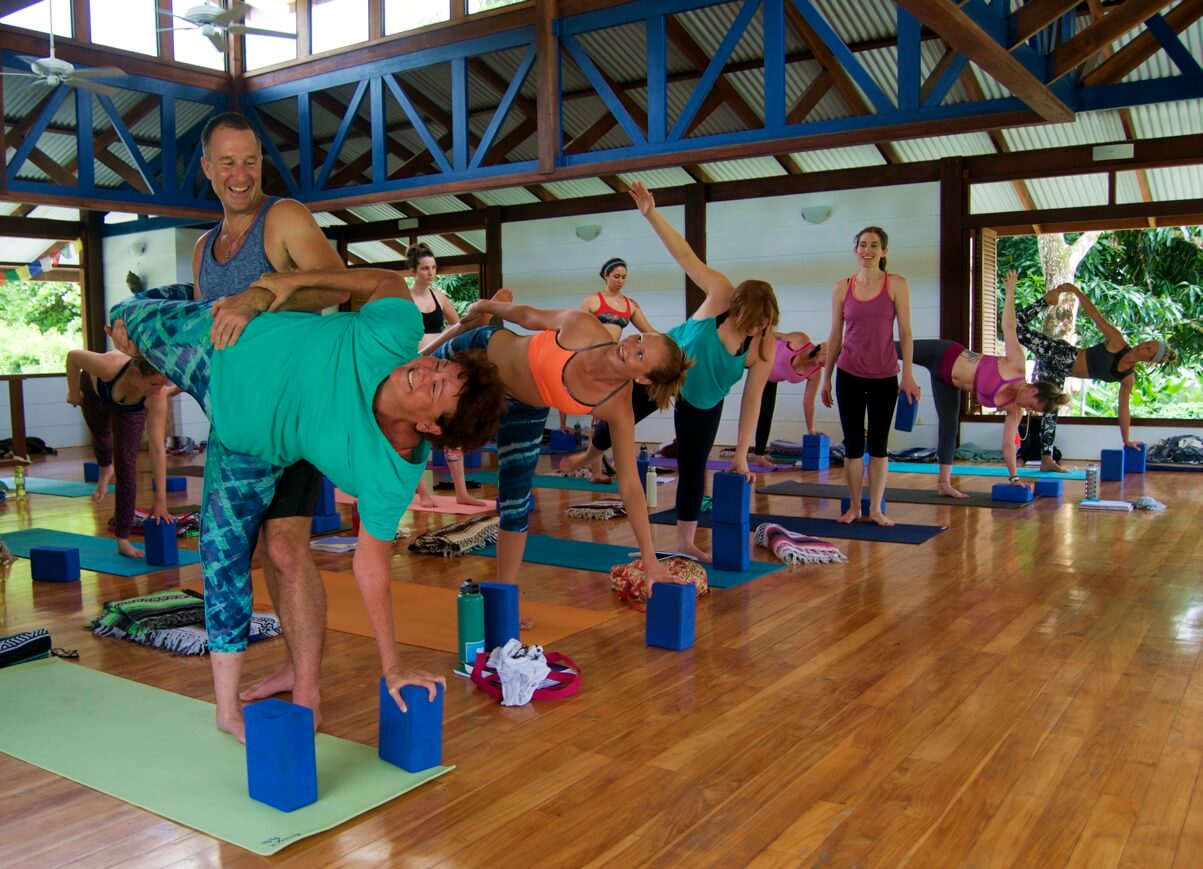
At Blue Osa, our yoga teacher immersions run for 14 or 28 days, with a set number of hours of training completed through a consistent daily rhythm. Each day includes asana, meditation, pranayama, philosophy, anatomy, and reflective discussion, giving you the time and repetition needed to actually integrate what you’re learning into a yoga lifestyle.
One of the most immediate benefits is the depth of physical yoga practice. Practicing daily over many hours builds strength, mobility, and body awareness in a way that weekly classes rarely do.
Studying anatomy alongside movement helps you understand how your body works, why certain patterns cause pain, and how to move more efficiently and safely over time.
Yoga teacher training also develops mental and emotional resilience. Learning breathwork, meditation, and the principles of yoga gives you practical tools for managing stress, maintaining focus, and responding more skillfully to challenges.
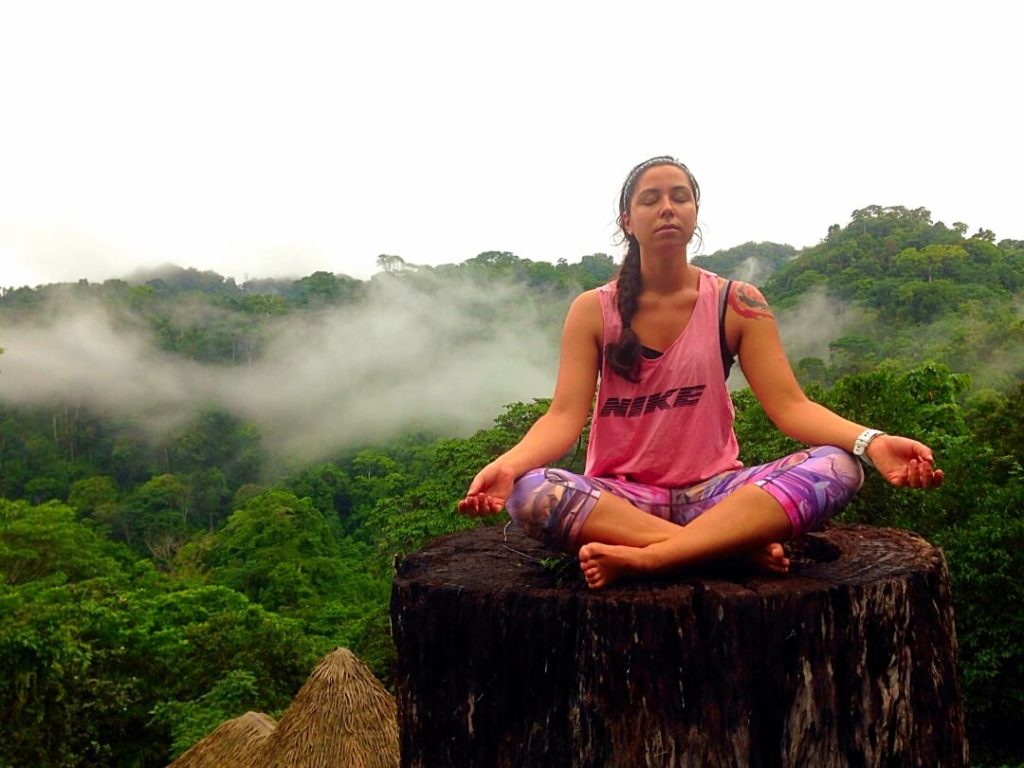
Even though teaching is not required, the training does include yoga certification, learning how to sequence classes, communicate clearly, and guide others.
These skills translate into improved confidence, leadership, and communication in many areas of life. For those who do decide to pursue training with the intention of teaching later, this foundation prepares you to teach yoga classes with clarity and care.
At Blue Osa, students also learn AYAMA (Applied Yoga Anatomy and Muscle Activation), which supports pain-free movement and long-term sustainability when you practice yoga. This approach reinforces the idea that yoga training is not only about certification or being a yoga instructor, but about learning how to practice and live yoga in a way that supports health over time.

Whether you want to pursue training for personal growth, to deepen your practice, or to eventually become a yoga instructor and teach yoga classes, the benefits of YTT lie in the immersion experience itself.
Who Is A Yoga Teacher Training Course For?
If you’re asking yourself whether yoga teacher training is worth it if you don’t want to teach, consider this: YTT is for anyone seeking depth, transformation, and structure—not just aspiring instructors.
Do you feel stuck in patterns you haven’t been able to shift on your own? Maybe Drop-in classes and home practice haven’t provided enough continuity to create change.
Or perhaps you’re between transitions. A career shift, a break between commitments, or a period where you have time available and want to use it deliberately rather than passively.
You want depth but not guesswork. You’ve read books, attended workshops, and practiced independently, but your interest in yoga feels scattered. You want a clear container where the pieces are organized for you — even if you don’t want to stand in front of a class cueing downward dog.
You’re skeptical of surface-level wellness culture in the yoga industry. You’re not looking for inspiration or slogans. You want technique, context, and an explanation of why these yoga sutras and practices work.
If any of this sounds like you, you’re in the right place!
Yoga teaching programs may not be ideal if you only want a restful retreat, if your schedule won’t allow full participation, or if you’re looking for a vacation.
13 Reasons People Choose a Yoga Teacher Training to Deepen Their Practice — Even If They Never Want to Teach
1. To Commit Fully to Their Practice Without External Interruptions
This is why yoga teacher training is worth it even if you don’t want to teach: the immersion creates space for sustained focus impossible to achieve in daily life.
Daily life fragments attention. In an immersion, practice isn’t optional or squeezed in. It’s the core activity. Practicing twice a day for two to four weeks compresses months of sporadic effort into a focused period of learning.
Because there are no competing priorities other than focused yoga education, you stop negotiating with yourself about when or whether to practice. The repetition builds familiarity, confidence, and momentum, allowing progress to happen faster than it ever does in a weekly class schedule.
2. To Leave Behind Stressful Modern Life
Behavior is shaped by the environment. Staying home keeps the same cues in place—emails, routines, responsibilities, and constant decision-making. Changing location removes those signals. Being immersed in a setting designed for practice makes it easier to step out of reactive patterns and observe how stress actually operates in your body and mind.

In a yoga program, stress management isn’t taught as a concept. It’s practiced daily. Meditation, breathwork, and mindful movement give you direct experience regulating your nervous system instead of talking about it. Over time, you learn how to respond more deliberately rather than defaulting to urgency or overwhelm.
Living and practicing alongside others adds another layer. Group discussions, shared schedules, and collaborative learning quietly develop patience, empathy, and communication skills. You become more aware of how you listen, how you react, and how you show up for others. These shifts tend to carry back into everyday relationships long after the training ends.
3. To Build Consistency Through a YTT Course
Good intentions don’t create habits. Structure does. When meditation, breathwork, movement, and study are built into the day, consistency stops being a choice and becomes part of the rhythm.
This consistency develops more than a regular practice. Managing daily responsibilities within a full schedule builds discipline, time awareness, and follow-through. You learn how to pace effort, stay focused, and adapt when things don’t go as planned. These skills aren’t framed as productivity tools, but they translate naturally into work and daily life.
Leading short sequences, participating in group work, and navigating moments of challenge also build confidence. You practice communicating clearly, problem-solving in real time, and staying present under pressure.
4. To Develop Self-Awareness Through Repetition and Yoga Practice
Self-awareness develops through repetition, not insight alone. Yoga creates the conditions for that repetition by structuring each day around practices that require attention to breath, movement, and mental patterns.
Daily meditation, pranayama, and conscious movement sharpen your ability to notice subtle shifts in the body and nervous system. You begin to recognize how physical tension, breath patterns, and emotional responses are connected. Because these practices happen every day, awareness builds gradually rather than through a single breakthrough moment.
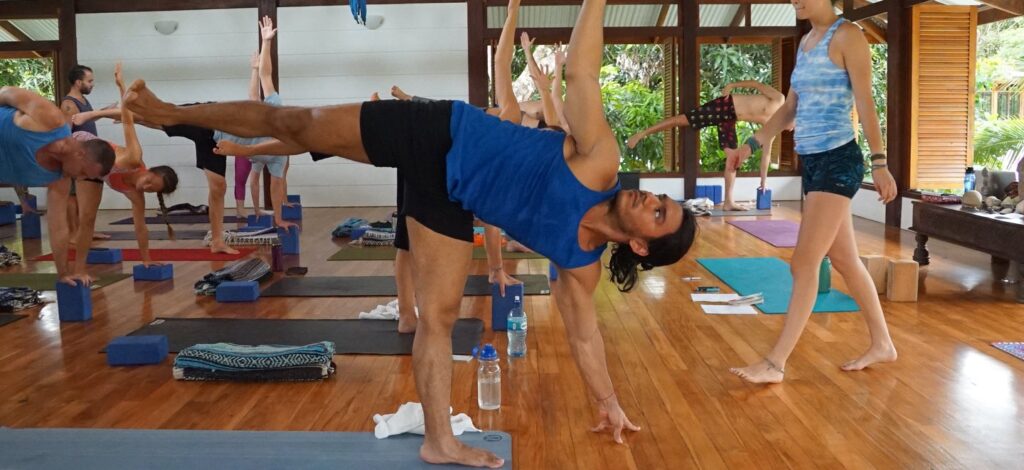
Teaching components also deepen awareness in an unexpected way. When you practice guiding others, you’re required to stay present, listen carefully, and respond with clarity. Learning how to hold space develops attention and emotional steadiness, even if you never intend to teach beyond the training.
Journaling, group discussion, and periods of reflection create space to process what surfaces. Over time, patterns become obvious. Reactions slow down. Awareness becomes something you access automatically, not something you have to work to remember.
5. To Understand Anatomy and How Their Body Actually Functions
A yoga teacher training builds physical strength in a way most weekly classes never reach. The difference isn’t intensity for intensity’s sake. It’s volume, repetition, and consistency.
Practicing asana daily over 14 to 28 days places a sustained load on the body. You hold poses longer, repeat foundational movements, and return to the same sequences again and again. Strength develops through accumulation, not novelty. Core stability improves because it’s required in every transition. Upper-body strength builds through repeated weight-bearing work. Legs and hips adapt because they’re asked to support you, day after day.
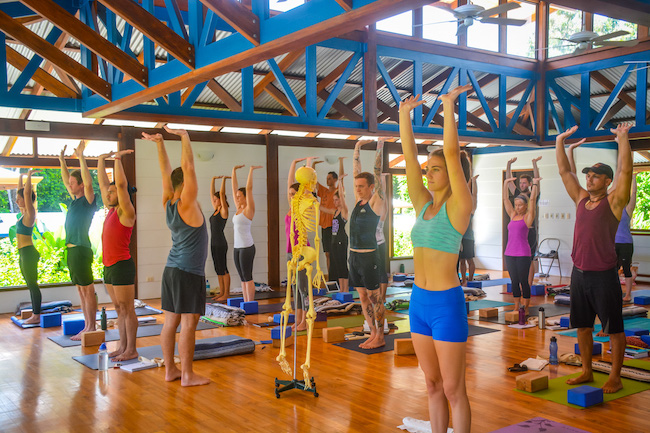
Just as important, strength is developed alongside alignment and awareness. You learn how to engage muscles efficiently, distribute effort through joints, and recognize when strength is coming from compensation rather than stability. That understanding reduces strain and makes your practice more durable over time.
6. To Build Transferable Yogic Skills from Knowledge of Yoga
Leading short sequences, managing stress through breathwork, and navigating group dynamics develop skills that carry into everyday life. Communication, emotional regulation, and leadership are practiced directly, not discussed abstractly.
You learn how to stay present while speaking, how to adjust when something isn’t working, and how to respond thoughtfully rather than react automatically.
These skills show up quickly outside of practice, whether in work settings, relationships, or moments of pressure. What makes them stick is repetition. You practice them daily, in real situations, with real feedback.

7. To Meet Other Yogis in a Like-Minded Community
Spending every day with the same group creates a different kind of connection than weekly classes. Shared effort builds trust faster than casual interaction ever does. You see people when they’re focused, tired, frustrated, and fully present.
The relationships that form tend to be practical and honest rather than performative. Conversations are shaped by shared experience, not small talk. For many people, this yoga community becomes one of the most meaningful parts of the immersion, and the connections often continue long after it ends.
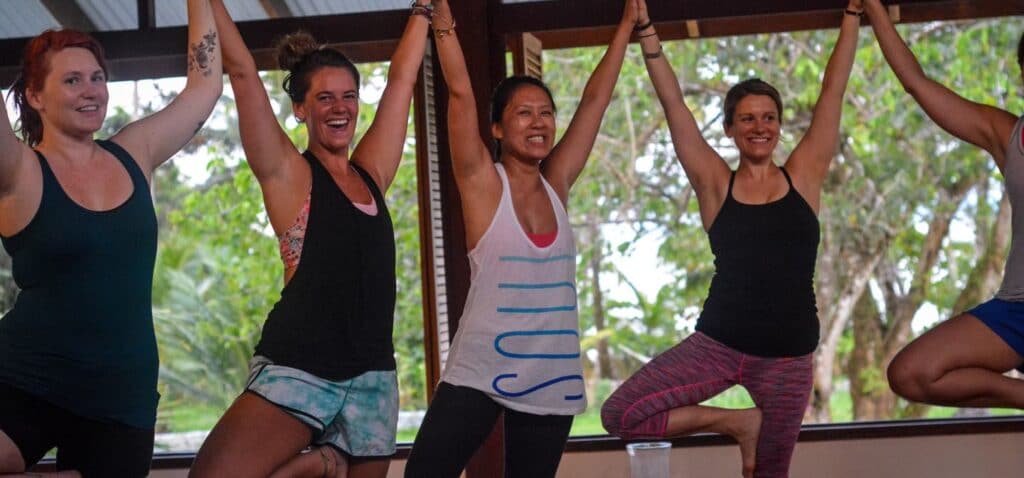
8. To Use Yoga Training Programs to Interrupt Existing Habits
Removing yourself from familiar routines makes change easier. When daily cues disappear, habits loosen their grip. For several weeks, you eat differently, move differently, rest differently, and structure your time around practice rather than convenience.
Not every habit carries home, and it doesn’t need to. The ones that stick are the ones you practiced consistently. Even small shifts in how you breathe, move, or start your day can meaningfully change how you move through daily life.
9. To Love Yoga & Explore What’s Next Without Pressure to Become the Best Yoga Teacher
Immersions often coincide with periods of uncertainty. Career shifts, burnout, or a sense that something needs to change, even if it’s not yet clear what that is.
The structure of the program removes the pressure to figure everything out at once. You’re engaged every day, but you’re not required to make decisions about the future. Clarity tends to emerge through participation and consistency, not through forcing answers before you’re ready.
10. To Study Yoga as a Complete Philosophical System
One of the less obvious reasons people choose a yoga teacher training is the opportunity to study yoga beyond the physical practice.
When you step into an immersion, yoga stops being something you do for an hour at a time and starts to reveal itself as a complete system for understanding how you live, think, and relate to the world.
Training also includes guided study of foundational yogic texts and ideas, such as the Eight Limbs of Yoga, which provide a framework for attention, ethics, discipline, and self-inquiry. Rather than treating philosophy as abstract theory, the training places these concepts alongside daily practice, so they’re experienced rather than simply discussed.
Principles like the Yamas and Niyamas become practical tools instead of moral ideals. You begin to notice how concepts such as restraint, effort, and non-harm show up in movement, breath, decision-making, and relationships. The philosophy gains relevance because it’s applied repeatedly in real time.
11. To Integrate Yoga as a Whole-System Approach to Well-Being
Immersions present yoga as an integrated system connecting movement, breath, attention, and lifestyle. Alongside physical practice, many programs explore pranayama, meditation, mindfulness, and elements of Ayurveda, offering insight into nutrition, sleep, and daily rhythms.
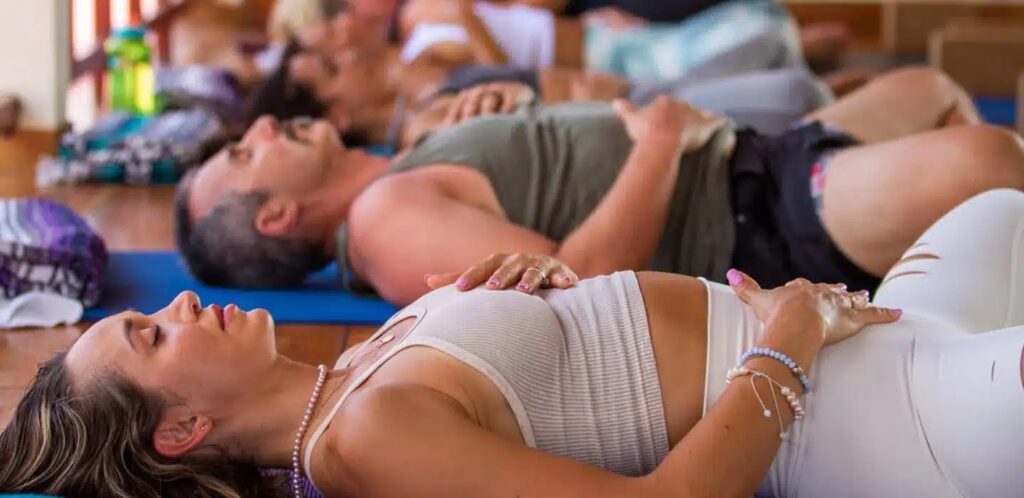
You learn how stress and emotion manifest physically, how breath influences clarity, and how consistent practice supports long-term balance. These tools extend well beyond the immersion itself.
12. To Learn Multiple Approaches to Yoga Teaching Without Fragmentation
Exposure to different styles and techniques deepens discernment without overwhelming the practice. Modifications, injury awareness, use of props, and breath integration help participants understand how to adapt yoga to their own bodies.
At Blue Osa, this includes work with AYAMA, Applied Yoga Anatomy and Muscle Activation, supporting pain-free movement and long-term joint health.

13. To Experience Adventure Without Losing Focus
Doing an immersion in Costa Rica adds adventure. Being in a different environment naturally shifts perspective and attention, while the daily schedule keeps the work grounded.
The adventure comes from living differently for several weeks, not from constant stimulation. You return home clearer because you stayed engaged, not because you checked out.
Why Yoga Teacher Training Is Worth It If You Don’t Want to Teach: What Happens After?
So, is yoga teacher training worth it if you don’t want to teach? Based on the 13 reasons above, the answer is a resounding yes. The value lies in the transformation, not the teaching certificate.
Some participants teach immediately. Others teach later. Some never teach at all.
More importantly, most people leave with a practical system they can return to when life inevitably drifts out of balance. Stress returns. Habits slip. Circumstances change. The value of the training is knowing how to recalibrate using practices that have already been tested in your own body.
The credential remains available if teaching becomes relevant later, but the immediate value comes from the habits and understanding developed during the immersion.
Yoga Teacher Immersion Programs for Self-Discovery in Costa Rica
If you’re still wondering whether yoga teacher training is worth it if you don’t want to teach, consider this: the immersion experience at Blue Osa offers benefits that last a lifetime, regardless of whether you ever step in front of a class.
Yoga is so much more than learning to teach or simply make money from yoga. The question isn’t whether YTT guarantees an outcome, but whether yoga teacher training offers you the holistic mind, body, and soul benefits you’re looking for.

At Blue Osa, our yoga immersions take place on the Osa Peninsula in Costa Rica, where the natural setting supports focus, reflection, and consistency. Over the course of the training, the tools you learn in yoga help you identify patterns in your body and mind and apply what you learn beyond the mat, even if teaching is not your goal, so you can use the knowledge of yoga to enhance your well-being and life goals.
Sound like the experience your soul has been craving? Explore the upcoming immersions at Blue Osa to learn more or reserve your spot.
About The Author, Yogi Aaron

Yogi Aaron is the founder and creator of Applied Yoga Anatomy + Muscle Activation™ (AYAMA), a revolutionary methodology that challenges conventional approaches to yoga. Using a science-backed approach, he prioritizes muscle activation over traditional stretching.
With over three decades of dedicated study, mentorship, and hands-on experience, he has established himself as a leading expert in yoga therapy, alignment, and pain-free movement.
As owner and operator of Blue Osa Yoga Retreat + Spa in Costa Rica, Yogi Aaron leads transformative programs that combine his expertise in yoga instruction, retreat facilitation, and wellness business operations. His work spans both in-person immersive experiences and digital education through The Yogi Club online platform and the AYAMA™ Certification Program.
Yogi Aaron’s teaching methodology represents a paradigm shift in modern yoga practice. AYAMA focuses on activating and engaging muscles to enhance range of motion, build strength, improve stability, and optimize alignment—while reducing pain and injury risk. This evidence-based approach has positioned him as a thought leader challenging the status quo in the yoga community.
His mission extends beyond the mat: to liberate individuals from chronic pain and guide them toward discovering yoga’s authentic purpose through intelligent, body-informed practice.
Learn more about training opportunities with Yogi Aaron at Blue Osa Yoga Retreat
Check out these other popular posts!


Tags: yoga teacher training
Book/Inquire Now
Got pain? This will help you!

YOU DESERVE TO LIVE PAIN-FREE...
Receive 7 short, simple, and effective practices to alleviate knee, hip, low back, neck, shoulder pain, and more!
All you need is 5 minutes per lesson and it's FREE!
This revolutionary approach to yoga is new, and no one else is teaching this! Since I created Applied Yoga Anatomy + Muscle Activation™ and started teaching it consistently, I've witnessed students heal long-standing injuries, access yoga postures they never thought possible, and tell me over and over again how their body just feels better.
I hope you'll join me on this journey!
~Yogi Aaron
Is Yoga Teacher Training Right For Me?
We Created This FREE 5 Part Series So You Can Get All The Information To Make The Right Choice.
In this series, you will learn:
-
- Am I a candidate for yoga teacher training??
-
- What will I learn in a YTT?
-
- Do I need to have a perfect downward dog to attend YTT?
14-Day 200-Hour Yoga Teacher Training in Costa Rica
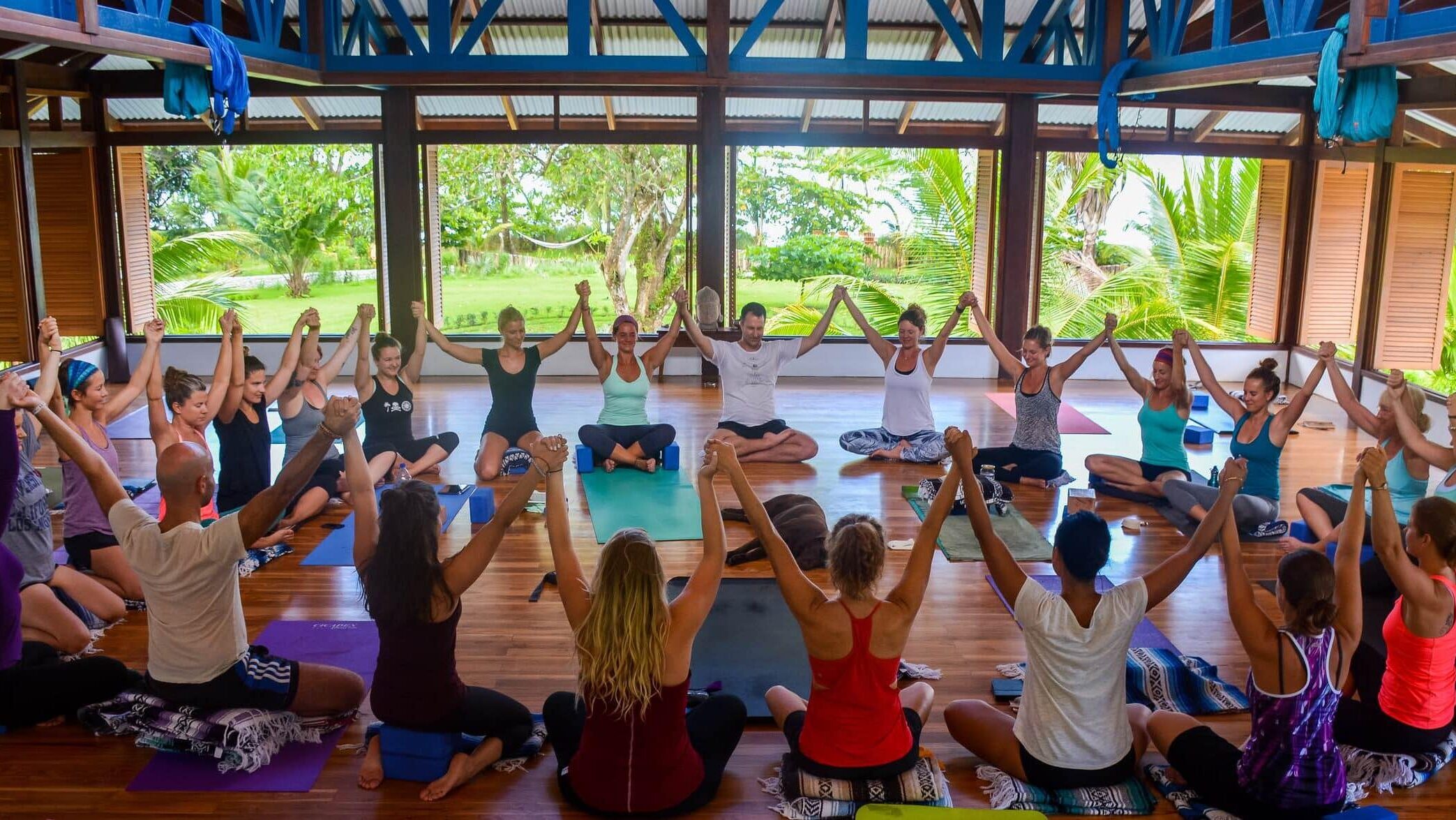
If you are looking for a 14-day 200 hour Yoga Teacher Training Costa Rica Immersion, you have landed in the right place. Join the next one!
300-Hour, 28-Day Yoga Teacher Training
Do You Feel Called To Something Greater?
This 300-Hour Yoga Teacher Training immersion training at Blue Osa will immerse you in yoga for one month.
You will have the specific transformational skills and yogic practices you need in order to connect with your higher purpose.
And more! You will be able to offer these transformative skills to others!
