

So, you want to learn how to get yoga certified.
Maybe you feel called to teach — or maybe you don’t. Maybe you simply want to deepen your understanding of yoga beyond the physical postures and explore its history, philosophy, and the inner work that continues to draw so many people to the practice.
More people than ever are turning to yoga for stress relief, physical resilience, and a sense of balance in an increasingly demanding world. As yoga becomes more visible and accessible, it’s natural to feel curious about what it really means to study yoga more deeply.
No matter what sparked your interest, the question becomes the same: How do you actually get yoga certified, and what does that process involve?
This guide walks you through how to get yoga certified step by step, so you understand what certification means, how it works, and what to look for before you commit.
Ready to take the next step on your yoga journey? Learn more about Blue Osa’s yoga teacher training programs in Costa Rica.
What this yoga certification guide covers:
- Understand What Becoming a Certified Yoga Instructor Actually Means
- Clarify Why You Want to Get Certified to Teach Yoga
- Learn How Yoga Certification Hours Are Completed
- Understand the Role of Yoga Lineage in the Yoga Training
- Learn Who Will Be Teaching You and Your Instructor Today Matters
- Review the Curriculum to Become a Certified Yoga Teacher
- Complete Your YTT and Register Your Certification to Teach Yoga Classes
- Understand What Comes After Certification (Your Yoga Career)
Step 1: Understand What Becoming a Certified Yoga Instructor Actually Means
When people talk about being “yoga certified,” they’re usually referring to completing a YTT program that meets the standards set by Yoga Alliance.
Yoga is a multi-billion-dollar industry, yet it remains largely self-regulated. Legally, you do not need a license to teach yoga. At the same time, most studios and students want reassurance that a teacher has completed formal instruction and understands foundational yoga poses, philosophy, and teaching methodology.
The Yoga Alliance is a nonprofit, national accrediting organization that keeps track of registered yoga schools and teachers. For a yoga teacher training to be accredited through the Yoga Alliance, the school must meet a strict set of educational standards.
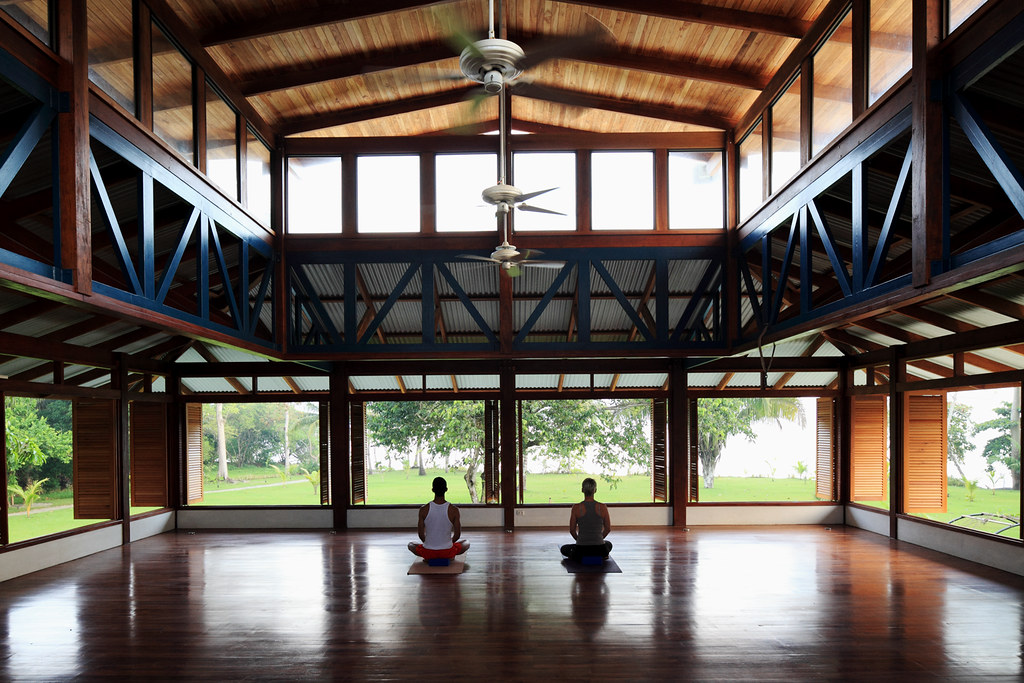
Upon graduating from an accredited yoga school, you can register through the governing body to receive RYT certification and bolster your yoga business.
What Qualifications Are Needed for Yoga Instructor Certification?
To become a certified yoga instructor, you must complete a Yoga Alliance–registered training program, most commonly a 200 hour YTT. There are no formal prerequisites beyond the program’s requirements, but a consistent yoga practice and readiness for intensive study are strongly recommended.
Yoga Alliance certification pathway from 200-hour training to RYT 500
What is a 200 hour yoga teacher training?
Just a few of the benefits of Blue Osa’s 200-hour yoga teacher training include:
• A foundational immersion designed for students seeking a comprehensive understanding of yoga, anatomy, and teaching methodology
• Grounded study Applied Yoga Anatomy and Muscle Activation™, and personalized feedback in a small-group setting
• A gorgeous immersion environment with beachfront accommodation in Costa Rica, ideal for those deepening their practice, preparing to teach, or building a strong, sustainable foundation
What is a 300 hour yoga teacher training?
At Blue Osa Yoga Retreat + Spa, here’s what you can expect from a 300-hour YTT:
• An advanced training for students who have completed a 200 hour yoga certification and want to refine their skills and understanding
• Expands on anatomy, teaching application, and therapeutic approaches through deeper study and practice
• Designed for teachers and dedicated practitioners seeking advanced training, mentorship, and greater confidence in real-world teaching
Completing a Yoga Alliance–registered program allows you to register as an RYT, which many studios require before hiring teachers. You can learn more about how to become a yoga teacher and trainer here.
Step 2: Clarify Why You Want to Get Certified to Teach Yoga
Before looking at yoga styles, formats, or locations, take time to get clear on your reason for pursuing certification.
Some people enroll because they want to teach publicly. Others want to understand alignment and biomechanics more deeply. Some are recovering from injury or chronic pain and want tools to support their own practice. Others feel ready for a period of focused self-study and reflection.
All of these reasons are valid.
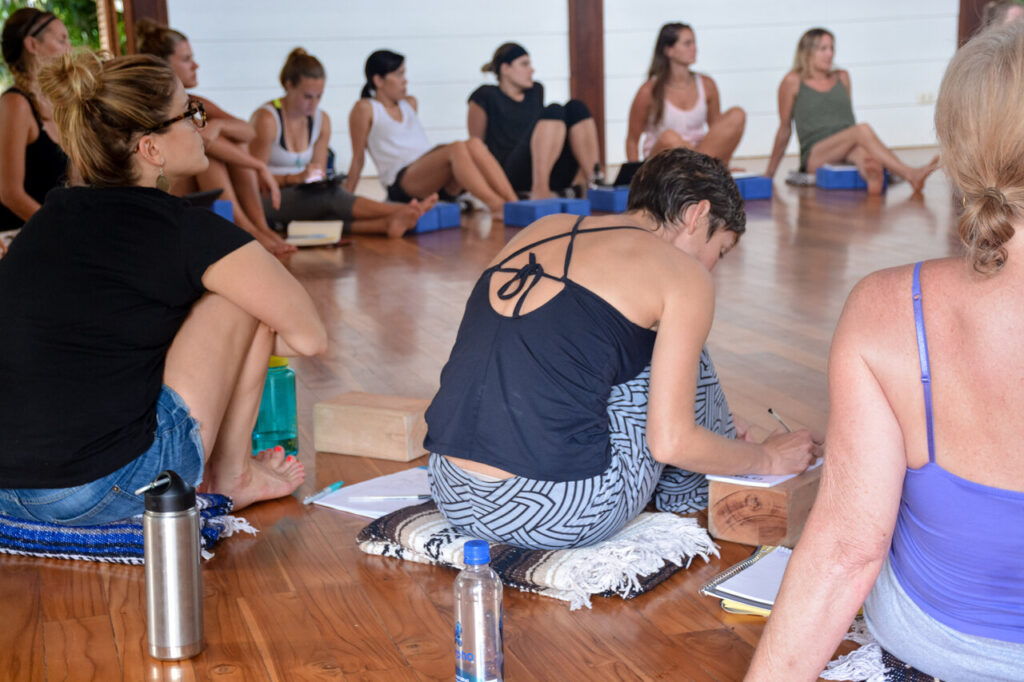
Yoga programs work best when the scope of the program matches your intention. If your goal is personal growth and embodied understanding, the experience you need may look very different from someone focused on building a teaching career right away.
This clarity will guide every step that follows.
Step 3: Learn How Yoga Certification Hours Are Completed
To get yoga certified, you must complete the required number of learning hours. How those hours are delivered varies widely, and the format shapes the experience more than most people expect.
Comparison of yoga teacher training formats: immersive, weekend, and online programs
Immersive
14 – 28 days
Weekend / Part-time
3 – 6 months
Online
Flexible
Weekend and Extended Programs
Some yoga studios offer part-time programs spread out over several months. These formats allow students to continue working or caring for family while completing their YTT gradually.
This option can work well if you need flexibility, but it requires sustained focus over a longer period and can be harder to fully immerse yourself in the material.
Online YTT
Online certification programs offer even more flexibility and accessibility. Many are Yoga Alliance–approved and include live components, recorded lectures, and practice teaching.
Before choosing an online format, it’s important to understand how much live interaction is included, how feedback is delivered, and whether you’ll have opportunities to practice teaching and receive real-time guidance.
Immersion-Style Programs
Immersion programs condense yoga learning hours into a focused period, often two to four weeks. During that time, your primary responsibility is learning, practicing, and integrating what you study.
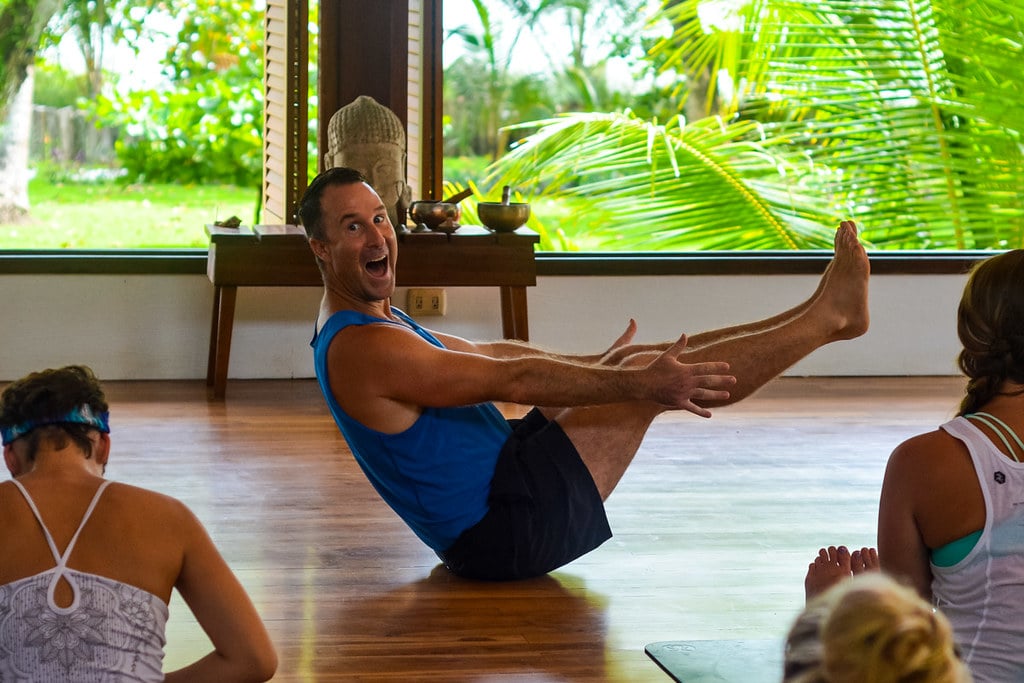
At Blue Osa, immersion training takes place on the Osa Peninsula in Costa Rica — a remote beachfront setting where students live, eat, practice, and study together, allowing learning to deepen continuously rather than in weekly fragments.
Conversations about alignment, teaching, and philosophy naturally extend into meals and downtime. This continuity supports deeper integration than fragmented, once-a-week formats.
For students who want immersion but cannot step away for a full month, 14-day intensive programs offer a condensed timeline while preserving depth.
Extra tip: Always ask how many students will be participating in each yoga teacher training program. Ideally, there shouldn’t be more than 20-25 students to ensure quality one-on-one instruction and an environment that fosters community.
Step 4: Understand the Role of Yoga Lineage in the Yoga Training
Are you already an avid student of a specific yoga style, like Ashtanga or Yin yoga? Or, like most students, are you yet to nail down which yoga style suits your needs and interests?
Yoga teacher programs are influenced by different lineages and philosophies. Some focus on a single style, such as Ashtanga, Yin, or Bikram. Others integrate multiple traditions.
Before enrolling, it helps to understand how rigid or flexible the approach is.
Every style of yoga might not resonate with you and your goals. So, if you’re wondering how to get yoga certified, do your research and take plenty of classes to ensure a good fit before investing your hard-earned money in what should be a life-changing experience.
Some students thrive in highly structured systems with precise sequences. Others benefit from learning principles that can be adapted to different bodies and contexts.
Blue Osa Yoga Retreat + Spa draws from the Himalayan Tradition of Yoga and integrates teachings from Hatha, Iyengar, Vinyasa, and Kundalini. The emphasis is on function over form, meaning poses are taught based on how they work in the body rather than how they appear.
Yogi Aaron’s signature methodology, AYAMA, is a ground-breaking and foundational element of Blue Osa’s YTT programs.
Step 5: Learn Who Will Be Teaching You and Your Instructor Today Matters
The instructor leading your course has a direct impact on how you experience certification. You’re not just learning information. You’re learning how yoga is communicated, adapted, and embodied.
We also believe that inclusion in yoga matters too. The words we use have the power to harm or heal — and the best yoga teachers know how to be intentional with their words to create a safe, healing atmosphere.
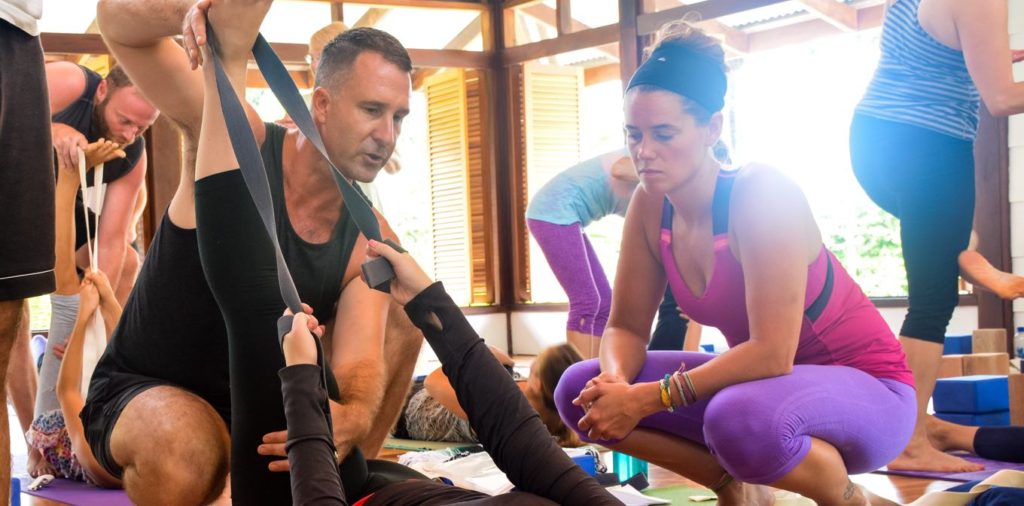
The beauty of yoga is that each instructor brings a unique life experience, training, and perspective to the practice. Just as you’ll resonate with different yoga styles more than others, so too will you find yoga teachers with whom you “click.”
You’re going to spend a lot of time with your lead yoga instructors, so before ending your search on how to get yoga certified, take a few classes or familiarize yourself with their teachings before the yoga certification.
At Blue Osa, the lead facilitator is Yogi Aaron, whose approach is shaped by more than 30 years of study and hands-on teaching experience.
Yogi Aaron’s work developed through years of observing how real bodies respond to yoga, particularly students dealing with injury, chronic tension, or frustration from being told they were “tight” or “doing it wrong.” That experience led to the creation of Applied Yoga Anatomy and Muscle Activation™, a methodology grounded in the principle that stability creates mobility.
Rather than pushing deeper into stretches, students learn how intelligent muscle activation supports joints, improves alignment, and reduces strain.
Yogi Aaron’s YouTube channel includes a wide range of classes and Applied Yoga Anatomy content — worth exploring before you commit to a program.
Once you’ve found a yoga teacher you connect with, here are a few questions you can ask to further learn about your instructor:
- How long have you been teaching yoga?
- What are your credentials?
- What is your yoga philosophy?
- Which style of yoga do you teach?
- Who were your yoga teachers?
- How long has your yoga school been training students? Do they have testimonials?
Step 6: Review the Curriculum to Become a Certified Yoga Teacher
Every Yoga Alliance–registered program must cover certain core areas. The difference lies in how deeply those areas are explored.
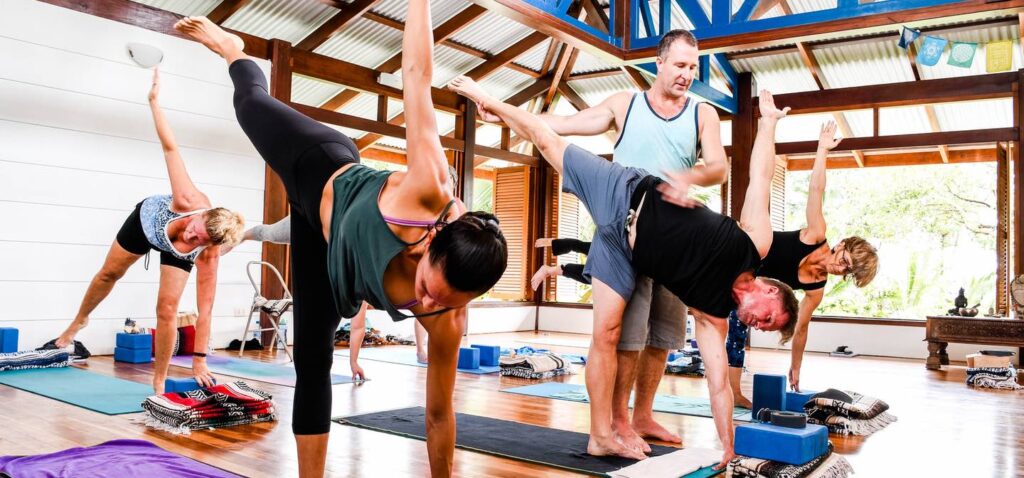
A comprehensive curriculum typically includes:
• techniques and practice
• anatomy and physiology
• yoga philosophy
• teaching methodology and practicum
• ethical and professional foundations
Anatomy is often the most overlooked component in a registered yoga school, yet it’s one of the most important. Instructing yoga safely requires understanding how bodies move, where limitations arise, and how to adapt responsibly.
At Blue Osa, you’ll learn about human physical anatomy and physiology (bodily systems, organs, etc.) and energy anatomy and physiology (chakras, nadis, etc.)
You’ll also receive training in Yogi Aaron’s signature Applied Yoga Anatomy and Muscle Activation™.
Step 7: Complete Your YTT and Register Your Certification to Teach Yoga Classes
Once you complete your course and meet the program’s requirements, you’ll receive a certificate of completion. From there, you can register with Yoga Alliance as an RYT if you choose.
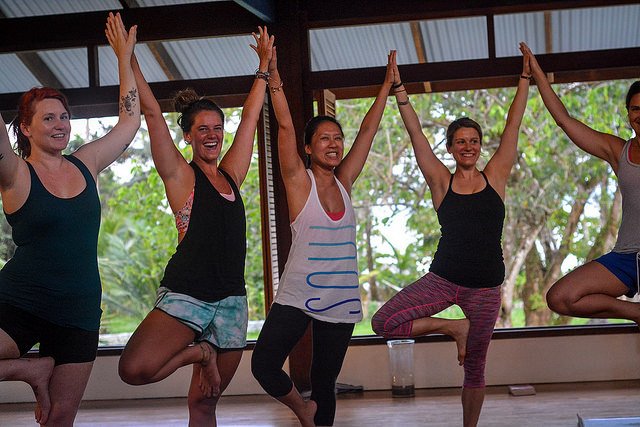
Registration allows studios and students to verify your credentials and gives you access to continuing education opportunities.
Some graduates begin teaching right away. Others continue studying, practicing, or integrating what they’ve learned into their lives without stepping into a public teaching role. Both outcomes are valid.
Step 8: Understand What Comes After Certification (Your Yoga Career)
Yoga certification is a beginning, not a finish line.
Graduates of Blue Osa’s yoga teacher training go on to use their certification in different ways.
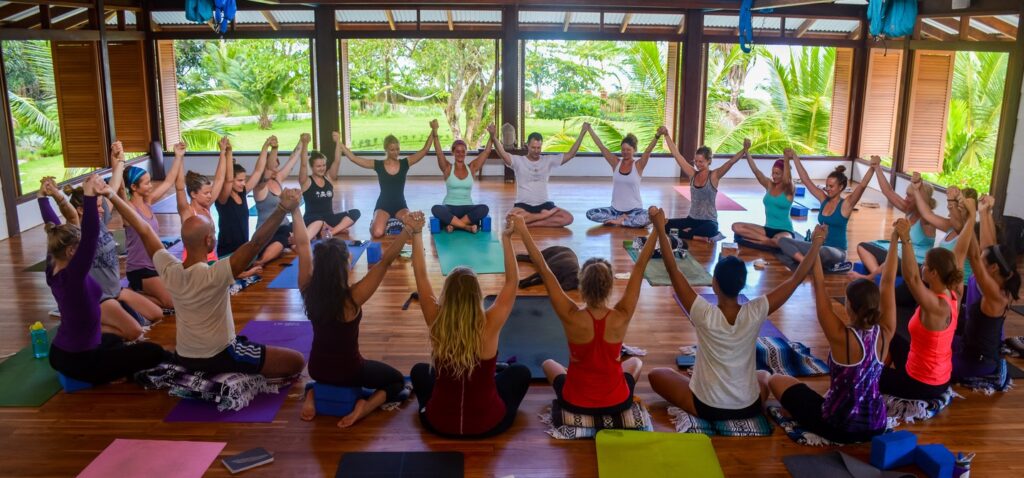
Some teach yoga in studios or retreat settings. Others integrate their yoga lessons into private sessions, movement-based professions, or personal practice. Many report increased confidence working with injuries, clearer cueing, and a stronger understanding of why poses work rather than simply how to perform them.
Explore Training Options
At Blue Osa, yoga teacher training is designed as an immersive, small-group experience rooted in anatomy, functional movement, and practical application.
Learn How to Get Yoga Certified at Blue Osa Yoga Retreat + Spa
Blue Osa Yoga Retreat & Spa has been leading yoga teacher trainings in Costa Rica for over a decade, long before immersive programs became widely popular. Our 200 hour and 300 hour yoga teacher training programs are registered with Yoga Alliance, but the experience itself is shaped by how and where the immersion takes place.
Students learn immersed in the gorgeous jungle of Costa Rica, just steps from the beach. Classes, lectures, meals, rest, and reflection all happen within the same container, allowing learning to build day after day without interruption.
Learn more about Yogi Aaron or read testimonials from our many students who have completed their yoga training at Blue Osa.
Applied Yoga Anatomy and Muscle Activation™ in Practice
Applied Yoga Anatomy and Muscle Activation™ is not an add-on within the curriculum. It is the framework through which anatomy is taught throughout.
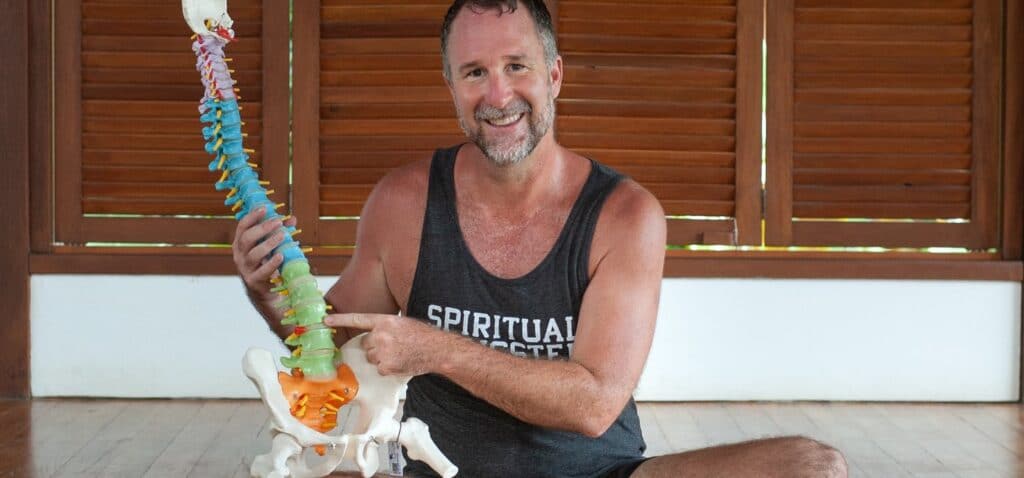
Students learn how muscle engagement affects joint stability, posture, and long-term joint health. Instead of relying on passive flexibility, the focus is on strength, awareness, and coordination. This approach is especially relevant for students who have experienced pain in traditional yoga settings or plan to work with diverse populations.
AYAMA™ principles are applied directly to common yoga postures, hands-on adjustments, and verbal cueing. The goal is not to create uniform shapes, but to help each body find function, integrity, and ease.
Many students report that this is the first time anatomy felt usable rather than abstract, with knowledge that translates immediately into practice and teaching.
Frequently Asked Questions About How to Get Yoga Certified
Do I need to teach after getting certified or is interest in yoga enough?
Many people pursue certification for other benefits of yoga like personal growth, deeper understanding, or injury-informed practice without teaching publicly or sharing yoga with others.
How long should you practice yoga before getting a teacher training?
There is no universal timeline, but most students benefit from having a consistent personal practice and a clear curiosity about yoga beyond the physical poses.
At Blue Osa Yoga Retreat + Spa, students arrive with a wide range of experience, and readiness is defined more by intention and openness to learning than by a specific number of years.

Is Yoga Alliance certification required to be a yoga teacher?
Legally, no. Many studios, however, require or prefer Yoga Alliance registration as a baseline credential for working as a yoga instructor and yoga teaching.
What’s the difference between 200-hour yoga teacher training and 300-hour certification?
A 200 hour training is the foundational certification. A 300-hour training builds on that foundation and is typically completed after a 200 hour program. Together, your 200 and 300 hour trainings qualify for a 500-hour certification course.
Can I get yoga certified online?
Yes, you can learn online yoga, as long as the program is recognized by Yoga Alliance. Program quality varies based on interaction, feedback, and practice teaching, so ensure you learn how to teach in an online training that empowers your yoga education, yoga philosophy and anatomy, and yoga history.
How long does it take to get yoga certified?
Certification can take anywhere from two weeks in an immersion format to several months in part-time or online programs. If you want to learn to become an instructor, find a course that fits your unique schedule while still supporting the practice and understanding of yoga.
Feeling confident and prepared to teach comes from the depth of learning and continued practice beyond certification as students immerse themselves in yoga.
How much does yoga teacher training cost and are there payment plans available?
Yoga teacher training costs vary widely depending on the format, location, and length of the program, with most ranging from a few thousand dollars to higher-priced immersive experiences that include lodging and meals.
Many programs, including Blue Osa, offer payment plans to make the course more accessible, and options vary by program and length, so it’s best to review the details before enrolling.
Can a personal trainer teach yoga?
Personal training certifications do not qualify someone to teach the specifics of yoga unless they have completed a recognized yoga teacher training. Guiding yoga safely requires specific education in yogic philosophy and teaching methodology that goes beyond general fitness and supports transformative knowledge of yoga techniques.
How long do the different types of yoga certifications take to get?
If you want to become a yoga teacher, a 200-hour yoga certification can be completed in as little as two weeks in an immersion format or spread over several months in part-time or online programs.
Advanced certifications, such as 300-hour trainings, require additional time and are typically completed after a foundational 200-hour program.
How do you choose a good yoga training program?
- Aligns with your goals, whether you’re interested in teaching, deepening your practice, or both
- Offers a well-rounded curriculum led by experienced teachers with a clear teaching philosophy
- Supports aspiring yoga students who want to teach asanas, yoga to children, or simply understand the healing power of yoga and its real-life benefits
- Takes a thoughtful approach to biomechanics of movement, practical application, and real-world teaching, not just the minimum requirements to become certified
Final Thoughts on How to Get Yoga Certified
Getting yoga certified is a process — and like any meaningful process, the outcome depends largely on where and how you do it.
The steps are clear: understand what certification means, choose a program that matches your intention, complete your hours, and register your credential. What makes the difference is the depth of what happens inside those steps.
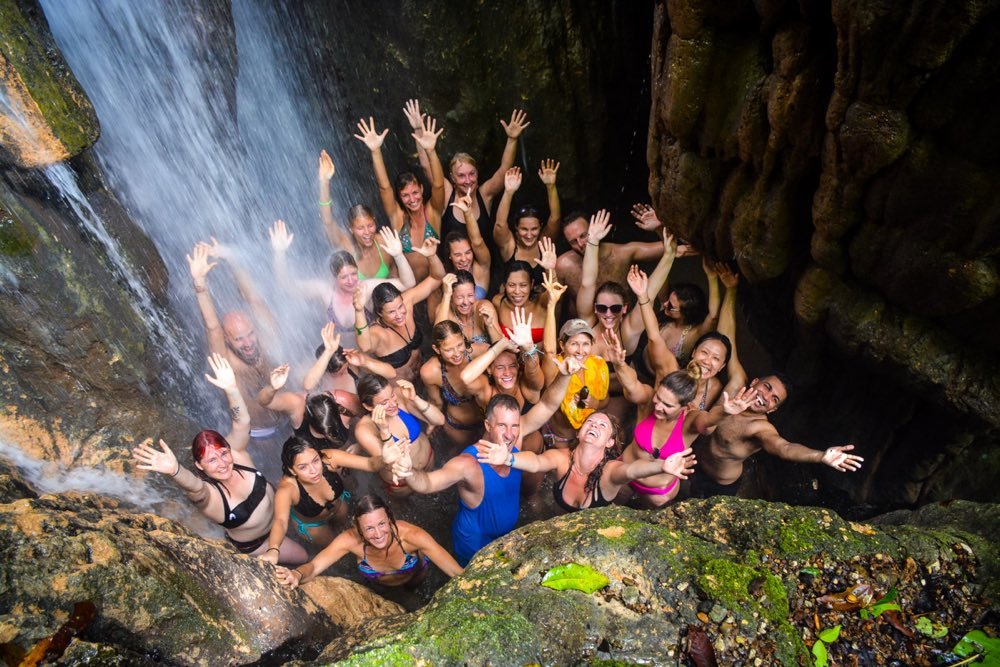
The right training doesn’t just give you a certificate. It changes how you understand your body, your practice, and your ability to help others.
At Blue Osa on the Osa Peninsula in Costa Rica, that depth comes from Applied Yoga Anatomy and Muscle Activation™ — Yogi Aaron’s methodology that makes anatomy immediately usable rather than abstract, and prepares you to teach with genuine confidence from day one.
Whether you’re starting with our 14-day 200-hour immersion or building toward your 300-hour advanced certification, the next step is the same.
About The Author, Yogi Aaron
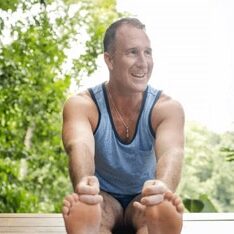
Yogi Aaron is the founder and creator of Applied Yoga Anatomy + Muscle Activation™ (AYAMA), a revolutionary methodology that challenges conventional approaches to yoga. Using a science-backed approach, he prioritizes muscle activation over traditional stretching.
With over three decades of dedicated study, mentorship, and hands-on experience, he has established himself as a leading expert in yoga therapy, alignment, and pain-free movement.
As owner and operator of Blue Osa Yoga Retreat + Spa in Costa Rica, Yogi Aaron leads transformative programs that combine his expertise in yoga instruction, retreat facilitation, and wellness business operations. His work spans both in-person immersive experiences and digital education through The Yogi Club online platform and the AYAMA™ Certification Program.
Yogi Aaron’s teaching methodology represents a paradigm shift in modern yoga practice. AYAMA focuses on activating and engaging muscles to enhance range of motion, build strength, improve stability, and optimize alignment—while reducing pain and injury risk. This evidence-based approach has positioned him as a thought leader challenging the status quo in the yoga community.
His mission extends beyond the mat: to liberate individuals from chronic pain and guide them toward discovering yoga’s authentic purpose through intelligent, body-informed practice.
Learn more about training opportunities with Yogi Aaron at Blue Osa Yoga Retreat + Spa.
Read More about Applied Yoga Anatomy + Muscle Activation

Tags: yoga teacher training
Book/Inquire Now
Got pain? This will help you!

YOU DESERVE TO LIVE PAIN-FREE...
Receive 7 short, simple, and effective practices to alleviate knee, hip, low back, neck, shoulder pain, and more!
All you need is 5 minutes per lesson and it's FREE!
This revolutionary approach to yoga is new, and no one else is teaching this! Since I created Applied Yoga Anatomy + Muscle Activation™ and started teaching it consistently, I've witnessed students heal long-standing injuries, access yoga postures they never thought possible, and tell me over and over again how their body just feels better.
I hope you'll join me on this journey!
~Yogi Aaron
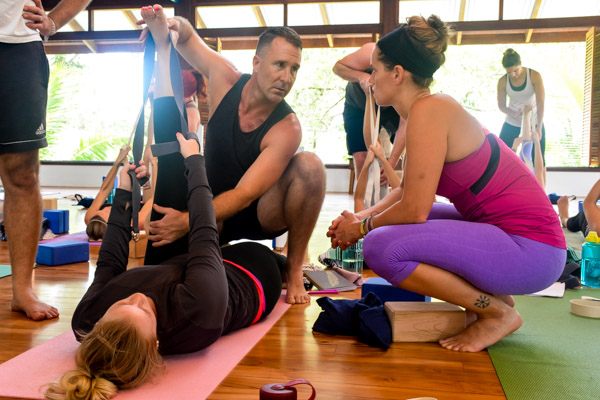
Is Yoga Teacher Training Right For Me?
We Created This FREE 5 Part Series So You Can Get All The Information To Make The Right Choice.
In this series, you will learn:
-
- Am I a candidate for yoga teacher training??
-
- What will I learn in a YTT?
-
- Do I need to have a perfect downward dog to attend YTT?
14-Day 200-Hour Yoga Teacher Training in Costa Rica
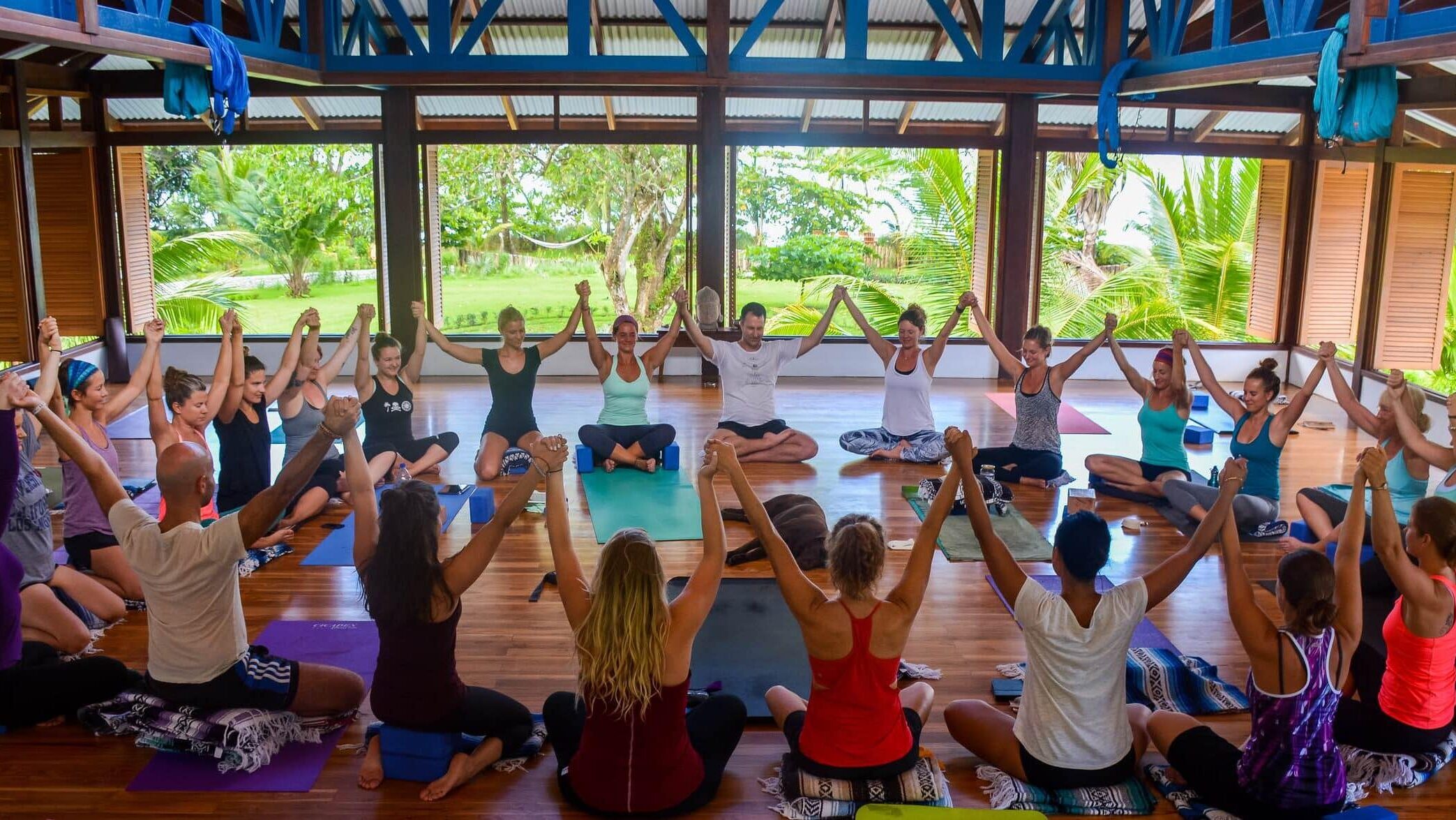
If you are looking for a 14-day 200 hour Yoga Teacher Training Costa Rica Immersion, you have landed in the right place. Join the next one!
300-Hour, 28-Day Yoga Teacher Training
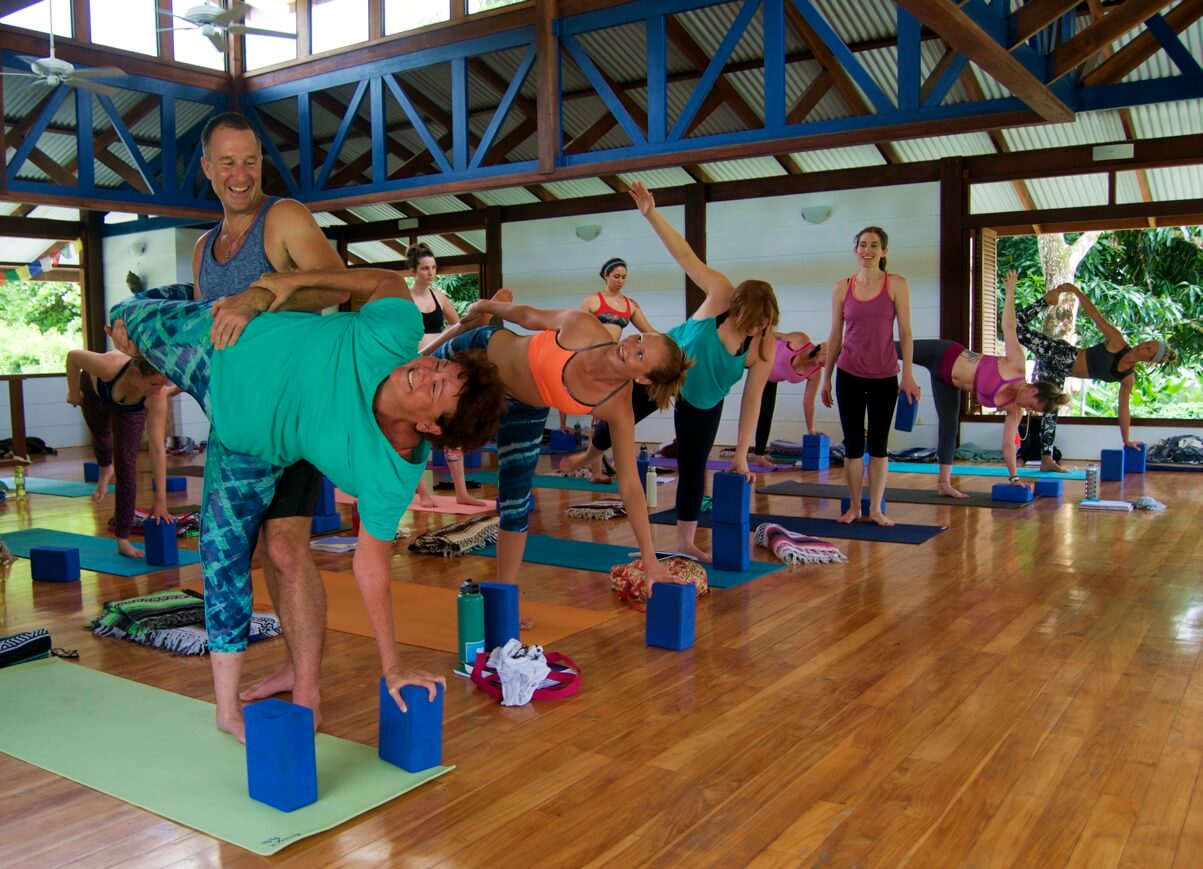
Do You Feel Called To Something Greater?
This 300-Hour Yoga Teacher Training immersion training at Blue Osa will immerse you in yoga for one month.
You will have the specific transformational skills and yogic practices you need in order to connect with your higher purpose.
And more! You will be able to offer these transformative skills to others!
