

There’s a particular kind of restlessness that comes after years of yoga practice.
You’re not a beginner anymore. You know the poses. You’ve built a practice that genuinely helps — on the hard days especially. But somewhere between the morning flows and the evening wind-downs, a question has started to surface more often than you’d like: Is this it? Or is there something more?
Maybe you’ve started looking at yoga teacher trainings. Maybe Costa Rica keeps appearing in your late-night searches — a beachfront shala, jungle views, two weeks completely away from your regular life. You close the tab. You open it again. You wonder if people like you actually do things like that.
And then the quieter voice arrives right on cue: Am I advanced enough for that? What if everyone else is more experienced? What if I’m not ready?
Here’s what that voice gets wrong: yoga doesn’t transform the people who have the most perfect practice. It transforms the people who show up — especially when they feel uncertain.
This article is about how yoga transforms your life — not in a vague, feel-good sense, but in the specific, measurable ways that practitioners notice after consistent time on the mat, and that deepen dramatically inside an immersive environment.
We’ll cover what happens to your body, your nervous system, your daily habits, and your sense of self. We’ll look at why slowing down is the most counterintuitive and powerful move you can make. And we’ll look honestly at why some people experience a decade’s worth of transformation in fourteen days — and what that kind of environment actually looks like.
Whether you’ve been quietly considering your first yoga retreat, wondering if a teacher training is something you could actually do, or planning a trip to Costa Rica with your partner and looking for an experience that means something — this is for you.
If you’ve been practicing yoga and feeling like something bigger is possible, you’re probably right.
How Yoga Changes the Way You Experience Your Body
Most people come to yoga for physical reasons — flexibility, strength, a bad back, a recommendation from a friend. What surprises them is how quickly the physical practice becomes something else entirely.
Yoga changes your relationship with your body before it changes your body itself. You stop evaluating it from the outside and start listening to it from the inside. That shift — from performing movement to feeling movement — is where transformation actually begins. Understanding yoga anatomy deepens this further, giving you the language to understand what your body is actually communicating.
Movement Becomes Intentional, Not Automatic
In a regular yoga practice, you learn to notice things most people never notice: where you hold tension when you’re anxious, how your breath shortens before you even register stress, which side of your body you favor and why.

This body awareness carries off the mat. Practitioners consistently report:
- Catching and releasing tension before it becomes pain
- Breathing differently in difficult conversations
- Sleeping more deeply within weeks of consistent practice
- Making instinctive changes to posture, movement, and daily habits
These aren’t dramatic revelations. They’re small recalibrations that accumulate into a fundamentally different way of inhabiting your body.
Why Slowing Down Is the Most Powerful Thing You Can Do
Here is the most counterintuitive thing yoga teaches: when things feel overwhelming, the answer is not to speed up.
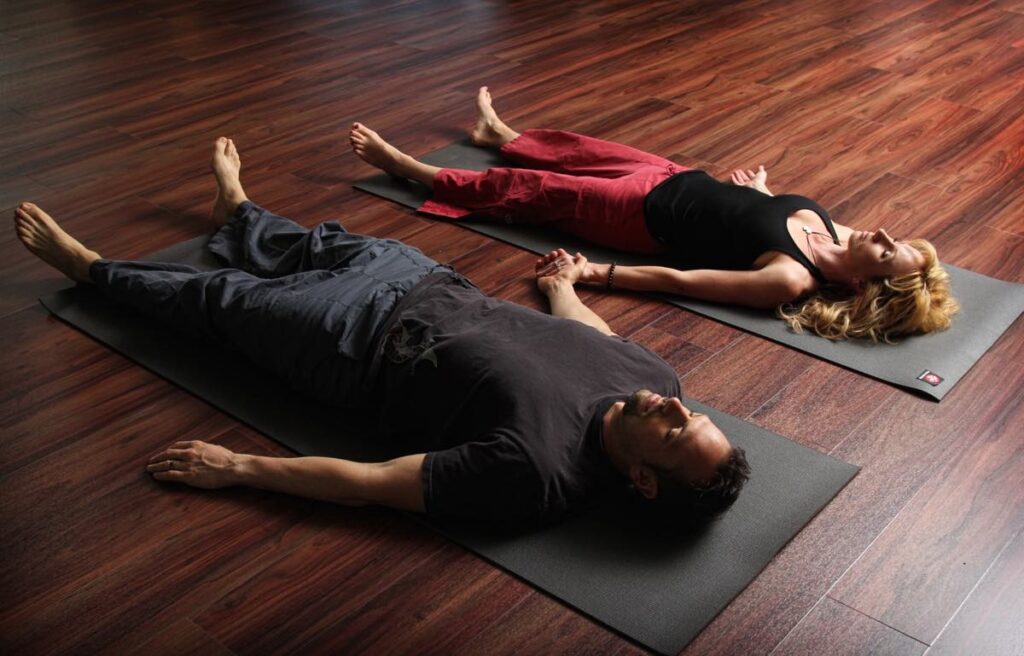
The bear knew this.
A woman once survived a bear attack not by fighting or running, but by going completely silent and limp. The bear dragged her deeper into the forest. And then — dropped her and walked away. She was not unharmed. But she was alive.
Yoga teaches the same principle, practiced in far less dramatic circumstances. When the mind accelerates into anxiety, problem-solving, and resistance, the body follows. When you slow the breath, the nervous system follows. Slow breathing activates the parasympathetic nervous system — the body’s rest and digest response — directly counteracting the stress cascade that most of us live inside without realizing it.
This is not passive. It is one of the most disciplined things a person can learn to do.
How Yoga Rewires Your Mind and Stress Response
Understanding how yoga transforms your life starts not with the poses, but with what the practice does to your nervous system.
Yoga is not therapy. But it does something therapy often cannot: it gives the body a direct experience of calm rather than just a conceptual understanding of it. The benefits of meditation alone — which form a core part of any serious yoga practice — include measurable reductions in cortisol, improved emotional regulation, and increased grey matter density in the prefrontal cortex.
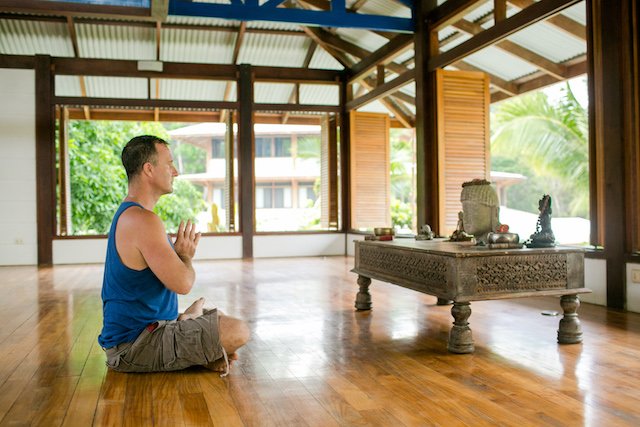
Over time, that experience rewires the stress response. The things that used to send you to bed with a racing heart — a difficult email, a hard conversation, an uncertain outcome — begin to land differently.
The Counter-Intuitive Response That Changes Everything
The natural response to stress is contraction. We tighten, speed up, try to control the outcome. This works occasionally and exhausts us consistently.
What yoga practice trains is the opposite response: open, soften, breathe, observe. Not as a surrender to difficulty, but as a more effective way through it.
Students regularly describe arriving at a yoga teacher training anxious about what they’ll find — whether they’re advanced enough, whether they belong there — and discovering by day three that the anxiety itself has shifted. Not because the training isn’t challenging. Because the tools for navigating challenge have changed.
Changing Your Thoughts Changes Your Reality
One of yoga’s oldest teachings is also one of its most practical: what you consistently direct your attention toward shapes your experience of the world.
This is not positive thinking in a shallow sense. It’s the recognition that the mind has a default setting — and that default can be changed through practice.
The shift looks like this in daily life:
- From I am overwhelmed → I have more capacity than I think
- From I am not ready → readiness comes through doing, not waiting
- From I am afraid → I am learning to move with uncertainty
None of this is instant. All of it is cumulative. And it accelerates significantly inside an immersive environment where the practice is continuous rather than occasional.
How Yoga Transforms Your Daily Life and Habits
The changes that yoga creates don’t stay on the mat. That’s the part most new practitioners don’t anticipate — and the part that experienced practitioners often describe as the most significant.
Clean Living Becomes Your New Default
When you practice yoga consistently, particularly inside an immersive environment, your body begins to crave inputs that support the practice. Sleep. Clean food. Water. Time outside.
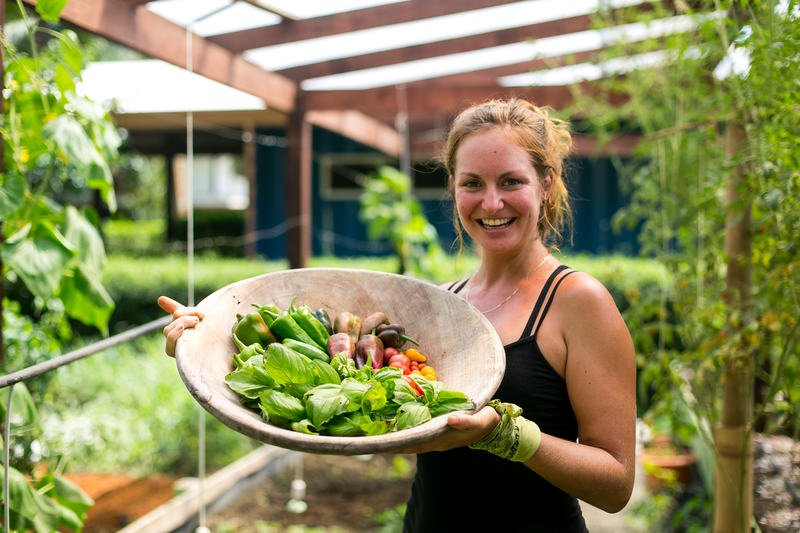
This isn’t discipline. It’s feedback. Your body starts communicating more clearly about what it needs and what it doesn’t — and the cleaner your inputs, the more clearly you hear it.
Students who spend two weeks at Blue Osa — waking before sunrise, practicing twice daily, eating farm-to-table meals prepared with their energy output in mind, sleeping without noise or screens — regularly return home and find their defaults have shifted without effort. Not because they white-knuckled a new routine. Because the body registered a better baseline and started defending it.
The Ripple Effect Beyond the Mat
This is how yoga transforms your life in the most literal sense — not by changing your circumstances, but by changing the person navigating them.

Practitioners describe changes across every domain:
- Relationships become less reactive and more considered
- Work decisions come from a clearer, less fear-driven place
- Creative blocks dissolve as the mind becomes less congested
- Physical health improves as the body’s stress load decreases
The mat is where the practice begins. The rest of your life is where it lands.
Why an Immersive Yoga Experience Accelerates Transformation
A weekly yoga class is valuable. An immersive yoga teacher training is something else entirely.

The difference is not the number of hours. It’s the continuity. In a weekly class, you practice for ninety minutes and then return to an environment that pulls in every other direction. Progress happens, but momentum doesn’t build.
What Changes When You Remove Everyday Distractions
Inside an immersive training, the environment itself becomes part of the practice. Every meal, every conversation, every hour of sleep is oriented toward the same thing. There is nowhere else to be and nothing competing for your attention.
This is not a vacation. The schedule is full and the work is real. If you want to understand what to expect, how to prepare for yoga teacher training is worth reading before you commit. But the accumulated effect of fourteen consecutive days inside that container produces a quality of change that most practitioners don’t experience in years of weekly classes.
The nervous system needs repetition and uninterrupted time to form new patterns. An immersion gives it both.
Why 14 Days Creates What Months of Weekly Classes Cannot
By day three of an immersive training, students stop visiting the practice. They start inhabiting it.
By day seven, the practice is no longer something they do. It’s something they are.
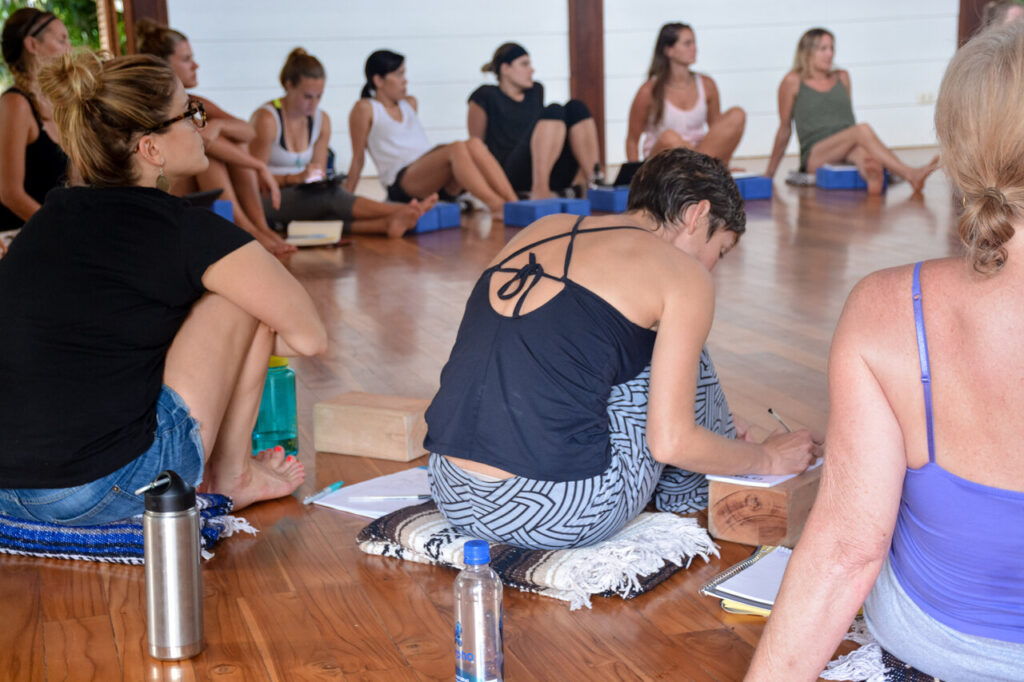
By day fourteen, they leave as someone whose relationship to movement, breath, and attention has been fundamentally reset — not temporarily, but in a way that holds when they go home.
This is the core value of an immersive yoga experience: not the certification, but the depth of integration that only continuous practice can produce.
Why Costa Rica Deepens the Yoga Transformation
Where you practice matters. Not because a beautiful location creates transformation on its own — it doesn’t — but because certain environments remove the friction that ordinary life creates.

The Environment Is Part of the Practice
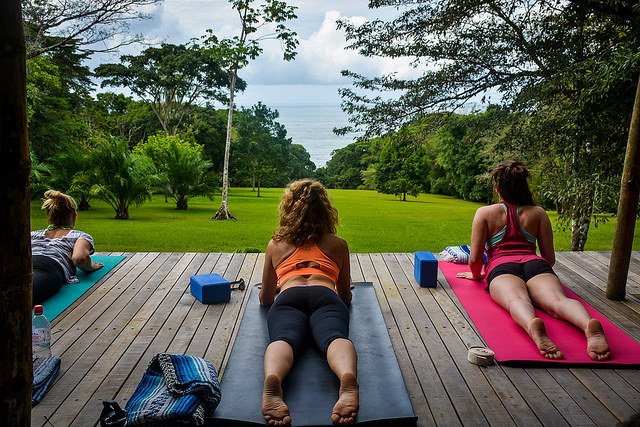
The Osa Peninsula is one of the most biodiverse regions on Earth. Practicing yoga in an open-air shala with the Pacific Ocean audible and primary rainforest visible is physiologically distinct from practicing in a heated studio between two office buildings.
The nervous system responds to environment. Natural sounds, fresh air, exposure to the rhythms of sunrise and tide — these are not decorative features of a yoga retreat in Costa Rica. They are active inputs into the same system that yoga is trying to regulate.
Research consistently shows that time in natural environments reduces cortisol, improves sleep quality, and enhances the kind of open attention that deep practice requires. Blue Osa is built inside that environment, on a private beach between jungle and ocean, specifically because the setting is inseparable from what the training produces.
What the Osa Peninsula Does That No Studio Can
The Osa Peninsula removes the sensory noise of modern life in a way that few places on Earth can match. No traffic. No notifications that reach you easily. No errands waiting. No social obligations pulling you out of the work.
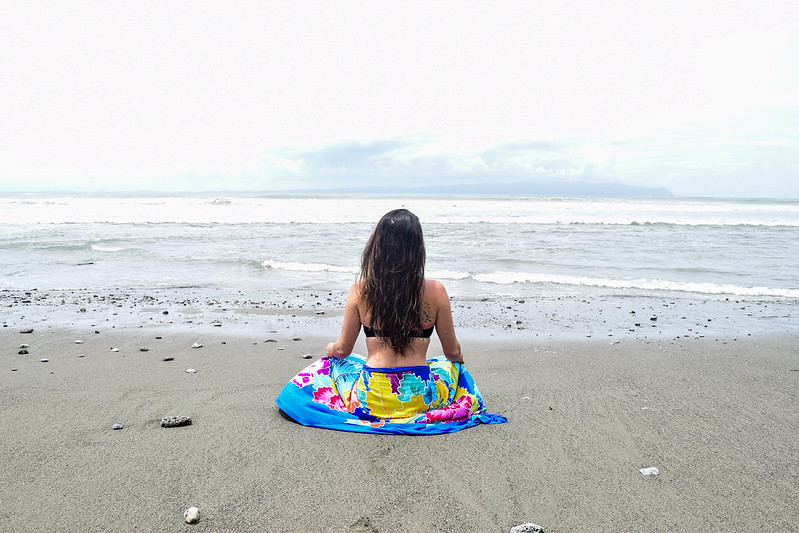
What remains is you, your practice, and a small group of people who chose to be there for exactly the same reason.
That shared context — strangers who become community inside two weeks of genuine challenge and genuine beauty — is one of the most consistently reported transformations that Blue Osa graduates describe. Not the poses they learned or the certification they earned. The people they became in that place.
Take the Next Step in Your Transformation
Yoga transforms your life gradually, then all at once.
The gradual part is the daily practice — the slow accumulation of body awareness, nervous system regulation, and mental clarity that builds over months and years.
The all at once part often happens inside an immersive experience: a training, a retreat, two weeks in a place where the practice is everything and the ordinary world recedes completely.
What Students Discover at Blue Osa
The most common thing students say at the end of a yoga teacher training at Blue Osa is not about the poses they mastered or the teaching hours they logged. It is a version of the same sentence, spoken in different words:
I didn’t know I was capable of this.
That discovery — that the person you are capable of becoming was already inside you, waiting for the right conditions — is what an immersive yoga experience in Costa Rica makes possible.
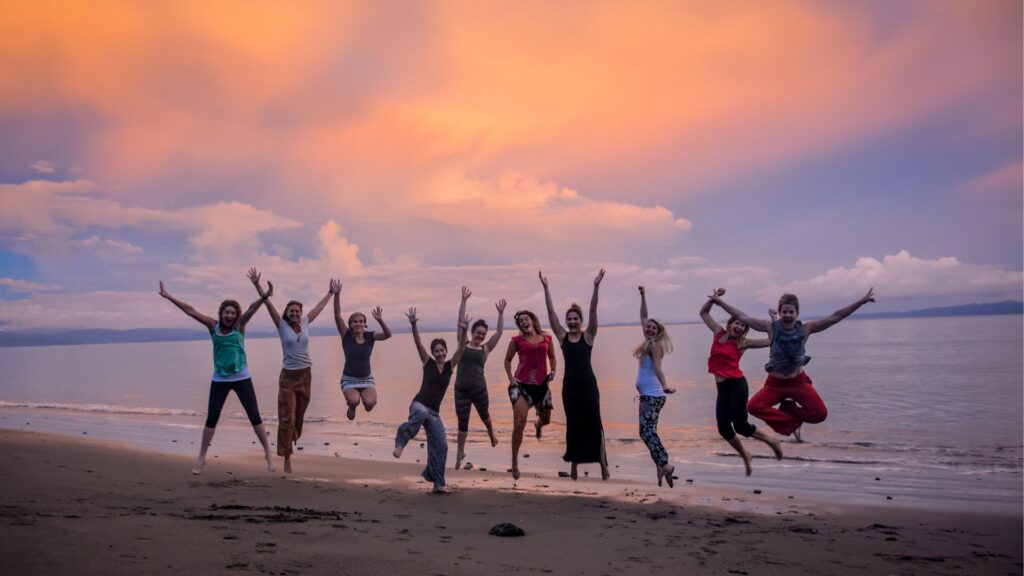
We offer both the 14-day 200-hour yoga teacher training for those beginning their teaching journey, and the 300-hour yoga teacher training for experienced teachers ready to go deeper. If you’re not sure which is right for you, we’re happy to help you figure that out.
If you’ve been practicing and feeling like something bigger is within reach, the next step is simpler than you think.
About The Author, Yogi Aaron
Yogi Aaron is the founder and creator of Applied Yoga Anatomy + Muscle Activation™ (AYAMA), a revolutionary methodology that challenges conventional approaches to yoga. Using a science-backed approach, he prioritizes muscle activation over traditional stretching.
With over three decades of dedicated study, mentorship, and hands-on experience, he has established himself as a leading expert in yoga therapy, alignment, and pain-free movement.
As owner and operator of Blue Osa Yoga Retreat + Spa in Costa Rica, Yogi Aaron leads transformative programs that combine his expertise in yoga instruction, retreat facilitation, and wellness business operations. His work spans both in-person immersive experiences and digital education through The Yogi Club online platform and the AYAMA™ Certification Program.
Yogi Aaron’s teaching methodology represents a paradigm shift in modern yoga practice. AYAMA focuses on activating and engaging muscles to enhance range of motion, build strength, improve stability, and optimize alignment—while reducing pain and injury risk. This evidence-based approach has positioned him as a thought leader challenging the status quo in the yoga community.
His mission extends beyond the mat: to liberate individuals from chronic pain and guide them toward discovering yoga’s authentic purpose through intelligent, body-informed practice.
Learn more about training opportunities with Yogi Aaron at Blue Osa Yoga Retreat + Spa.
Check out these other popular posts!

Tags: Spirituality, Yoga Philosophy, inspiration
Book/Inquire Now
Got pain? This will help you!

YOU DESERVE TO LIVE PAIN-FREE...
Receive 7 short, simple, and effective practices to alleviate knee, hip, low back, neck, shoulder pain, and more!
All you need is 5 minutes per lesson and it's FREE!
This revolutionary approach to yoga is new, and no one else is teaching this! Since I created Applied Yoga Anatomy + Muscle Activation™ and started teaching it consistently, I've witnessed students heal long-standing injuries, access yoga postures they never thought possible, and tell me over and over again how their body just feels better.
I hope you'll join me on this journey!
~Yogi Aaron
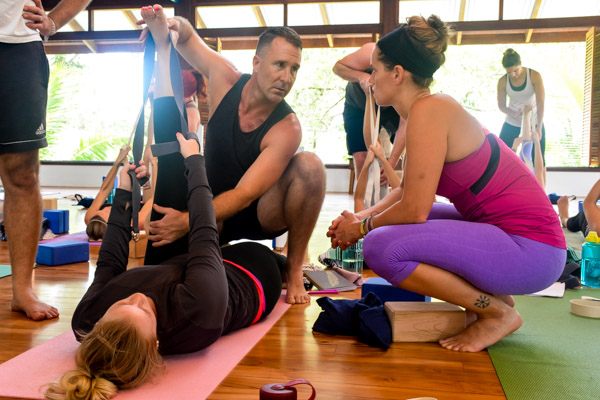
Is Yoga Teacher Training Right For Me?
We Created This FREE 5 Part Series So You Can Get All The Information To Make The Right Choice.
In this series, you will learn:
-
- Am I a candidate for yoga teacher training??
-
- What will I learn in a YTT?
-
- Do I need to have a perfect downward dog to attend YTT?
14-Day 200-Hour Yoga Teacher Training in Costa Rica
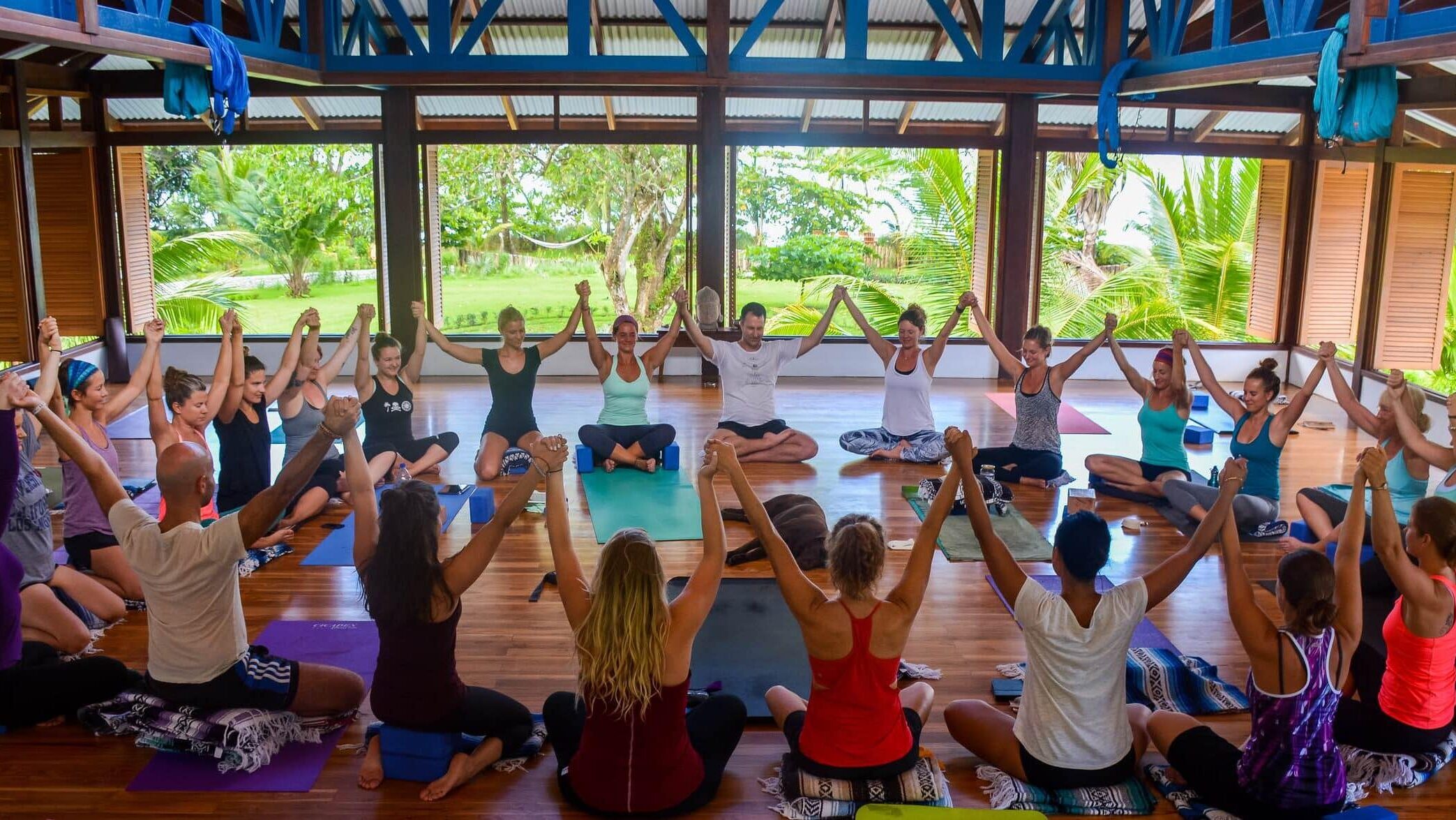
If you are looking for a 14-day 200 hour Yoga Teacher Training Costa Rica Immersion, you have landed in the right place. Join the next one!
300-Hour, 28-Day Yoga Teacher Training
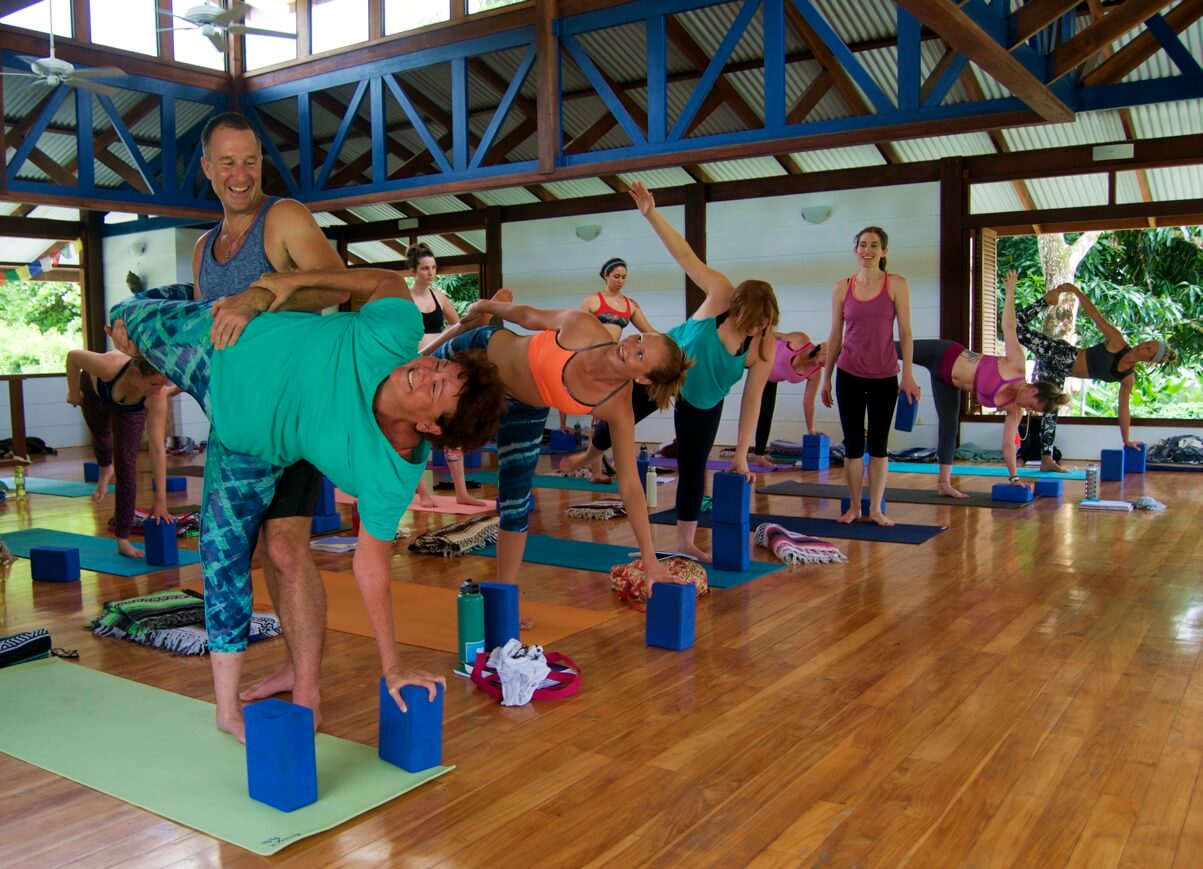
Do You Feel Called To Something Greater?
This 300-Hour Yoga Teacher Training immersion training at Blue Osa will immerse you in yoga for one month.
You will have the specific transformational skills and yogic practices you need in order to connect with your higher purpose.
And more! You will be able to offer these transformative skills to others!
