

“We can easily forgive a child who is afraid of the dark. The real tragedy of life is when men are afraid of the light.” — Plato
Fear is healthy when it comes as a signal of a threat, a necessary tool for our survival. Think prey animal chasing you. But now that we are at the top of the food chain, fear is no longer coming from something chasing us, it is hijacking our nervous system daily as we live in a constant state of stress and a conditioned scarcity mindset.

Traditional yoga practices and the rich history and philosophy teach how to live with more contentment, ease and even joy, more aligned with the sage wisdom of the past, teaching yoga for overcoming fear and personal transformation.
One piece of yoga philosophy introduces the five kleshas, or veils in which we see life and authentic yoga offers many tools through a multidimensional practice to combat the challenges that come to living as a human in unprecedented times when it feels like the whole world is on fire.

In this modern time we are living, yoga for personal transformation comes through many aspects of yogic philosophy, the five kleshas of yoga philosophy offer self reflection that makes modern life more manageable through a deeper understanding of self and how we meet our fear and personal challenges.
Sadly public hour-long classes more often than not focus primarily on physical exercise instead of personal transformation and a path of liberation, robbing students of the wisdom of yoga philosophy and the powerful tools beyond asana (poses) that have been known for overcoming fear and making human existence less stressful.
We were not born into a state of fear, it manifests when we first become aware of ourselves, of our own individuality, the impermanence of life, undeniable death and the way in which the dominant culture perpetuates a lack mentality conditioning us to produce and consume.
From an early age we are taught to conform to dominant cultures ideal of success, then spend most of our lives trying to get ahead, while drowning in debt and fear of inadequacy, trying to keep up with the masses. We value profit over people and things over experiences.
As we age, we learn from external sources that we are separate and thus adopt a scarcity mindset. Our delicate imaginations then invest in beliefs that aren’t real. We become victims of our own misperceptions and all the ways the ego classifies past experiences with an alarmist attitude, to keep us alive, not necessarily on a path to create a life we desire, where we can thrive.
When students are seeking yoga for personal transformation, they will likely need to look beyond what studios offer in a weekly class and take a themed workshop, go on a yoga retreat, or even take a teacher training even if they don’t intent to teach. A yoga teacher training program can be a great way to learn about the history and tradition of yoga for overcoming fear that arises within our individual lives.
In a time with so much instability around the world, it is imperative we understand just how much fear is driving our choices and how much power we actually have when we tap into yoga for personal transformation. Then all those scary “What If’s” won’t leave us stagnant or unwilling to push through our fear and we will work towards making our dreams a reality.
Yoga For Overcoming Fear: How the Ego Keeps Us Stuck
The ego evaluates the past, logging our painful events to take measures that will prevent them from happening again. Then projects those fears into the future with the internal narrative of how everything could go wrong. This is how the ego takes the driver’s seat while we go on auto-pilot, defaulting to familiar patterns because they feel safe, even when those patterns are destructive.
We struggle with addictions, stay in violent or mismatched relationships, repeat critical self-narratives of unworthiness and shame, simply because they’re comfortable and familiar. It is our duty and responsibility to grow and change, finding authentic yoga for personal transformation can make all the difference.

The five kleshas of yoga philosophy bring in concepts of self and how we see the world and our place in it. They help navigate the stress of living a modern life, learning how yoga for overcoming fear was written in the sacred texts and something well known by the yogis of the past.
The Five Kleshas: Yoga Philosophy’s Explanation of Fear
Yogic philosophy offers a surprisingly practical answer to why our fears prevent change through the five kleshas, or patterns of misperception, that create suffering. It begins with avidya, a misunderstanding of reality and our true nature. This ignorance feeds our ego (asmita), fuels our attachments (raga) and aversions (dvesha), and ultimately manifests in our fear of death and endings (abhinivesha). Our yoga practice helps us create the conditions to face them, understand them, and move beyond them. To feel the fear and do the thing anyway.
Avidya: Ignorance
In Yoga Philosophy avidya, or ignorance, is the fundamental misperception of reality that sits at the root of all suffering. It’s mistaking the temporary for permanent and the superficial for essential. In modern life, avidya appears when we completely identify with our job title, making unemployment feel like losing ourselves entirely.

It shows up when we chase material possessions expecting lasting happiness, believe our anxious thoughts are absolute truth, or confuse our social media persona with our authentic self. We mistake our worth as dependent on external validation, live as though we have infinite time, and remain trapped in surface-level existence, unable to see the deeper, unchanging essence beneath our constantly shifting circumstances and emotions, the true nature of the Atman (Soul).
Amsita: Ego-ism
Asmita is the identification with the ego or false self; the I, me, mine that we mistake for our true nature. It’s the voice that says I am my accomplishments, I am my body, or I am my reputation. In modern life, asmita appears when we take criticism as a personal attack rather than feedback, when we compare ourselves constantly to others, or when we can’t admit mistakes because it threatens our self-image, or when we define ourselves entirely by our roles as to another.
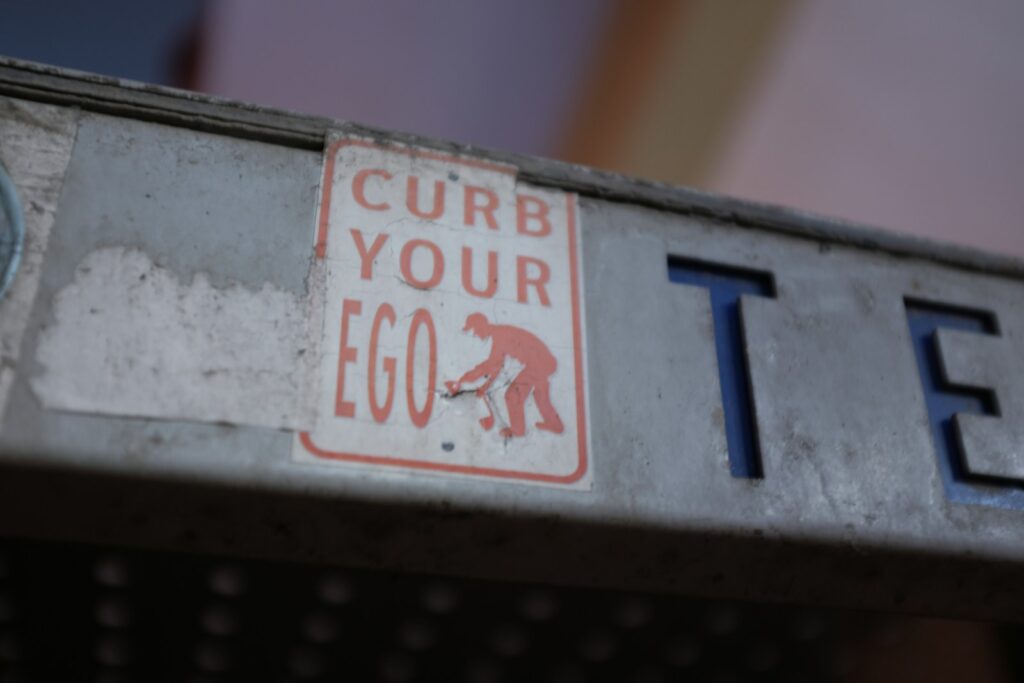
It’s when we need to be right in arguments, the inability to ask for help because it feels like weakness, or the exhausting effort to maintain a curated image of perfection. Asmita keeps us defended, separate, and unable to connect authentically with others or ourselves.
Raga: Attachment
Raga is the clinging to pleasure, positive experiences, and anything that feels good. It’s the craving for more of what we like. In modern life, raga manifests as constantly checking our phones for the dopamine hit, binge-watching shows to recreate the pleasure of the first episode, or staying in relationships past their expiration because we’re attached to how things used to be.

It appears when we can’t let go of our youth, obsessively pursuing the “high” of new purchases, or chase the feeling of falling in love rather than building lasting intimacy. Raga keeps us trapped in a cycle of temporary satisfaction followed by craving, unable to find contentment in the present moment, or be grateful for what we already have.
Dvesha: Aversion
Dvesha is the flip side of attachment, it is the pushing away of pain, discomfort, or anything unpleasant. In modern life, dvesha shows up when we numb difficult emotions with food, alcohol and drugs, or endless scrolling, rather than feel unfavorable emotions. It appears in our avoidance of hard conversations, procrastination on challenging tasks, and the immediate reach for distractions when boredom or anxiety arise.

Dvesha manifests as the impulse to change the channel during upsetting news, the resistance to sitting in silence with our thoughts, and the elaborate ways we avoid facing our fears. This constant pushing away of discomfort paradoxically keeps us stuck in suffering. What we resist will only persist, pushing away painful emotions only amplifies it.
Abhinivesha: Fear of Death/Clinging to Life
Abhinivesha is the primal fear of death and the instinctive clinging to existence, it is the deepest, most universal klesha that underlies much of our worry. In modern life, it manifests not just as fear of physical death but as resistance to any ending, or a loss of control.

It appears when we avoid risks that could lead to growth because they feel like small deaths of our current self, when we overprotect our children by controlling their environment to keep them safe, and in the existential dread felt in moments of void. Abhinivesha keeps us playing small, living defensively, and unable to embrace the impermanent nature of existence.
The Five Kleshas of Yoga Philosophy in Modern Life: Yoga For Personal Transformation
The Five Kleshas aren’t just ancient philosophical concepts, they’re a precise diagnostic tool for understanding exactly where fear holds you back and how to break free. When you recognize avidya (ignorance) as the root misperception that you are separate, temporary, and defined by external circumstances, you begin to see through the illusion.
When you identify asmita (ego) as the false self that needs constant validation and protection, you can start to release its grip. By understanding raga (attachment) and dvesha (aversion) as the push-pull patterns that keep you trapped in cycles of craving and avoidance, you gain the power to choose presence over reactivity.
And when you face abhinivesha (fear of death and endings) not as something to conquer but as the primal resistance to all change, you unlock the courage to take necessary risks and step into your purpose.
Yoga’s genius lies in this framework: rather than telling you to “just get over your fears,” it shows you precisely how fear operates through these five afflictions, then gives you the practices; asana, meditation, and pranayama, to systematically dismantle them.
This is the yoga of personal transformation: not denying fear, but understanding its mechanics so completely that it loses its power to control your life and gives you the confidence to leap into the unknown with more faith in yourself, your skills and abilities and trust in the universal flow that is greater than ourselves.
How Yoga Helps You Face Your Fears in Modern Life
The things that inevitably come up during practice can be physical and/or emotional and help us process, digest and transmute the pain and suffering that comes with human existence along with developing our spirituality, making life more enriching.
That asana (pose) you’re afraid to attempt, that twenty-fifth chatturanga, a complicated transition that requires strength and balance, or when the instructor tells you to stay in a shape for three more breaths when you wanted to come out of it two breaths ago, all provide the mirror for us to see who we are in a challenge, or a (perceived) weakness.

Overcoming Fear Through Asana: Facing Challenge on the Mat
Consider the backbend or inversion, an uncertain prospect on several levels. There’s the unknown of the upside-down view, plus gravity working against our instinct for control. This physical fear on the mat mirrors the larger fears that keep us from making necessary changes in our lives, from stepping fully into our purpose and dharma.
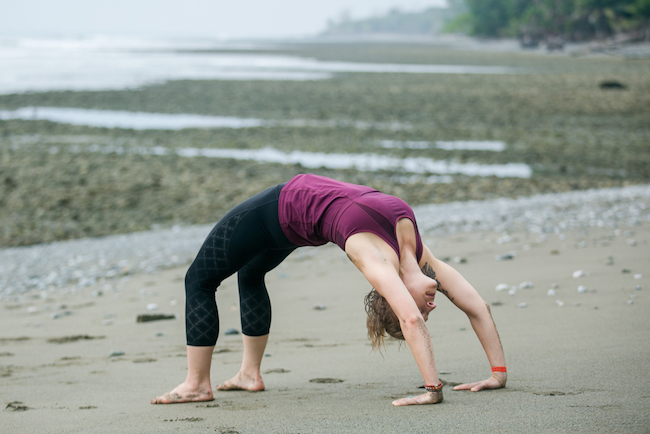
But here’s where transformation happens: Have faith in your teacher and the teacher within. They can take you through the process, one step at a time. Bit by bit, with practice and effort you move toward a new experience, and you might just surprise yourself. I could never, might turn into just maybe, or someday a HELL YES!
Each time we face a challenge on the yoga mat, we’re training ourselves to face the challenging moments in life with the same steady presence.
Meditation for Fear and Anxiety: Learning to Witness Your Thoughts
When we are still, things we’ve ignored, pushed away and previously avoided, rise to the surface. Rather than running from these disturbances as we do in daily life (through dvesha, our aversion), meditation teaches us a different approach. We become the witness and gain awareness of what our thoughts, worries, and fears are connected to and gain a deeper understanding of ourselves. From here we begin to observe our thoughts from a place of detachment, allowing them to simply float by.

We begin to see that we are not our thoughts, not our fears, not the temporary circumstances. We start to distinguish between the unchanging witness within and the constantly shifting content of our minds.
Pranayama for Anxiety: How Breathwork Calms Fear
Deep, measured breathing has a calming effect on the nervous system and affects us on a cellular level in many healing ways. This is a physiological response and it’s effective. When we’re caught in abhinivesha, that primal fear, our body responds with freeze, fight or flight (a sympathetic nervous system response).
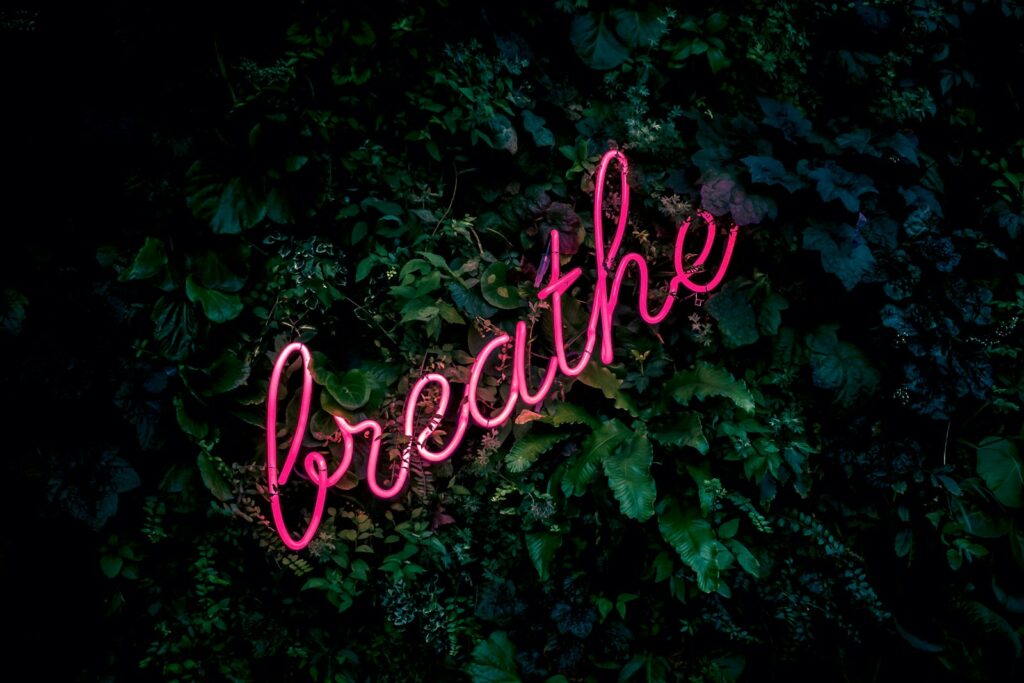
Conscious breathing interrupts this pattern, creating space between stimulus and response. In that space, we can choose courage over avoidance, growth over safety, dharma over comfortable stagnation. Allowing us to regulate our nervous system to more readily shift into the parasympathetic experience of feeling safe, that no threat is detected and live in a more calm, restful state.
From Fear to Freedom: How to Live Yoga for Personal Transformation
Understanding how the kleshas create fear is only the first step, personal transformation requires practice. The techniques below are practical tools for moving from fear to freedom. These simple yet profound practices quiet the mind’s constant chatter, help you meet fear with compassionate awareness, and reconnect you with your true nature beyond all five afflictions.
You don’t need hours of meditation experience or advanced yoga skills. You only need the willingness to show up, breathe consciously, and remember that beneath every fear lies your unchanging essence: whole, worthy, and free. Let’s begin.
Cultivating Presence and Compassionate Awareness
Quieting the mind separates us from the chitta-vrtti (the constant chatter or fluctuations of the mind) that keeps asmita (ego) running our default programming. When we cultivate presence and space, minimize screen time and reduce other distractions, we regain control and can realign with our path in the driver’s seat of our lives. From this place of awareness, we can acknowledge our fears with compassion. Be practical. The fears are there, denying them only strengthens them. Instead, meet them with kindness, recognizing them as the kleshas they are: temporary obstacles, not permanent truths.
Visualization and Mantra: Affirming Your True Nature
Try this practice to reconnect with your essential true self and release the grip of fear:
Come into a supported relaxed upright posture. Steady the breath and bring your hands to your heart, close your eyes and turn your mind’s eye inward. Inhale, see the light within you, your unchanging essence beyond all fear. Exhale out all self doubt. When you inhale see your light expand outward in all directions, and when you exhale see your light contract back to your center and become more densely bright. Repeat for several minutes a day.
So Hum Breath Work (Pranayama)
Start in the same way, from a comfortably engaged seat (sukhasana) and feel your presence in space and time. Find your steady and expansive, yet comfortable, breath. Silently or aloud say “So” on the inhale, and “Hum” on the exhale. In Sanskrit so hum means “I am that” and “That I am” signifying the unity of the individual self with the universal consciousness, and thus this simple mantra cuts through all five kleshas.
From Fear to Freedom: Living Your Dharma
When we use yoga practices to address the kleshas, we stop letting fear dictate our lives. We become capable of making necessary changes to stay aligned with our destined path. We can pivot careers when our current work no longer serves our purpose. We can end relationships that have run their course. We can take risks that align with our dharma, even when abhinivesha whispers that it’s safer to stay small.
Time on our mat teaches us that we are stronger than we know, more resilient than we believe, and more capable of transformation than we ever imagined. Each time we breathe through discomfort, stay present with what arises, and choose courage over avoidance during our yoga practice, we’re more likely to do it in real life.
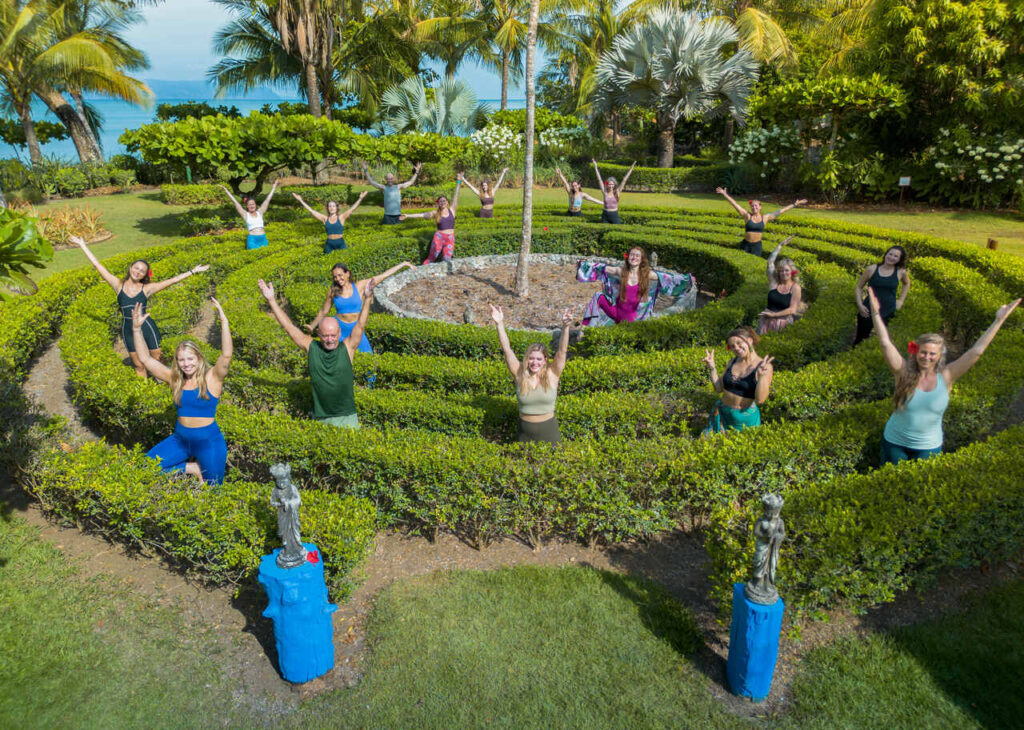
This is the gift of yoga: not just flexibility of body, but flexibility of mind and spirit. Not just strength in our muscles, but strength to face our fears and live with greater ease, joy, fulfillment, and purpose. Not just balance in a pose, but balance in our lives as we walk the path of our dharma, obstacles and all.
About The Author, Yogi Aaron
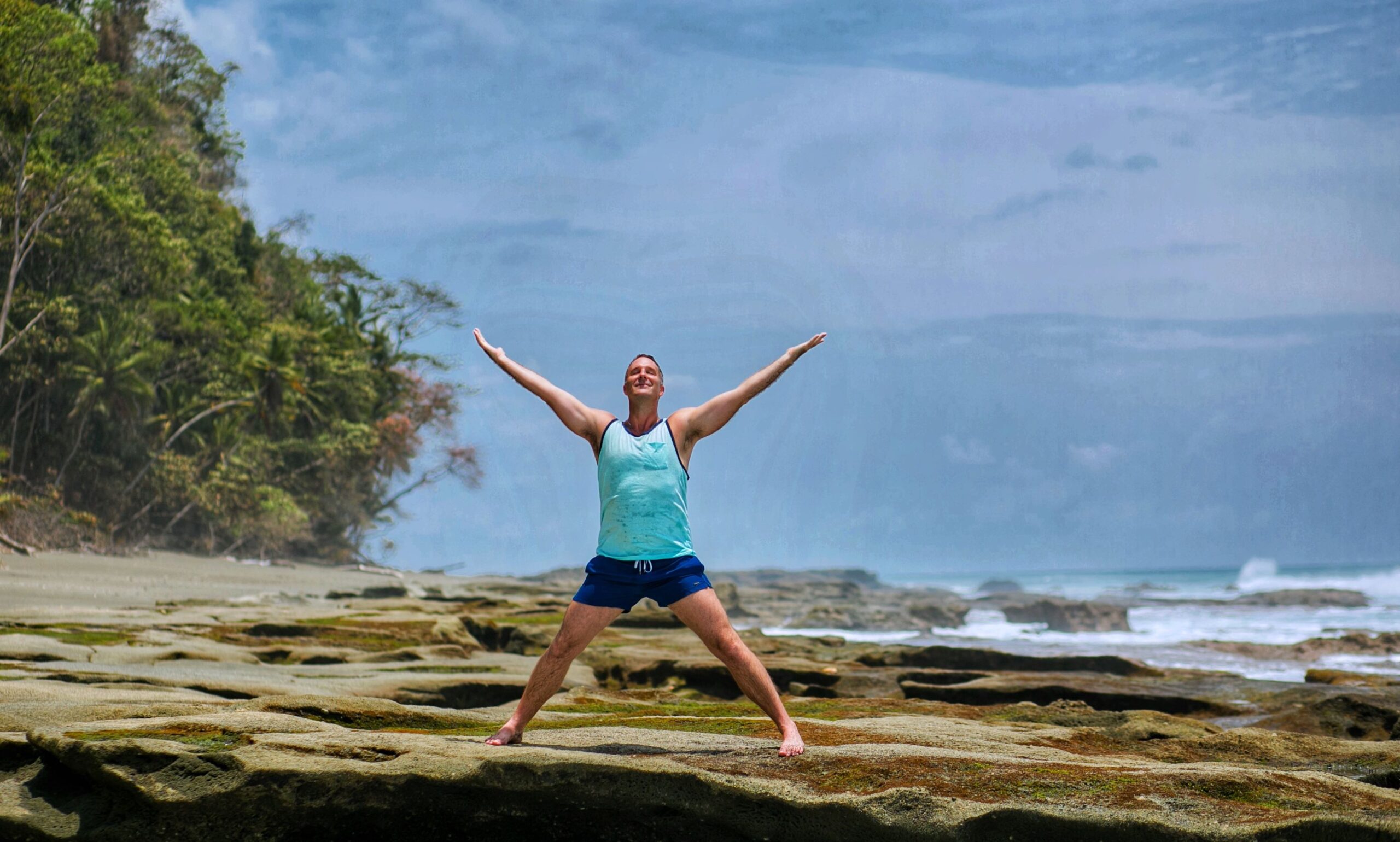
Yogi Aaron is the founder and creator of Applied Yoga Anatomy + Muscle Activation™ (AYAMA), a revolutionary methodology that challenges conventional approaches to yoga. Using a science-backed approach, he prioritizes muscle activation over traditional stretching.
With over three decades of dedicated study, mentorship, and hands-on experience, he has established himself as a leading expert in yoga therapy, alignment, and pain-free movement.
As owner and operator of Blue Osa Yoga Retreat + Spa in Costa Rica, Yogi Aaron leads transformative programs that combine his expertise in yoga instruction, retreat facilitation, and wellness business operations. His work spans both in-person immersive experiences and digital education through The Yogi Club online platform and the AYAMA™ Certification Program.
Yogi Aaron’s teaching methodology represents a paradigm shift in modern yoga practice. AYAMA focuses on activating and engaging muscles to enhance range of motion, build strength, improve stability, and optimize alignment—while reducing pain and injury risk. This evidence-based approach has positioned him as a thought leader challenging the status quo in the yoga community.
His mission extends beyond the mat: to liberate individuals from chronic pain and guide them toward discovering yoga’s authentic purpose through intelligent, body-informed practice.
Learn more about training opportunities with Yogi Aaron at Blue Osa Yoga Retreat + Spa.
Check out these other popular posts!



Tags: Yoga, Yoga Philosophy, empowerment, inspiration
Book/Inquire Now
Got pain? This will help you!

YOU DESERVE TO LIVE PAIN-FREE...
Receive 7 short, simple, and effective practices to alleviate knee, hip, low back, neck, shoulder pain, and more!
All you need is 5 minutes per lesson and it's FREE!
This revolutionary approach to yoga is new, and no one else is teaching this! Since I created Applied Yoga Anatomy + Muscle Activation™ and started teaching it consistently, I've witnessed students heal long-standing injuries, access yoga postures they never thought possible, and tell me over and over again how their body just feels better.
I hope you'll join me on this journey!
~Yogi Aaron
Is Yoga Teacher Training Right For Me?
We Created This FREE 5 Part Series So You Can Get All The Information To Make The Right Choice.
In this series, you will learn:
-
- Am I a candidate for yoga teacher training??
-
- What will I learn in a YTT?
-
- Do I need to have a perfect downward dog to attend YTT?
14-Day 200-Hour Yoga Teacher Training in Costa Rica
If you are looking for a 14-day 200 hour Yoga Teacher Training Costa Rica Immersion, you have landed in the right place. Join the next one!
300-Hour, 28-Day Yoga Teacher Training
Do You Feel Called To Something Greater?
This 300-Hour Yoga Teacher Training immersion training at Blue Osa will immerse you in yoga for one month.
You will have the specific transformational skills and yogic practices you need in order to connect with your higher purpose.
And more! You will be able to offer these transformative skills to others!
