

Yoga has gained immense popularity not just for its stress-relieving benefits but also for its ability to improve posture and alignment. Many people turn to yoga for posture correction, seeking to address the physical imbalances caused by modern lifestyles. By focusing on proper alignment and body awareness, yoga can help fix common postural issues and prevent injury, making it a powerful tool for overall physical well-being.
In this article, we’ll explore:
- The importance of proper alignment in yoga and how it relates to posture correction.
- Common mistakes people make in their yoga practice and tips to fix them.
- Key yoga poses that can help improve your posture
- Ways to bring alignment awareness into your daily life.
Whether you’re new to yoga or a seasoned practitioner, this guide will help you use yoga to enhance your posture and feel more balanced in your body.

Understanding the Importance of Proper Alignment in Yoga
Proper alignment in yoga has a significant impact on our practice and physical health. It’s important to understand why alignment matters and how it can enhance our yoga practice. Let’s explore the benefits of correct alignment, the risks of misalignment, and the key areas to focus on during our practice.
Benefits of correct alignment
When we practice yoga with proper alignment, we create a safe and effective environment for our bodies. Correct alignment helps us maximize the benefits of each pose while minimizing the risk of injury.
By aligning our bodies properly, we can:
- Increase body awareness: Focusing on alignment enhances our connection with our bodies, allowing us to become more aware of our movements and sensations.
- Improve posture: Proper alignment in yoga can positively impact our posture in daily life, helping us stand taller and move with greater ease.
- Strengthen muscles effectively: When we align our bodies correctly, we engage the right muscles, leading to more efficient strength building and improved stability.
- Increase energy flow: Correct alignment allows for better energy flow throughout the body, leading to increased vitality and better health.
- Deepen our practice: As we become more conscious of our alignment, we can explore poses with greater depth and understanding.
Risks of Misalignment
While yoga is generally safe, practicing with improper alignment can lead to various issues. Some potential risks of misalignment include:
- Increased risk of injury: Misalignment can put unnecessary stress on muscles, joints, and ligaments, potentially leading to strains, sprains, or more serious injuries.
- Reduced effectiveness: When we’re not aligned properly, we may not experience the full benefits of a pose, limiting our progress and growth in our practice.
- Development of poor habits: Consistently practicing with incorrect alignment can reinforce bad habits that may be difficult to break later in life.
- Discomfort or pain: Misalignment can cause discomfort or pain during and after practice, potentially discouraging us from continuing our yoga journey.
Key Areas to Focus On
To improve our alignment while practicing yoga, pay attention to these key areas of the body:
- Spine: Maintaining a neutral spine is crucial in many yoga poses. This means avoiding excessive rounding or arching of the back.
- Shoulders: Keeping the shoulders away from the ears and engaging the shoulder blades can help prevent strain in the neck and upper back.
- Hips: Proper hip alignment is essential for balance and stability in standing poses and can help prevent lower back pain.
- Knees: Ensuring that the knees are properly aligned with the ankles and hips can protect the joints and prevent injury.
- Feet: Grounding through the feet and distributing weight evenly can improve balance and stability in standing poses.
It’s important to remember that while alignment is crucial, it’s not about achieving a perfect pose. Our bodies are unique, and what feels right for one person may not work for another. The goal is to find alignment that feels safe, stable, and comfortable for our bodies.
As we practice yoga for posture correction, focusing on proper alignment can help us make significant improvements in our overall posture and body awareness. By paying attention to these key areas and working with a qualified instructor, we can develop a strong foundation for a safe and effective yoga practice that supports our physical and mental well-being.
Common Postural Mistakes in Yoga and How to Fix Them
Yoga can help with posture correction, but it must be practiced with proper alignment to avoid injury and optimize benefits. Let’s look at some typical posture mistakes in yoga and how to correct them.
Rounded Shoulders and Upper Back
One of the most prevalent issues in yoga practice is rounded shoulders and an excessively curved upper back. This posture, often referred to as “excessive kyphosis,” can result from prolonged periods of sitting, hunching over desks, or poor posture habits.
Ways to address this issue:
- Shoulder rolls: Begin with simple shoulder rolls to loosen tight muscles. Roll your shoulders up, back, and down to massage the rhomboids, the deep upper back muscles between the shoulder blades.
- Chest-opening poses: Incorporate poses that stretch the chest and front shoulder muscles. This can help alleviate pain and correct posture over time. Try camel pose, upward-facing dog, or puppy pose.
- Strengthen upper back muscles: Poses like Locust (Shalabasana) can help strengthen the muscles in the upper back, which in turn helps to align the shoulder girdle and torso.
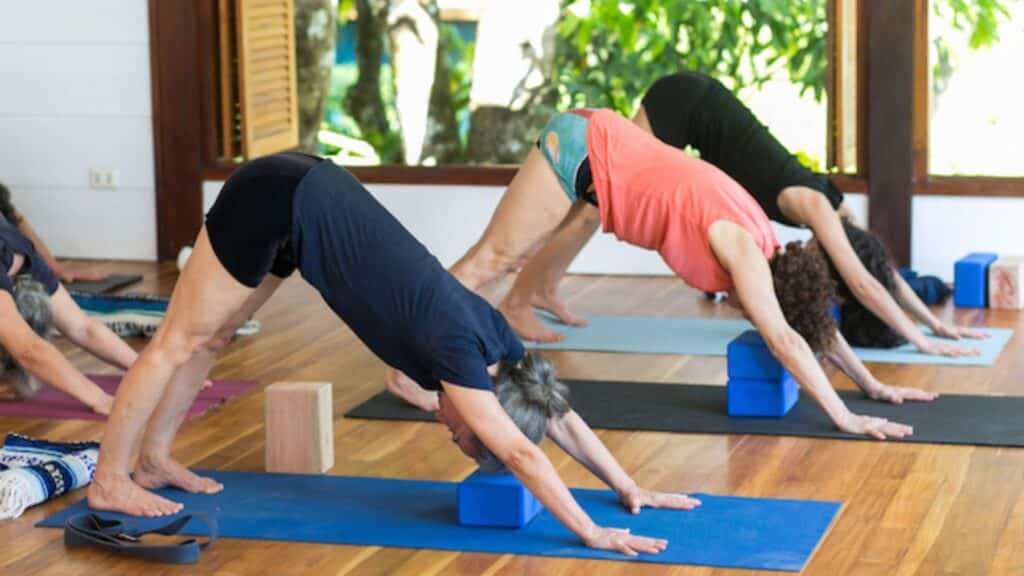
- Mindful alignment: In poses like Downward Facing Dog, consciously draw your shoulder blades down your back to create space between your ears and shoulders.
Hyperextended Knees
Hyperextension of the knees is another common mistake in yoga, especially for those with naturally flexible joints. This occurs when the knee joint extends beyond its normal range, causing the leg to appear slightly bent backward.
To correct hyperextended knees:
- Micro-bend technique: In standing poses, slightly bend your knees and then straighten them by lifting from your thighs. This helps to engage the muscles around the knee joint.
- Weight distribution: Shift some of your weight from your heels to the balls of your feet. This adjustment can help bring your legs into better alignment.
- Calf muscle activation: Focus on pressing the shin forward slightly as you straighten your leg. This creates a balance between the forward movement of the shin and the backward movement of the thigh.
Tilted Pelvis
A tilted pelvis can lead to various issues, including lower back pain, hip pain, and even neck discomfort. There are two main types of pelvic tilt: anterior (forward) and posterior (backward).
To address pelvic tilt:
- Awareness: Start by becoming aware of your pelvic position. In standing poses, check if your lower back is excessively arched (anterior tilt) or flattened (posterior tilt).
- Core engagement: Focus on engaging your core muscles, particularly the lower abdominals, to help neutralize the pelvis. This is especially important in poses like Tadasana (Mountain Pose) and Warrior poses.
- Hip flexor poses: Incorporate hip flexor poses to release tension in the hips. Low Lunge and Warrior 1 can be beneficial.
- Hamstring and glute activation: For a posterior tilt, focus on engaging the hamstrings and glutes in poses like the Bridge pose to bring the pelvis back to a neutral position.
- Pelvic tilt exercises: Practice gentle pelvic tilts while lying on your back to improve awareness and control of your pelvic position.
Addressing these frequent postural issues can improve your practice and make considerable progress in posture restoration. Remember that perfect alignment in yoga influences your overall posture and can help prevent injuries both on and off the mat. Always listen to your body and make necessary adjustments to guarantee a safe and productive yoga practice for posture improvement.
Essential Yoga Poses for Improving Posture
Incorporating specific yoga poses into your practice can significantly enhance your posture. Let’s explore some key poses that are highly effective for posture correction and preventing common yoga mistakes.
Mountain pose
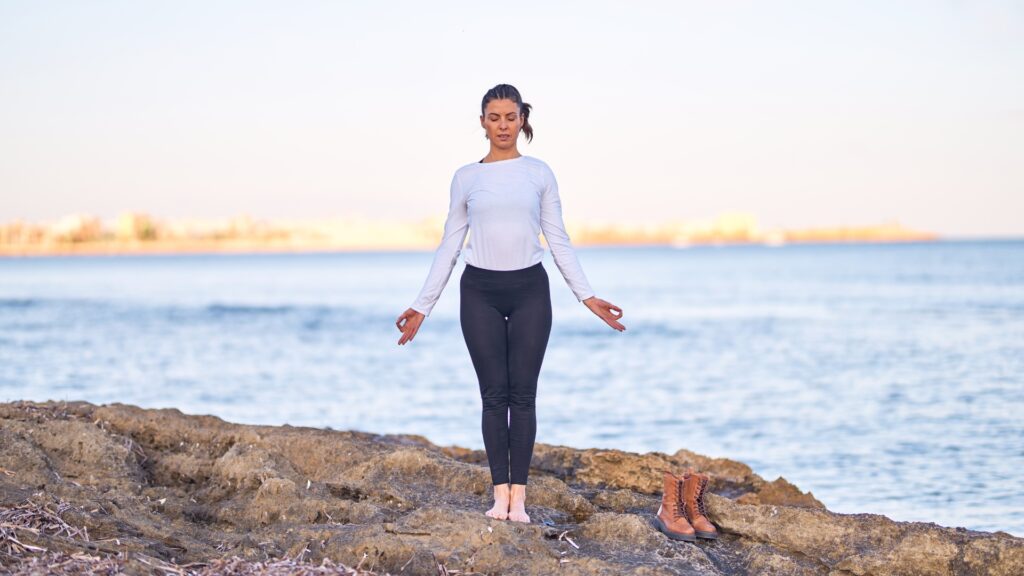
Mountain pose, or Tadasana, is the foundation for all standing poses in yoga and is an excellent tool for improving posture. Although it may seem simple, it requires the engagement of every muscle in your body to maintain proper alignment.
To practice Mountain pose:
- Stand with your feet hip-width apart or together, and point your toes forward.
- Distribute your weight evenly across all four corners of each foot.
- Engage your leg muscles, including the thighs and glutes, while maintaining a slight bend in your knees to avoid hyperextension.
- Align your hip points forward and imagine them shining up toward the ceiling to lengthen your spine.
- Keep your core engaged to support your lower back’s natural curve.
- Draw your shoulders back and down, opening your chest while keeping your ribs in toward your midline.
- Allow your arms to hang actively at your sides with palms facing forward.
- Keep your chin parallel to the floor, maintaining a neutral neck position.
Regular practice of Mountain pose can help correct muscle imbalances, improve body awareness, and enhance overall posture.

Cat-Cow pose
The Cat-Cow sequence is a gentle flow between two poses. This is an excellent way to warm up the spine and increase spinal mobility.
To practice Cat-Cow:
- Start on your hands and knees, with wrists under shoulders and knees under hips.
- As you inhale, move into Cow pose by dropping your belly, lifting your chest and tailbone, and gazing upward.
- As you exhale, transition to the Cat pose by rounding your spine, tucking your tailbone, and drawing your navel toward your spine.
- Continue this flow for 5-10 breaths, coordinating your movement with your breath.
Cat-Cow helps soothe the back, neck, and core muscles while promoting proper alignment of the spine.
Cobra pose
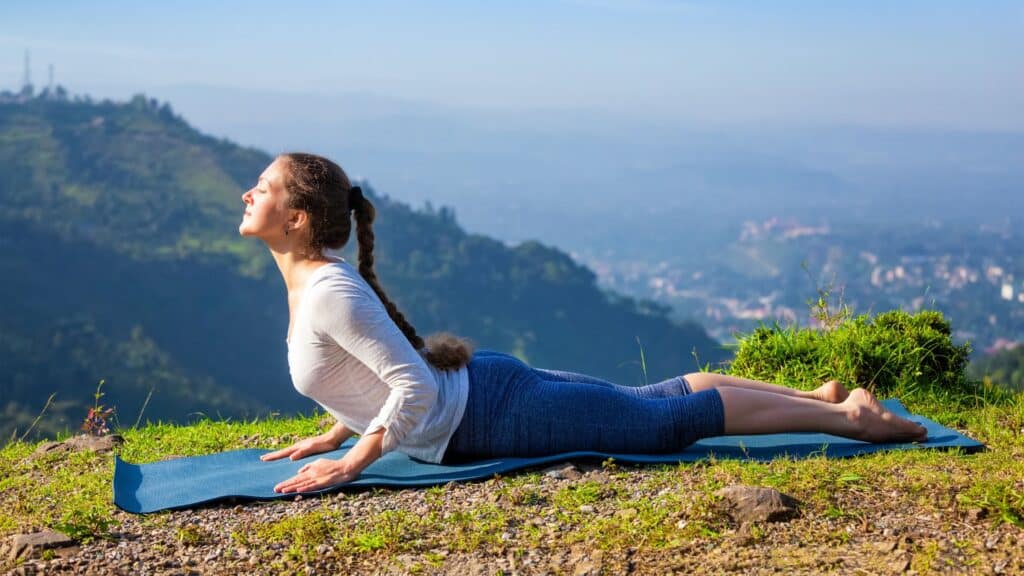
Cobra pose, or Bhujangasana, is an excellent backbend for strengthening the muscles around the spine and improving posture.
To practice Cobra pose:
- Lie face down on your mat with your palms flat on the floor near your shoulders.
- Press your legs and feet into the ground while engaging your thigh muscles and keeping your glutes relaxed.
- As you inhale, lift your chest off the floor, keeping your lower ribs on the mat.
- Draw your shoulder blades down, keep your neck long, and your chin parallel to the mat.
- Hold for 3-5 breaths, focusing on lengthening your spine rather than arching too deeply.
The cobra pose helps to open the chest, strengthen the back muscles, and counteract the effects of prolonged sitting.
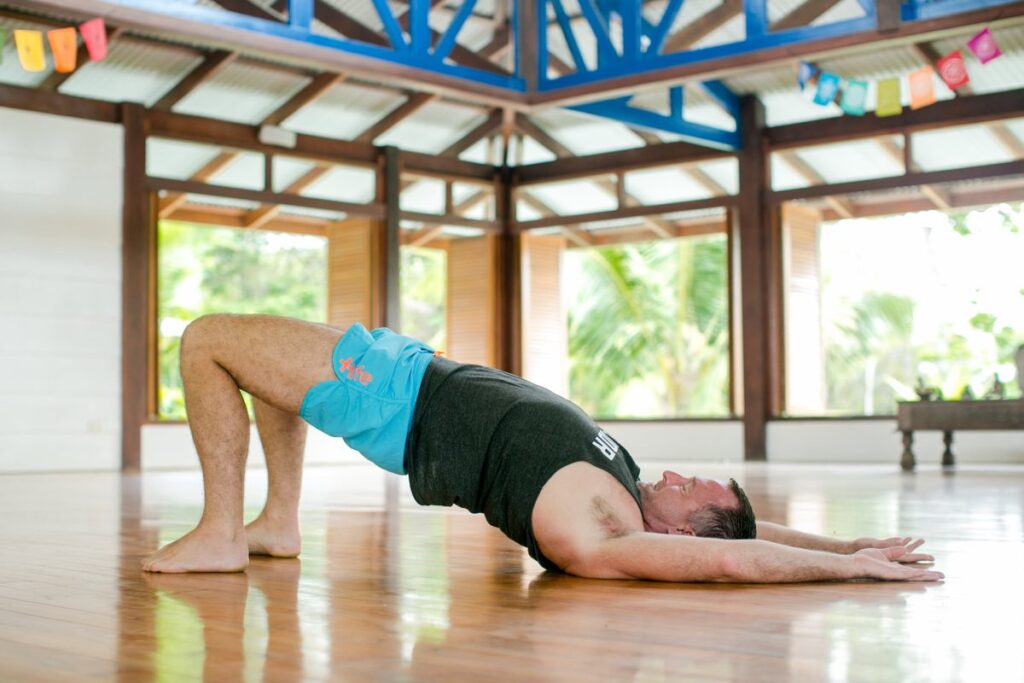
Bridge pose
Bridge pose, or Setu Bandha Sarvangasana, is an excellent pose for strengthening the back, glutes, and hamstrings while opening the chest.
To practice Bridge pose:
- Lie on your back with your knees bent and feet hip-width apart (or a little wider), close to your buttocks.
- Press your feet and arms into the floor as you lift your hips.
- Engage your glutes and hamstrings while keeping your knees aligned over your ankles.
- Interlace your fingers beneath your back or near your heels, and press your arms into the mat to lift your chest higher.
- Hold for 5-10 breaths, focusing on keeping your core engaged, your glutes activated, and your spine long.
Bridge pose helps to improve spinal mobility, strengthen the back muscles, and open the chest, all of which contribute to better posture.
By incorporating these essential yoga poses into your practice, you can work towards correcting postural imbalances, improving alignment, and preventing common yoga mistakes.
Remember to focus on proper alignment and body adjustments in each pose to maximize their benefits for posture correction, reduced pain, and overall well-being.
Incorporating Alignment Awareness into Your Daily Life
Practicing yoga for posture correction doesn’t end when you step off the mat. To truly benefit from proper alignment and prevent injury in yoga, it’s essential to incorporate awareness into your daily activities. By focusing on your posture throughout the day, you can reinforce the benefits of your yoga practice and maintain better overall alignment.
Desk Posture Tips
For many of us, a significant portion of our day is spent sitting at a desk. This prolonged sitting can have a negative impact on our posture and overall well-being. To counteract these effects and maintain proper alignment, consider the following tips:
- Keep your computer monitor at eye level to prevent neck strain.
- Sit with your back flat against the chair, using a lumbar support tool if necessary.
- Rest your feet flat on the ground instead of crossing your ankles or legs.
- Take regular breaks every 30 minutes to stretch and move around.
To further enhance your desk posture, try incorporating simple yoga poses right at your workstation. For example, you can practice seated backbends by sliding your sit bones forward and leaning back over the chair top to open your chest. This helps counteract the forward-hunching posture often associated with desk work.

Standing and Walking Alignment
Proper alignment isn’t just important when sitting; it’s crucial for standing and walking too.
To maintain good posture while on your feet:
- Stand tall, imagining a string pulling you up from the crown of your head.
- Keep your chin parallel to the ground and your ears aligned above your shoulders.
- Engage your core muscles to support your spine.
- Allow your arms to swing naturally from your shoulders, not your elbows.
When walking, focus on a heel-to-toe gait, striking the ground with your heel first and pushing off with your toes. Avoid taking overly long strides, as this can put unnecessary stress on your lower leg joints.
Sleeping Position Adjustments
Your sleeping posture has a significant impact on your overall alignment and can influence how you feel throughout the day.
To improve your sleeping position:
- Choose a medium-firm mattress that supports the natural curves of your spine. Pillow tops are comfortable but are bad for your back.
- If you’re a side sleeper, place a pillow between your knees to align your hips and spine.
- Back sleepers should use a pillow that fills the space between their neck and the bed without tilting their head forward. A pillow under the knees is a good addition as well.
- Stomach sleepers may benefit from placing a thin pillow under their hips to reduce lower back strain.
Remember, there’s no one-size-fits-all approach to sleeping positions. Experiment to find what works best for you while maintaining proper alignment.
By incorporating these alignment awareness techniques into your daily life, you can complement your yoga practice and work towards better posture throughout the day. This consistent focus on proper alignment will help prevent common yoga mistakes, reduce the risk of injury, and enhance the overall benefits of your yoga for posture correction routine.
Yoga for Improved Posture
Now, you know how to use yoga to address physical imbalances and improve posture and alignment. Proper alignment creates a safe environment for our bodies, maximizing benefits and minimizing injury risks. Yoga poses can help correct posture by addressing common issues such as rounded shoulders and an excessively curved upper back.
Essential yoga poses for improving posture include Mountain pose, Cat-Cow pose, Cobra pose, and Bridge pose. To maintain proper alignment, it’s essential to incorporate alignment awareness into daily activities, such as desk posture tips, standing and walking alignment, and sleeping position adjustments. By incorporating these techniques into daily life, we can complement our yoga practice and work towards better posture on and off the mat.
If you would like to deepen your knowledge, join one of our upcoming yoga teacher trainings.
Check out these other popular posts!

How to Become a Yoga Teacher and Trainer
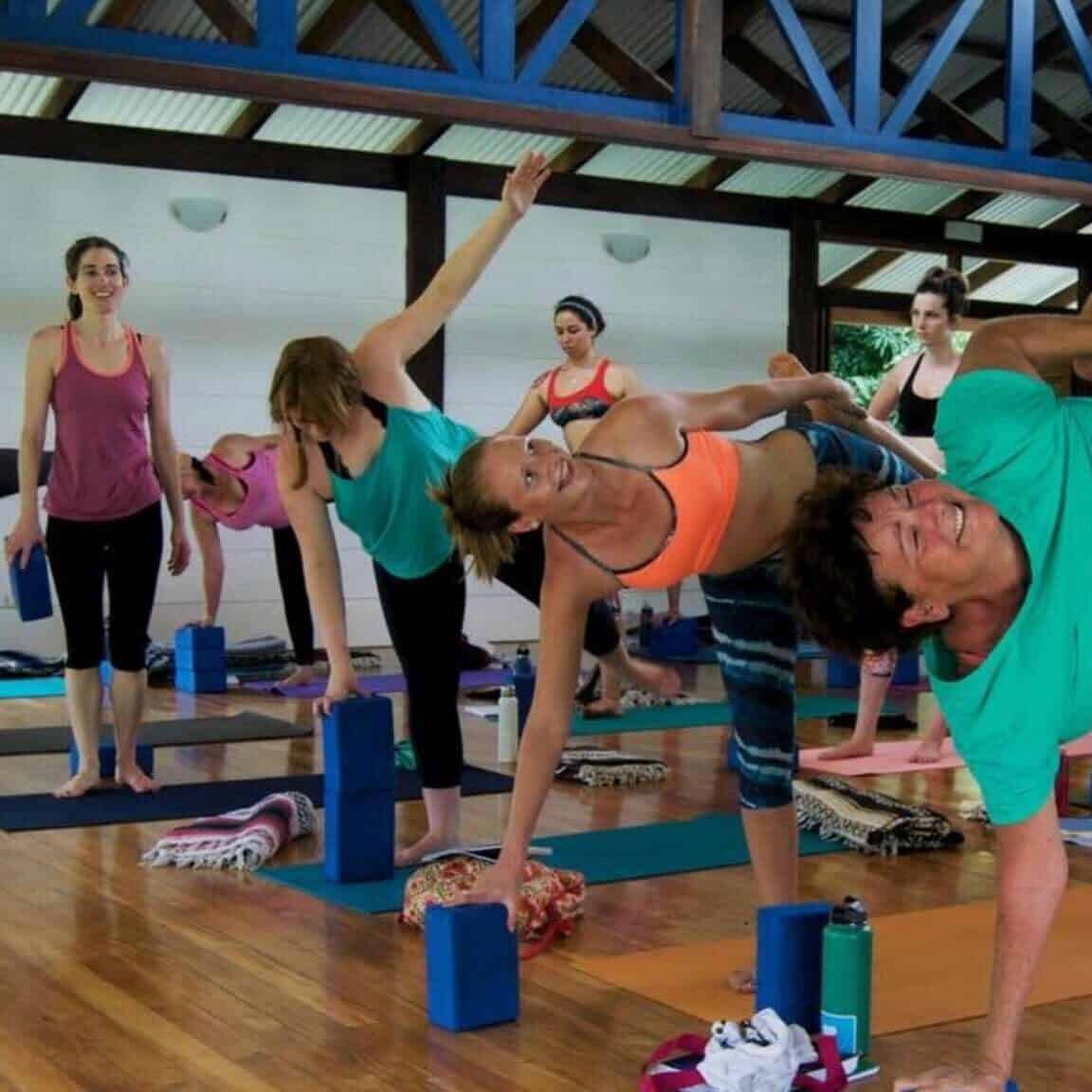
7 Benefits of Yoga Teacher Training (Even When You Don’t Want to Teach)
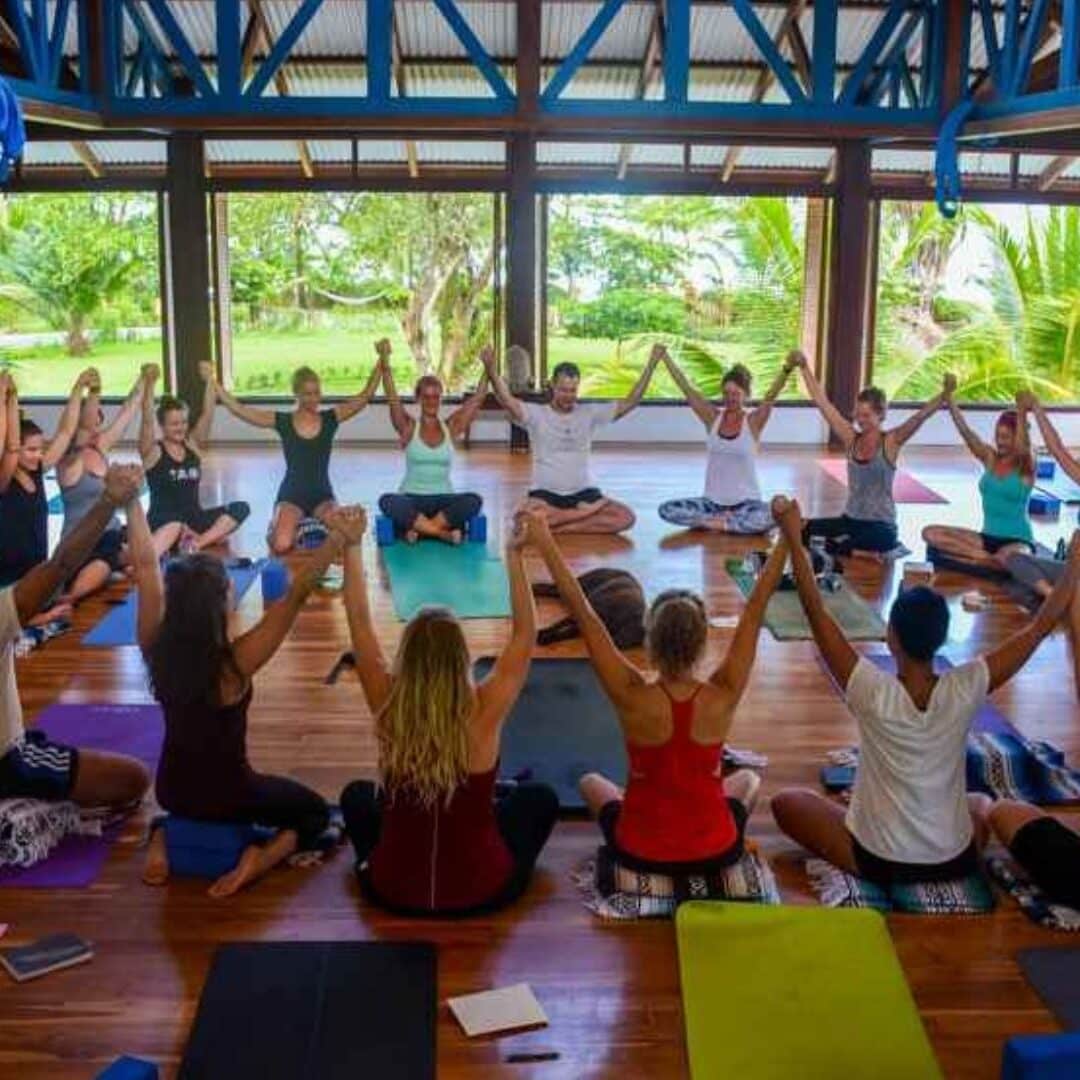
How to Sell Out Your Yoga Retreat: Yoga Business Insider Secrets
Tags: Yoga
Book/Inquire Now
Got pain? This will help you!

YOU DESERVE TO LIVE PAIN-FREE...
Receive 7 short, simple, and effective practices to alleviate knee, hip, low back, neck, shoulder pain, and more!
All you need is 5 minutes per lesson and it's FREE!
This revolutionary approach to yoga is new, and no one else is teaching this! Since I created Applied Yoga Anatomy + Muscle Activation™ and started teaching it consistently, I've witnessed students heal long-standing injuries, access yoga postures they never thought possible, and tell me over and over again how their body just feels better.
I hope you'll join me on this journey!
~Yogi Aaron
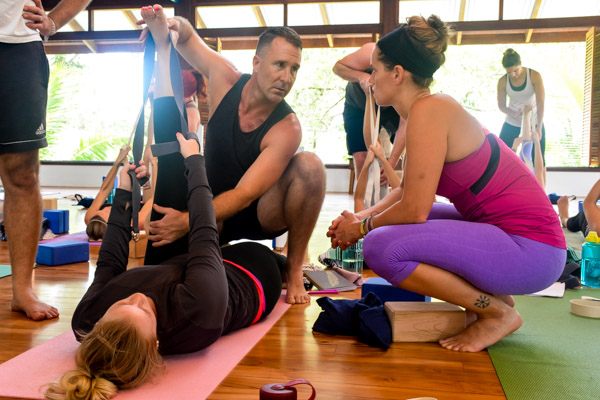
Is Yoga Teacher Training Right For Me?
We Created This FREE 5 Part Series So You Can Get All The Information To Make The Right Choice.
In this series, you will learn:
-
- Am I a candidate for yoga teacher training??
-
- What will I learn in a YTT?
-
- Do I need to have a perfect downward dog to attend YTT?
14-Day 200-Hour Yoga Teacher Training in Costa Rica
If you are looking for a 14-day 200 hour Yoga Teacher Training Costa Rica Immersion, you have landed in the right place. Join the next one!
300-Hour, 28-Day Yoga Teacher Training
Do You Feel Called To Something Greater?
This 300-Hour Yoga Teacher Training immersion training at Blue Osa will immerse you in yoga for one month.
You will have the specific transformational skills and yogic practices you need in order to connect with your higher purpose.
And more! You will be able to offer these transformative skills to others!
