

Discover the Power of Camel Pose (Ustrasana) for Neck Pain Relief
Backbends can feel like a vulnerable journey into the unknown—especially when you’re asked to open your heart and trust your body. Camel Pose, or Ustrasana, is one of those transformative yoga postures that invites you to embrace vulnerability. In return, it offers deep physical and emotional rewards.
More than just a beautiful shape, Ustrasana is a deeply therapeutic pose that activates your entire front body, strengthens your spine, and encourages emotional release.
Check out our online course in The Yogi Club for
Back Pain
Camel Pose: A Surprising Ally for Neck Pain Relief
What many people don’t realize is that Camel Pose is also an effective tool for relieving neck pain. If you spend your days sitting at a desk, craning over your phone, or carrying stress in your shoulders and jaw, Ustrasana can help release that built-up tension.
By lengthening the spine, opening the chest, and stretching the throat, this pose decompresses the cervical spine and promotes better posture—two essential elements for a healthy, pain-free neck.
Physical Benefits: Stretch, Strengthen, and Restore
Ustrasana targets areas often neglected in daily life—like the chest, throat, and quadriceps. It also strengthens the muscles that support posture and spinal integrity.
These physical benefits alone are powerful, but Camel Pose offers so much more.
Emotional Release and Inner Transformation
Perhaps even more valuable than the physical benefits are the subtle, internal shifts that happen when you practice Camel Pose. Ustrasana has a unique way of “cracking us open”—helping to release stored stress, clear blocked emotions, and invite fresh energy and clarity into the body.

A Modern Antidote to Daily Postural Strain
In today’s digital world, we spend countless hours hunched forward—whether we’re scrolling, slouching, or simply sitting. Camel Pose offers the perfect counterbalance, encouraging the body to open up, breathe deeply, and stand tall with renewed confidence.
And despite how advanced it may look, there are accessible modifications available to help every yogi ease into the posture safely and with grace.
What You’ll Learn in This Guide
Whether you’re new to backbends or ready to deepen your practice, this guide to Camel Pose will show you:
Common mistakes to avoid for a pain-free, effective experience
Step-by-step instructions to enter Ustrasana safely
The full range of physical and emotional benefits
Safe and supportive variations for all levels
Open Your Heart and Free Your Neck
Get ready to experience the power of Camel Pose. By opening the heart and relieving the neck, Ustrasana offers a unique combination of emotional healing and physical freedom. It’s more than a pose—it’s a journey into energy, openness, and pain relief.
How to Practice Camel Pose (Ustrasana)
Step 1: Begin in a Kneeling Position
Start by kneeling upright on your mat with your knees and feet hip-width apart. Your thighs should be perpendicular to the floor, and the tops of your feet should rest flat on the ground.
Place your hands on your lower back—specifically on the sacrum, the triangular bone located between your hip bones. Keep your fingers pointing downward.
Step 2: Engage Your Core and Lengthen the Spine
On an inhale, draw your tailbone toward your knees to activate your lower core. At the same time, lengthen your spine by pressing your knees firmly into the ground and reaching your head upward.
Lift through your chest and sternum, and gently draw your elbows toward each other. Internally rotate your thighs and widen the back of your pelvis while ensuring your hips stay aligned over your knees.
Step 3: Begin to Lean Back with Control
As you exhale, start to bend backward slowly, allowing the weight to be supported by your arms. Keep your hands on your lower back as you deepen the arch.
Expand your ribcage and keep your chin gently tucked to protect your neck. Maintain a strong core engagement and continue lifting through your chest.
Step 4: Reach for Your Heels
To deepen the stretch, reach your hands back to grab your heels. Keep your thumbs on the outside of each foot for stability. If flexibility allows, you can tuck your toes to raise your heels and make them more accessible.
As you hold your heels, press your hips forward, lift your chest toward the ceiling, and slowly release your head and neck back—only if it feels comfortable. Keep your gaze toward the tip of your nose, and ensure your breathing remains smooth and easy.
Step 5: Exit the Pose Safely
Hold the posture for 3 to 6 deep breaths, then begin to exit gently:
- Place your hands back on your lower back, one at a time.
- Use your core to slowly rise upright, keeping your head and neck relaxed.
- Return your chin to your chest last, maintaining awareness of your alignment.
After releasing the pose, it’s recommended to neutralize the spine. Begin with a Downward Dog Pose to stretch and lengthen the back, then rest in Child’s Pose or Corpse Pose (Savasana) for full relaxation.
How to Modify Camel Pose (Ustrasana) Safely and Effectively
Camel Pose (Ustrasana) is a powerful backbend that should be approached with care and mindfulness. Forcing the pose before your body is ready can lead to discomfort or even injury. That’s why it’s essential to start with modified variations, especially if you’re still building the flexibility or strength required for the full expression of the pose.
Start with Modifications to Build Confidence and Safety
If you’re not yet comfortable performing the traditional Camel Pose, begin with these gentle variations to ease into the posture:
- Hands on Lower Back or Thighs: If reaching your heels is a challenge, keep your hands on your lower back or the back of your thighs to maintain proper alignment and avoid strain.
- Use Yoga Blocks: Place yoga blocks on either side of your feet to shorten the distance to the floor. Resting your hands on the blocks helps support your backbend without overextending.
These modifications help develop the mobility and strength necessary for progressing safely in your practice.
Advance the Pose with Strength-Based Challenges
Once you’re comfortable with the basics, you can deepen your Camel Pose with these progressive challenges:
Reach for Opposite Ankles: For a more advanced variation, try grabbing the opposite ankle with each hand to challenge your flexibility and balance.
Squeeze a Block Between Your Thighs: This activates your inner thighs and core, encouraging better alignment and muscular engagement.
Press Thighs and Calves Together: Keep your lower body strong and stable by actively drawing your thighs and calves toward one another throughout the pose.
Explore a Deeper Backbend Mindfully
If you’re ready for a much deeper stretch and have developed sufficient flexibility, you can experiment with the following:
- Slide Hands Toward the Knees: From the traditional pose, carefully slide your hands forward along your calves, moving toward your knees while gently lowering your head toward the floor. Only attempt this variation if you feel fully open and supported in your back and shoulders.
Practice with Awareness
Every variation of Camel Pose offers a unique benefit. The key is to listen to your body and progress at your own pace. Whether you’re using props or exploring deeper expressions, these modifications will help you practice Ustrasana safely, with strength, grace, and confidence.
Final Tips for Practicing Camel Pose
- Always warm up before attempting deep backbends.
- Avoid forcing the pose—use props or modifications if needed.
- Keep your breath steady and controlled throughout the pose.
With regular practice and proper alignment, Camel Pose can help relieve neck and back tension, open the heart, and energize the body.
Tags: Yoga
Book/Inquire Now
Got pain? This will help you!

YOU DESERVE TO LIVE PAIN-FREE...
Receive 7 short, simple, and effective practices to alleviate knee, hip, low back, neck, shoulder pain, and more!
All you need is 5 minutes per lesson and it's FREE!
This revolutionary approach to yoga is new, and no one else is teaching this! Since I created Applied Yoga Anatomy + Muscle Activation™ and started teaching it consistently, I've witnessed students heal long-standing injuries, access yoga postures they never thought possible, and tell me over and over again how their body just feels better.
I hope you'll join me on this journey!
~Yogi Aaron
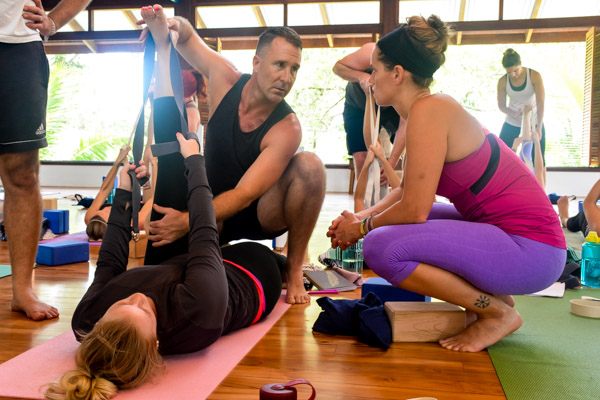
Is Yoga Teacher Training Right For Me?
We Created This FREE 5 Part Series So You Can Get All The Information To Make The Right Choice.
In this series, you will learn:
-
- Am I a candidate for yoga teacher training??
-
- What will I learn in a YTT?
-
- Do I need to have a perfect downward dog to attend YTT?
14-Day 200-Hour Yoga Teacher Training in Costa Rica
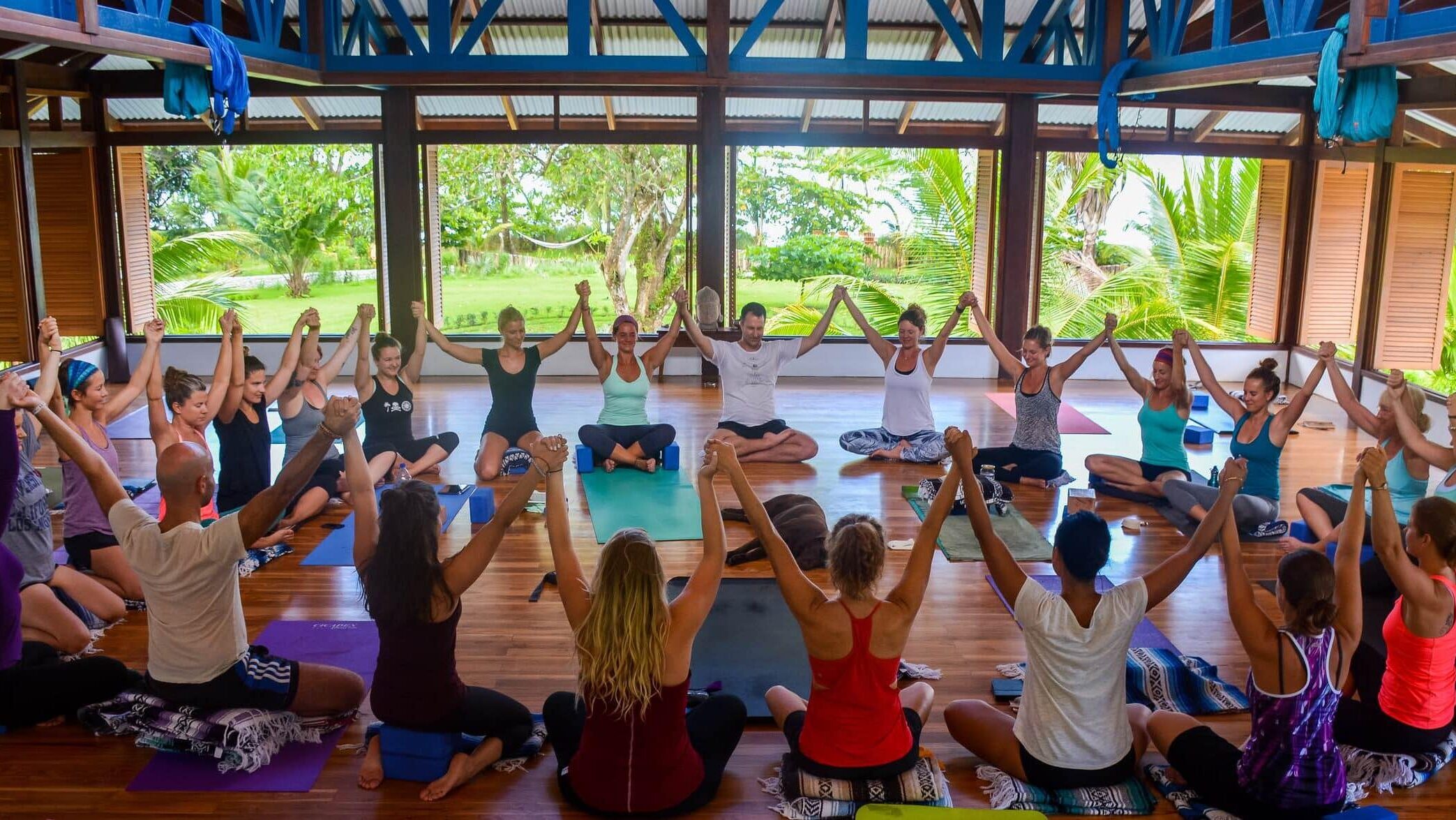
If you are looking for a 14-day 200 hour Yoga Teacher Training Costa Rica Immersion, you have landed in the right place. Join the next one!
300-Hour, 28-Day Yoga Teacher Training
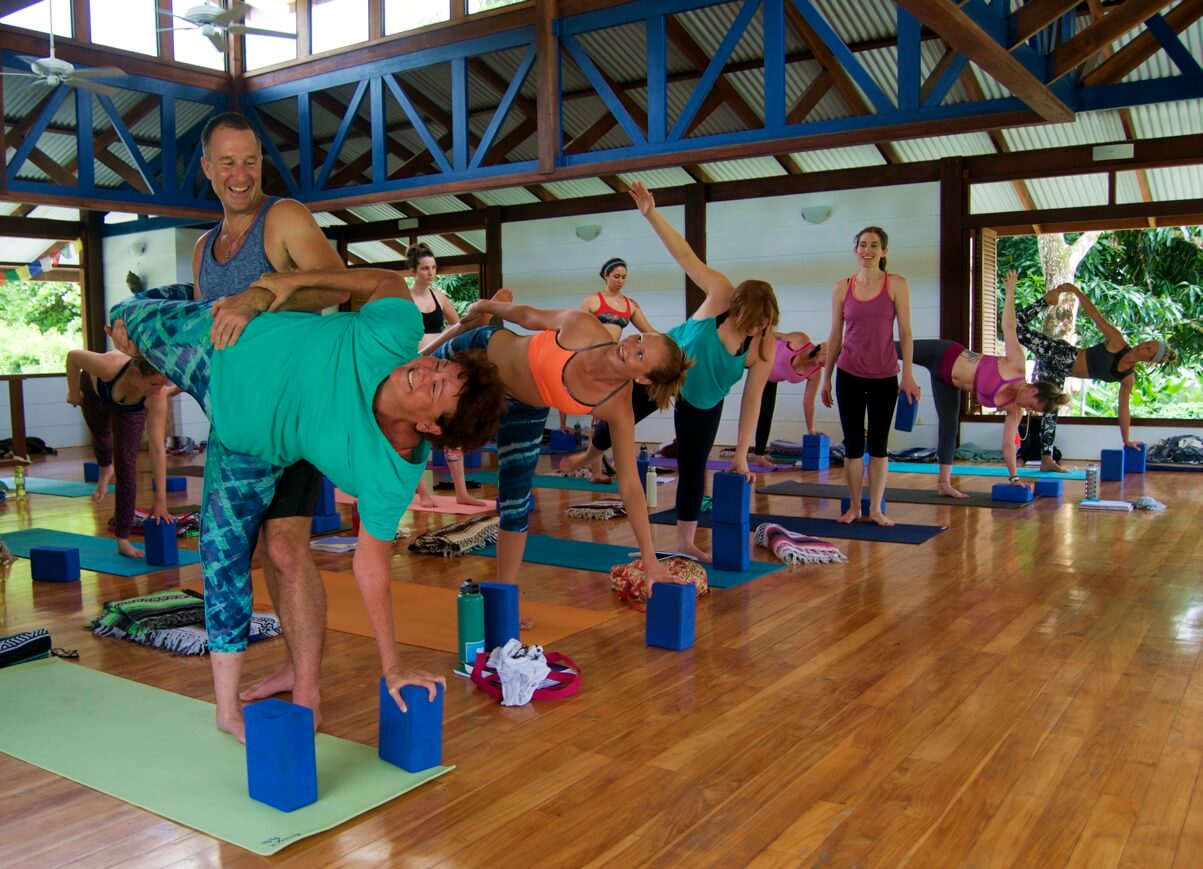
Do You Feel Called To Something Greater?
This 300-Hour Yoga Teacher Training immersion training at Blue Osa will immerse you in yoga for one month.
You will have the specific transformational skills and yogic practices you need in order to connect with your higher purpose.
And more! You will be able to offer these transformative skills to others!
