

One of the questions I get asked most often at Blue Osa, from guests, from prospective students, and from curious travelers who have never set foot on a yoga mat, is some version of this: is yoga a religion? And will practicing yoga conflict with my faith? I love this question. Not just because it gives me the opportunity to clear up one of the most common misconceptions about yoga, but because the answer opens a door to something truly beautiful.
The truth about yoga and religion is that yoga does not belong to any single religion. It never has. At Blue Osa, we have welcomed practitioners from every faith tradition imaginable: Christians, Muslims, Buddhists, Hindus, atheists, agnostics, and everything in between. Every single one of them has found something profound and deeply personal in their practice. Let me explain why.
What Is a Religious Belief and How Does Yoga Fit In?
Before we can answer the question of is yoga a religion, it helps to get clear on what a religious belief actually is. At its core, a religious belief refers to an individual’s acceptance of and adherence to a set of principles, doctrines, rituals, and values associated with a particular religion or spiritual tradition.
It encompasses faith, trust, and conviction in the existence of a higher power, as well as the practices and teachings that guide one’s understanding of the universe, human existence, morality, and the purpose of life. Religious beliefs shape a person’s worldview, moral framework, and sense of identity in ways that are deeply personal and profoundly meaningful.
Yoga, as we will explore, is something quite different, and yet something that can beautifully complement and deepen any of these belief systems.
What Is the Philosophy of Yoga?
The philosophy of yoga is a comprehensive system of principles and teachings that guide the practice and understanding of yoga as a holistic discipline. Rooted in ancient Indian traditions, yoga philosophy draws from classical texts including the Yoga Sutras of Patanjali, the Bhagavad Gita, and the Upanishads and the Vedas.
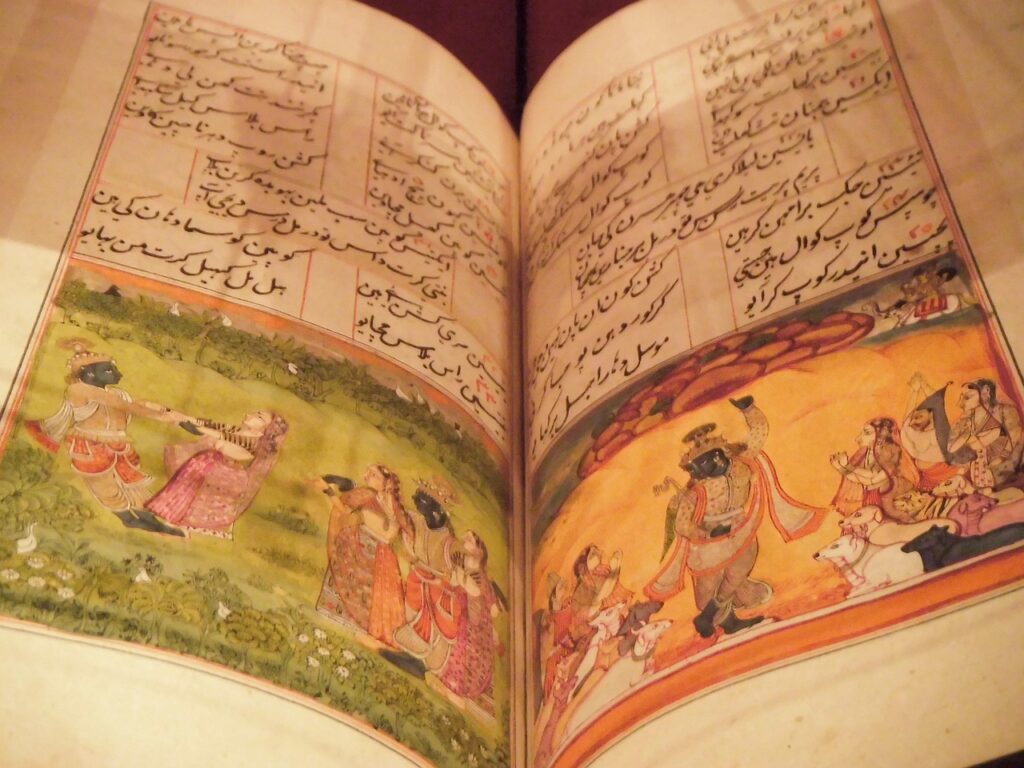
At its core, yoga philosophy aims to facilitate self-realization, personal transformation, and spiritual development. It explores the nature of reality, the human condition, and the profound interconnectedness of all living beings.
It is a framework for understanding who we are, why we are here, and how we can live with greater intention, compassion, and presence. And it is a framework that is available to every human being regardless of their faith tradition, cultural background, or spiritual beliefs.
Is Yoga a Religion? Here Is the Bottom Line
Here is where I want to be very clear, because this distinction matters enormously. Religion typically refers to organized belief systems centered around deities, rituals, and moral codes, often involving a community of practitioners bound together by shared doctrine.
Yoga, on the other hand, is a spiritual practice originating from ancient India that encompasses physical postures, breath control, meditation, and ethical principles, all aimed at self-realization and the unity of mind, body, and spirit.
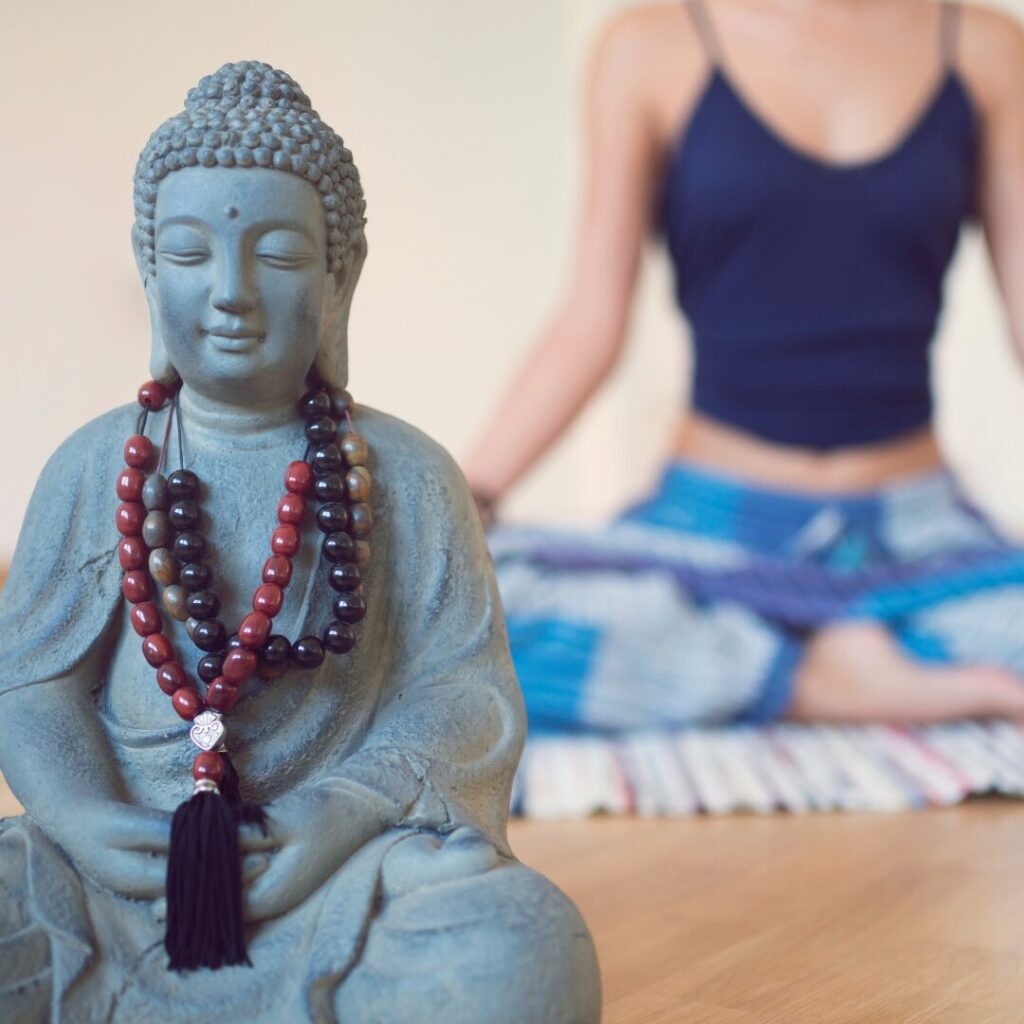
Yoga is not a structured belief system. It does not impose specific religious requirements. It does not ask you to abandon your faith, question your God, or adopt a new set of doctrines. It is inclusive, non-prescriptive, and open to every human being who is willing to show up and do the work.
One more thing worth knowing: the history of yoga has very little to do with stretching. Yoga and stretching are not the same thing, and the true history of this practice goes far deeper than the physical postures most people associate with it.
How Yoga Philosophy Harmonizes With Different Religions Around the World
How Many Religions Are There in the World?
It is genuinely difficult to put an exact number on how many religions exist in the world today, because the concept of religion varies so widely across cultures and individuals. What we do know is that the world is home to an extraordinary diversity of spiritual traditions. From the major organized religions practiced by billions to the indigenous and local traditions that have sustained communities for thousands of years.
Rather than seeing this diversity as a source of division, I see it as one of the most remarkable things about being human. And what I have found, both through my own journey and through years of welcoming people of all faiths to Blue Osa, is that beneath the surface differences, most spiritual traditions share a common thread. A deep desire to understand ourselves, to connect with something greater, and to live with meaning and purpose. Yoga speaks directly to that thread.
Buddhism and Yoga: A Natural Harmony
Of all the world’s spiritual traditions, Buddhism perhaps aligns most naturally with yoga philosophy. At the heart of Buddhism lies a profound emphasis on personal spiritual growth, the pursuit of enlightenment, and the cultivation of compassion and loving-kindness toward all living beings. Buddhists embrace meditation as one of the primary paths to enlightenment, a practice that sits at the very core of yoga as well.

The Buddhist framework of the Four Noble Truths teaches that suffering arises from attachment to desire, and that freedom from suffering can be attained by following the Eightfold Path of morality, meditation, and wisdom. In yoga, we encounter strikingly similar teachings. Both traditions invite us to turn inward, to observe the workings of our own minds, and to gradually release our grip on the things that cause us suffering. For Buddhist practitioners, yoga is not a competing path, it is a complementary one.
Christianity and Yoga: Love, Forgiveness, and Inner Peace
Christianity is a monotheistic faith centered on the life, teachings, death, and resurrection of Jesus Christ. At the heart of Christian teaching are two profound commandments, to love God with everything you have, and to love your neighbor as yourself.
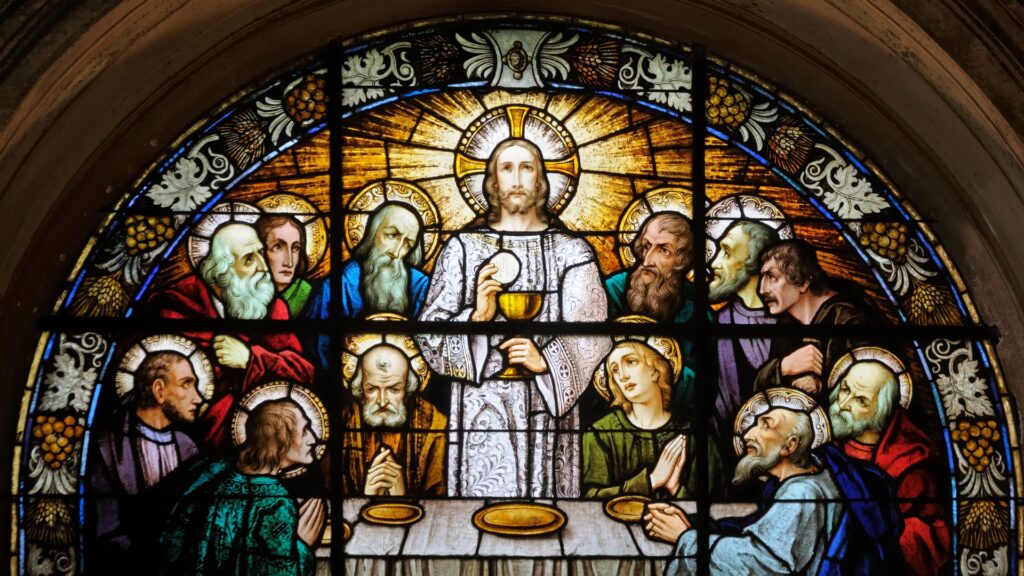
Forgiveness, humility, compassion, and the pursuit of spiritual excellence are the hallmarks of a life lived in the spirit of Jesus. When I look at these values through the lens of yoga philosophy, I see remarkable alignment. Yoga teaches us to cultivate compassion, to practice non-violence, to release judgment of ourselves and others, and to show up in the world with openness and love.
For Christian practitioners, yoga does not replace prayer, scripture, or community, it deepens the capacity for the very qualities that Christ embodied. Many of our guests at Blue Osa come from Christian backgrounds and find that their time on the mat brings them closer to their faith rather than further from it.
Islam and Yoga: Self-Discipline and Spiritual Growth
Islam is built upon the Five Pillars, declaration of faith, daily prayer, fasting, charity, and pilgrimage, as well as six core beliefs that orient the life of every Muslim around devotion to Allah, ethical conduct, and spiritual growth. Self-discipline, mindfulness, and a deep commitment to living in accordance with God’s will are central to Islamic practice.
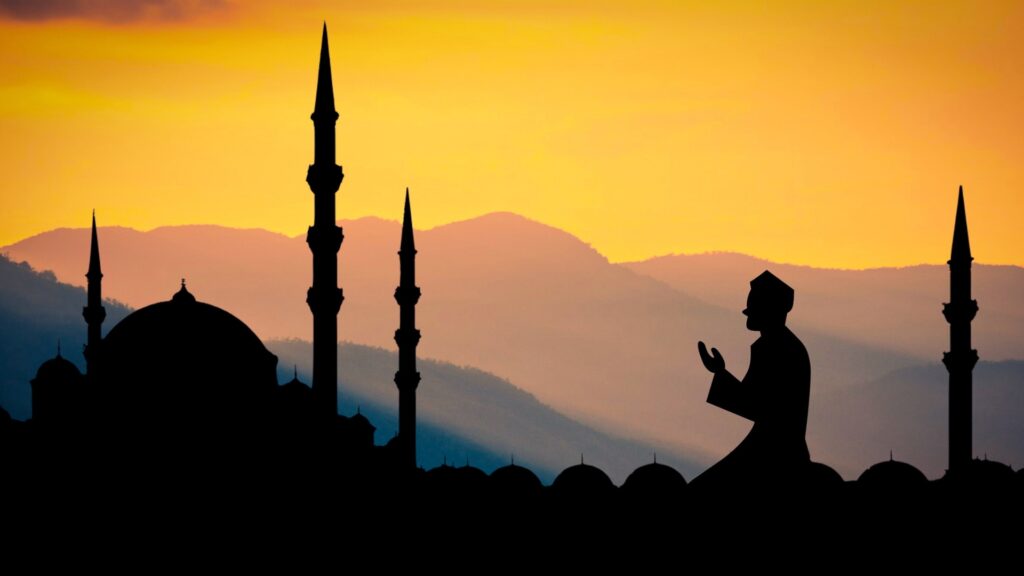
The philosophy of yoga, with its emphasis on self-discipline, ethical behavior, breath awareness, and the cultivation of inner peace, can complement these principles beautifully. Yoga does not ask its practitioners to worship any deity or adopt any belief system that conflicts with Islamic teaching. Instead it offers practical tools for deepening self-awareness, managing the mind, and nurturing a more grounded and peaceful relationship with oneself and with God.
Many Muslim practitioners around the world have found yoga to be a powerful addition to their spiritual lives precisely because of this alignment.
Hinduism and Yoga: The Deepest Connection
It would be incomplete to discuss yoga and religion without acknowledging the deep historical and philosophical connection between yoga and Hinduism. Often referred to as the oldest religion or the eternal law, Sanatana Dharma, Hinduism is characterized not by a rigid set of shared beliefs but by a rich and diverse collection of philosophical perspectives.
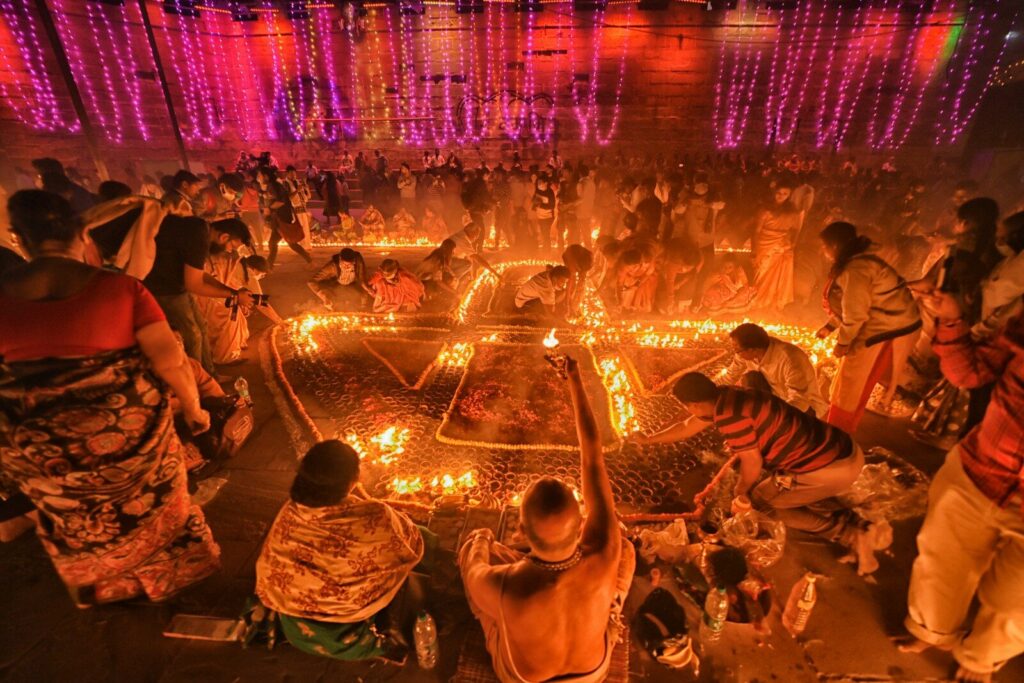
It upholds absolute freedom of belief and worship, recognizes the world as a unified family, and embraces all forms of spiritual inquiry. The concepts that form the foundation of yoga philosophy, Brahman, the supreme spirit; Atman, the true self; karma, the law of cause and effect; and reincarnation, are deeply woven into Hindu thought. Yoga and Hinduism share the same ancient roots, and for Hindu practitioners, yoga is not just compatible with their faith, it is an expression of it.
Confucianism and Yoga: Ethics, Virtue, and Social Harmony
Confucianism is a philosophical and ethical system that originated in ancient China, built around the teachings of Confucius and centered on moral excellence, social harmony, and the cultivation of virtuous character. At its heart are the concepts of benevolence, respect for elders, and the importance of right relationship with family, with community, and with society at large.
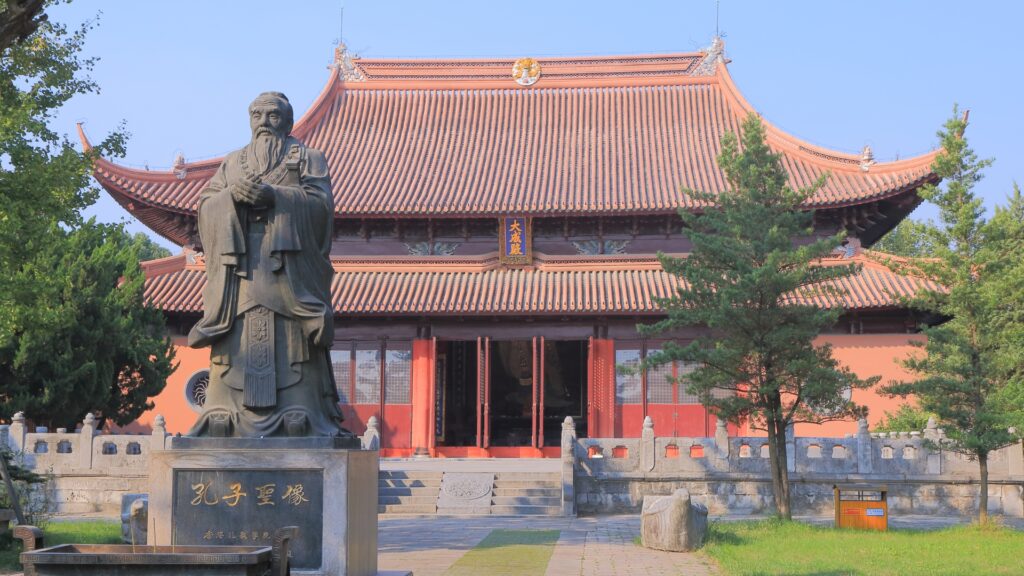
The ultimate goal of Confucianism is to build a harmonious world through the development of ethical individuals. Yoga philosophy shares this commitment to ethical living through its own framework of moral principles, non-violence, truthfulness, non-stealing, and self-discipline among them. For those who follow the Confucian tradition, yoga offers a complementary path of inner cultivation that supports and deepens the outward ethical life that Confucianism calls us toward.
Taoism and Yoga: Living in Flow With the Universe
Taoism is a philosophical and spiritual tradition from ancient China centered on the concept of Tao, the way, or the fundamental force underlying all existence. Taoism encourages individuals to live in harmony with this universal flow, emphasizing spontaneity, simplicity, and naturalness. One of its most central teachings is the idea of wu-wei, effortless action, the art of moving through life without excessive force or resistance, aligning ourselves with the natural order of things rather than fighting against it.
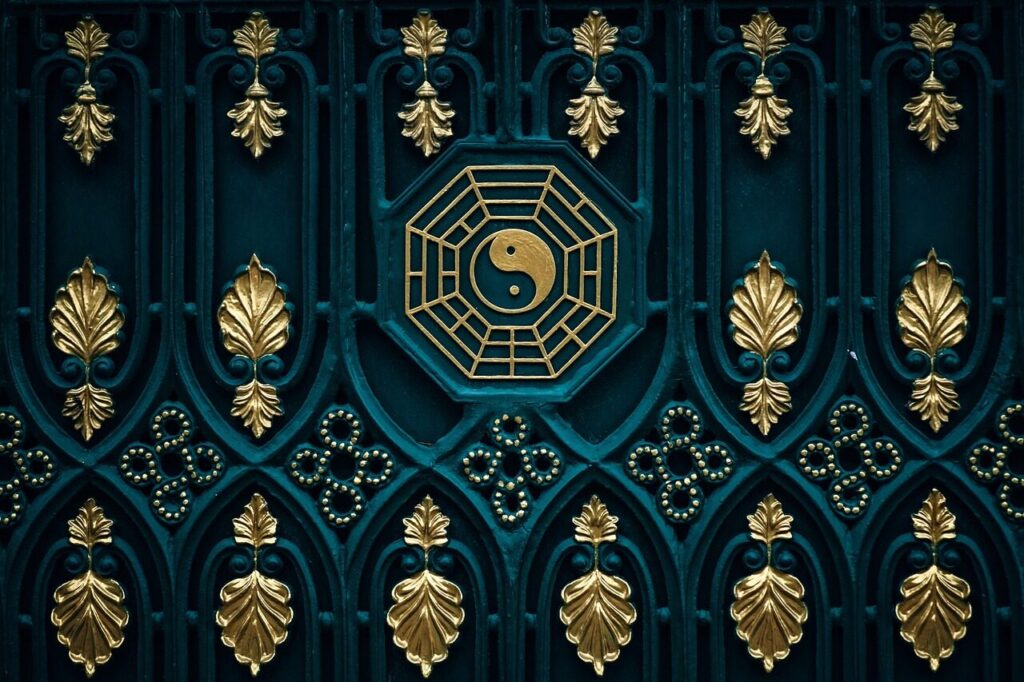
Anyone who has spent time on the yoga mat will recognize this principle immediately. Yoga teaches us to breathe through resistance, to find ease within effort, and to stop forcing outcomes that are not yet ready to emerge. For Taoist practitioners, yoga is a deeply natural fit, a physical and philosophical practice that mirrors the very essence of living in flow with the universe.
Stoicism and Yoga: Self-Mastery and Inner Tranquility
Stoicism is a philosophical school of thought that originated in ancient Greece and flourished in Rome. It teaches that the path to inner tranquility lies in focusing exclusively on what we can control, our thoughts, our attitudes, and our actions, and releasing our attachment to everything we cannot. Wisdom, courage, self-discipline, and justice are the cardinal virtues of the Stoic life.
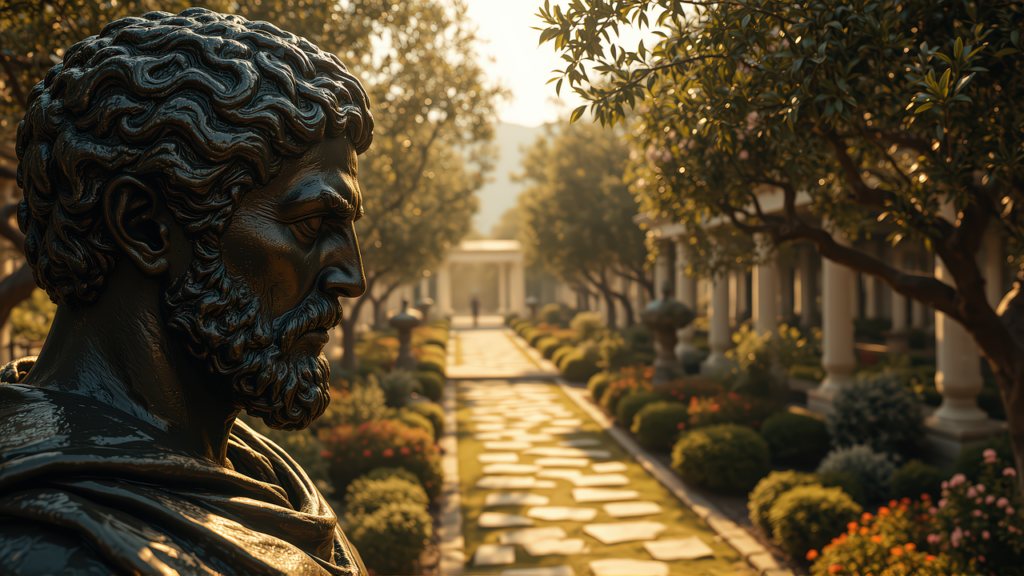
The parallels with yoga philosophy are striking and profound. Both traditions call us to cultivate self-awareness and self-mastery. Both teach us to observe our own minds without being controlled by them. Both emphasize ethical conduct as the foundation of a well-lived life. And both point us toward a deep and lasting inner peace that does not depend on external circumstances. For those drawn to Stoic philosophy, yoga offers a living, breathing practice that puts these principles into daily action.
Why Should We Study Yoga Philosophy?
Why Yoga Philosophy Makes You a Better Person
Studying yoga philosophy is not an academic exercise. It is a profoundly practical and deeply personal journey that has the potential to change the way you see yourself and the world around you. Through the study of yoga philosophy we gain a richer understanding of the nature of reality and the human experience.
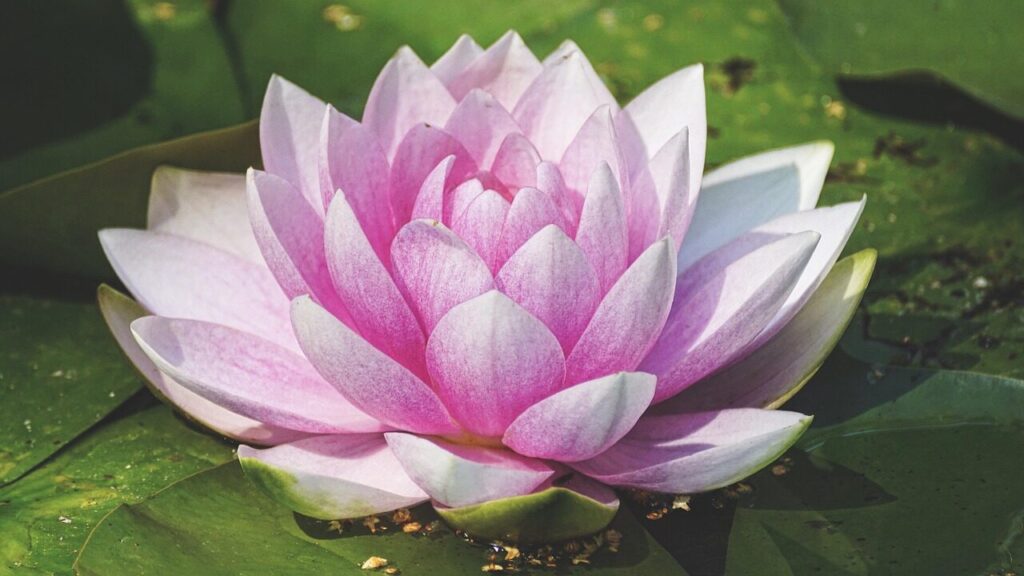
We develop practical tools for ethical living, self-discipline, and mindfulness that improve every relationship in our lives. We embark on a path of spiritual exploration that connects us to something greater than ourselves and gives our lives a deeper sense of meaning and purpose. We learn to manage stress, find inner peace, and navigate the inevitable difficulties of life with greater resilience and grace.
And we develop a profound appreciation for the ancient wisdom traditions that gave birth to these teachings, the wisdom is as relevant today, as it was thousands of years ago. Simply put, studying yoga philosophy makes you a more conscious, compassionate, and intentional human being. And the world needs more of those.
Why We Study Yoga Philosophy in Yoga Teacher Trainings?
Through the study of yoga philosophy, taught in 200 hour and 300 hour yoga teacher trainings, we gain a richer understanding of the nature of reality and the human experience.
- Deepening understanding: The philosophy of yoga provides a comprehensive framework for understanding the nature of reality, the human experience, and the mind-body connection. By studying yoga philosophy, we gain insights into profound philosophical concepts and gain a deeper understanding of ourselves and the world around us.
- Personal Growth: The philosophy of yoga offers practical tools and techniques for personal growth and self-improvement. It provides guidance on ethical behavior, self-discipline, mindfulness, and self-study. By applying these principles in our daily lives, we can cultivate positive qualities, develop inner strength, and improve our relationships with ourselves and others.
- Spiritual Exploration: The philosophy of yoga explores the nature of consciousness, the self, and the spiritual dimensions of life. It offers pathways to self-realization, enlightenment, and transcendence. By studying yoga philosophy, we can embark on a journey of spiritual exploration, deepen our connection to something greater than ourselves, and find meaning and purpose in our lives.
- Enhancing Yoga Practice: The philosophy of yoga provides a broader context and understanding of the practices and techniques involved in yoga. It helps us connect the physical postures (asanas), breath control (pranayama), meditation, and other yogic practices to their underlying philosophical principles.
- Stress Reduction and Well-being: The philosophy of yoga emphasizes mindfulness, meditation, and relaxation techniques that promote stress reduction and overall well-being. By studying yoga philosophy, we can learn valuable techniques for managing stress, finding inner peace, confronting our fears, and improving our mental and emotional well-being.
- Cultural Appreciation: The philosophy of yoga has deep roots in ancient Indian traditions and culture. By studying yoga philosophy, we can develop a greater appreciation and understanding of the historical and cultural context from which yoga emerged.
Why Yoga Philosophy Makes You a Better Person
We develop practical tools for ethical living, self-discipline, and mindfulness that improve every relationship in our lives. We embark on a path of spiritual exploration that connects us to something greater than ourselves and gives our lives a deeper sense of meaning and purpose. We learn to manage stress, find inner peace, and navigate the inevitable difficulties of life with greater resilience and grace.
And we develop a profound appreciation for the ancient wisdom traditions that gave birth to these teachings, wisdom that is as relevant today as it was thousands of years ago. Simply put, studying yoga philosophy makes you a more conscious, compassionate, and intentional human being. And the world needs more of those.
How Blue Osa Welcomes All Religions and Beliefs on the Mat
At Blue Osa, we have one unshakeable belief when it comes to yoga and spirituality, everyone is welcome here. We warmly embrace individuals of all races, creeds, and religious backgrounds, and we celebrate the extraordinary diversity of spiritual traditions that make up our global community. Our philosophy is not about converting anyone to a particular belief system or asking anyone to leave their faith at the door.
It is about creating a space where human beings from every walk of life can come together, slow down, breathe deeply, and reconnect with what matters most. Whether you are a devoted Christian, a practicing Muslim, a committed Buddhist, a lifelong Hindu, or someone who simply feels drawn to explore what yoga has to offer, you have a place on the mat at Blue Osa.
Take Your Yoga Journey Further With Blue Osa
Located on the wild and breathtaking Osa Peninsula of Costa Rica, Blue Osa is an eco-resort, yoga retreat, and spa that has been welcoming spiritual seekers from around the world for years. Our yoga teacher training programs have been called transformational and life-changing by the students who complete them, and that is not an accident.
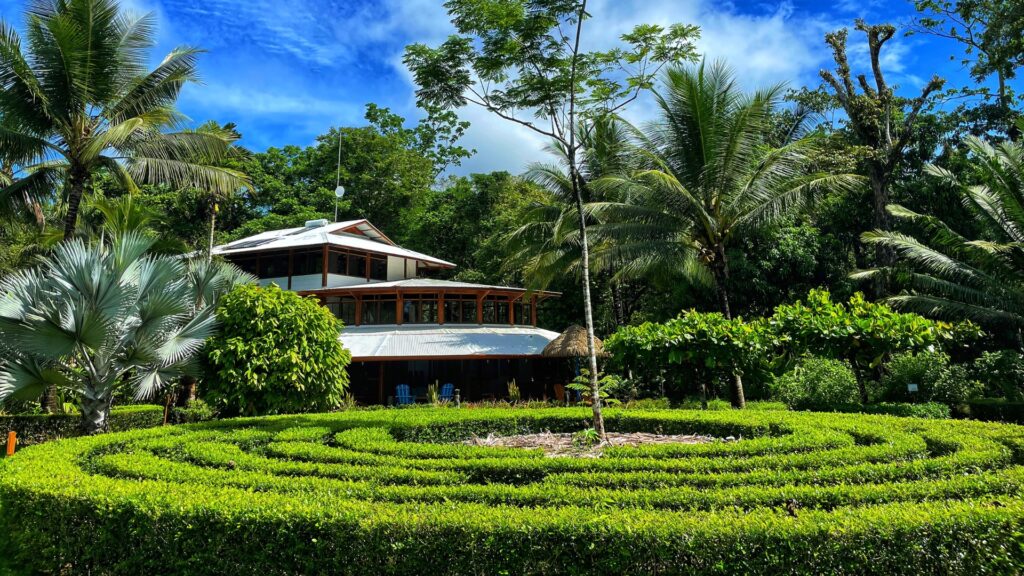
We go far beyond the physical postures to explore the full depth of yoga philosophy, giving our students the tools, the knowledge, and the personal transformation they need to carry this practice into the rest of their lives.
If the question of is yoga is a religion brought you here today, I hope what you have found is not just an answer but an invitation. An invitation to go deeper into your own spiritual life, to explore a practice that has the power to complement and enrich whatever faith tradition you carry, and to experience that exploration in one of the most beautiful and nourishing places on earth. We would love to welcome you to Blue Osa. Your mat is waiting.
About The Author, Yogi Aaron

Yogi Aaron is the founder and creator of Applied Yoga Anatomy + Muscle Activation™ (AYAMA), a revolutionary methodology that challenges conventional approaches to yoga. Using a science-backed approach, he prioritizes muscle activation over traditional stretching.
With over three decades of dedicated study, mentorship, and hands-on experience, he has established himself as a leading expert in yoga therapy, alignment, and pain-free movement.
As owner and operator of Blue Osa Yoga Retreat + Spa in Costa Rica, Yogi Aaron leads transformative programs that combine his expertise in yoga instruction, retreat facilitation, and wellness business operations. His work spans both in-person immersive experiences and digital education through The Yogi Club online platform and the AYAMA™ Certification Program.
Yogi Aaron’s teaching methodology represents a paradigm shift in modern yoga practice. AYAMA focuses on activating and engaging muscles to enhance range of motion, build strength, improve stability, and optimize alignment—while reducing pain and injury risk. This evidence-based approach has positioned him as a thought leader challenging the status quo in the yoga community.
His mission extends beyond the mat: to liberate individuals from chronic pain and guide them toward discovering yoga’s authentic purpose through intelligent, body-informed practice.
Learn more about training opportunities with Yogi Aaron at Blue Osa Yoga Retreat + Spa.
Check Out These Other Popular Posts!
Tags: Blue Osa, Yoga Philosophy
Book/Inquire Now
Got pain? This will help you!

YOU DESERVE TO LIVE PAIN-FREE...
Receive 7 short, simple, and effective practices to alleviate knee, hip, low back, neck, shoulder pain, and more!
All you need is 5 minutes per lesson and it's FREE!
This revolutionary approach to yoga is new, and no one else is teaching this! Since I created Applied Yoga Anatomy + Muscle Activation™ and started teaching it consistently, I've witnessed students heal long-standing injuries, access yoga postures they never thought possible, and tell me over and over again how their body just feels better.
I hope you'll join me on this journey!
~Yogi Aaron
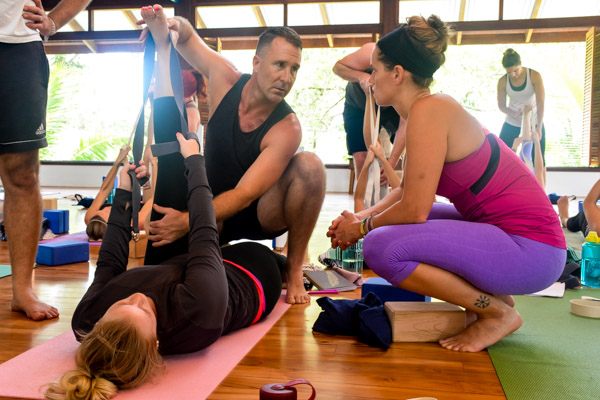
Is Yoga Teacher Training Right For Me?
We Created This FREE 5 Part Series So You Can Get All The Information To Make The Right Choice.
In this series, you will learn:
-
- Am I a candidate for yoga teacher training??
-
- What will I learn in a YTT?
-
- Do I need to have a perfect downward dog to attend YTT?
14-Day 200-Hour Yoga Teacher Training in Costa Rica
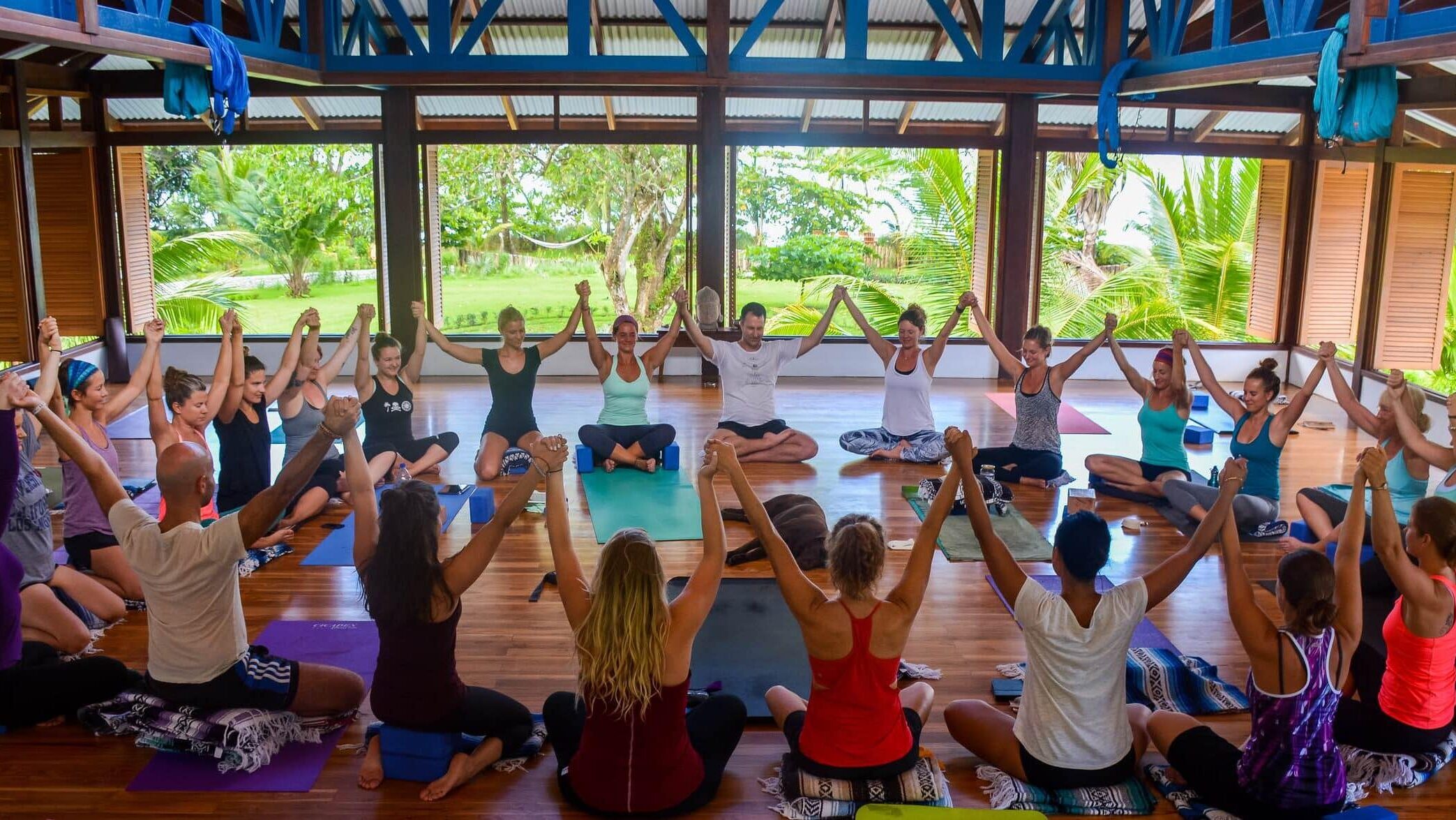
If you are looking for a 14-day 200 hour Yoga Teacher Training Costa Rica Immersion, you have landed in the right place. Join the next one!
300-Hour, 28-Day Yoga Teacher Training
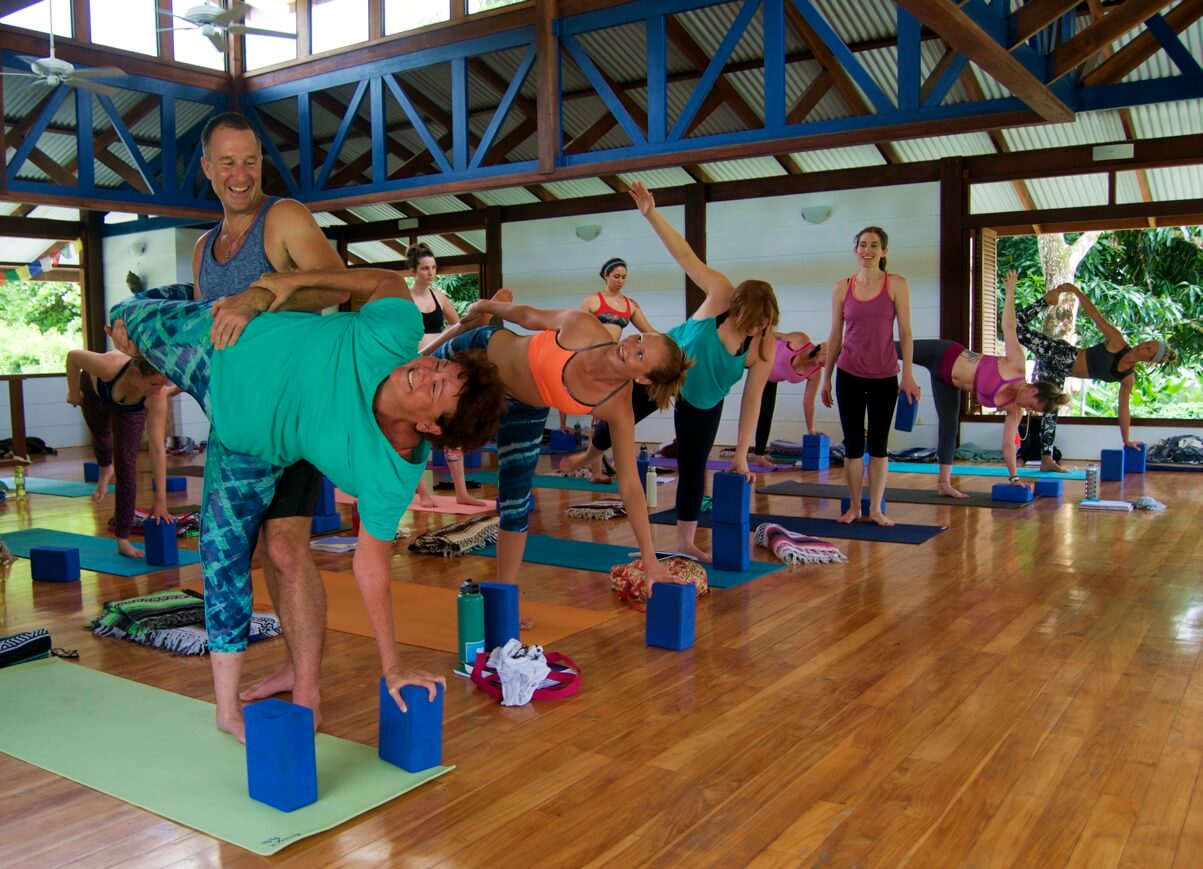
Do You Feel Called To Something Greater?
This 300-Hour Yoga Teacher Training immersion training at Blue Osa will immerse you in yoga for one month.
You will have the specific transformational skills and yogic practices you need in order to connect with your higher purpose.
And more! You will be able to offer these transformative skills to others!
