

Figuring out how to improve your digestive system can be somewhat tricky. And taking a vacation yoga retreat to a place that serves farm-to-table-cuisine can help you improve it.
We are a society that is often on the go and travels often, so we can’t plan for every detail of what we consume. With so much information out there about nutrition, it’s nearly impossible to sift out the genuine truth.
It’s even more difficult when you can’t fully trust that what you’re eating is 100% whole and organic. Either that, or the advice you find is to sacrifice all of your beloved foods and basically rearrange your entire life around digestion.
Fortunately, you don’t have to drastically alter your life or break your bank to find balance. There are simple eating practices you can take with you wherever you go, that will support digestion and help you feel your best.
Here are some different ways to improve your digestion.
1. Eat the Rainbow
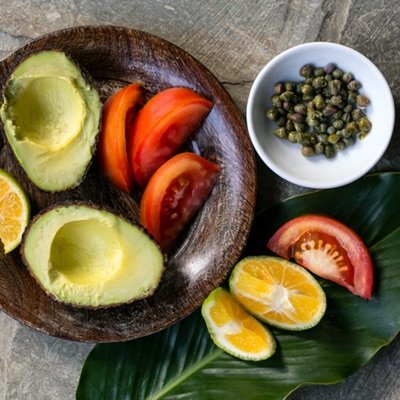
Color variety matters. The more colors you have on your plate, the better! This is an easy way to determine if you’re getting plenty of nutrients in your meal because colorful fruits and vegetables are packed with essential vitamins and antioxidants that promote skin and bone health, immunity, and brain function and reduce the risk of atherosclerosis, heart disease, hypertension, and high cholesterol. For a healthy digestive system, look for blue and purple foods, such as eggplant, grapes, purple cabbage, potatoes, plums, blueberries, grapes, raisins, and figs. When trying to pin down how to improve digestion, if your plate is colorful, you can be sure you are doing it right! At Blue Osa, we believe in delivering the earth’s nutrients by practicing farm-to-table cooking. Please look at our menu for what we nourish our bodies with daily.
2. Whole Grains vs. Refined Grains – what’s the difference and why does it matter?
Refinement is a good thing, but maybe not in this case. The difference between a whole grain and a refined grain lies in the way they are each processed. A refined grain has been stripped of the bran and germ. In doing so, all of the important nutrients are removed. If you are trying to improve your digestion, you don’t want to consume this. The bran and germ parts of grains contain fiber, B vitamins, iron, copper, zinc, magnesium, vitamin E, phytochemicals, and healthy fats. Whole grains only have one thing removed, which is the indigestible outer hull. In addition to providing important vitamins and minerals, whole grains help regulate glucose levels, making sure your body has a steady supply of blood sugar.
3. Limit Added Sugar
A tale as old as time. Too much sugar can lead to weight gain, but it can also affect how you sleep, energy levels, and yes, even digestion! Too much sugar pulls water into the large intestine, making you feel bloated and heavy. On top of that, any sugar that the body can’t break down sits in the bowels, causing pain and feeding harmful bacteria. Obviously, this does not support healthy digestion. If you have a strong sweet tooth, you may know what it feels like to still be hungry even after indulging in a huge slice of chocolate cake. This is because sugar doesn’t trigger insulin, which then doesn’t trigger ghrelin, so you don’t feel satiated. This causes you to want even more, which just feeds back into the vicious sugar cycle.
4. Increase Fiber
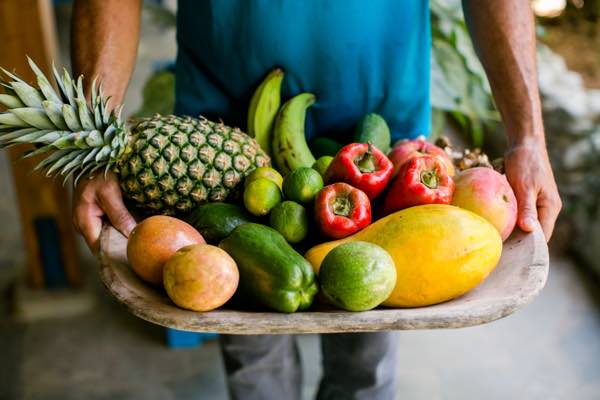
While we might want to consider reducing sugar intake, we should also consider increasing fiber intake. Dietary fiber found in vegetables, fruits, beans, and whole grains helps absorb water, which is what keeps your digestive system efficient – just make sure you are drinking enough water as well! While it benefits the elimination process, fiber also supports the earlier stages of digestion. It’s high in volume and takes a long time to digest, making you feel fuller and longer. Traditional Costa Rican cuisine naturally has tons of fiber packed in. At Blue Osa, we believe in serving our community with authentic Costa Rican food straight from the ground, so while you stay, you can enjoy becoming one with nature – literally!
5. Hold the Ice
This little tidbit was first introduced to me while studying Chinese dietetics. From an Eastern perspective, iced foods and beverages cool the digestive fire. From an occidental view, ice does two things. First, it slows digestion, inhibiting peristalsis, which is the contraction of the gastrointestinal muscles that propel food down the intestinal tract and causes the stomach to contract. Second, it requires the body to use more energy because it has to heat the water.
Why is slowing digestion a bad thing? Generally, slower digestion results in less energy because your body expends more effort to digest. Your body also absorbs fewer nutrients, and you may feel heavy and lethargic. If you want to improve your digestion, drink water without ice.

6. Spend more time chewing
I know, I know, you’ve heard this before, but honestly, it changes things. Digestion is the process of mixing food with digestive juices and breaking it down into incrementally smaller pieces as it moves from one step to the next. Digestion begins in our mouths, so by chewing our food well, we increase the surface area of what we are consuming. This makes it easier for nutrients to be broken down for absorption once our food reaches the later stages of digestion.
Chewing a little more slowly also gives your body a chance to feel full and helps prevent overeating.
7. Portion Control: Less is More for Better Digestion
Portion control is a simple yet powerful way to improve digestion, boost energy, and enhance nutrient absorption. Think of your stomach like a blender—if you overfill it, the blades struggle to mix everything properly. Similarly, when you eat too much, your digestive system has a harder time breaking down food efficiently, leading to bloating, sluggishness, and nutrient malabsorption. By eating smaller, balanced meals, you give your body the space it needs to process food effectively, helping you feel lighter and more energized. Try mindful eating and portion awareness to support optimal digestion and overall well-being.

8. Eat mindfully
Mindful eating is the practice of approaching what we eat with intention so we can be more conscious of the ritual of meal times. When we focus our awareness on the full experience of the meal, it allows us to be more present and avoid overeating. Examples of mindful eating are considering where your food came from, tuning into how full you feel, and stepping away from work while you eat. So what does this have to do with better digestion? By heightening your awareness about the entire experience, you can be sure you’re giving your body exactly what it needs and the right amount of it. When you tune into your body, your body tunes into you in return. You will experience smoother digestion and a more gratifying meal overall.

Put these recommendations into practice and see if you feel any different! If you want to complement your digestion improvement journey with movement, here are a few yoga asanas to try.
- Apanasana, lying on your back with your knees pulled into your chest
- Supta Matsyendrasana, supine spinal twist
- Urdva Mukha Pasasana, “thread the needle”
- Uttana Shishosana, puppy pose
- Parivrtta Ashtachandrasana, High lunge twist
- Parivrtta Viparita Virabhadrasana, exalted twisted crescent
- Parivrtta Anjaneyasana, revolved crescent
And if you’re truly serious about giving yourself a full body detox and reset, check out our Total Body + Mind Detox Retreat Package at Blue Osa. You will feel lighter both physically and mentally while being pampered and eating the most deliciously fresh farm-to-table meals!
Check Out These Other Popular Posts!



Tags: Health
Book/Inquire Now
Got pain? This will help you!

YOU DESERVE TO LIVE PAIN-FREE...
Receive 7 short, simple, and effective practices to alleviate knee, hip, low back, neck, shoulder pain, and more!
All you need is 5 minutes per lesson and it's FREE!
This revolutionary approach to yoga is new, and no one else is teaching this! Since I created Applied Yoga Anatomy + Muscle Activation™ and started teaching it consistently, I've witnessed students heal long-standing injuries, access yoga postures they never thought possible, and tell me over and over again how their body just feels better.
I hope you'll join me on this journey!
~Yogi Aaron

Is Yoga Teacher Training Right For Me?
We Created This FREE 5 Part Series So You Can Get All The Information To Make The Right Choice.
In this series, you will learn:
-
- Am I a candidate for yoga teacher training??
-
- What will I learn in a YTT?
-
- Do I need to have a perfect downward dog to attend YTT?
14-Day 200-Hour Yoga Teacher Training in Costa Rica

If you are looking for a 14-day 200 hour Yoga Teacher Training Costa Rica Immersion, you have landed in the right place. Join the next one!
300-Hour, 28-Day Yoga Teacher Training

Do You Feel Called To Something Greater?
This 300-Hour Yoga Teacher Training immersion training at Blue Osa will immerse you in yoga for one month.
You will have the specific transformational skills and yogic practices you need in order to connect with your higher purpose.
And more! You will be able to offer these transformative skills to others!
