

What you eat directly impacts your health and wellness, even if your doctor never mentions it. Often modern western medicine falls short in bringing chronic complaints into balance, something that is well known wisdom from thousands of years ago in Ayurveda the sister science of yoga where the yoga diet was the baseline for created good health. What you eat for yoga directly impacts not only your practice, but your entire life.
Whether you’re a seasoned practitioner or just beginning your yoga practice, understanding how the nutrition in a yoga diet supports your practice is essential. The right foods enhance your yoga practice not so much on the mat during practice, as it is recommended to practice on an empty stomach, but through the ancient yogic tradition of Ayurveda that teaches food is medicine. What we eat affects not just our physical body, but our mental clarity and spiritual awareness.
At a Blue Osa Yoga Retreat, our farm-to-table kitchen emphasizes nutrient-dense whole foods for yogis that nourish body, mind, and spirit. Our yoga diet is the fuel for our life, and as we learn in yoga, everything is energy and everything in connected, if we want to feel good on our mat and in our bodies then it is essential that we are eating the right foods.
These 10 superfoods are staples in the Blue Osa kitchen because they provide the perfect yoga diet: anti-inflammatory properties, muscle recovery support, sustained energy, bone strength, and digestive health. From pre-class fuel to post-practice recovery, here are our suggestions of when to eat in relationship to when you practice yoga and what to eat to enhance it and optimize the healing benefit of yoga.
When to Eat for Optimizing Your Yoga Practice
2-3 Hours Before Yoga
A yoga practice is best done on an empty stomach and it is recommended to practice early in the morning before your first meal. But we live in a modern busy world, and if your lifestyle and schedule doesn’t allow for this, then wait at least two afters eating. The best yoga diet consists of a balanced meal of complex carbs, protein, and healthy fats. Try oatmeal with banana and almond butter, or avocado toast with a side of berries.
30-60 Minutes Before Yoga
Even though it is not recommended to eat up to two hours before practicing yoga, if you must eat something within that timeframe before your practice, make it a light snack that is easy to digest and offers quick energy to enhance your yoga practice and not make you feel heavy, sluggish and unable to bend forward or twist with comfort. Half a banana, small handful of almonds, or a few dates with peanut butter.
Immediately After Yoga (within 30 min)
Your body feels amazing, your energy is fluid and your systems are in optimal function after practice, keep the good feelings going by sticking to a yoga diet. Greek yogurt with berries, dark chocolate chips and chia seeds, or a smoothie with protein and fruit.
Within 2 Hours After Yoga
Now you are ready for a full recovery meal with optimal macros of a yoga diet consisting of protein, fat and carbohydrates. A quinoa bowl with kale, avocado, pickled onions (or sauerkraut) and your choice of protein, grilled tempeh or tofu, chicken or fish.
What to Avoid Before Yoga
It is just as important to know what NOT to eat for yoga as it is to know what foods will enhance your yoga practice. Foods for yogis consist of healthy foods that sustain proper health and function of the body, mind, and our energy levels. These healthy benefits will be negated if included into a yoga diet.
- Heavy, greasy foods (digest slowly, cause discomfort)
- Large meals (blood diverts to digestion, not muscles)
- High-sugar foods (energy crash mid-practice)
- Carbonated drinks (gas and bloating in twists)
What Yogis Eat for Optimize Benefits of Their Yoga Practice
Chia seeds

Chia seeds are a powerhouse of fiber, omega-3 fatty acids, antioxidants, magnesium and more calcium than a glass of milk! They will enhance your yoga practice by reducing inflammation of hardworking muscles, regulate bowel function, aid in strong bones and a healthy heart. These tiny seeds make great additions to smoothies, salads or stir fries because you barely notice them. But there is a right and wrong way to eat them.
It is imperative to soak them for up to fifteen minutes before ingesting as they expand when wet. This is part of their potent power, as they can expand ten to thirty times their size and absorb twelve to twenty seven times their weight. Because of this expansion they can help you feel full longer but may also dehydrate without enough water consumption and cause constipation, so make sure to up your water game when adding chia seeds to your yoga diet.
Since they get gelatinous when soaked, this slimy texture may be unappealing and so adding soaked seeds to a smoothie or in your overnight oats with some berries and make a antioxidant rich way to enhance your yoga practice.
Yogurt

This crowd favorite packs a powerful punch to enhance your yoga practice. Aside from the abundance of vitamins, including B12 for healthy red blood cells and nervous system, yogurt maintains proper digestion with its live cultures of healthy gut bacteria and promotes strong bones with its high calcium content.
Yogurt protein also promotes water absorption and balances sodium in our bodies, an important part of staying hydrated in today’s sodium-craving culture. Eating yogurt within 60 minutes will enhance your yoga practice by providing essential amino acids for restoring our blissfully stretched-out muscles.
Want even more bang for your spoonful? Try Greek yogurt (an incredibly high source of protein) topped with pepitas, fruit, chia seeds and honey – yum!
Avocado

This incredibly creamy, delicious fruit (yes, fruit) is possibly one of the most perfect foods you can eat. Rich in vitamins and minerals and full of healthy fats, avocados facilitate the absorption of nutrients in the other foods we eat. They keep your heart and brain functioning properly, promote blood circulation and regulate blood pressure, as well as, aid in digestion and even prevent cancer, all while boosting anti-inflammatory and anti-aging qualities.
If there were only one foods for yogis to include everyday, the avocado is it! Eating one before your yoga practice will help you feel satiated and keep your body functioning properly during all those sun salutations.
The simplest way to enjoy is mashed on your favorite toast and drizzled with a little olive oil, a sprinkle salt and pepper, and your desired other toppings to complete a killer avocado toast to suit your mood. The options are endless for creating a sweet or savory meal. You could even blend it into a smoothie, toss it into a salad or add it to a sandwich. We love to add it to a fried egg sandwich with sautéd kale and hot sauce. Get creative! Avocados are delicious, nutritious and fun to experiment with, some people even add them to chocolate brownie recipes!
Oats

Whole oats should be a staple of any yoga diet. They are packed with fiber and protein, as well as manganese which is essential in building strong bones. Like avocados and chia seeds, the fiber in oats fills you up, keeping you satiated for longer and aiding in digestion by literally scraping the sides of your intestines, bringing food along with it to eliminate it.
This staple can be added to any thing from cookies and breads (you can even grind it up to use as a gluten-free flour!) to fruit crisps and desserts. Oats are great to add to smoothies for extra protein, or you can keep it simple and make oatmeal to have with berries, nuts, seeds or honey, add some yogurt and you’re set! Short on time in the morning, before you go to bed make overnight oats. Add your oats, chia seeds, favorite milk, and desired toppings into a sealed mason jar and place in the fridge overnight.
Pineapple

A tasty treat that is the only natural source of an important ‘clean-up’ enzyme that digests dead protein cells resulting from injury or tears during the muscle-building process. This enzyme is an important part of what to eat for yoga because it also helps relieve muscle soreness. This exotic addition to your diet is also a great source of vitamin C and manganese, promoting iron absorption and strong bones. It is the main export of Costa Rica and a staple to Blue Osa’s Total Body + Mind Detox Retreat. Try pineapple in smoothies, with yogurt and granola, cooked into stir fries, tossed into a salad, or just on its own as a part of your yoga diet!
Banana

The complex carbs in this sweet fruit are great for lasting energy, but it is their potassium that makes them a powerful addition to any yoga diet. They help prevent muscle cramps by promoting proper contraction and relaxation. This is important to enhance your yoga practice because they will give us a quick boost of energy we need to make it to savasana. If you need a quick little something in your belly to fight the hunger before taking a class, this is your snack.
You can also add to your chia seed pudding, overnight oats, to thicken up a smoothie, or to a yogurt parfait.
Kale

Kale is a calcium goldmine, contains more iron than a similar-sized serving of red meat, and supplies an abundant amount of vitamin K. It is also packed with fiber, so will go a long way in regulating digestion, while the calcium promotes a strong spine and skeleton.
The best way to eat kale is fresh, try it in a smoothie or massaging it with a little olive oil, then squeeze a wedge of lemon and sprinkle of salt and pepper on top. It’s nice to mix it with other greens like spinach and arugula as a salad base to distribute the earthy taste. Add it to stir fries, lentils, soups or warm quinoa salads to level up the nutritional value. Or just sauté it with garlic and onions as a perfect side to any dish. A popular snack is baked kale chips spiced any way you like, even create a “Dorito” flavor!
Quinoa
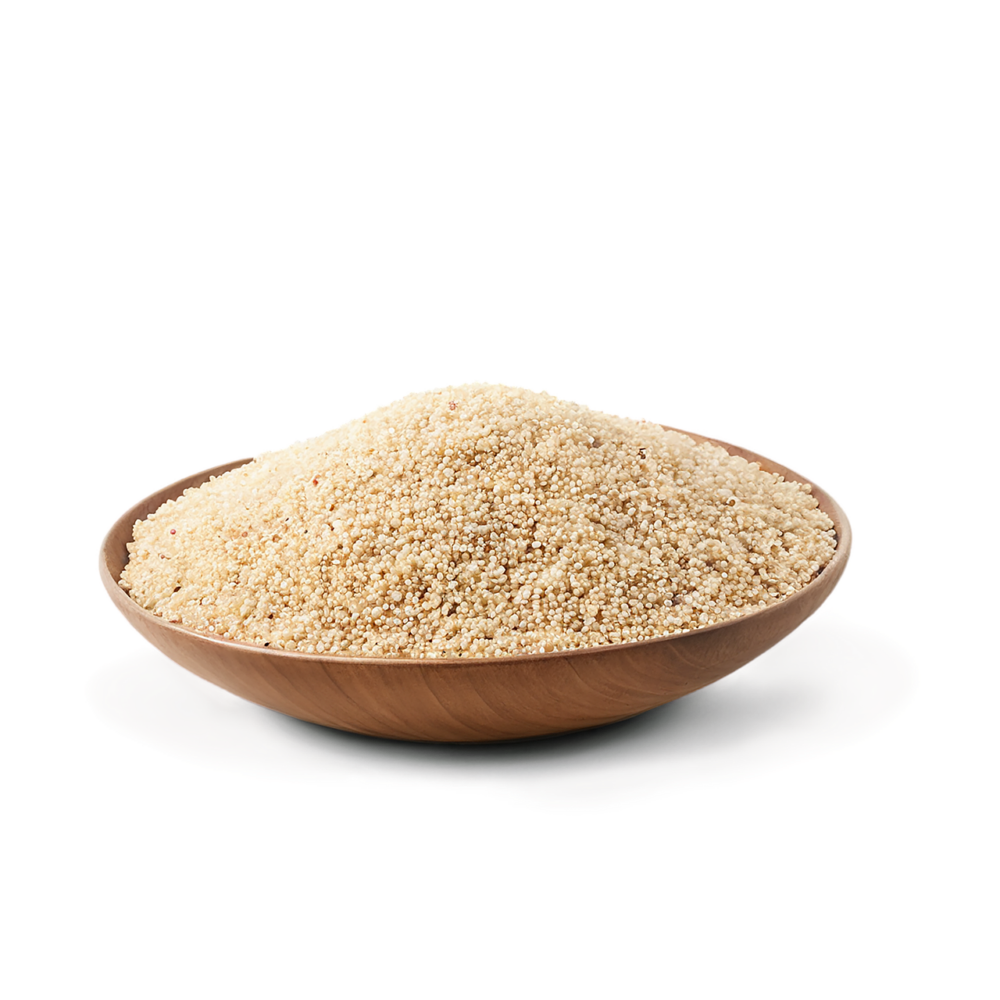
The most protein-rich food we can add to our yoga diet. It is a complete protein, which means it contains all nine essential amino acids. Extremely high in fiber and iron, quinoa is great for our digestion and blood circulation. Other vitamins and minerals in quinoa are important for nervous system function, energy production and building strong bones. Quinoa is also gluten-free so it’s a great addition to your diet if you are allergic to gluten.
Quinoa can be added to salads, cooked in stir fries or paired with steamed veggies. One fun way to incorporate quinoa is quinoa patties. Mix cooked quinoa with sautéed garlic, onion, and your favorite spices and finely chopped cooked veggies, egg or greek yogurt, form into patties and pan fry in a little coconut oil. For an added flare, coat in your preferred bread crumb to make a crispier version.
Almonds

Listing the myriad health benefits of almonds would take all day, in a nutshell (ha!). Almonds promote bone health, immune system function, have anti-inflammatory properties, regulate blood pressure, enhance digestion, prevent cancer and boost energy. These are all important qualities we want for a healthy yoga diet: strong bones, blood circulation, healthy gut, good elimination are vital to maintaining and energizing prana to enhance your yoga practice.
The best way to eat them is raw and unsalted, so toss a snack container of almonds mixed with dark chocolate chips in your yoga bag so you always have a handy healthy snack. Sliced or chopped almonds can be a fantastic addition to salads, chia pudding, overnight oats, oatmeal or in a cup of yogurt. They can also simply be paired with your favorite fruit. Don’t forget about almond milk to blend in your smoothies
Cacao or Dark Chocolate

Cacao or dark chocolate is a great guilt-free choice to incorporate a sweet treat and a long time favorite foods for yogis to add into your routine. It has to be real dark, though, ideally cacao nibs or powder, or a 60% or higher dark chocolate bar.
Dark chocolate keeps blood sugar levels stable while increasing blood flow to the brain. A little nibble before class will boost energy and concentration because it contains the neurotransmitter responsible for releasing endorphins without making your belly uncomfortable during practice. It also contains a little natural caffeine, enough to give you a quick boost without any jitters to get your through that challenging power vinyasa.
This superfood adds nutrition and enjoyment as it compliments everything well. It is safe to say most people agree chocolate makes everything better, in our diet and in life.
The Ayurvedic Approach to Yoga Nutrition
In Ayurveda, yoga’s sister science, foods are classified by their qualities:
Sattvic Foods (Pure, Light)
Fresh fruits and vegetables, whole grains, nuts, seeds, legumes. These promote clarity, lightness, and spiritual awareness, ideal food for yogis.
Rajasic Foods (Stimulating)
Spicy, caffeinated, or overly salted foods. Create restlessness and agitation.
Tamasic Foods (Heavy, Dull)
Processed, stale, fried, or heavily preserved foods. Lead to lethargy and mental fog.
All ten foods in this article are sattvic as supportive foods for yogis: energy without restlessness, strength without heaviness, and nourishment that supports both body and mind.
At Blue Osa our menu honors these Ayurvedic principles, serving meals that energize your practice rather than weigh you down.
A Yoga Diet Promotes Health For Anyone
You don’t have to practice yoga to benefit from eating like one. These ten superfoods support anyone seeking greater energy, reduced inflammation, stronger bones, better digestion, and mental clarity. Whether you’re flowing through vinyasa, training for a marathon, chasing toddlers, or simply wanting to feel better in your body.
The principles are universal: choose anti-inflammatory whole foods over processed options, time your meals intentionally, stay hydrated, and honor the ancient Ayurvedic wisdom that food is medicine. What makes this approach transformative isn’t restriction or rigid rules, it’s the understanding that nourishing your body with intention creates vitality that extends into every area of life.
At Blue Osa Yoga Retreat & Spa, we’ve witnessed thousands of guests discover this truth firsthand. Our farm-to-table kitchen serves these exact foods in meals that taste incredible while supporting your body’s natural healing processes, whether you’re a seasoned yogi or someone who’s never set foot on a mat.
If living and eating like a Yogi feels like an overwhelming shift for you, we are here to help you reset and begin with confidence and ease. Our immersive retreats and trainings offer a holistic approach to daily life by combining mindful movement, nourishing whole foods, and plenty of quiet moments surrounded by pristine nature that support wellness breakthroughs that ripple far beyond your time with us in Costa Rica.
If you’re ready to experience how powerful the synergy between conscious eating and intentional living can be, we invite you to join us on the Osa Peninsula, where wellness isn’t a trend, it’s a way of life accessible to everyone. Your transformation begins with a single choice, may this blog lead you to making some good ones everyday.
About The Author, Yogi Aaron

Yogi Aaron is the founder and creator of Applied Yoga Anatomy + Muscle Activation™ (AYAMA), a revolutionary methodology that challenges conventional approaches to yoga. Using a science-backed approach, he prioritizes muscle activation over traditional stretching.
With over three decades of dedicated study, mentorship, and hands-on experience, he has established himself as a leading expert in yoga therapy, alignment, and pain-free movement.
As owner and operator of Blue Osa Yoga Retreat + Spa in Costa Rica, Yogi Aaron leads transformative programs that combine his expertise in yoga instruction, retreat facilitation, and wellness business operations. His work spans both in-person immersive experiences and digital education through The Yogi Club online platform and the AYAMA™ Certification Program.
Yogi Aaron’s teaching methodology represents a paradigm shift in modern yoga practice. AYAMA focuses on activating and engaging muscles to enhance range of motion, build strength, improve stability, and optimize alignment—while reducing pain and injury risk. This evidence-based approach has positioned him as a thought leader challenging the status quo in the yoga community.
His mission extends beyond the mat: to liberate individuals from chronic pain and guide them toward discovering yoga’s authentic purpose through intelligent, body-informed practice.
Learn more about training opportunities with Yogi Aaron at Blue Osa Yoga Retreat + Spa.
Read More Articles On Nutritious Food



Book/Inquire Now
Got pain? This will help you!

YOU DESERVE TO LIVE PAIN-FREE...
Receive 7 short, simple, and effective practices to alleviate knee, hip, low back, neck, shoulder pain, and more!
All you need is 5 minutes per lesson and it's FREE!
This revolutionary approach to yoga is new, and no one else is teaching this! Since I created Applied Yoga Anatomy + Muscle Activation™ and started teaching it consistently, I've witnessed students heal long-standing injuries, access yoga postures they never thought possible, and tell me over and over again how their body just feels better.
I hope you'll join me on this journey!
~Yogi Aaron

Is Yoga Teacher Training Right For Me?
We Created This FREE 5 Part Series So You Can Get All The Information To Make The Right Choice.
In this series, you will learn:
-
- Am I a candidate for yoga teacher training??
-
- What will I learn in a YTT?
-
- Do I need to have a perfect downward dog to attend YTT?
14-Day 200-Hour Yoga Teacher Training in Costa Rica

If you are looking for a 14-day 200 hour Yoga Teacher Training Costa Rica Immersion, you have landed in the right place. Join the next one!
300-Hour, 28-Day Yoga Teacher Training

Do You Feel Called To Something Greater?
This 300-Hour Yoga Teacher Training immersion training at Blue Osa will immerse you in yoga for one month.
You will have the specific transformational skills and yogic practices you need in order to connect with your higher purpose.
And more! You will be able to offer these transformative skills to others!
