

You’ve been thinking about it for months — maybe longer. A yoga retreat in Costa Rica. Or finally doing that teacher training you keep bookmarking and then talking yourself out of.
But every time you get close to booking, the questions start.
Is Costa Rica actually safe? What if my yoga practice isn’t advanced enough? What do I even pack for a jungle retreat? And what is that second flight situation I keep reading about?
You’re not alone. Visiting Costa Rica for the first time brings up a specific kind of excitement — the kind that travels right alongside a specific kind of nervousness. The country is wild, remote, and unlike anywhere most North Americans have traveled before. That’s exactly what makes it extraordinary. And yes, it’s also what makes the questions feel very real.
This custom guide is written for exactly where you are right now: drawn to Costa Rica, doing your research, and wanting honest answers — not a highlight reel.
We’ll walk you through everything a first-time visitor needs to know. Whether you’re a woman in your 30s who’s been practicing yoga for years and is finally considering a teacher training, someone planning a trip with a partner who wants more than a typical beach vacation, or anyone who has looked at Blue Osa’s retreats and thought this looks incredible but I have no idea what I’m getting into — this is for you.
Here’s what you’ll find in this article: a clear-eyed look at safety in Costa Rica backed by current data. We are going to share with you what getting here actually looks like (including that small plane).
You’ll find out more about the exotic wildlife that will encounter and why it’s far less scary than you’re imagining, the adventures available to you as a first-timer, and the practical things nobody remembers to tell you until you’re already on the ground.
By the end of this article, you won’t just feel informed. You’ll feel ready.
Costa Rica has a way enticing of enticing and drawing you in.
Pura Vida!
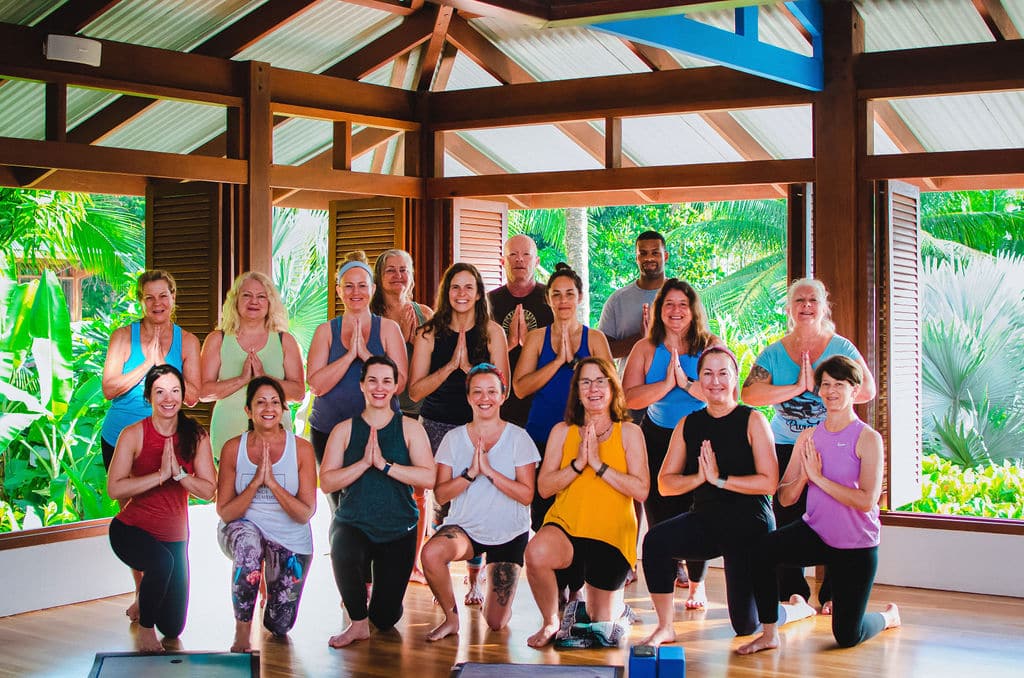
Is Costa Rica Safe for First-Time Visitors?
This is the question almost every person visiting Costa Rica for the first time asks before booking, and it deserves a direct answer.
Costa Rica ranks #1 in Central America for safety on the Global Peace Index, sitting 38th out of 163 countries globally — significantly ahead of the United States. It has no standing army (abolished in 1948), a deeply stable democracy, and a national philosophy — pura vida — that genuinely shapes how locals treat visitors. For a deeper look at staying safe on the ground, see our complete guide to Costa Rica safety tips.
That said, like any destination, it’s worth knowing where the actual risks are:
- Petty theft is the most common issue tourists encounter, particularly in San José, busy beach towns like Jacó, and crowded transport hubs. The solution is simple: don’t leave bags on the beach, keep valuables out of sight in cars, and use your room safe.
- Violent crime targeting tourists is rare. When it does happen, it makes headlines precisely because it’s the exception.
- Remote retreat locations are a world away from the urban centers where most crime is concentrated. Guests at beachfront eco-lodges are typically far removed from the risk factors that concern travelers.
The U.S. State Department issues a Level 1 or Level 2 advisory for Costa Rica — the same rating given to France, Italy, and the Bahamas. Context matters.
How Blue Osa Keeps Guests Safe
If you’re coming to a guided retreat or yoga teacher training, your safety profile looks very different from a backpacker navigating San José alone. At Blue Osa, your safety and wellbeing are our highest priority.
We have a night watchman on staff every evening.

During the day, Blue Osa operates exclusively for our guests — we do not allow outside day visitors onto the property. What this means in practice: you are in an intentional, protected space from the moment you arrive to the moment you leave. Our goal is to give you the conditions to fully relax, renew, and let go — and that starts with knowing you are genuinely looked after.
Most guests who arrive with safety concerns — particularly the solo female traveler — find them resolved within the first few hours. The structure, the staff, and the setting do that work together.
Flying to Costa Rica: What First-Timers Should Expect
Getting to Costa Rica is easier than most first-timers expect. San José’s Juan Santamaría International Airport (SJO) receives direct flights from most major U.S. cities, and travel time from the East Coast is roughly five to six hours.
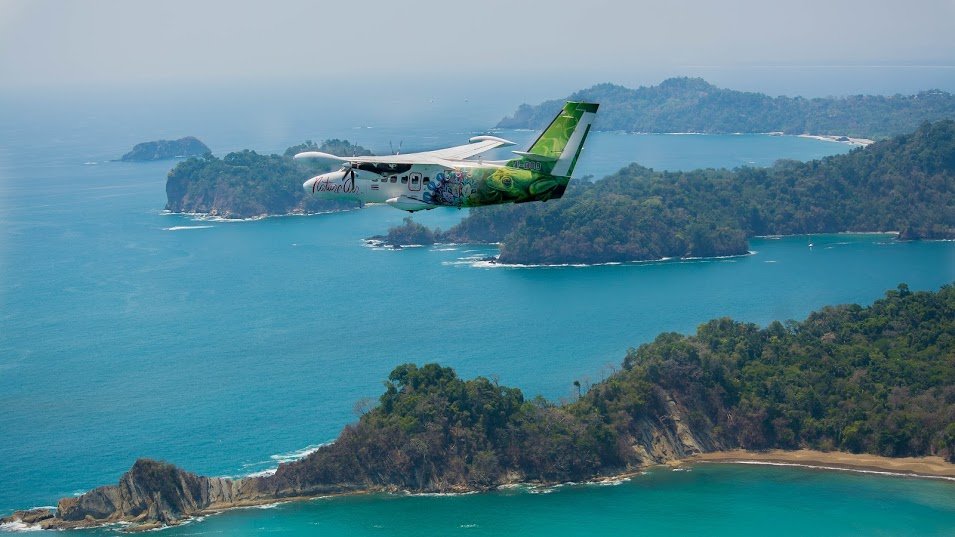
What does surprise people visiting Costa Rica for the first time is the domestic flight experience — particularly for those heading to more remote regions of the country.
The Small Plane to the Osa Peninsula Is Worth Every Minute
If your destination is in the southern Pacific — like the Osa Peninsula — you’ll board a second, much smaller aircraft for a 40-minute domestic flight. The planes are small. Yes, they feel different. And yes, it is worth every second.
The view descending toward the Osa is one of the most visually striking approaches in all of Central America: dense green rainforest pushing right to the edge of the Pacific, coastal rivers cutting through the jungle, and a shoreline that looks genuinely untouched.
A few things to know before this flight:
- Luggage weight limits are strict — typically 25 lbs. Pack light and leave the hard-shell suitcase at home.
- Flights operate on a different rhythm than commercial aviation. Weather and weight distribution affect departure times. Build flexibility into your arrival day.
- The flight itself is smooth and brief. Most passengers are too focused on the window to be nervous.
Costa Rica Wildlife: The Truth About Snakes, Bugs, and Jungle Creatures
Costa Rica contains nearly 5% of the world’s biodiversity in a country smaller than West Virginia. What that means on the ground: you will encounter wildlife. That’s not a warning — it’s one of the primary reasons people visit.
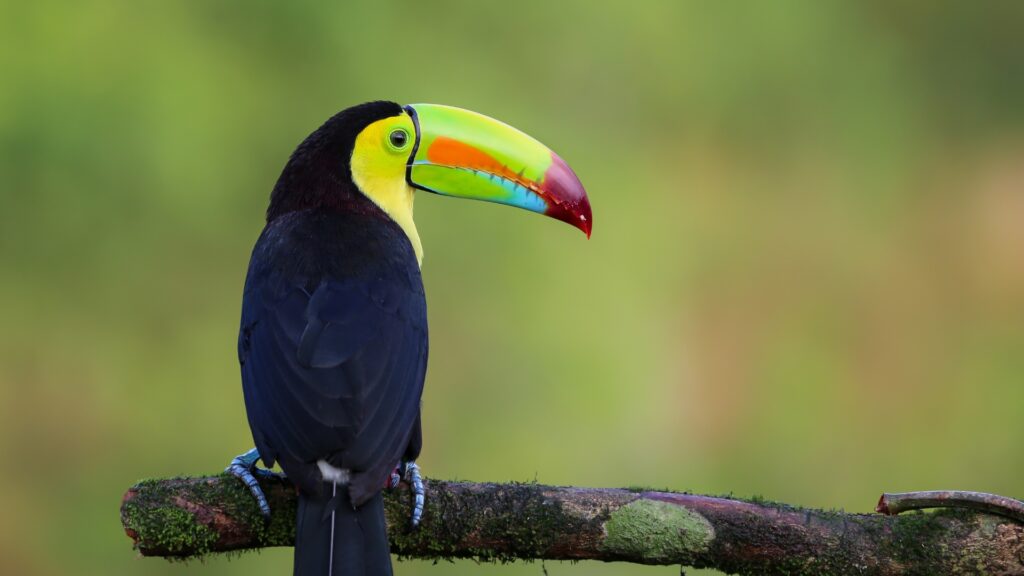
Snakes in Costa Rica — Facts Over Fear
Yes, there are venomous snakes in Costa Rica. The fer-de-lance and the bushmaster are the species most commonly cited. Here’s the practical reality:
- Snakes are rarely seen and actively avoid human contact.
- The single most effective precaution is also the simplest: carry a flashlight at night and watch where you step on jungle paths.
- Costa Rica is a world leader in anti-venom research and production. Medical response infrastructure for snakebites exists and is well-practiced.
- Local guides and retreat staff know their environment. Their calm, matter-of-fact relationship with the local fauna will recalibrate yours faster than any amount of pre-trip research.
Most guests who spend a week or more in the rainforest never see a snake. A few do, from a safe distance, and consider it a highlight.
Spiders and Insects: More Fascinating Than Frightening
The insects in Costa Rica are a feature of the ecosystem, not a hazard. The biodiversity on display — iridescent beetles, elaborate walking sticks, morpho butterflies the size of your hand — is genuinely unlike anything most North American visitors have encountered.

A few ground rules:
- Shake out shoes before putting them on each morning.
- Keep your room zipped or latched at night — not because of dangerous insects, but because the jungle is curious.
- Mosquito repellent with DEET is your most important daily-use item, particularly during the green season.
Most guests find that their relationship with bugs shifts within the first two days. What felt alarming at home becomes interesting in context.
Adventure Activities in Costa Rica: A First-Timer’s Guide to Zip Lines, Waterfalls, and Surfing
One of the most common things people discover when visiting Costa Rica for the first time is how accessible adventure is — even for those who don’t consider themselves particularly adventurous.
The country has built one of the world’s strongest eco-adventure tourism infrastructures. Operators are experienced, safety standards are high, and most activities are designed to be genuinely approachable for beginners.
Zip Lining Through the Costa Rica Rainforest
Zip lining through a tropical rainforest canopy is a different experience than anything in a theme park. The platforms are set into living trees. The views stretch across unbroken jungle to the Pacific. And the operators running these tours have been doing this for decades.

If heights make you nervous, this is worth trying anyway. The experience of flying above a rainforest canopy tends to resolve that anxiety more effectively than avoiding it. Most first-timers describe it as the activity they were most hesitant about and most glad they did.
Waterfall Rappelling in Costa Rica
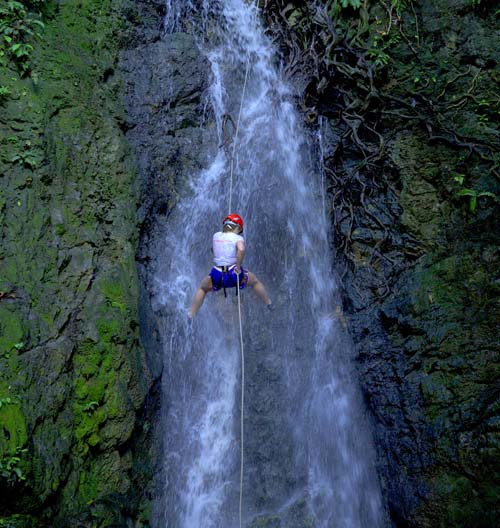
The southern Pacific and Osa regions have some of the most dramatic waterfall rappelling in the country. Guides handle all equipment and instruction — no prior experience is necessary or expected.
The combination of jungle hiking to reach the site, the physical challenge of the descent, and the sensory experience of moving through a living rainforest makes this one of the most memorable activities available to new visitors. Green season (May through October) is particularly rewarding — rivers are full and waterfalls are at their most powerful.
Surfing in Costa Rica as a Complete Beginner
Costa Rica’s Pacific coast offers some of the best beginner surf conditions in the world. Warm water, consistent breaks, and an established network of surf schools make it genuinely accessible regardless of experience level.
You don’t need to be athletic. You don’t need to have surfed before. What helps: willingness to fall, the ability to laugh at yourself, and an instructor who knows the local breaks.

Many guests who add a surf lesson to a yoga retreat find the two practices complement each other in unexpected ways — both require presence, balance, and a studied relationship with your own body.
What Costa Rica Looks and Sounds Like After Dark
First-time visitors often arrive expecting the jungle to feel threatening at night. What they find instead is one of the more extraordinary natural environments they’ve ever experienced after dark.
The soundscape alone — howler monkeys at dusk, the percussion of tree frogs, insects creating a constant living background — takes adjustment, then becomes one of the things guests miss most when they return home.

A few reasons to embrace Costa Rica after dark rather than retreat from it:
- Night sky quality on the Osa Peninsula is exceptional. On clear nights, the Milky Way is visible with the naked eye. Light pollution is virtually nonexistent.
- Fireflies are common in the jungle margins — for many visitors, the first time they’ve seen them in decades.
- Night tours introduce guests to nocturnal species — from dart frogs and kinkajous to night herons — in a guided, low-impact format.
- The darkness itself, once you’re past the initial adjustment, tends to produce a quality of sleep that guests remark on consistently.
5 Practical Tips for First-Time Travelers to Costa Rica
This is where most travel articles skip the details that actually matter on the ground. Here’s what experienced Costa Rica travelers wish someone had told them before their first visit.
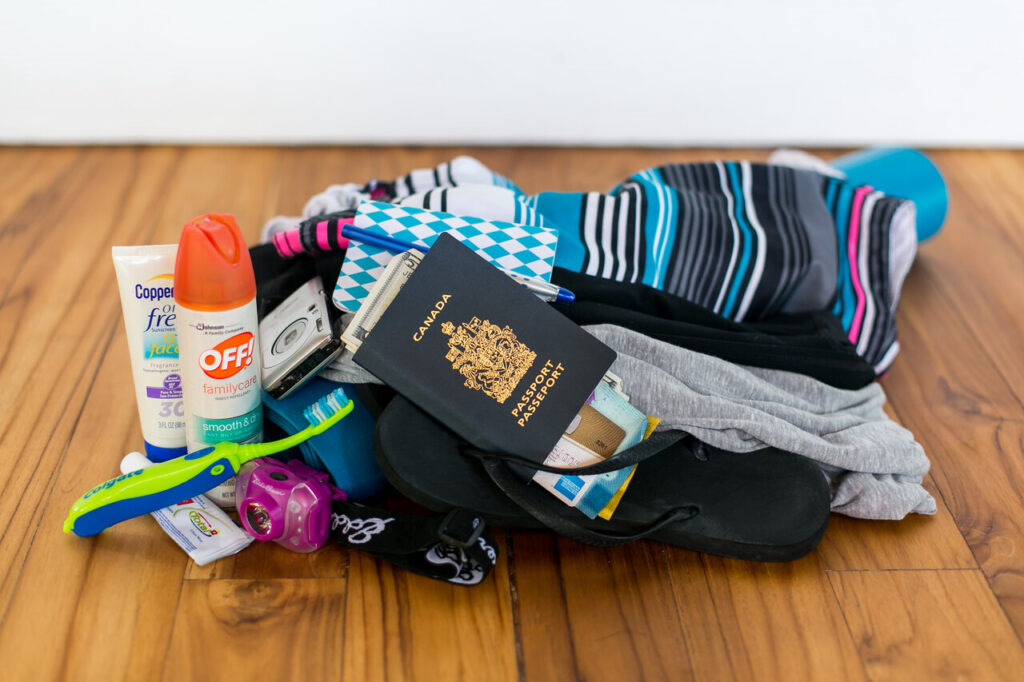
What to Pack for a Jungle Retreat
Packing for Costa Rica is different from packing for a resort vacation. The environment is active, wet, and demanding on gear.
Bring:
- Lightweight, quick-dry clothing in neutral or dark colors
- Sturdy closed-toe shoes or hiking sandals for trail use
- Reef-safe sunscreen (required in many protected natural areas)
- High-DEET insect repellent
- A dry bag or waterproof stuff sack for electronics
- Headlamp — not just a phone flashlight
- Reusable water bottle
- Light rain jacket (essential even in dry season on the Osa)
Leave behind: heavy luggage, expensive jewelry, and anything you’d be devastated to lose to mud, water, or the curious wildlife.
Is the Water Safe to Drink in Costa Rica?
In most of Costa Rica, including San José and many developed tourist areas, tap water is safe to drink. It is tested, treated, and potable.
In more remote regions — including parts of the southern Pacific coast — water quality can vary. At established retreats, water safety is managed by the property. When in doubt, ask your host directly. Bottled water is inexpensive and widely available throughout the country.
Getting Around: Flights, Transfers, and Transportation
First-time visitors to Costa Rica consistently underestimate how long road travel takes. Distances that look short on a map can take two to three hours by ground due to road conditions, mountain terrain, and the pace of rural driving.
For remote destinations:
- Domestic flights are by far the most efficient option and often comparable in cost to a private shuttle once you factor in time.
- Shuttle services (private van, door-to-door) are the comfortable ground alternative and much easier to navigate than public buses for first-timers.
- Rental cars give you freedom but require confidence navigating unpaved roads and occasional river crossings during the rainy season.
Most retreat guests find transportation handled or coordinated through their property. Ask before you book what arrival logistics look like.
What to Know About Costa Rica’s Weather and Seasons
Costa Rica has two seasons: dry season (December through April) and green season, also called rainy season (May through November). One important note for the Osa Peninsula specifically: this region receives significantly more annual rainfall than northern destinations like Guanacaste.
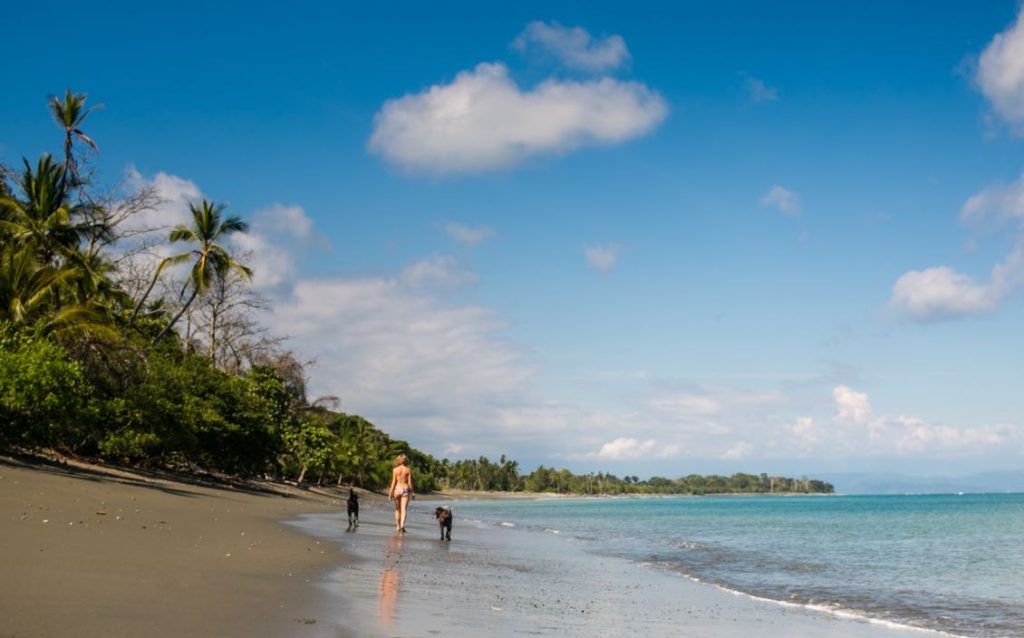
What that means is the Osa stays lush and vivid year-round — but it also means packing a rain jacket regardless of when you visit.
A few things first-time visitors often get wrong:
- “Rainy season” doesn’t mean rain all day. On the Osa, it typically means afternoon showers — often 20 minutes — followed by clear evenings and crisp mornings.
- Green season pricing is significantly lower, crowds are minimal, and the jungle is at its most alive.
- December through March is peak season — book early, especially for retreats and YTT programs with limited spots.
- July through September is the Osa’s best-kept secret: warm sunny mornings, rain-cooled evenings, sea turtle nesting season, and humpback whales in the bay.
Health, Insects, and Staying Well in the Tropics
Visiting Costa Rica for the first time means your immune system will encounter a new environment. Most visitors have no health issues whatsoever. A few practical measures close that gap further.
- Dengue fever is present in Costa Rica, transmitted by mosquitoes. There is no vaccine. Daily repellent use is your primary protection.
- Vaccines: Hepatitis A and typhoid are commonly recommended for Costa Rica travel. Consult your doctor 4–6 weeks before departure.
- Sun exposure at tropical latitudes is more intense than most North Americans expect. Serious sunburn can happen on an overcast day. Reapply sunscreen every two hours outdoors.
- Medical care: San José has excellent hospitals. Regional clinics in smaller towns are more limited. Travel insurance with emergency evacuation coverage is strongly recommended for anyone staying in remote locations.
Frequently Asked Questions about Costa Rica
Q1: Is Costa Rica safe for first-time visitors?
Yes. Costa Rica ranks #1 in Central America for safety on the Global Peace Index. Petty theft is the most common concern — violent crime targeting tourists is rare. Staying at a structured retreat removes most of the risk factors entirely.
Q2: What is the best time of year to visit Costa Rica for the first time?
Dry season (December–April) offers the most reliable sunshine. But green season (May–November) has lower prices, fewer crowds, and a dramatically more lush landscape. July through September on the Osa Peninsula is one of the region’s best-kept secrets.
Q3: Do I need to be an experienced yogi to attend a retreat in Costa Rica?
No. Most retreat programs at Blue Osa — built around the AYAMA methodology — welcome all levels. The AYAMA approach focuses on muscle activation rather than flexibility, which means students who have always felt “not advanced enough” often find it the most accessible yoga they’ve ever practiced. Many guests arrive nervous about their practice and leave wondering why they waited so long.
Q4: What should I pack for a Costa Rica jungle retreat?
Quick-dry clothing, a headlamp, high-DEET insect repellent, reef-safe sunscreen, a light rain jacket, and a dry bag for electronics. Leave expensive jewelry and hard-shell luggage at home.
Q5: How do I get to a remote retreat on the Osa Peninsula?
Fly into San José (SJO), then take a 40-minute domestic flight on a small plane to Puerto Jiménez or Drake Bay. Most retreat properties coordinate transfers from there. It’s simpler than it sounds — and the view on the descent is unforgettable.
The Best Way to Experience Costa Rica for the First Time
The most common thing guests say after their first week at a Costa Rica retreat is that they wish they’d come sooner.
The fears that felt real at home — the wildlife, the remoteness, the logistics, the question of whether their practice was advanced enough — tend to dissolve within the first 24 hours. What replaces them is something harder to describe: a slowing down, a sharpening of attention, a sense that the environment itself is doing some of the work.
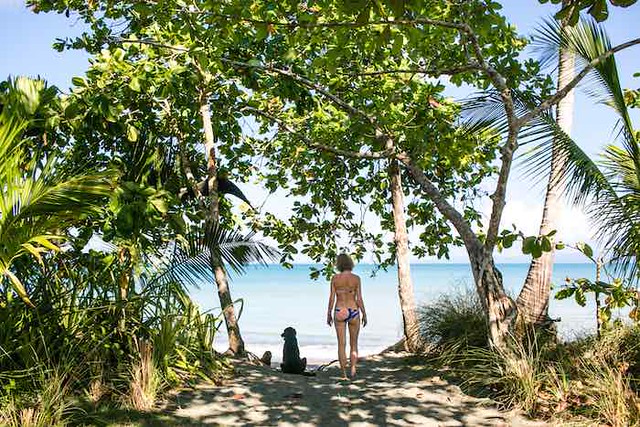
A structured retreat removes the friction of first-time travel almost entirely. Your meals are taken care of. Your days have shape. The people around you are there for similar reasons. And you’re held — physically and logistically — in a place that has been designed around exactly the kind of experience you were looking for when you started researching.
If you’ve been sitting on this decision, this is your honest nudge: the questions you have are answerable. The logistics are manageable. And Costa Rica consistently exceeds what people imagined it would be.
About The Author, Yogi Aaron
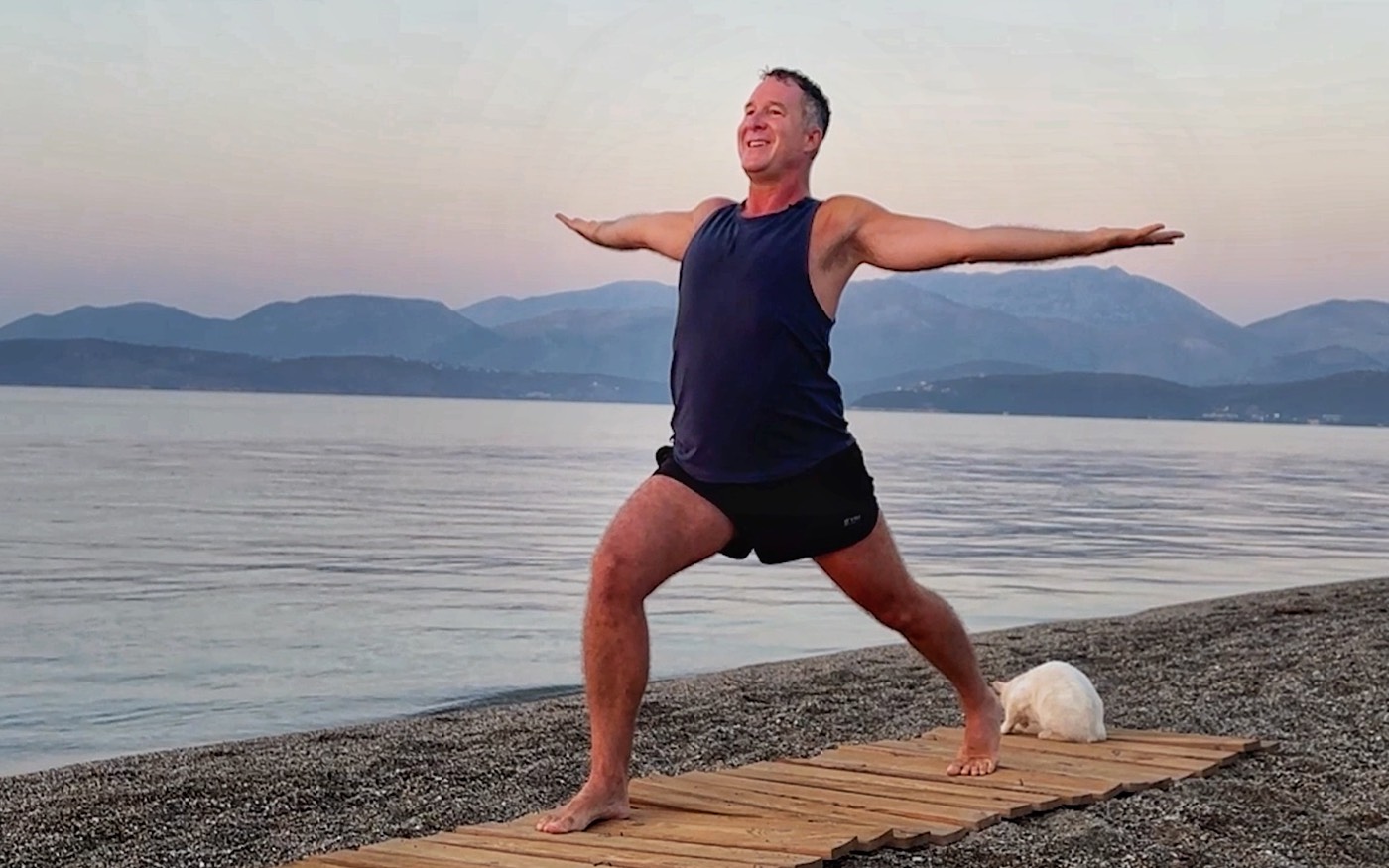
Yogi Aaron is the founder and creator of Applied Yoga Anatomy + Muscle Activation™ (AYAMA), a revolutionary methodology that challenges conventional approaches to yoga. Using a science-backed approach, he prioritizes muscle activation over traditional stretching.
With over three decades of dedicated study, mentorship, and hands-on experience, he has established himself as a leading expert in yoga therapy, alignment, and pain-free movement.
As owner and operator of Blue Osa Yoga Retreat + Spa in Costa Rica, Yogi Aaron leads transformative programs that combine his expertise in yoga instruction, retreat facilitation, and wellness business operations. His work spans both in-person immersive experiences and digital education through The Yogi Club online platform and the AYAMA™ Certification Program.
Yogi Aaron’s teaching methodology represents a paradigm shift in modern yoga practice. AYAMA focuses on activating and engaging muscles to enhance range of motion, build strength, improve stability, and optimize alignment—while reducing pain and injury risk. This evidence-based approach has positioned him as a thought leader challenging the status quo in the yoga community.
His mission extends beyond the mat: to liberate individuals from chronic pain and guide them toward discovering yoga’s authentic purpose through intelligent, body-informed practice.
Learn more about training opportunities with Yogi Aaron at Blue Osa Yoga Retreat + Spa.
Check Out These Other Popular Posts!


Tags: Costa Rica, empowerment
Book/Inquire Now
Got pain? This will help you!

YOU DESERVE TO LIVE PAIN-FREE...
Receive 7 short, simple, and effective practices to alleviate knee, hip, low back, neck, shoulder pain, and more!
All you need is 5 minutes per lesson and it's FREE!
This revolutionary approach to yoga is new, and no one else is teaching this! Since I created Applied Yoga Anatomy + Muscle Activation™ and started teaching it consistently, I've witnessed students heal long-standing injuries, access yoga postures they never thought possible, and tell me over and over again how their body just feels better.
I hope you'll join me on this journey!
~Yogi Aaron
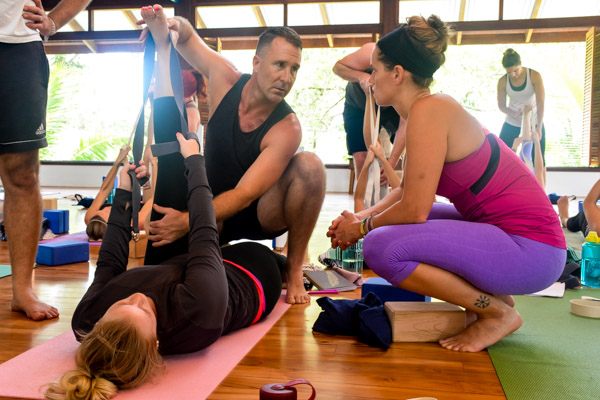
Is Yoga Teacher Training Right For Me?
We Created This FREE 5 Part Series So You Can Get All The Information To Make The Right Choice.
In this series, you will learn:
-
- Am I a candidate for yoga teacher training??
-
- What will I learn in a YTT?
-
- Do I need to have a perfect downward dog to attend YTT?
14-Day 200-Hour Yoga Teacher Training in Costa Rica
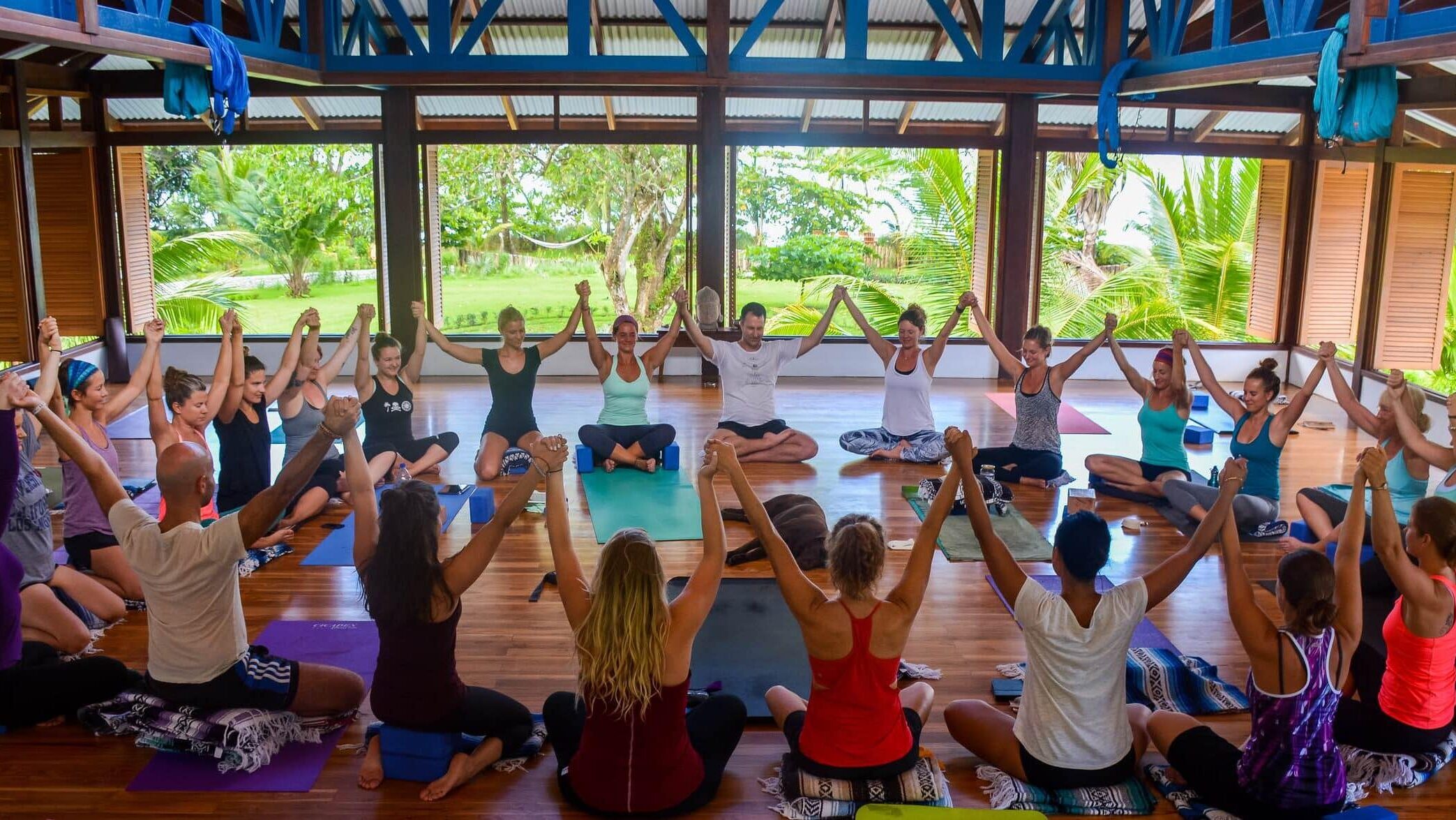
If you are looking for a 14-day 200 hour Yoga Teacher Training Costa Rica Immersion, you have landed in the right place. Join the next one!
300-Hour, 28-Day Yoga Teacher Training
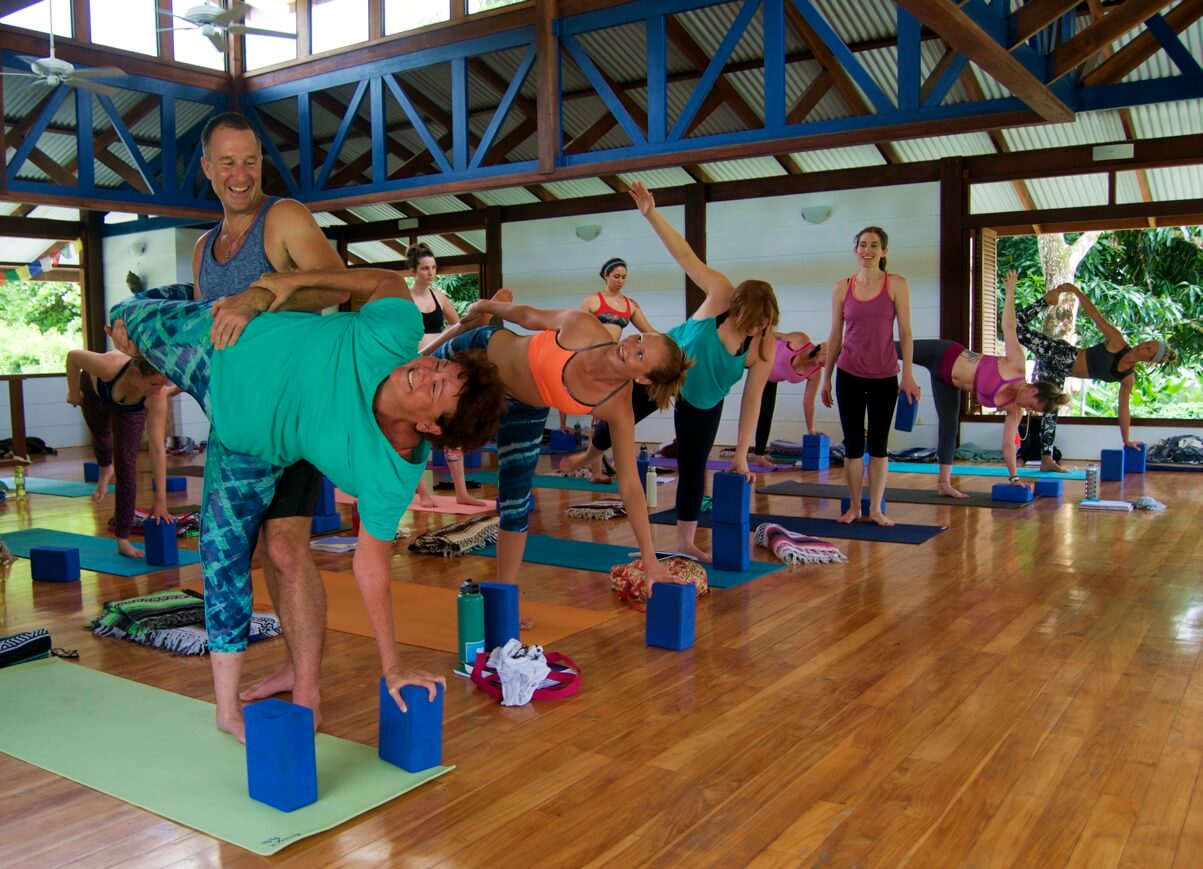
Do You Feel Called To Something Greater?
This 300-Hour Yoga Teacher Training immersion training at Blue Osa will immerse you in yoga for one month.
You will have the specific transformational skills and yogic practices you need in order to connect with your higher purpose.
And more! You will be able to offer these transformative skills to others!
