

You’ve been thinking about this trip for a while now.
Maybe it started as a quiet thought somewhere between your morning practice and a life that’s been moving a little too fast. A yoga retreat deep in the jungle. A teacher training that finally feels within reach. A week — or a month — somewhere lush and alive, where you can breathe, reconnect, and actually hear yourself think.
Costa Rica keeps coming up. And something in you already knows it’s the right place.
But then comes the other voice. The one that asks: is it actually smart to do this alone? You’ve heard solo female travel in Costa Rica is doable — but doable and confident are two different things. You want real answers, not a travel brochure. Not generic reassurance. You want to know what it actually feels like on the ground, as a woman, on your own.
What parts of San José are fine, and which ones aren’t? Can you trust a taxi driver you’ve never met? What happens if your phone dies and you’re lost? And beyond the logistics — will you feel safe enough to actually enjoy it? To be present for the experience you came all this way for?
Those are the questions this article answers.
I’ve traveled to Costa Rica solo more times than I can count and spent the past year living here. What follows are 12 honest, practical safety tips for solo female travel in Costa Rica — the things I wish someone had told me before my first trip, written for women who take their own safety seriously and refuse to let fear make the decision for them.
By the time you finish reading, you’ll know exactly how to move through this country safely and confidently — so the only thing left to figure out is when you’re going.
Wondering what a guided retreat in Costa Rica actually looks like?

Is Costa Rica Safe for Solo Female Travelers? Here’s the Honest Answer
Costa Rica is consistently ranked the safest country in Latin America, and one of the safest in the entire region for solo female travelers. That doesn’t mean risk-free — no destination is — but it does mean that with a little preparation, most women travel here confidently and without incident.
The key distinction worth knowing upfront: safety in Costa Rica varies enormously by location. A remote eco-lodge on the Osa Peninsula feels like a different world compared to walking alone at night in downtown San José. Understanding that difference is the foundation of everything that follows.
The 12 tips below are organized by situation — urban vs. rural, daytime vs. nighttime, logistics vs. instinct — so you can find exactly what applies to your trip.
Solo Female Travel in Costa Rica — Urban Areas vs. Rural Areas
Why City Safety and Jungle Safety Are Two Different Things
Costa Rica’s rural areas — think Monteverde, the Osa Peninsula, Puerto Viejo — often feel remarkably safe. Small communities, few strangers, and a slower pace mean that many solo female travelers feel more relaxed there than they do at home. Urban areas operate by a different set of rules.

San José Safety Tips for Solo Female Travelers
San José is unavoidable for most travelers — it’s where the international airport is, and many women spend a night or two there on arrival or departure. It’s a city worth exploring: the National Theater is stunning, the food scene is underrated, and the energy is unmistakably alive.
That said, it has neighborhoods you should know about before you arrive.
- Stay in Barrio Escalante, Los Yoses, or Rohrmoser — these are the safest, most walkable areas for tourists
- Avoid El Carpio, La Carpio, and parts of downtown after dark — these areas have higher crime rates and are not recommended for solo travelers on foot at night
- Book a hotel with strong recent reviews and ask reception directly which streets are safe to walk — they will tell you
- Use the official red taxis or ride apps like Uber rather than walking unfamiliar routes after dark
- Keep your phone out of sight in busy areas — opportunistic phone theft is the most common issue tourists face in the city

If this is your first time in Costa Rica and the idea of navigating the city alone feels overwhelming, read our guide to 5 common fears about Costa Rica and how to overcome them — it addresses exactly what most first-time visitors worry about before they arrive.
Staying Safe in Smaller Towns and Rural Areas
Rural Costa Rica trades city risk for a different kind of awareness. The towns are generally safe — but infrastructure is minimal, lighting is sparse, and you are often more isolated.
- Tell someone where you’re going — your hotel, a fellow traveler, anyone
- Download offline maps before heading into remote areas where signal is unreliable
- Learn which towns have a strong tourist infrastructure (Tamarindo, La Fortuna, Monteverde) versus which are more off-grid and require more self-sufficiency
For a broader look at getting around the country confidently, our 10 travel tips for broadening your mind in Costa Rica covers everything from navigating new places to getting the most out of unexpected situations.
Staying Safe at Night in Costa Rica

Always Carry a Flashlight in Rural Areas
What to Watch Out for on Unlit Paths at Night
Rural Costa Rica is genuinely dark at night. Hotel pathways, beach access trails, and jungle roads often have zero lighting — and the ground is rarely flat or clear.
- Carry a small flashlight or use your phone torch every time you leave your accommodation after dark, even just to walk to the restaurant on site
- Watch for uneven ground, roots, and drainage channels — rolled ankles are one of the most common traveler injuries in rural Costa Rica
- Wildlife is active at night — snakes, frogs, and insects are part of life here. You’re not in danger if you’re paying attention, but stepping on something you can’t see is how problems happen
Travel has a way of bringing up physical tension too — long bus rides, unfamiliar beds, and disrupted routines take a toll on your body. These 9 grounding yoga poses for travel are worth bookmarking for the moments when you need to come back to yourself on the road.
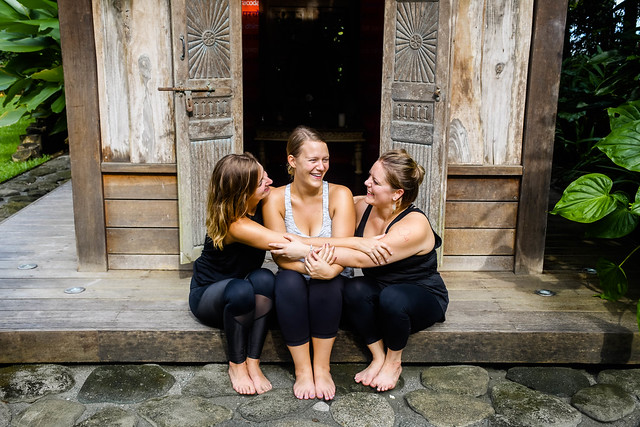
Meet Fellow Travelers Before You Go Out
How to Find Travel Companions at Your Hostel or Hotel
One of the most underrated solo travel skills is being willing to make a friend for the evening.
- Hang out in common areas in the late afternoon — hostels, hotel bars, and shared pools are natural gathering points before people head out for the night
- Be direct — “I’m thinking of going to X tonight, want to join?” works more often than you’d think
- Ask your accommodation if they organize group dinners or outings — many do, especially in tourist-heavy areas like Tamarindo, La Fortuna, and Santa Teresa
If you are specifically considering traveling solo as a single person in Costa Rica, we have written directly about that experience — the challenges, the unexpected joys, and what to actually expect. Read traveling solo as a single person in Costa Rica before you finalize your plans.
Still on the fence about whether solo travel is right for you? Read 10 reasons people say not to travel alone — and why you should ignore them. It will put most of your doubts to rest before you even pack.
Take a Cab Instead of Walking Home Alone
How to Find a Safe Ride at Night in Costa Rica
- In San José, always use the official red taxis or Uber. Avoid unmarked cars regardless of how they’re presented to you
- In smaller towns, ask your hotel or the bar/restaurant to call a trusted local driver — most establishments have someone they regularly recommend
- Agree on the price before you get in if using an unmetered taxi outside the city
- Share your live location with someone before getting into any vehicle alone at night — this takes 10 seconds and is worth doing every time
Getting Around Costa Rica Safely as a Solo Female Traveler
If you are also considering working remotely while you are here, our guide to traveling Costa Rica while working remotely covers transport, connectivity, and getting around as someone who needs to stay productive on the road.
Taking Taxis Safely in Costa Rica
Official Red Taxis vs. Unmarked Cars — What You Need to Know
In San José, the difference is visible and important.
- Official taxis are red with a yellow triangle on the door and a working meter called a María
- Always ask the driver to use the meter — if they refuse, get out and find another cab
- Unmarked or “pirate” taxis operate throughout the city and are best avoided — not because all drivers are dangerous, but because you have no recourse if something goes wrong
How to Avoid Getting Overcharged as a Tourist
- Look up approximate fares in advance — San José to the airport, for example, should cost roughly $25–30 USD
- Have small bills ready — drivers claiming they have no change is a common tactic
- Uber works well in San José and removes the negotiation entirely — it’s widely used and generally reliable in the city

Is the Bus Safe for Solo Female Travelers in Costa Rica?
Yes — and it’s one of the best ways to travel between destinations affordably.
Costa Rica’s intercity bus network is reliable, well-used by locals, and generally safe. The main things to know:
Tips for Keeping Your Belongings Safe on Costa Rican Buses
- Keep your day bag on your lap or between your feet — never in the overhead rack or on the seat beside you
- Luggage stored underneath the bus is generally fine but stay aware during stops where bags are unloaded
- Book tickets in advance for popular routes (San José to La Fortuna, San José to Puerto Viejo) — buses fill up and standing in a crowded bus with luggage is harder to manage safely
- Sit near the front or near other women if you’re traveling at night
How to Protect Your Money and Documents While Traveling Solo
How Much Cash Should You Carry in Costa Rica?
The Split-Stash Method for Keeping Your Money Safe
This is one of the most practical habits you can build before your trip. The idea is simple: never carry all your money in one place.
- Divide your cash into 3–4 separate stashes — one on your person, one in your day bag, one locked in your accommodation
- Carry only what you need for the day — if you’re going to a market or a bar, leave the rest locked up
- Use a money belt or hidden pouch for larger amounts when you’re moving between destinations
- Always have one credit or debit card separate from your cash in case you need emergency funds
Should You Carry Your Passport in Costa Rica?
What Documents You’re Required to Have on You by Law
Costa Rican law requires you to carry identification at all times. However, this does not have to be your original passport.
- A clear photo of your passport’s identification page and your entry stamp is widely accepted and is what most travelers carry day-to-day
- Store the photo in both your phone and your email so you can access it even if your phone is lost or damaged
- Your original passport is best left in your hotel safe or a locked locker
How to Store Your Passport Safely While Traveling
- Use your hotel’s in-room safe if available — this is the most secure option
- A combination-lock travel pouch attached inside your luggage is a good backup
- Never leave your passport loose in a day bag you’re carrying in public
Local Knowledge — How to Get Help and Stay Connected in Costa Rica
Don’t Be Afraid to Ask Locals for Help
How to Ask for Directions Safely as a Solo Traveler
Costa Ricans — Ticos — are genuinely warm and will go out of their way to help a traveler in need. Don’t hesitate to ask.
- Ask at least two or three people when looking for directions — this gives you a more reliable picture and is especially useful in areas where landmarks shift
- Shop owners, hotel staff, and restaurant workers are your safest first point of contact
- Learn a handful of basic Spanish phrases — even a few words signals respect and usually gets a warmer, more helpful response
For more on navigating Costa Rica as a solo traveler — from locals, transport, and food to the moments that genuinely change you — our roundup of the best Costa Rica travel blogs is a great place to keep researching before your trip.
Should You Get a Costa Rican SIM Card?
For a trip of more than a few days, yes — it’s worth it and easier than most people expect.
How to Buy a Kolbi SIM Card in Costa Rica
- Kolbi is the largest and most reliable network in Costa Rica, with the best rural coverage
- Buy your SIM at the Kolbi desk in San José’s Juan Santamaría Airport baggage claim area — it’s the easiest option on arrival
- Supermarkets, convenience stores, and pharmacies throughout the country also sell and top up Kolbi SIMs
- Start with $10–20 USD loaded — this covers calls, texts, and data for most week-long trips
How to Unlock Your iPhone for a Costa Rican SIM
- Contact your carrier before you leave home — most US and Canadian carriers unlock phones for free after a simple request
- Android phones are often already unlocked — check your settings under “Network” or call your carrier to confirm
- Alternatively, use an eSIM — several providers now offer Costa Rica eSIM plans you can activate before you board, with no physical SIM needed

The Most Important Solo Female Travel Tip: Trust Your Gut
How to Tell When a Situation Feels Off — And What to Do
This isn’t motivational filler. Your instincts are a genuine safety tool — and in Costa Rica, as anywhere, they deserve to be taken seriously.
Solo female travel in Costa Rica rewards preparation and punishes passivity — and your gut is part of your preparation.
Call or text someone when you arrive somewhere new, especially at night — a simple “I’m here, all good” creates a check-in habit that costs nothing.
If a situation feels off, leave — you don’t need a reason, an excuse, or anyone’s permission. Just go.
Learning to set boundaries — with strangers, with situations, with yourself — is one of the most underrated travel skills there is. This piece on what Brené Brown taught us about setting boundaries is worth reading before you go.
If someone is making you uncomfortable, walk into the nearest shop, restaurant, or hotel lobby and ask for help — businesses are generally very willing to assist.
If you feel unsafe in your accommodation, ask to be moved or find somewhere else — your comfort is not a burden, it is a reasonable request.
Solo travel has a way of making you sharper, more decisive, and more self-reliant in every area of life. If you are curious about that side of the experience, read our post on 6 ways solo travel makes you more successful in business — it reframes the whole trip as an investment in yourself.
Costa Rica rewards women who back themselves. If you have been thinking about making this trip, a guided retreat is the clearest, most supported way to do it for the first time.
Frequently Asked Questions: Solo Female Travel in Costa Rica
Q1: Is Costa Rica safe for solo female travelers?
Yes — Costa Rica is consistently ranked the safest country in Latin America. Most solo female travelers move through it confidently with basic precautions. Rural areas tend to feel safer than urban ones, and knowing the difference between the two is the most important preparation you can do before your trip.
Q2: What are the most common safety issues for women traveling alone in Costa Rica?
The most common issues are opportunistic petty theft — phone snatching, pickpocketing in busy areas — rather than serious crime. Staying aware in San José, keeping valuables out of sight, and using official taxis or Uber eliminates the vast majority of risk most solo female travelers encounter.
Q3: Is it safe to travel alone as a woman in San José?
San José is safe to explore during the day, particularly in neighborhoods like Barrio Escalante and Los Yoses. At night, stick to well-lit areas, use taxis or Uber rather than walking unfamiliar routes, and ask your hotel for specific guidance on your immediate area. Avoid walking alone after dark in parts of downtown you don’t know well.
Q4: What should I do if I feel unsafe in Costa Rica?
Walk into the nearest hotel lobby, restaurant, or shop and ask for help — businesses are consistently willing to assist travelers in distress. Call 911, which is Costa Rica’s emergency number. If you feel a situation is off before it escalates, trust that instinct and leave. You never need a reason to remove yourself from somewhere that doesn’t feel right.
Q5: Is a yoga retreat in Costa Rica a good option for first-time solo female travelers?
It’s actually one of the best options. A retreat gives you built-in community, a structured schedule, accommodation handled in advance, and staff on site who know the area well. Many women who are nervous about solo travel find that a retreat is the ideal way to experience Costa Rica for the first time — you get the freedom of being somewhere new without the logistical uncertainty of navigating everything alone.
About The Author, Yogi Aaron

Yogi Aaron is the founder and creator of Applied Yoga Anatomy + Muscle Activation™ (AYAMA), a revolutionary methodology that challenges conventional approaches to yoga. Using a science-backed approach, he prioritizes muscle activation over traditional stretching.
With over three decades of dedicated study, mentorship, and hands-on experience, he has established himself as a leading expert in yoga therapy, alignment, and pain-free movement.
As owner and operator of Blue Osa Yoga Retreat + Spa in Costa Rica, Yogi Aaron leads transformative programs that combine his expertise in yoga instruction, retreat facilitation, and wellness business operations. His work spans both in-person immersive experiences and digital education through The Yogi Club online platform and the AYAMA™ Certification Program.
Yogi Aaron’s teaching methodology represents a paradigm shift in modern yoga practice. AYAMA focuses on activating and engaging muscles to enhance range of motion, build strength, improve stability, and optimize alignment—while reducing pain and injury risk. This evidence-based approach has positioned him as a thought leader challenging the status quo in the yoga community.
His mission extends beyond the mat: to liberate individuals from chronic pain and guide them toward discovering yoga’s authentic purpose through intelligent, body-informed practice.
Learn more about training opportunities with Yogi Aaron at Blue Osa Yoga Retreat + Spa.
Check out these other popular posts!

6 Ways Solo Travel Makes You More Successful in Business

What I Learned From Brené Brown: How To Set Clear Boundaries

The Best Travel Blogs About Costa Rica
Tags: Costa Rica, empowerment
Book/Inquire Now
Got pain? This will help you!

YOU DESERVE TO LIVE PAIN-FREE...
Receive 7 short, simple, and effective practices to alleviate knee, hip, low back, neck, shoulder pain, and more!
All you need is 5 minutes per lesson and it's FREE!
This revolutionary approach to yoga is new, and no one else is teaching this! Since I created Applied Yoga Anatomy + Muscle Activation™ and started teaching it consistently, I've witnessed students heal long-standing injuries, access yoga postures they never thought possible, and tell me over and over again how their body just feels better.
I hope you'll join me on this journey!
~Yogi Aaron

Is Yoga Teacher Training Right For Me?
We Created This FREE 5 Part Series So You Can Get All The Information To Make The Right Choice.
In this series, you will learn:
-
- Am I a candidate for yoga teacher training??
-
- What will I learn in a YTT?
-
- Do I need to have a perfect downward dog to attend YTT?
14-Day 200-Hour Yoga Teacher Training in Costa Rica

If you are looking for a 14-day 200 hour Yoga Teacher Training Costa Rica Immersion, you have landed in the right place. Join the next one!
300-Hour, 28-Day Yoga Teacher Training
Do You Feel Called To Something Greater?
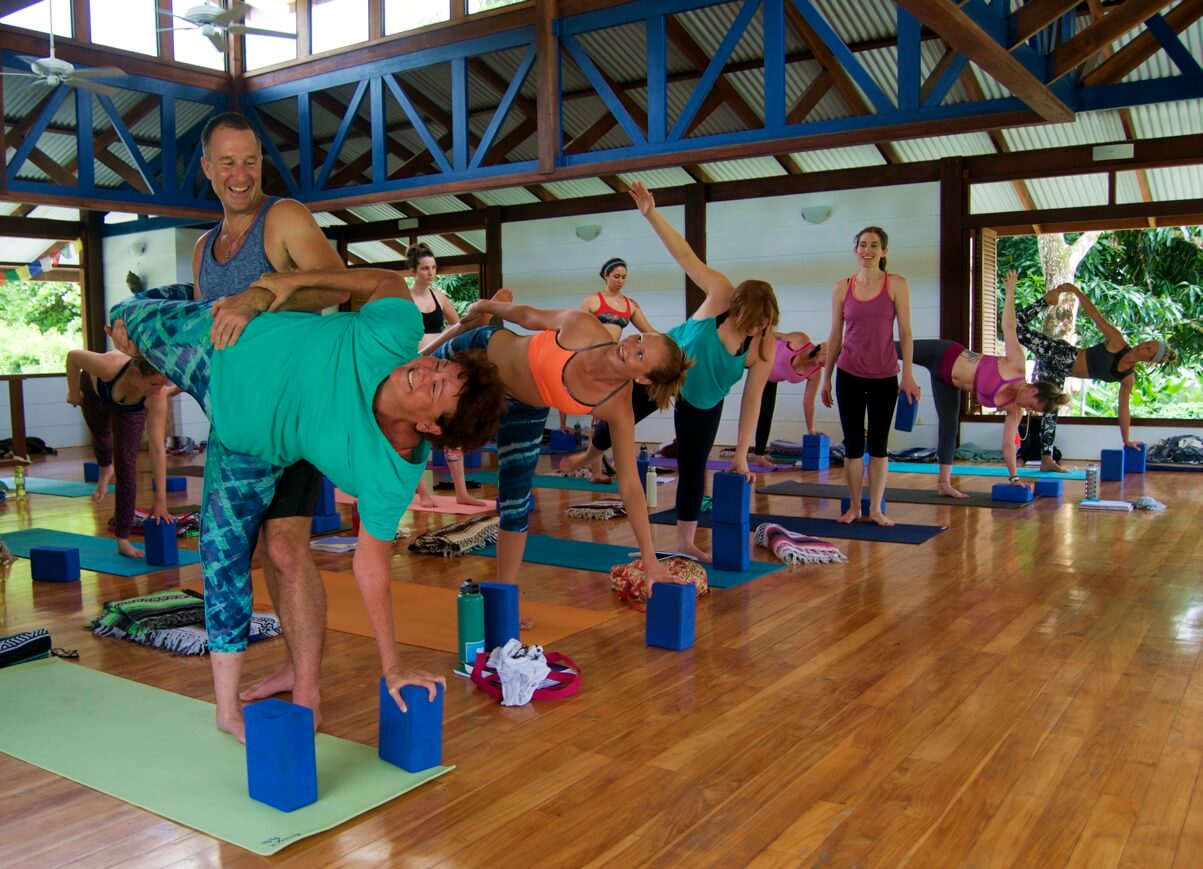
This 300-Hour Yoga Teacher Training immersion training at Blue Osa will immerse you in yoga for one month.
You will have the specific transformational skills and yogic practices you need in order to connect with your higher purpose.
And more! You will be able to offer these transformative skills to others!
