

Insider’s Review: Best Yoga Teacher Training Locations, Benefits, and How to Choose
If you’re searching for the best yoga teacher trainings in the world, you probably feel overwhelmed by all the options. With numerous traditions, price ranges, countries, styles, and teachers to sort through, choosing the right program can be a lot to navigate!
A thoughtful approach, though, can help you find a school that aligns with your personal and professional aspirations.
As the founder of Blue Osa Yoga Teacher Training in Costa Rica, we know how to choose a program that will align with your needs and goals. Yogi Aaron, our founder and lead instructor, has spent 30 years practicing and teaching yoga, and that experience shapes how we evaluate every program on this list.
If you are looking for the best yoga teacher trainings in the world, this guide covers the top locations, what each program offers, and how to choose the right one for you.
In this article, you will learn:
- Key Elements to Consider When Choosing a Yoga Teacher Training
- What Makes a Yoga School One of the Best in the World?
- Quick Comparison: Top Yoga Teacher Trainings at a Glance
- The 10 Best Yoga Schools in the World
- How to Choose the Right Yoga Teacher Program for You
- Frequently Asked Questions
Key Elements to Consider When Choosing a Yoga Teacher Training School
When choosing the best yoga teacher training course, it helps to get clear on a few things before you start comparing programs.
1. Start with your yoga training goals.
Are you looking to deepen your personal practice, teach professionally, or build a deeper understanding of yoga philosophy? The answer shapes everything from the style you choose to the format that will actually work for your life.
Don’t worry! A YTT can still be a great decision even if you don’t plan to teach yoga.
2. Consider the style of yoga that resonates with you.
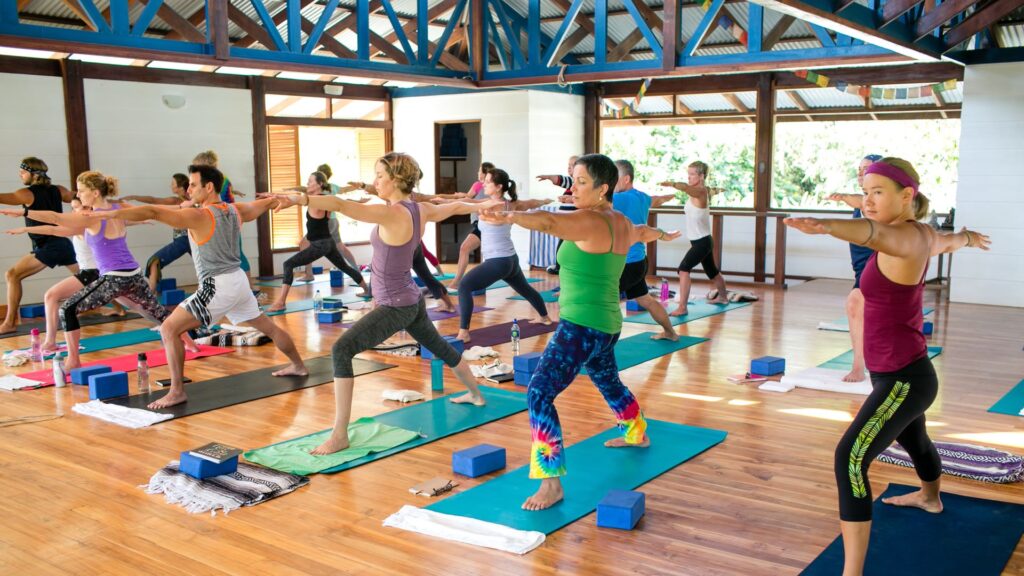
Hatha, Vinyasa, Ashtanga, and other disciplines each carry distinct philosophies and physical approaches. The right style of yoga is the one you want to spend weeks immersed in, not just one that looks good on a certificate.
3. Research the details of the YTT program
Beyond style, the factors that separate a strong program from a forgettable one come down to instructor credentials, curriculum depth, class size, location, and how the program is structured.
A well-rounded training covers asana, anatomy, philosophy, and teaching methodology with equal seriousness. Programs that treat anatomy as a footnote or philosophy as optional tend to produce teachers who feel underprepared once they are actually in front of a class.
Blue Osa Retreat & Spa in Costa Rica is built around all of these elements, and it serves as the benchmark against which we evaluate everything else on this list.
What Makes a Yoga School One of the Best Yoga Teacher Trainings in the World?
What makes a yoga teacher training program truly stand out? It goes beyond just a certification; it’s about the experience, the community, and the wisdom imparted by seasoned instructors.
Yoga Alliance accreditation tells you a school meets a minimum standard. It does not tell you much about the quality of the faculty, the depth of the curriculum, or whether graduates actually go on to teach.
When searching for the best yoga teacher training programs, it’s essential to consider several factors, including the style of yoga you wish to teach, the program’s duration, location, certification credentials, and the experience of the instructors. Here are some highly regarded factors that are often mentioned:
1. Experienced and Diverse Instructors:
A standout YTT program is led by a team of experienced instructors with diverse backgrounds and expertise. This diversity enriches the learning experience, exposing students to various teaching styles, philosophies, and practices. Instructors with real-world teaching experience can offer invaluable insights and practical tips beyond textbook knowledge.
2. Comprehensive Curriculum:
A well-rounded curriculum should cover asana (postures), anatomy, alignment, philosophy, teaching methodology, and ethics. Programs that incorporate aspects such as meditation, pranayama (breath work), and the business of yoga can provide a more holistic education, preparing students for various aspects of teaching and personal practice.
3. Personalized Attention:
Smaller class sizes allow for more personalized attention from instructors. Programs that prioritize individual feedback and mentorship can significantly enhance the learning process. This tailored approach helps students develop their unique teaching voice and gain confidence in their abilities.
4. Strong Community Focus:
A supportive and inclusive community can significantly enhance the training experience. Programs that foster a sense of belonging and connection among students often lead to lasting relationships and a strong network of peers.
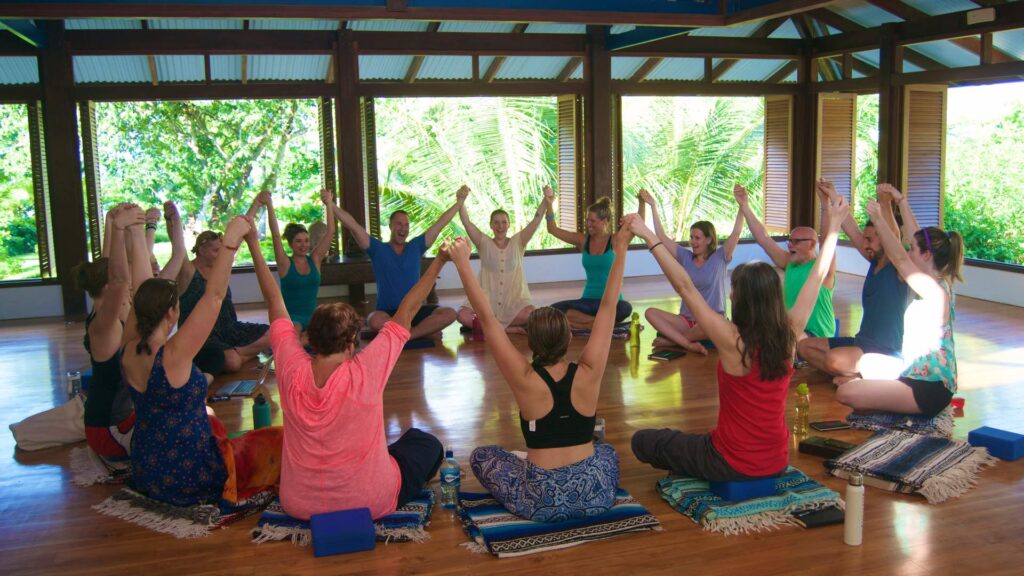
Regular group discussions, collaborative projects, and social events can help build this sense of community.
5. Practical Teaching Experience:
A program that includes opportunities for practical teaching experience is invaluable. Whether it’s through teaching peers, leading community classes, or participating in workshops, gaining hands-on experience helps students apply what they’ve learned and develop their teaching skills in real-life situations.
6. Flexibility and Accessibility:
With the rise of online learning, many YTT programs offer flexible formats, including hybrid and fully online options. Programs that adapt to the needs of their students and provide accessible learning environments can attract a broader range of participants, including those with busy schedules or geographical limitations.
7. Integration of Mindfulness and Self-Care:
A standout program recognizes the importance of self-care and mindfulness in the development of a yoga teacher. Incorporating practices such as journaling, reflection, and personal growth exercises can help students connect with their inner selves, fostering a deeper understanding of their motivations and intentions as teachers.
8. Accreditation & Recognition:
Choosing a program recognized by reputable organizations, such as Yoga Alliance, can provide credibility and quality assurance. Accredited programs must meet specific standards, ensuring students receive a solid foundation in yoga education.
9. Focus on Social Responsibility:
Programs emphasizing social responsibility and community service can stand out by instilling values of compassion.
Blue Osa Yoga Retreat & Spa comes in as our #1 pick for many reasons, but first and foremost, it checks the boxes above.
Owner and co-founder, Yogi Aaron, has 30+ years of yoga practice and teaching and personally instructs both their 200 and 300-hour programs. Our Yoga Alliance-approved curriculum includes asana, meditation, and pranayama practice, in addition to class sequencing, yoga philosophy, and Yogi Aaron’s revolutionary and science-backed approach to anatomy and alignment (AYAMA™ – Applied Yoga Anatomy + Muscle Activation), which you can’t learn anywhere else.

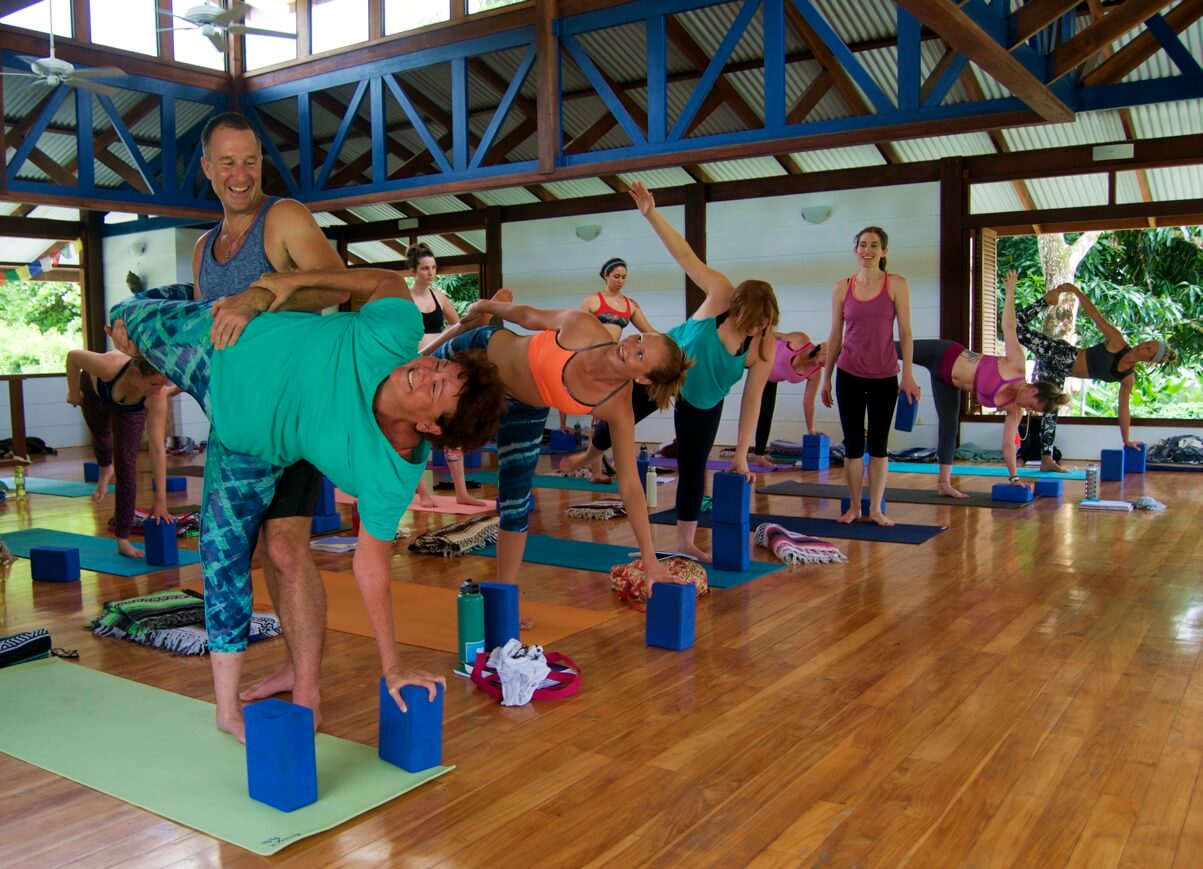
Small class size allows for personalized attention and one-on-one peer teaching opportunities. Finally, there is a strong focus on community, support, and mindfulness. Blue Osa Retreat & Spa promotes social bonding amongst participants and offers various self-care options, including spa treatments and eco-adventure tours.
On top of that, Blue Osa Yoga Retreat & Spa is an eco-friendly resort that runs primarily on solar power and intends to leave the smallest carbon footprint possible.
If you’re serious about finding the right fit, read our complete guide on how to choose a yoga teacher training and make a decision you’ll feel confident about.
Quick Comparison: Top International Yoga Teacher Trainings at a Glance
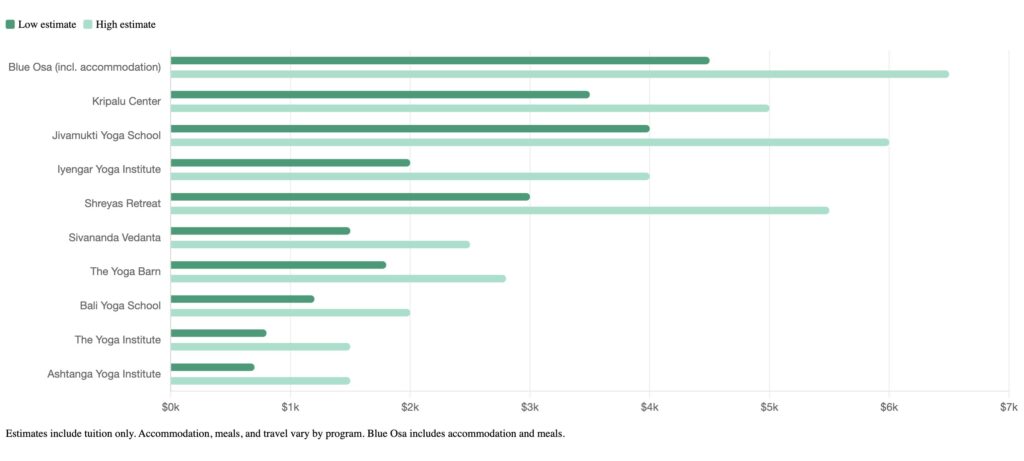
| School | Location | Founded | Primary Style | Program Type | Best For |
| Blue Osa Yoga Retreat & Spa | Costa Rica | Yogi Aaron, 30+ yrs teaching | Hatha / AYAMA | 200 & 300 hr residential | Immersive, anatomy-focused training |
| Kripalu Center | Massachusetts, USA | 1974 | Kripalu Yoga | 200 hr residential | Western certification, personal growth focus |
| Bali Yoga School | Ubud, Bali | Est. early 2000s | Hatha / Vinyasa | 200 & 300 hr | Affordable tropical immersion |
| Sivananda Vedanta Centers | Worldwide | 1957 | Classical Sivananda | 200 & 300 hr | Classical 4-path approach, global reach |
| Ashtanga Yoga Institute | Mysore, India | 1948 | Ashtanga Vinyasa | Mysore self-practice | Ashtanga lineage at the source |
| The Yoga Institute | Mumbai, India | 1918 | Classical Hatha | Residential & short courses | Oldest yoga school in the world |
| Shreyas Retreat | Bangalore, India | 2002 | Classical Hatha / Ayurveda | Residential immersive | Classical yoga with Ayurveda integration |
| The Yoga Barn | Ubud, Bali | 2007 | Multi-style | 200 hr residential | Multi-style breadth in Southeast Asia |
| Jivamukti Yoga School | New York, USA | 1984 | Jivamukti method | 300 hr intensive | Philosophy, ethics, activism integration |
| Iyengar Yoga Institute | Pune, India | 1975 | Iyengar Yoga | Multi-year certification | Deepest alignment-based training available |
1. Blue Osa Yoga Retreat & Spa — Osa Peninsula, Costa Rica
Location: Osa Peninsula, Costa Rica
Programs: 200-hour and 300-hour Yoga Teacher Training
Accreditation: Yoga Alliance approved
Style: Hatha yoga with AYAMA (Applied Yoga Anatomy + Muscle Activation)
Best For: Practitioners who want authentic yoga teachings, anatomy training, small cohorts, and full immersion in a stunning eco-resort between the ocean and jungle, just steps from one of Costa Rica’s most beautiful beaches.
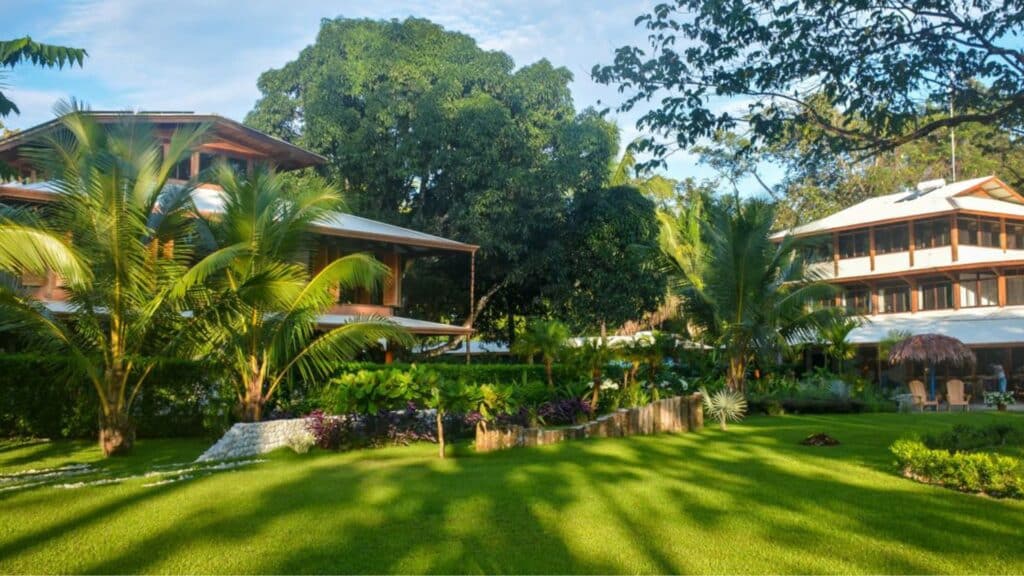
Blue Osa (our very own yoga retreat and teacher training facility) sits on the Osa Peninsula, one of the most biodiverse regions on Earth, tucked between the Pacific Ocean and primary rainforest.
Yogi Aaron has been practicing and teaching yoga for over 30 years and personally leads both the 200-hour and 300-hour yoga courses. Many schools advertise their founder and deliver a rotating faculty. That is not the case here.
The curriculum covers asana, meditation, pranayama, yoga philosophy, and class sequencing. What separates Blue Osa from most 200-hour yoga teacher training schools is AYAMA, Yogi Aaron’s anatomy and alignment methodology built on muscle activation science. It is not available anywhere else. Students leave with a functional understanding of how the body works in a posture, not a memorized list of cues.
Class sizes stay small, which makes peer teaching and individualized feedback practical rather than theoretical. The campus runs primarily on solar power and operates with a serious commitment to sustainability.
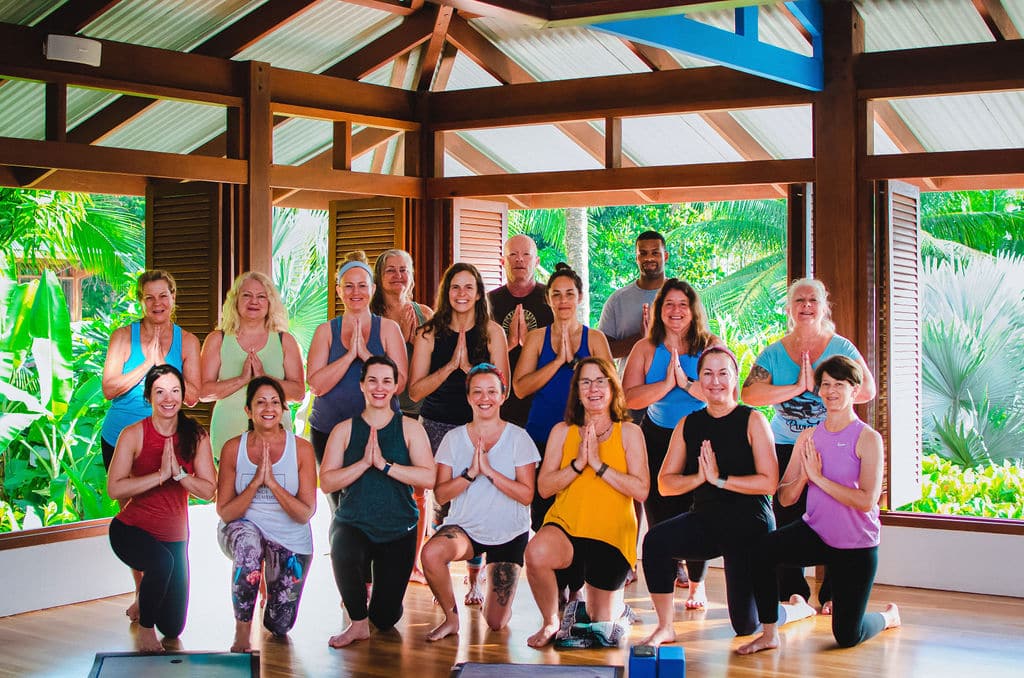
The 200-hour program qualifies graduates to register as RYT 200 with Yoga Alliance. The 300-hour advanced training is available to graduates seeking RYT 500 status.
Learn more about Blue Osa’s top-rated yoga teacher training programs.
2. Kripalu Center for Yoga and Health — Massachusetts, USA
Location: Stockbridge, Massachusetts, USA
Founded: 1974
Style: Kripalu Yoga
Accreditation: Yoga Alliance registered
Best For: Practitioners who want a well-rounded Western certification with a strong emphasis on personal growth and yoga philosophy
Kripalu is one of the largest and most established yoga and wellness centers in the Western world. The residential campus sits in the Berkshire mountains in western Massachusetts, and the 200-hour teacher training has been running long enough to have produced thousands of working yoga teachers.
The Kripalu method integrates asana with mindfulness, self-inquiry, and experiential learning, placing as much weight on how you show up to teach as on the physical mechanics of the practice.
For practitioners who want a recognized Western certification in a serious learning environment with a long institutional track record, Kripalu is one of the most credible options in the United States.
3. Bali Yoga School — Ubud, Bali
Location: Ubud, Bali, Indonesia
Style: Hatha / Vinyasa
Accreditation: Yoga Alliance RYS 200 & 300
Best For: Practitioners seeking tropical immersion at an accessible price point, with consistent faculty and structured curriculum
Bali has become one of the most popular destinations for yoga teacher training in the world. The quality varies significantly. Bali Yoga School is one of the more credible options in Ubud, with Yoga Alliance-registered 200-hour and 300-hour programs covering asana, anatomy, philosophy, pranayama, and teaching methodology.
Faculty are consistent rather than rotating, which matters more than most program brochures acknowledge. The Ubud setting provides a cultural and natural environment that supports the kind of focused study a serious training requires.
For practitioners who want a tropical immersion without the price tag of a Western residential program, this is a solid choice.
4. Sivananda Yoga Vedanta Centers — Worldwide
Location: Headquarters in Kerala, India; centers across Europe, North America, Asia, and beyond
Founded: 1957 by Swami Vishnudevananda
Style: Classical Sivananda / four paths of yoga
Accreditation: Yoga Alliance registered
Best For: Practitioners who want a classical, structured approach with global consistency and international reach
With more than 80 locations worldwide, Sivananda is one of the most globally distributed yoga organizations in existence. The curriculum is built around five core principles: proper exercise, proper breathing, proper relaxation, proper diet, and positive thinking.
The 200-hour and 300-hour teacher trainings follow a fixed syllabus that has remained consistent for decades, meaning graduates from different countries complete the same program. For practitioners who value classical structure, philosophical depth, and a credential recognized across multiple continents, Sivananda has few equals.
5. Ashtanga Yoga Institute — Mysore, India
Location: Mysore, Karnataka, India
Founded: 1948 by K. Pattabhi Jois
Style: Ashtanga Vinyasa
Accreditation: The origin institution of Ashtanga Vinyasa globally
Best For: Dedicated Ashtanga practitioners who want to study at the source
The K. Pattabhi Jois Ashtanga Yoga Institute is where Ashtanga Vinyasa began. The traditional Mysore-style format remains unchanged. Students come for weeks or months and practice self-paced under teacher supervision.
There are no lectures, no choreographed sequences explained from the front. You learn posture by posture through direct adjustment and instruction. Sharath Jois, Pattabhi Jois’s grandson, leads the institute.
For serious Ashtanga practitioners, Mysore is less a program and more a pilgrimage. If this is your tradition, there is no substitute for studying at the source.
6. The Yoga Institute — Mumbai, India
Location: Santa Cruz, Mumbai, India
Founded: 1918 Style: Classical Hatha Yoga
Accreditation: Recognized by the Indian government; internationally respected
Best For: Practitioners seeking traditional Hatha Yoga study
Founded in 1918 by Shri Yogendraji, The Yoga Institute is the oldest organized yoga school in the world. It was among the first institutions to bring structured yoga education outside monastic settings to a general population, decades before yoga teacher training became a global industry.
The curriculum emphasizes Hatha Yoga within an eight-limb framework, with consistent attention to lifestyle, diet, and philosophy alongside physical practice. Programs range from short residential courses to formal teacher training.
7. Shreyas Retreat — Bangalore, India
Location: Bangalore, Karnataka, India
Founded: 2002
Style: Classical Hatha Yoga / Ayurveda integration
Accreditation: Internationally recognized
Best For: Practitioners who want a classical yoga education combined with Ayurveda in a luxury retreat setting
Shreyas is one of the few schools in the world that integrates classical yoga with Ayurveda as a core part of the curriculum rather than an add-on. The approach is rooted in traditional Indian wellness philosophy, and the faculty bring genuine depth to both disciplines.
The retreat setting outside Bangalore is intentional — students are removed from distraction and placed in an environment designed to support serious study. For practitioners who want classical training with a holistic wellness dimension that most programs do not offer, Shreyas occupies a distinct position on this list.
8. The Yoga Barn — Ubud, Bali
Location: Ubud, Bali, Indonesia
Founded: 2007
Style: Multi-style / Hatha, Vinyasa, Yin, and more
Accreditation: Yoga Alliance registered
Best For: Practitioners who want a well-rounded multi-style training in one of the most established yoga centers in Southeast Asia
The Yoga Barn is one of the most recognized yoga centers in Asia. Since opening in Ubud in 2007 it has built a reputation for consistent quality across a wide range of yoga styles and wellness programs.
The teacher training curriculum covers multiple traditions, giving graduates flexibility in how they teach. The Ubud location places students in a community that takes yoga seriously, with access to experienced teachers from across the world passing through.
For practitioners who want breadth of training in a culturally rich environment, The Yoga Barn is one of the strongest options in Southeast Asia.
9. Jivamukti Yoga School — New York, USA
Location: New York City, USA
Founded: 1984 by Sharon Gannon and David Life
Style: Jivamukti method
Accreditation: Yoga Alliance registered
Best For: Practitioners who want serious philosophical depth, ethics, and activism integrated into their yoga training
Jivamukti’s 300-hour teacher training integrates asana, scripture, chanting, meditation, and ethics into a structured intensive. The school treats vegetarianism and environmental ethics as inseparable from yoga practice, not optional lifestyle choices.
That commitment either resonates with you or it does not. For practitioners for whom it does, Jivamukti offers a depth of philosophical engagement that few Western schools match. Faculty have trained within the method for decades, and the school’s New York origin has given it significant visibility in the international yoga community since the 1980s.
10. Iyengar Yoga Institute — Pune, India
Location: Pune, Maharashtra, India
Founded: 1975 by B.K.S. Iyengar
Style: Iyengar Yoga
Accreditation: Iyengar Yoga National Association; internationally certified
Best For: Practitioners who want the most rigorous alignment-based training in the world, with a structured multi-year certification pathway
B.K.S. Iyengar is one of the most influential yoga teachers of the 20th century, and the institute he founded in Pune remains the global authority on Iyengar Yoga. The training here is not a 200-hour certification completed in two weeks.
Iyengar teacher certification is a multi-year process with progressive assessments, reflecting the school’s position that teaching yoga is a serious discipline requiring sustained development. The precision of the method, with its systematic use of props and detailed attention to alignment, has influenced yoga instruction worldwide. For practitioners who want the deepest available training in alignment-based practice, there is no more rigorous path.
Answer two questions to find your best match:
1. What is your primary goal?
2. Where do you want to train?
How to Choose the Right Yoga Alliance Certified School for You
The ten schools on this list are all credible. None of them are the right choice for everyone. The decision comes down to variables that only you can weigh.
Where are you in your practice?
If you are relatively new to yoga, a residential immersive program like Blue Osa will serve you better than a Mysore-style self-practice format like the Ashtanga Institute, which assumes you already know the sequence. If you have been practicing for years and want to go deeper in a specific tradition, the lineage schools in India become more relevant.
How do you learn?
Weekend-spread programs work for some people. For most, the accumulated distraction of returning to normal life between sessions slows integration significantly. Residential programs compress the learning into an uninterrupted block, which tends to produce more confident graduates. Be honest with yourself about which format you will actually complete.
Why do you want to become a certified yoga teacher?
A Yoga Alliance RYT 200 is the baseline credential for teaching in most Western studios. If that is your goal, any accredited program on this list gets you there. If you want to teach a specific method, like Iyengar or Ashtanga, you need the certification that tradition recognizes, not just a general Yoga Alliance credential.
Keep in mind that you don’t have to become a yoga teacher to become yoga certified!
Are there practical teaching hours and authentic yoga teachings?
A credential means little if you have never actually stood in front of a class before graduation. Look for programs that build in peer teaching, community classes, or supervised practice sessions as part of the curriculum, not as optional extras. The gap between understanding yoga and teaching it confidently is closed through repetition, not study.
Is there community and a support structure?
Thirty days in close quarters with a small group of people is its own kind of education. Programs that build in shared meals, group discussion, and collaborative practice tend to produce graduates with a network they actually use. That ongoing community often matters more than the certificate in the years that follow.
If you are still weighing your options, read our full guide on how to choose a yoga teacher training. It covers accreditation, curriculum standards, and the questions worth asking before you commit.
Here are some other key factors to consider when making your decision:
1. Define Your Goals:
- Personal Development vs. Teaching: Determine whether you want to deepen your personal practice or if you intend to teach yoga professionally. This will guide your choice in the course structure, duration, and intensity.
- Specialty Focus: Consider if you have a specific interest, such as Hatha, Vinyasa, Ashtanga, Yin, or restorative yoga. Some programs may offer specialized training in these areas.
2. Research Accreditation:
- Yoga Alliance Certified: Look for programs accredited by the Yoga Alliance or other recognized bodies. This ensures that the training meets established standards and is recognized internationally.
- Reputation: Investigate the reputation of the training school and its instructors. Read reviews and testimonials, and ask for recommendations from fellow yogis.
3. Course Content and Curriculum:
- Comprehensive Curriculum: Ensure the course covers essential topics such as anatomy, philosophy, teaching methodology, and sequencing. A well-rounded program will prepare you for various aspects of teaching.
- Practices & Teaching Hours: Check the number of contact hours, including practical teaching experience. Many programs require a minimum number of teaching hours before certification.
4. Instructor Qualifications:
- Experienced Teachers: Research the qualifications and backgrounds of the instructors. Look for those with extensive experience in both yoga practice and teaching, as well as relevant certifications.
- Teaching Style: Attend a class or workshop led by the instructors if possible. This will give you insight into their teaching style and whether it resonates with you.
5. Program Format:
- In-Person vs. Online: Decide if you prefer an in-person immersive experience or an online course that offers flexibility. Both formats have benefits, so consider what works best for your learning style.
- Duration & Schedule: Evaluate the duration of the program (e.g., 200-hour, 300-hour) and whether it fits into your schedule. Some programs are offered as intensive retreats, while others may be spread over several months.
6. Location and Environment:
- Setting: Consider the location and environment if opting for an in-person course. A serene, inspiring setting can enhance your learning experience.
- Community: Look for a supportive community within the training program. Building connections with fellow trainees can enrich your journey and provide a network of support.

7. Cost and Value:
- Tuition Fees: Compare the costs of different programs, but also consider what is included in the price (e.g., materials, accommodation, meals).
Frequently Asked Questions About The Best Yoga Teacher Trainings in the World
Which country is best to study yoga?
With so many countries offering fantastic yoga programs, this comes down to personal discretion.
India holds the deepest institutional history and the most traditional lineage schools. For classical training in a specific tradition, Mysore, Rishikesh, or Mumbai are hard to displace.
For practitioners who want Yoga Alliance certification in an immersive environment with a modern anatomy curriculum, Costa Rica and Bali offer equivalent or stronger programs in several respects. The country matters less than the specific school and its faculty.
What is the best yoga school in the world?
There isn’t one single “best” yoga school in the world. The right choice depends on your goals, how you want to practice yoga, and the level of immersive training you’re seeking.
Some students are drawn to traditional yoga lineages, where institutions like the Yoga Institute offers long-standing foundations in yoga and meditation, while others look for a registered yoga school that blends different yoga approaches with modern anatomy and teaching methodology. Programs like Blue Osa stand out for combining immersive training with applied anatomy, hands-on experience, and close mentorship designed to prepare teachers for real-world teaching.
Is India the best place to study yoga?
India remains the heart of the study of yoga and is home to some of the most established training programs in the world. Institutions like The Yoga Institute (1918), Bihar School of Yoga (1964), and the Ashtanga Yoga Institute (1948) continue to influence how modern yoga is practiced and taught today. For many aspiring yoga teachers, studying at an international yoga school in India offers deep immersion in philosophy, lineage, and a specific type of yoga rooted in tradition, while also helping refine teaching skills.
That said, traditional Indian ashram life requires physical adaptability and cultural openness that may not suit everyone. The best training is the one aligned with your learning style, your goals as a teacher, and the environment where you can fully complete your program and step confidently into teaching.
Are yoga programs in Bali legitimate?
Several Bali schools are Yoga Alliance–registered and offer well-structured yoga training courses led by experienced faculty. Bali Yoga School is one credible example among the growing number of international yoga school options, though smart students look within the yoga curriculum itself rather than only at the setting.
Because Bali has become a major hub for modern yoga, aspiring yoga teachers should look beyond the scenery and evaluate the depth of the yoga asana syllabus, the strength of teaching skills development, and the total number of Yoga Alliance training hours included. Reading independent yoga alliance reviews and looking at yoga beyond marketing claims will help you choose a yoga school in Bali built on substance.
What is the oldest yoga school in the world?
The Yoga Institute in Mumbai, founded in 1918, is the oldest continuously operating yoga school in the world. It predates the modern proliferation of yoga studios and online yoga by more than five decades.
Closing Thoughts on the Best Yoga Schools
Choosing the right yoga teacher training program is a pivotal step in your journey toward becoming a skilled and inspiring yoga instructor. The programs highlighted in this guide provide exceptional training, are registered with Yoga Alliance, and provide a pathway to deepen your practice, connect with a supportive community, and gain insights that can transform your life. Ultimately, find highly reviewed schools that align with your goals.

Whether you’re drawn to the serene landscapes of Costa Rica, the spiritual roots of yoga in India, or popular yoga online programs, there are perfect yoga schools around the world for your aspirations. Remember to prioritize accreditation, number of reviews, a comprehensive curriculum, and a nurturing environment to ensure a fulfilling experience.
Start exploring these top yoga centers around the world today and take the first step toward a career filled with purpose, passion, and growth. With the global demand for yoga instructors continuing to rise, now is the perfect time to turn your dream into reality and gain a deep understanding of yoga.
For more tips, updates, and insights on yoga teacher training and holistic wellness, subscribe to our blog and stay connected to a community that shares your passion for yoga.
Or better yet, click here and sign up for our next Yoga Teacher Training at Blue Osa Retreat & Spa!
About The Author, Yogi Aaron
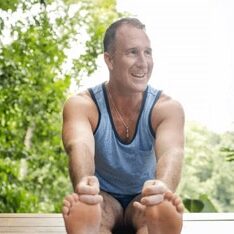
Yogi Aaron is the founder and creator of Applied Yoga Anatomy + Muscle Activation™ (AYAMA), a revolutionary methodology that challenges conventional approaches to yoga. Using a science-backed approach, he prioritizes muscle activation over traditional stretching.
With over three decades of dedicated study, mentorship, and hands-on experience, he has established himself as a leading expert in yoga therapy, alignment, and pain-free movement.
As owner and operator of Blue Osa Yoga Retreat + Spa in Costa Rica, Yogi Aaron leads transformative programs that combine his expertise in yoga instruction, retreat facilitation, and wellness business operations. His work spans both in-person immersive experiences and digital education through The Yogi Club online platform and the AYAMA™ Certification Program.
Yogi Aaron’s teaching methodology represents a paradigm shift in modern yoga practice. AYAMA focuses on activating and engaging muscles to enhance range of motion, build strength, improve stability, and optimize alignment—while reducing pain and injury risk. This evidence-based approach has positioned him as a thought leader challenging the status quo in the yoga community.
His mission extends beyond the mat: to liberate individuals from chronic pain and guide them toward discovering yoga’s authentic purpose through intelligent, body-informed practice.
Learn more about training opportunities with Yogi Aaron at Blue Osa Yoga Retreat + Spa.
Check Out These Other Popular Posts


Tags: Yoga Retreat
Book/Inquire Now
Got pain? This will help you!

YOU DESERVE TO LIVE PAIN-FREE...
Receive 7 short, simple, and effective practices to alleviate knee, hip, low back, neck, shoulder pain, and more!
All you need is 5 minutes per lesson and it's FREE!
This revolutionary approach to yoga is new, and no one else is teaching this! Since I created Applied Yoga Anatomy + Muscle Activation™ and started teaching it consistently, I've witnessed students heal long-standing injuries, access yoga postures they never thought possible, and tell me over and over again how their body just feels better.
I hope you'll join me on this journey!
~Yogi Aaron
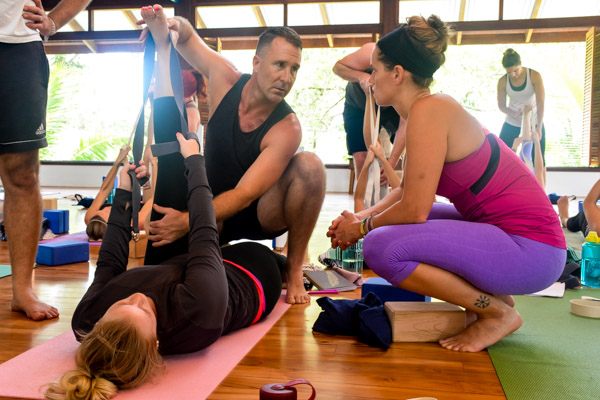
Is Yoga Teacher Training Right For Me?
We Created This FREE 5 Part Series So You Can Get All The Information To Make The Right Choice.
In this series, you will learn:
-
- Am I a candidate for yoga teacher training??
-
- What will I learn in a YTT?
-
- Do I need to have a perfect downward dog to attend YTT?
14-Day 200-Hour Yoga Teacher Training in Costa Rica
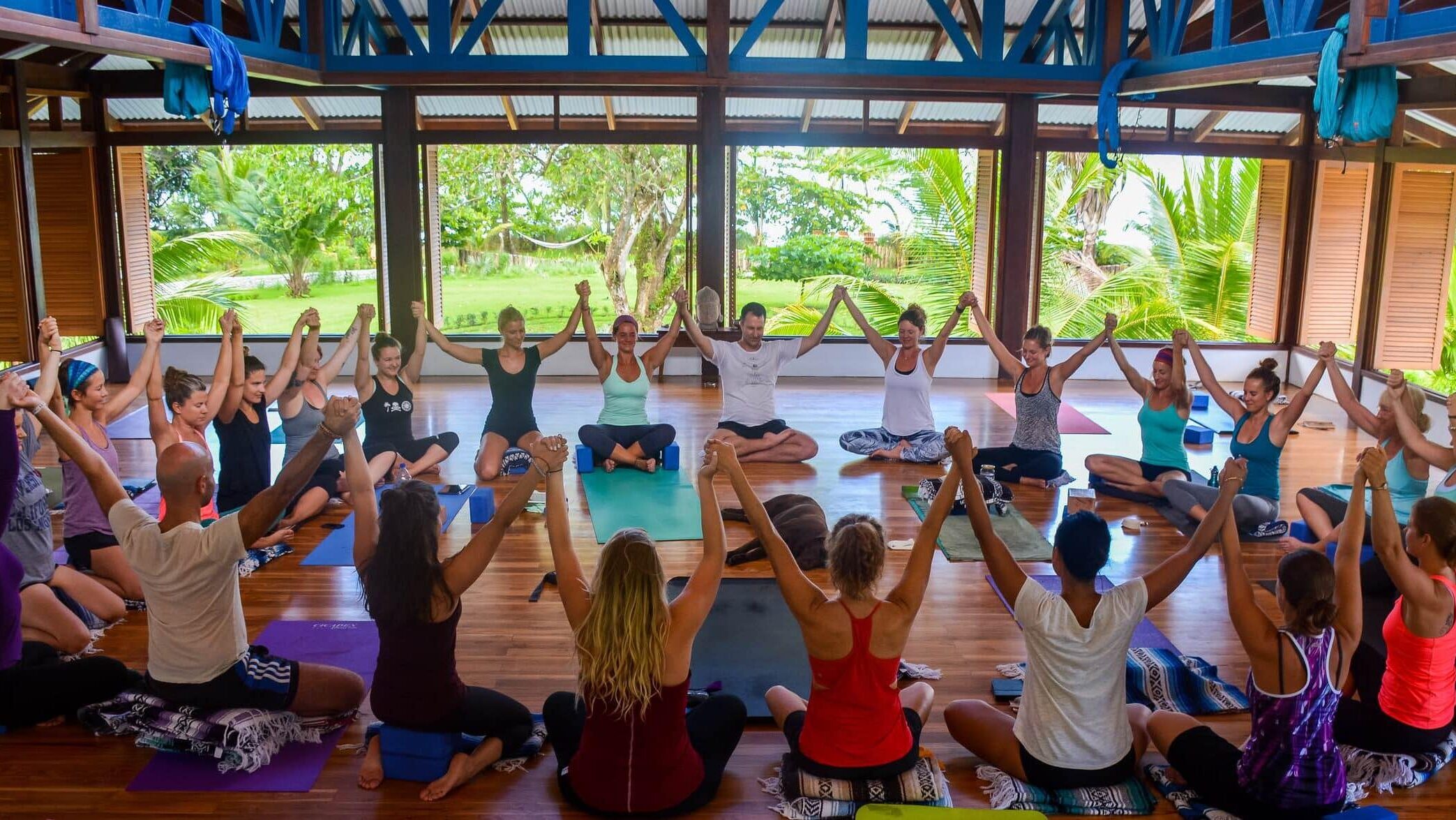
If you are looking for a 14-day 200 hour Yoga Teacher Training Costa Rica Immersion, you have landed in the right place. Join the next one!
300-Hour, 28-Day Yoga Teacher Training
Do You Feel Called To Something Greater?
This 300-Hour Yoga Teacher Training immersion training at Blue Osa will immerse you in yoga for one month.
You will have the specific transformational skills and yogic practices you need in order to connect with your higher purpose.
And more! You will be able to offer these transformative skills to others!
