

In today’s fast-paced world, we are constantly surrounded by advanced technology designed to simplify our lives and entertain us. With endless choices at our fingertips, we can decide how to live and where to focus our energy. Despite these conveniences, many find themselves time-poor, overwhelmed, and struggling to maintain balance in their lives.
A noticeable trend, particularly among women in their late 20s and 30s, is the pressure to excel in every aspect of life. While careers may flourish, personal lives, health, and well-being often suffer. The demands of long work hours leave little room for self-care, and the things that truly nourish our hearts and minds are neglected. Stress becomes a constant companion, often managed with caffeine and adrenaline, and unhealthy coping mechanisms like alcohol become more frequent.
The global economic climate adds to this pressure, requiring us to do more with less, leaving us feeling undervalued. If unchecked, this relentless pace can lead to chronic health issues or even depression. The energy we expend just to keep up often leaves us depleted, unable to recognize when we need to recharge.

Here are eight signs that you might be nearing burnout:
- Constant Exhaustion: No matter how much rest you get, you’re perpetually tired and often cancel plans because you can’t muster the energy. Sleep feels unrefreshing, and fatigue becomes a constant state. This exhaustion can affect all aspects of life, from work performance to personal relationships, leading to a vicious cycle of stress and fatigue.
- Frequent Illness: You experience random health issues like headaches, weight changes, or mood swings, with no clear diagnosis. These symptoms can be unsettling and persistent, adding to your stress. Your immune system may become compromised, making you more susceptible to common colds and infections.
- Loss of Interest: Activities you once enjoyed now leave you feeling indifferent and unmotivated. Hobbies and social gatherings that used to excite you might seem like burdens. This loss of interest often extends to professional aspirations, where once-passionate career goals feel meaningless.
- Social Overwhelm: Crowded places feel unbearable, and you prefer the solitude of home. Even simple errands can feel daunting, and the comfort of your own space becomes a retreat. Social obligations may feel more like chores, and the idea of interacting with others can cause anxiety.
- Persistent Sadness: Emotional extremes become your norm as you struggle to maintain your previous lifestyle. Feelings of sadness and even depression can creep in, making it difficult to connect with others. You might find yourself withdrawing from loved ones, further isolating yourself.
- Feeling Unfulfilled: You question your choices and wonder what life truly means to you. This existential questioning can leave you feeling lost and disconnected from your purpose. The search for meaning becomes overwhelming, and the lack of direction can exacerbate feelings of inadequacy.
- Intolerance to Stimulants: Even a small amount of alcohol or caffeine leaves you feeling unwell. Your body becomes hypersensitive to substances that once seemed harmless. This intolerance can manifest as headaches, nausea, or increased anxiety, making social drinking or a morning coffee a source of discomfort.
- Medical Confusion: Doctors are baffled by your symptoms, often resorting to prescriptions that don’t address the root issue. This medical mystery can add to your frustration and sense of helplessness. The cycle of doctor visits, tests, and inconclusive results can be exhausting and disheartening.

But there’s hope! You can take steps to prevent burnout:
- Slow Down: Re-evaluate your priorities and find a balance between responsibilities and desires. Allow yourself the grace to pause and breathe, recognizing that rest is essential. Consider setting boundaries at work and in personal relationships to protect your time and energy.
- Reflect: Consider what’s truly important to you and whether your current lifestyle aligns with those values. Journaling or meditative practices can help you reconnect with your inner self. Reflecting on your core values and aligning your actions with them can foster a sense of fulfillment.
- Active Relaxation: Dedicate time each day to unplug and simply be present with yourself. Whether it’s a walk in nature or a quiet moment of reflection, allow yourself space to unwind. Explore activities like tai chi, gentle stretching, or listening to calming music to ease tension.
- Take Charge: Explore natural and holistic healing options that resonate with you. From aromatherapy to herbal supplements, find what nourishes your body and soul. Educate yourself on alternative therapies and trust your intuition when choosing healing practices.
- Reach Out: Share your feelings with trusted friends or family for support. Opening up can be challenging, but vulnerability can also be a pathway to healing. Consider joining support groups or seeking professional counseling to gain perspective and guidance.
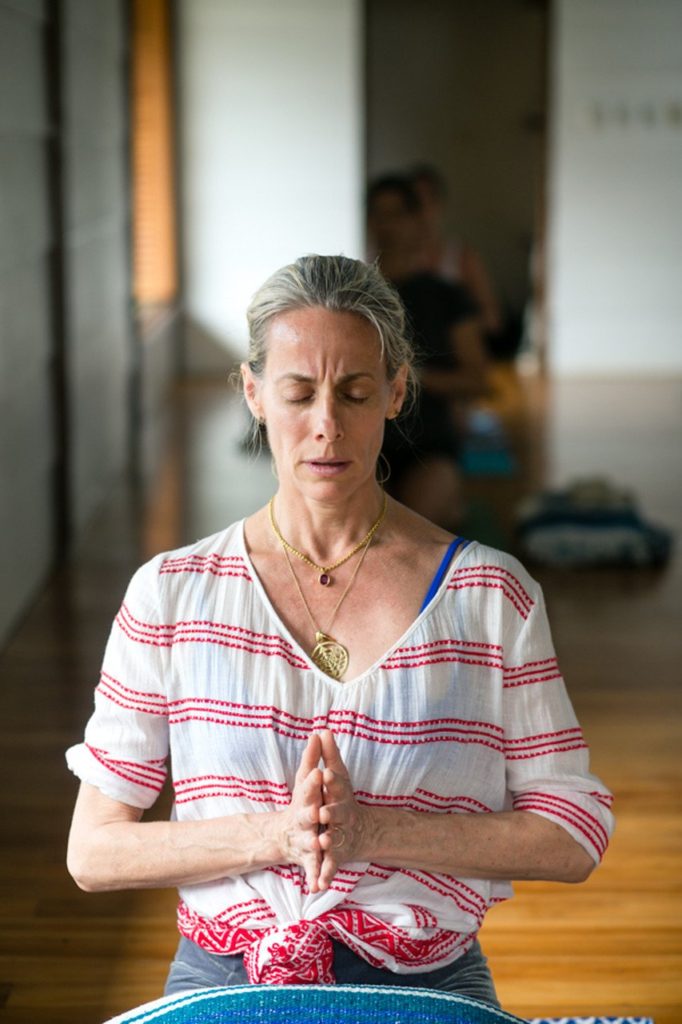
 Embrace Yoga and Meditation: These practices promote mind-body-spirit healing and help release tension. Regular practice can restore balance and bring a sense of peace. Explore different styles of yoga and meditation to find what resonates with you, such as Hatha yoga for relaxation or Vinyasa flow for energy.
- Eat Nourishing Foods: Opt for whole, high-quality foods that support your well-being. Emphasize fresh produce, lean proteins, and healthy fats to fuel your body and mind. Experiment with recipes that incorporate superfoods like quinoa, kale, and turmeric for added health benefits.
- Retreat: Take time off to recharge, whether at home or in a tranquil retreat setting. A change of environment can offer perspective and rejuvenation. Consider planning a weekend getaway or a staycation focused on relaxation and self-care.
- Holistic Therapies: Consider acupuncture, massage, or other holistic treatments to combat burnout. These therapies can provide relief and promote healing on multiple levels. Research practitioners who specialize in stress reduction and burnout recovery to ensure you receive tailored care.
- Positive Thinking: Practice mindfulness to shift negative thought patterns to more constructive ones. Cultivate gratitude and focus on the positives, even when challenges arise. Develop a daily gratitude practice by noting three things you’re thankful for each day, and challenge yourself to reframe negative situations with a positive perspective.
 Embrace
And for a truly rejuvenating experience, consider a yoga wellness vacation at Blue Osa. Nestled in the beautiful landscape of Costa Rica, it’s the perfect place to leave stress behind and reconnect with what’s important. Allow yourself to be embraced by nature as you find harmony within. Enjoy guided yoga sessions, nourishing meals, and a serene environment that fosters healing and growth.
Have you faced burnout before? How did you manage it? Share your experiences and tips with others who may be going through the same journey. By opening up, you contribute to a supportive community that fosters healing and understanding.
This is the first part of a two-part series on avoiding burnout. Read part two, where we’ll explore additional strategies to maintain balance and well-being in our fast-paced world!
Sharing is caring!

Check out these other popular posts!


Tags: Health, inspiration
Book/Inquire Now
Got pain? This will help you!

YOU DESERVE TO LIVE PAIN-FREE...
Receive 7 short, simple, and effective practices to alleviate knee, hip, low back, neck, shoulder pain, and more!
All you need is 5 minutes per lesson and it's FREE!
This revolutionary approach to yoga is new, and no one else is teaching this! Since I created Applied Yoga Anatomy + Muscle Activation™ and started teaching it consistently, I've witnessed students heal long-standing injuries, access yoga postures they never thought possible, and tell me over and over again how their body just feels better.
I hope you'll join me on this journey!
~Yogi Aaron
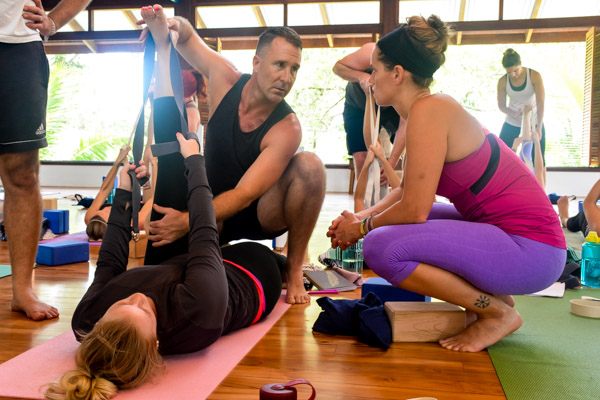
Is Yoga Teacher Training Right For Me?
We Created This FREE 5 Part Series So You Can Get All The Information To Make The Right Choice.
In this series, you will learn:
-
- Am I a candidate for yoga teacher training??
-
- What will I learn in a YTT?
-
- Do I need to have a perfect downward dog to attend YTT?
14-Day 200-Hour Yoga Teacher Training in Costa Rica
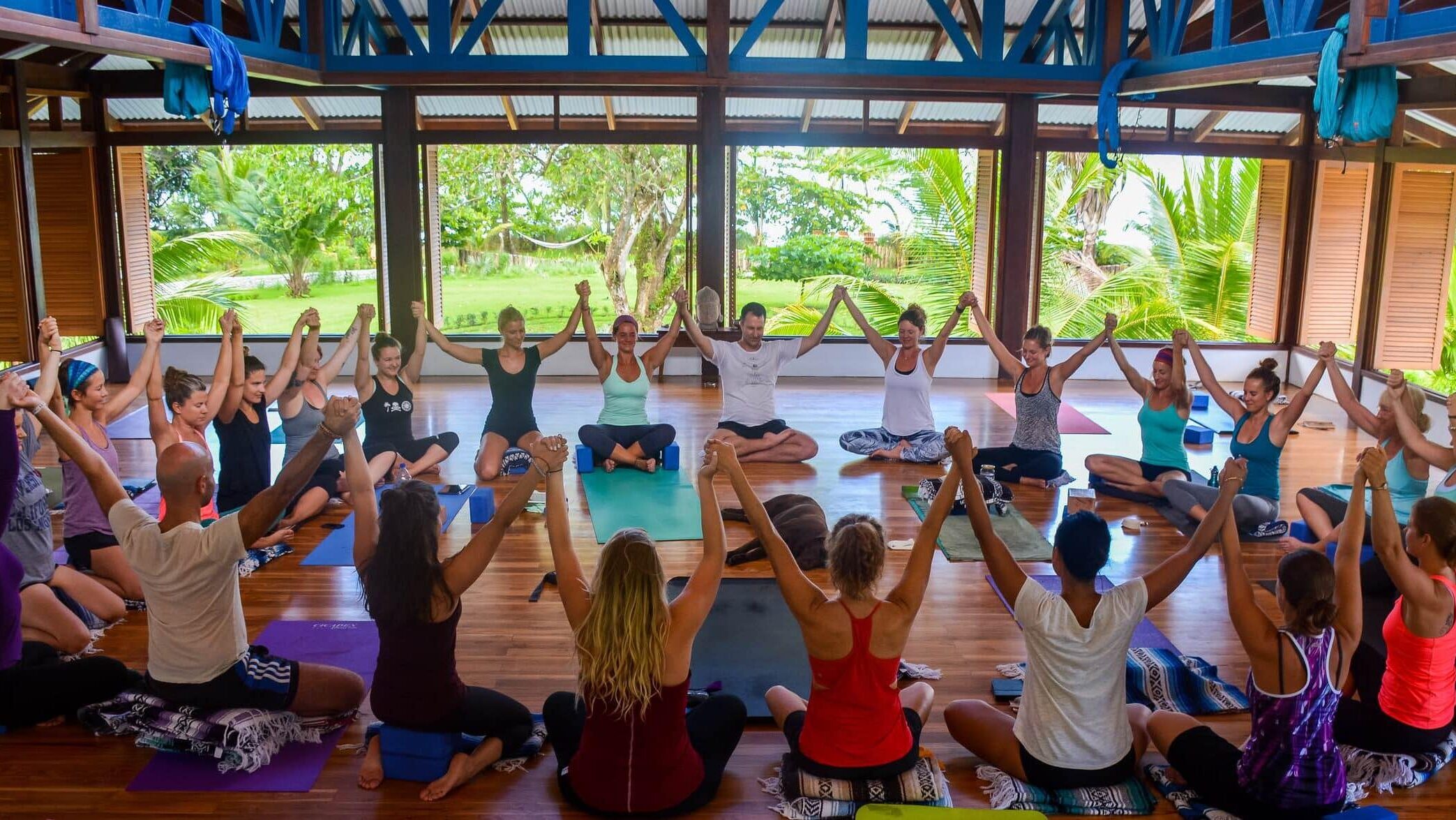
If you are looking for a 14-day 200 hour Yoga Teacher Training Costa Rica Immersion, you have landed in the right place. Join the next one!
300-Hour, 28-Day Yoga Teacher Training
Do You Feel Called To Something Greater?
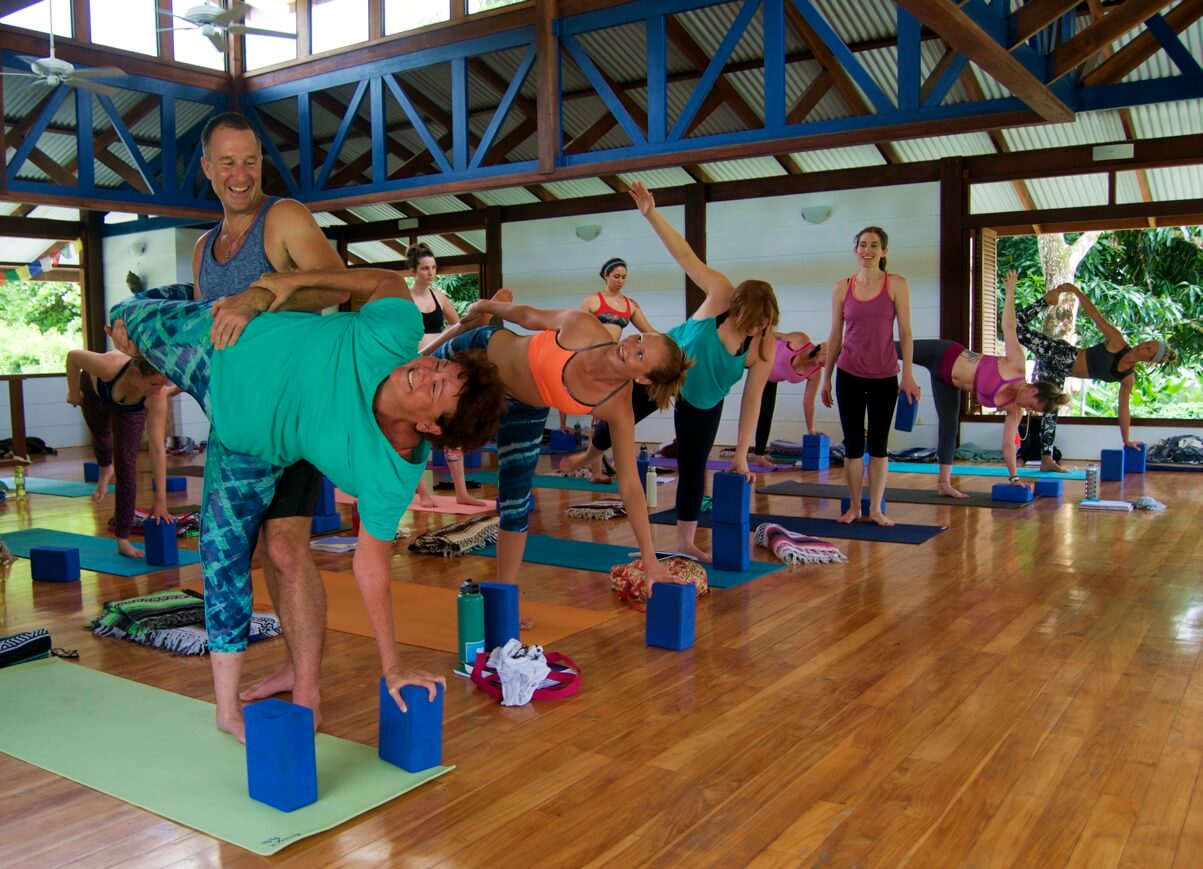
This 300-Hour Yoga Teacher Training immersion training at Blue Osa will immerse you in yoga for one month.
You will have the specific transformational skills and yogic practices you need in order to connect with your higher purpose.
And more! You will be able to offer these transformative skills to others!
