

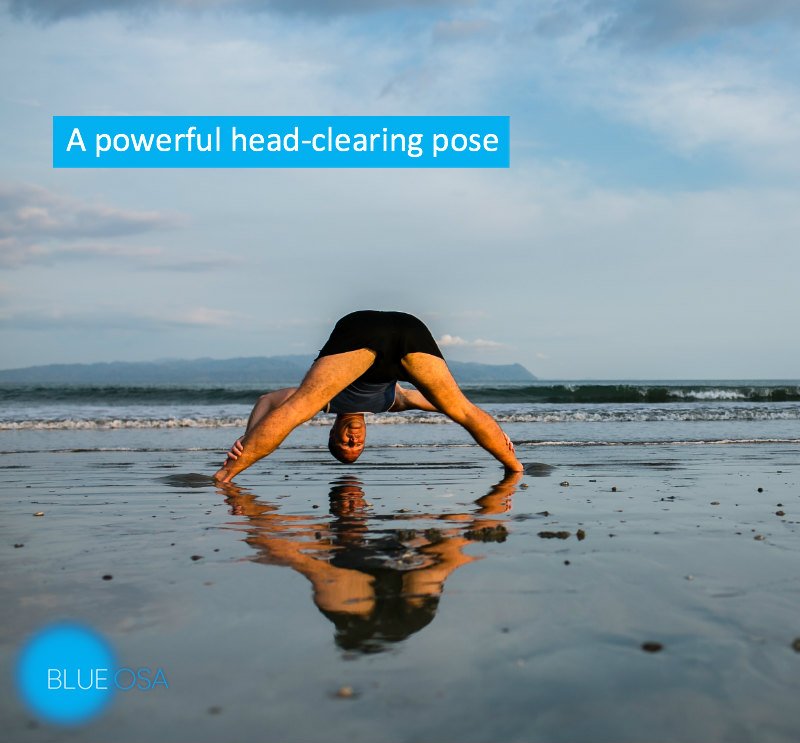
The wide legged forward fold is one of the most versatile standing poses in yoga — equally at home in an Ashtanga Primary Series, a Vinyasa flow, or a long Yin hold.
You’ve been practicing yoga for years. You know the poses. You understand your breath. And somewhere in the last few months — maybe longer — a quiet thought has started surfacing: Could I teach this?
Then comes the other thought, the louder one: Who am I to teach this?
Maybe you’re not doing advanced arm balances. Maybe you still use blocks. Maybe you’ve never attempted a headstand and you’re not sure you want to. And every time you picture yourself in a teacher training, you imagine a room full of people who are more flexible, more committed, more yogic than you somehow feel.
Here’s what that feeling actually means: you’re taking this seriously. And that matters far more than whether your hands touch the floor.
The wide-legged forward fold — Prasarita Padottanasana — is a perfect example of why. On the surface it looks simple. Two feet wide, fold forward, done. But practiced with real anatomical awareness, with intentional muscle activation rather than just gravity and hope, this pose becomes something else entirely. It becomes a conversation between your body and your nervous system. It becomes preparation for inversions. It becomes a teaching moment, whether you’re leading a class of thirty or simply deepening your own practice on a quiet morning.
If the idea of teaching has been quietly growing in you, you’re not alone — and you’re likely more ready than you think. Our Yoga Teacher Training in Costa Rica is designed for exactly this moment in a practitioner’s journey.
What Is the Wide Legged Forward Fold?
The wide legged forward fold is a standing forward bend that creates length through the entire posterior chain — hamstrings, calves, lower back, and spine — while simultaneously demanding active engagement from the legs and core. Unlike passive stretches where you simply sink into gravity, this pose works best when you bring muscular intention to every phase of it.
It appears across multiple yoga traditions: in Ashtanga it’s part of the Primary Series, in Vinyasa it serves as a grounding transition, and in Yin it becomes a long-held hip opener. That versatility is part of what makes it such a rich pose to understand deeply — and to teach.
Benefits of Wide Legged Forward Fold

Physical Benefits
- Hamstrings and inner thighs — the wide stance creates a different angle of stretch than a standard forward fold, targeting the adductors and the full length of the hamstrings
- Lower back decompression — inverting the torso while keeping the spine long creates gentle traction along the lumbar vertebrae
- Hip mobility — regular practice increases range of motion in the hip joints, which supports almost every other standing and seated pose
- Core and leg strength — this is not a passive pose; maintaining active legs and a lifted pelvis builds functional strength over time
- Inversion preparation — with the head below the heart, the pose introduces the cardiovascular and neurological effects of inversions without the risk of full weight-bearing on the arms or head. Building comfort with mild inversions like this one creates the foundation you need for more challenging poses — if arm balances are on your radar, read our guide to Crow Pose (Bakasana) next.
Practiced consistently, the wide legged forward fold delivers benefits that go well beyond a hamstring stretch.
Mental and Nervous System Benefits
Forward folds, as a category, are known for their calming effect on the nervous system. When the torso folds over the legs, the parasympathetic nervous system is stimulated — the branch responsible for rest, digestion, and recovery. Practiced with slow, deliberate breathing, the wide legged forward fold becomes genuinely restorative, not just physically but mentally.
Regular practitioners report reduced anxiety, improved focus after practice, and a clearer sense of grounding — particularly useful if you’re dealing with the kind of mental noise that comes from a demanding career or a life in constant motion.
How to Do Wide Legged Forward Fold: Step-by-Step
- Begin in Mountain Pose (Tadasana) at the center of your mat
- Step your feet wide — approximately 3 to 4 feet apart, heels slightly wider than toes
- Place your hands on your hips. Inhale and lengthen your spine, lifting through the crown of your head
- Engage your legs fully — press the outer edges of your feet into the mat, lift through the inner arches, and draw your quadriceps upward. This is the activation that changes everything
- On an exhale, hinge forward from the hips — not the waist. Keep the front of your torso long
- Bring your hands to the floor directly under your shoulders, fingertips in line with your toes
- Keep a slight tuck in the sacrum — there is no benefit to over-arching the lower back here
- Shift your weight slightly forward into the balls of your feet to keep the spine long
- With each inhale, find more length. With each exhale, soften deeper into the fold
- To come out, place hands back on hips, press firmly into your feet, and rise with a flat back
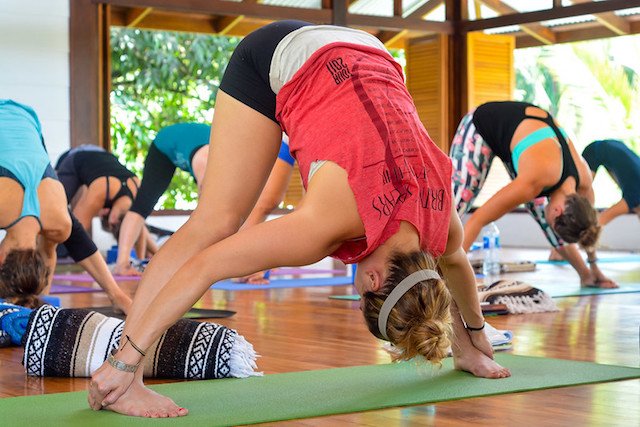
How long to hold: 5 to 10 breaths is appropriate for most practices. In a Yin context, 3 to 5 minutes with bent knees is appropriate.
Wide legged forward fold pairs naturally in sequences with other standing poses that build hip and hamstring awareness — Triangle Pose (Trikonasana) is an ideal companion pose and a natural next step.
Common Mistakes to Avoid
Most errors in the wide legged forward fold come down to one thing: prioritizing depth over alignment.
- Rounding the lower back — the most common error, usually caused by tight hamstrings. Bend your knees before you round your spine. Developing strong, active legs is the single best preparation for almost every standing pose in yoga — our breakdown of Fierce Warrior 3 goes deep on exactly that.
- Weight falling into the heels — this collapses the pose. Actively press into the balls of your feet
- Passive legs — letting the legs go soft removes the foundation of the pose entirely. Keep them switched on throughout
- Forcing the head to the floor — depth is not the goal. Length is
- Hinging from the waist instead of the hips — place your hands on your hip bones and feel the hinge initiating there, not higher up
Modifications and Variations
Learning to modify intelligently — rather than push through — is one of the marks of a maturing practice. It’s the same principle we explore in our guide to Seated Twist (Marichyasana C), where spinal integrity matters far more than depth.
This pose is genuinely accessible to most bodies with the right adjustments. The goal is never maximum depth — it’s optimal alignment for your anatomy today.
Using a Block or Chair
If your hands don’t reach the floor comfortably without rounding the back, place two blocks shoulder-width apart at whatever height keeps your spine long. A chair seat works equally well. This is not a beginner modification — it is correct alignment practice, and experienced teachers use it regularly.
Arm Variations
Arms on Hips — Variation A
The starting position. Hands remain on hips throughout the fold. Useful for students learning to hinge from the hip rather than the waist, and for anyone with wrist or shoulder sensitivity.
Hands to Floor — Variation B
The most common expression. Hands come to the mat, elbows bent and pointing behind you. Focus on keeping the elbows directly above the wrists and the spine actively lengthening.
Hands Clasped Behind Back — Variation C
Fingers interlace behind the back, and as you fold forward the arms lift away from the body. This opens the chest and shoulders significantly and adds a counterbalancing backbend quality to the upper body. Move slowly into this one — shoulder flexibility varies widely.
If Variation C feels good and you want to explore that chest-opening quality further, Camel Pose (Ustrasana) is the natural progression — our full guide covers how to approach it safely.
Holding the Ankles — Variation D
From the full fold, hands walk back to grip the ankles. This deepens the hamstring stretch and encourages the elbows to bend outward, which naturally draws the crown of the head toward the floor. Only appropriate when the spine can remain long throughout.
Who Should Avoid This Pose
This pose is appropriate for most people, but proceed with caution or consult a teacher if you have:
- Lower back injuries — avoid full forward flexion; practice with a significant bend in the knees or hands on blocks at hip height
- Hamstring tears or attachments injuries — this pose loads the hamstrings significantly; a gentle bend in the knees reduces that load
- Low blood pressure or vertigo — the inversion element can trigger dizziness; keep the head above the heart using blocks
- Late-stage pregnancy — the wide stance can place stress on the sacroiliac joint; modify with a chair or avoid entirely
- Glaucoma or other eye pressure conditions — any inversion, even mild, increases intraocular pressure
Always work within your own range of ability. If you have any medical concerns, consult your doctor before beginning or deepening a yoga practice.
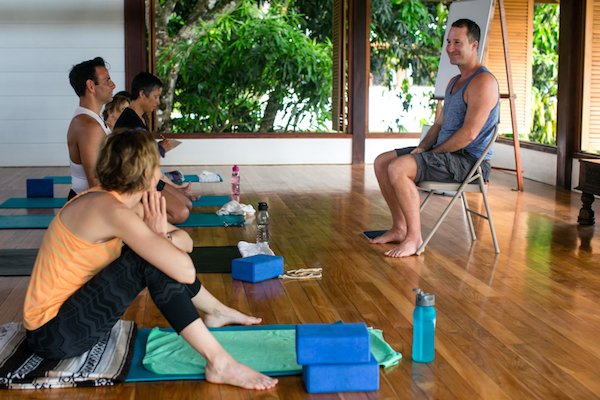
Take Your Practice Deeper: Yoga Teacher Training in Costa Rica with Yogi Aaron
Blue Osa’s approach is different from the weekend certification model you may have seen elsewhere — it is a full immersion experience. You can read exactly what that means and what to expect on our immersion-style Yoga Teacher Training page.
If you’ve read this far, you’re not just looking for a how-to guide. You’re looking for a deeper understanding of how yoga actually works in the body — and how to share that understanding with others.
That’s exactly what Yogi Aaron’s Yoga Teacher Training at Blue Osa is built around.

What Is AYAMA and Why It Transforms This Pose
AYAMA is a muscle activation technique developed by Yogi Aaron that fundamentally changes how you experience and teach yoga poses. Rather than passively stretching a muscle and hoping it releases, AYAMA works by activating the muscles that support a pose — creating stability, strength, and genuine flexibility simultaneously.
In the wide legged forward fold, AYAMA principles are immediately applicable. The instruction to “keep activity in your legs,” to “zip everything up,” to engage rather than collapse — these are not just cues for safety. They are the difference between a pose that opens the body and one that simply folds it.
Students who learn AYAMA consistently report that poses they’ve practiced for years feel entirely different — more supported, more intentional, and paradoxically both more challenging and more comfortable.
Blue Osa’s YTT has been recognized internationally for this approach — see how it compares to other programs in our roundup of the top 10 yoga teacher trainings globally.
What You’ll Learn in Blue Osa’s Yoga Teacher Training
Blue Osa’s YTT is an immersive program on the Osa Peninsula in Costa Rica, led by Yogi Aaron. It is designed for practitioners who are serious about yoga — not necessarily advanced by conventional standards, but committed to understanding the practice at a level most studios never teach.
You will leave knowing:
- How to cue alignment and muscle activation for poses at every level
- How to read a student’s body and offer modifications that genuinely help
- The anatomy behind the poses you’ve been practicing intuitively for years
- How to build and sequence a class that creates a real arc of experience
- How AYAMA transforms both your personal practice and your ability to teach
Already have your 200-hour certification and wondering what comes next? Here are 7 reasons to consider a 300-hour immersion training — and why depth of study changes everything about how you teach.
Frequently Asked Questions
Q1: How wide should my feet be in wide legged forward fold?
Generally 3 to 4 feet apart — roughly one leg-length. The right distance is one where you can hinge forward with a long spine without your hips hiking up or your knees straining. Adjust for your body rather than matching someone else’s stance.
Q2: Why can’t I keep my back flat when I fold forward?
Almost always tight hamstrings. Before you round your spine, bend your knees. A long back with bent knees is correct alignment. A flat-legged rounded back is not. Blocks under your hands also help immediately.
Q3: Is a wide-legged forward fold good for lower back pain?
It can be — but technique matters enormously. Practiced with active legs, a hinged hip, and a long spine it gently decompresses the lumbar vertebrae. Practiced with a rounded back and passive legs it can aggravate existing issues. When in doubt, use blocks and bent knees.
Q4: What is the difference between Prasarita Padottanasana A, B, C, and D?
The leg position stays the same across all four — the arm variation changes. A is hands to floor, B is hands on hips, C is hands clasped behind the back with arms lifting, and D is hands holding the ankles. Each targets a different area of the upper body while maintaining the same foundational fold.
Understanding pose variations at this level of detail is exactly the kind of thinking that makes a strong teacher — explore how the same principle applies in our guide to Triangle Pose, where arm and torso position shifts the pose significantly.
Q5: Do I need to be an advanced yogi to do a yoga teacher training?
No — and this is one of the most common misconceptions that stops qualified practitioners from applying. What matters is consistency of practice, genuine curiosity, and a willingness to learn. Blue Osa’s YTT with Yogi Aaron is specifically designed for practitioners who want to understand yoga deeply, not just perform it impressively.
If you’re still mapping out what the path to teaching actually looks like, our complete guide on how to become a yoga instructor walks you through every step, including Yoga Alliance certification requirements.”
You’ve been practicing for years. You understand more than you give yourself credit for. The next step isn’t another pose guide — it’s a room, a teacher, and a practice that shows you what you’re actually capable of.
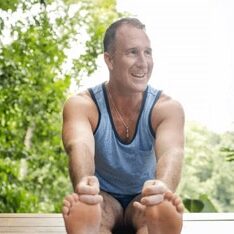
About The Author, Yogi Aaron
Yogi Aaron is the founder and creator of Applied Yoga Anatomy + Muscle Activation™ (AYAMA), a revolutionary methodology that challenges conventional approaches to yoga. Using a science-backed approach, he prioritizes muscle activation over traditional stretching.
With over three decades of dedicated study, mentorship, and hands-on experience, he has established himself as a leading expert in yoga therapy, alignment, and pain-free movement.
As owner and operator of Blue Osa Yoga Retreat + Spa in Costa Rica, Yogi Aaron leads transformative programs that combine his expertise in yoga instruction, retreat facilitation, and wellness business operations. His work spans both in-person immersive experiences and digital education through The Yogi Club online platform and the AYAMA™ Certification Program.
Yogi Aaron’s teaching methodology represents a paradigm shift in modern yoga practice. AYAMA focuses on activating and engaging muscles to enhance range of motion, build strength, improve stability, and optimize alignment—while reducing pain and injury risk. This evidence-based approach has positioned him as a thought leader challenging the status quo in the yoga community.
His mission extends beyond the mat: to liberate individuals from chronic pain and guide them toward discovering yoga’s authentic purpose through intelligent, body-informed practice.
Learn more about training opportunities with Yogi Aaron at Blue Osa Yoga Retreat + Spa.
Check out these other popular posts!
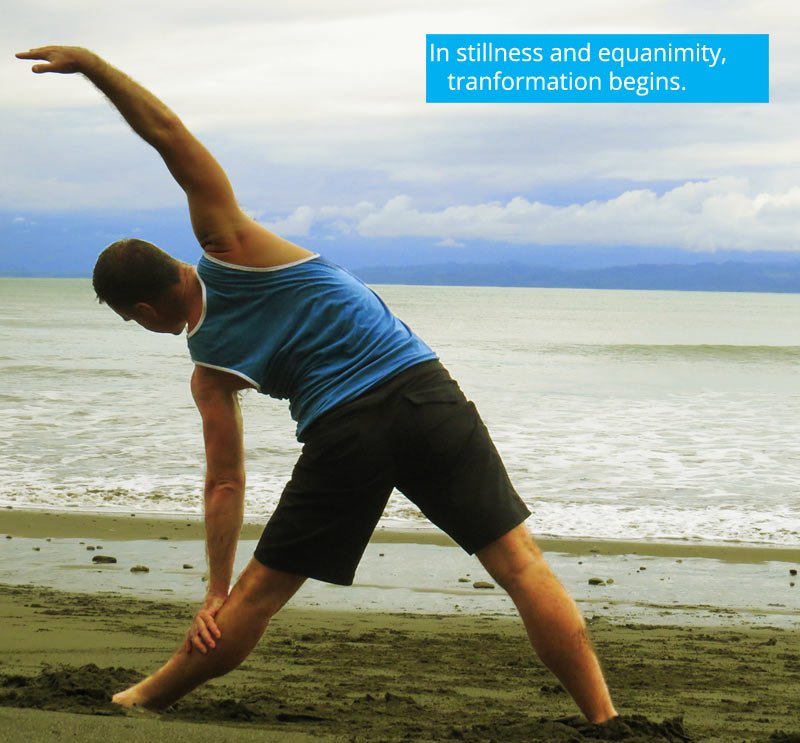
Triangle Pose (Trikonasana): Everything You Need To Learn + Teach Yoga Poses
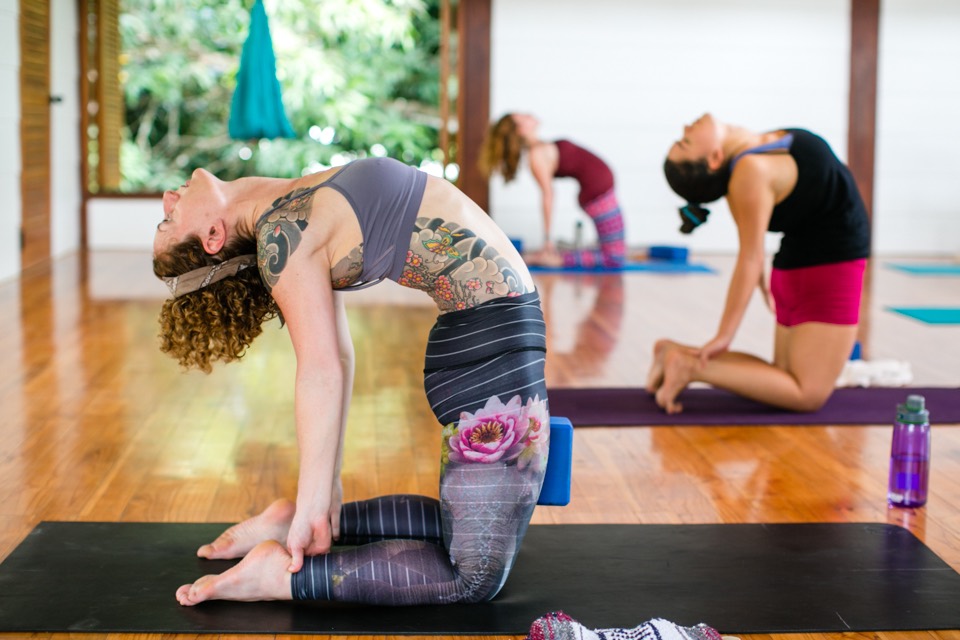
Feel More Open and Alive with Camel Pose (Ustrasana)
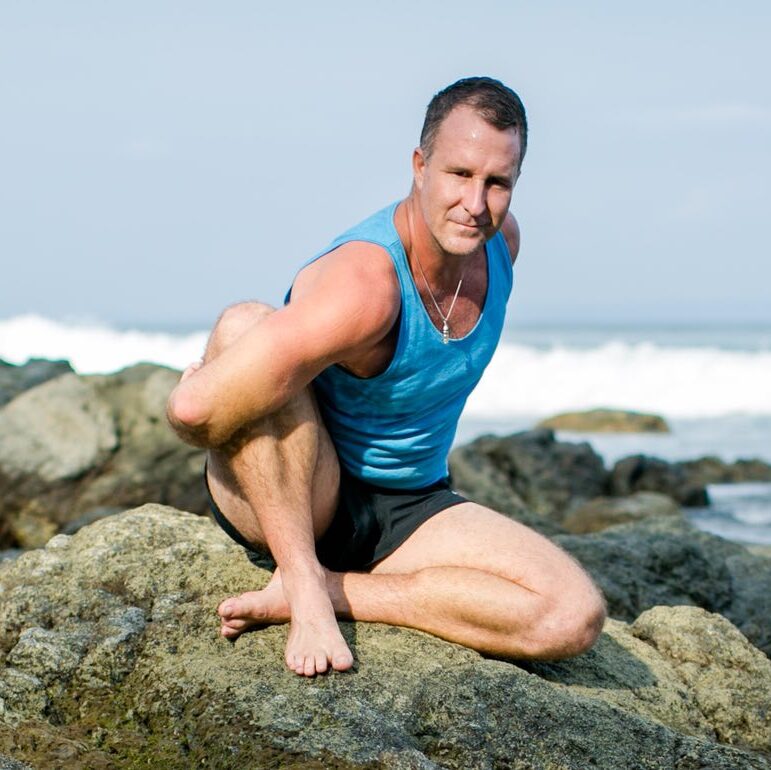
Seated Twist (Marichyasana C) Everything You Need To Know To Learn + Teach
Tags: Yoga
Book/Inquire Now
Got pain? This will help you!

YOU DESERVE TO LIVE PAIN-FREE...
Receive 7 short, simple, and effective practices to alleviate knee, hip, low back, neck, shoulder pain, and more!
All you need is 5 minutes per lesson and it's FREE!
This revolutionary approach to yoga is new, and no one else is teaching this! Since I created Applied Yoga Anatomy + Muscle Activation™ and started teaching it consistently, I've witnessed students heal long-standing injuries, access yoga postures they never thought possible, and tell me over and over again how their body just feels better.
I hope you'll join me on this journey!
~Yogi Aaron
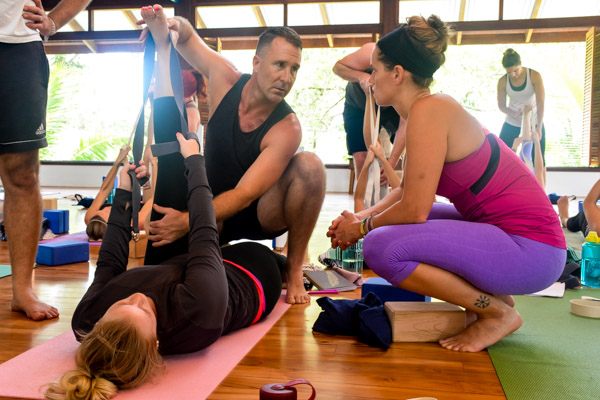
Is Yoga Teacher Training Right For Me?
We Created This FREE 5 Part Series So You Can Get All The Information To Make The Right Choice.
In this series, you will learn:
-
- Am I a candidate for yoga teacher training??
-
- What will I learn in a YTT?
-
- Do I need to have a perfect downward dog to attend YTT?
14-Day 200-Hour Yoga Teacher Training in Costa Rica
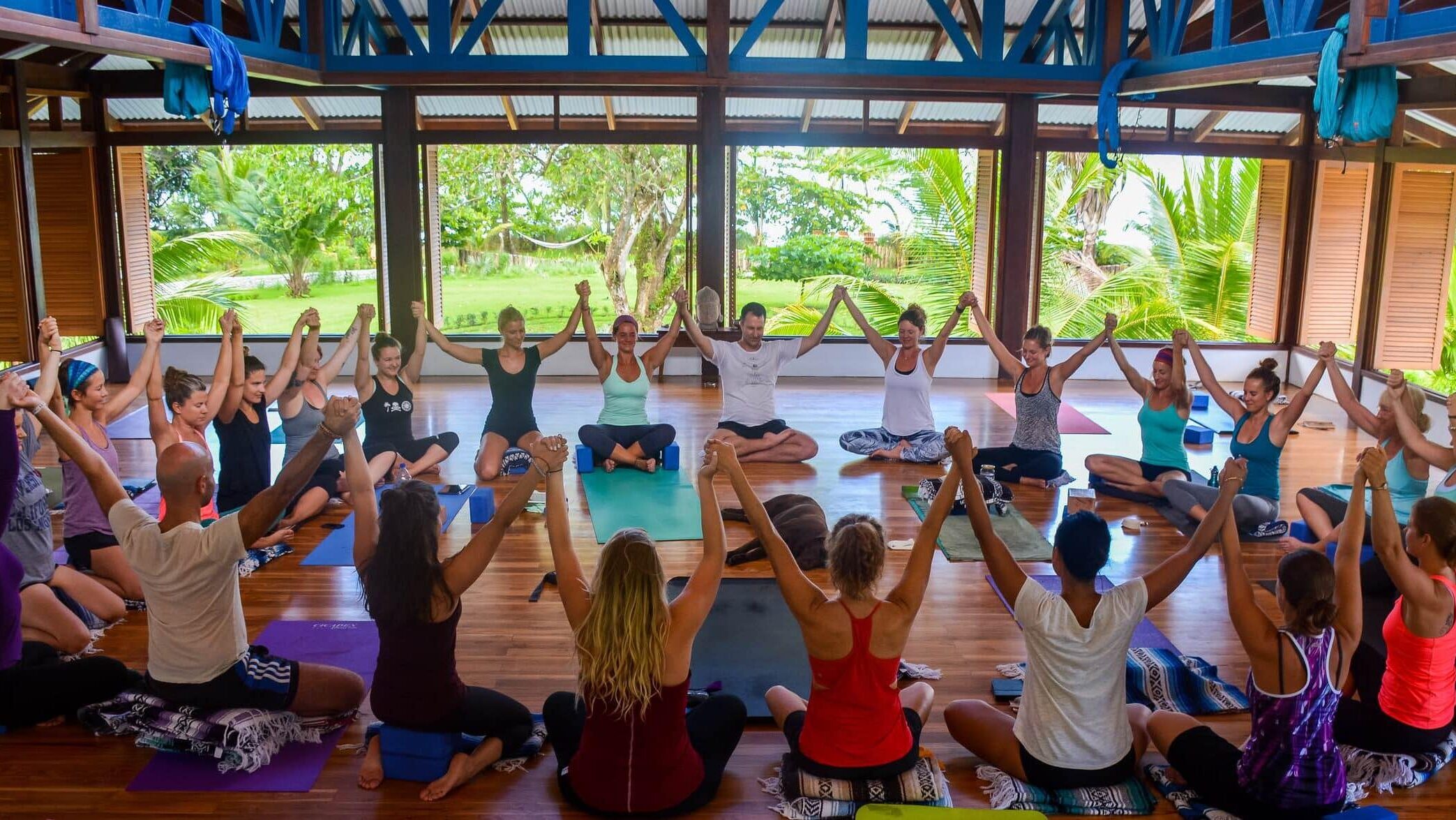
If you are looking for a 14-day 200 hour Yoga Teacher Training Costa Rica Immersion, you have landed in the right place. Join the next one!
300-Hour, 28-Day Yoga Teacher Training
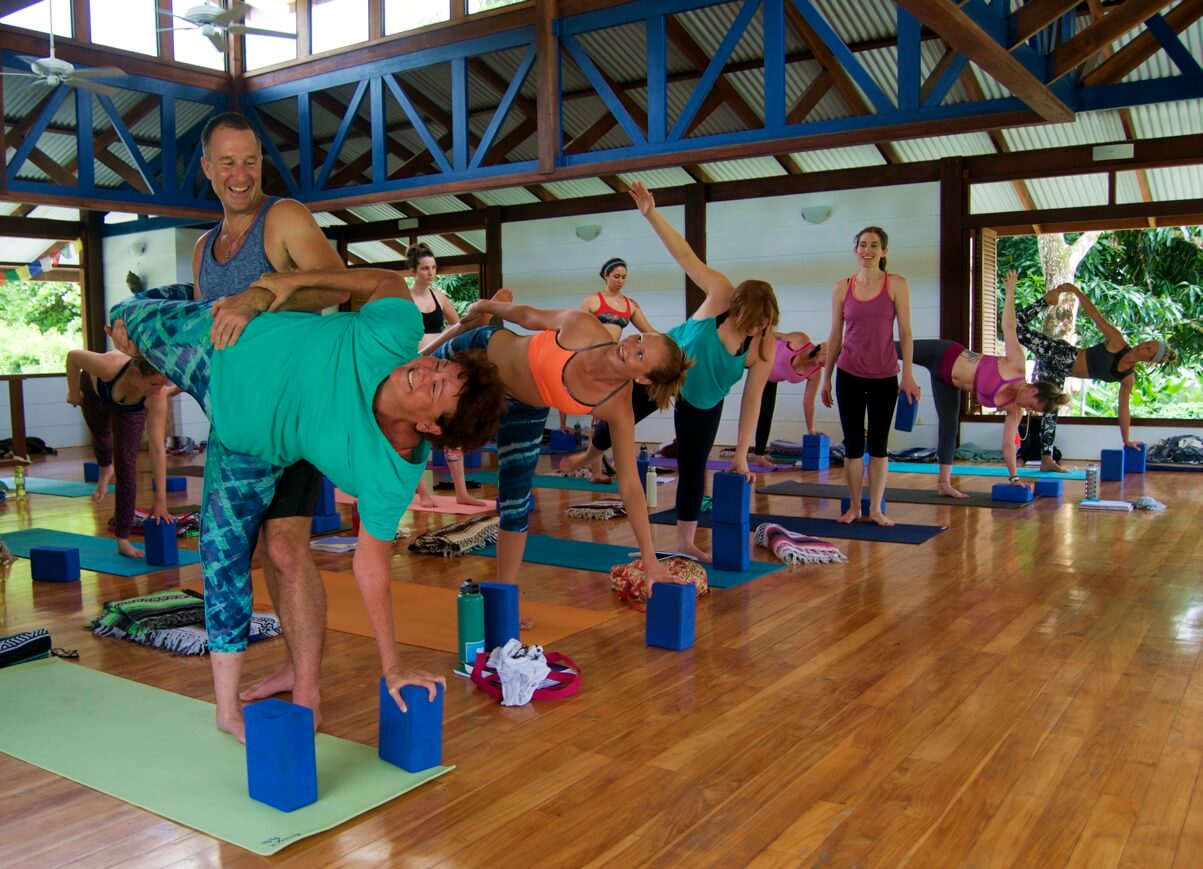
Do You Feel Called To Something Greater?
This 300-Hour Yoga Teacher Training immersion training at Blue Osa will immerse you in yoga for one month.
You will have the specific transformational skills and yogic practices you need in order to connect with your higher purpose.
And more! You will be able to offer these transformative skills to others!
