

10 Essential Books for Yoga Teacher Training: A Guide for Aspiring Instructors
Yoga is more than a series of physical postures—it’s a lifelong journey of self-discovery, philosophy, and mindful living. For aspiring yoga teachers, reading is an essential part of this journey. Whether you’re diving into ancient texts like the Yoga Sutras of Patanjali or exploring modern guides on anatomy and sequencing, the right literature can offer invaluable insights. In this guide, we’ll highlight the top 10 essential books for yoga teacher training, helping you deepen your understanding, refine your teaching skills, and build a solid foundation in yoga practice and instruction.

Why Read Books for Yoga Teacher Training?
Reading is a cornerstone of a comprehensive yoga education. The best yoga books—such as the Hatha Yoga Pradipika and The Bhagavad Gita—delve into the history, ethics, and philosophy behind the poses we practice on the mat. These texts help aspiring instructors grasp the broader context of yoga, going beyond asanas to include breathwork, meditation, and lifestyle.
Books on anatomy and sequencing, like Anatomy of Hatha Yoga, are equally vital. They equip teachers with the knowledge to lead safe, effective, and accessible classes. By studying these foundational texts, you’ll cultivate confidence, clarity, and creativity in your teaching.
You’ll also be introduced to diverse yoga styles like restorative yoga, yin yoga, and vinyasa, helping you tailor your classes to meet different student needs and deepen your personal connection to the practice.
How Reading Deepens Your Yoga Practice
Books offer a unique opportunity to explore the eight limbs of yoga, pranayama (breath control), and meditation. They provide spiritual context and philosophical depth, which can transform your experience on the mat.
For those enrolled in a 200-hour yoga teacher training, incorporating books like The Heart of Yoga by T.K.V. Desikachar enhances the curriculum, helping you integrate traditional wisdom with modern applications. Whether you’re teaching in-person or through online platforms, these resources support lifelong growth.
How Yoga Literature Enhances Teaching Skills
Yoga literature isn’t just informative—it’s transformative. Reading yoga books improves your teaching by expanding your knowledge of:
- Anatomy and biomechanics
- Philosophical grounding (e.g., Raja Yoga and Samkhya philosophy)
- Instructional clarity and cueing
- Sequencing principles for different student populations
The Benefits of a Well-Rounded Reading List
A curated, diverse reading list helps you:
- Gain insights from respected yoga instructors
- Learn from both traditional and contemporary sources
- Understand different styles, from Iyengar to Kundalini
- Prepare for running a successful yoga business
- Explore yoga’s integration with daily wellness and lifestyle
By engaging with books that span philosophy, physical practice, and modern application, you develop into a well-rounded, empathetic, and effective yoga teacher.
Choosing the Right Yoga Books: Key Criteria
✅ Are Author Credentials Important?
Absolutely. Look for authors who are certified yoga professionals, medical experts, or scholars in Eastern philosophy. Their experience ensures that the information you’re receiving is not only authentic but also safe and applicable.
✅ Should You Focus on Philosophy, Anatomy, or Sequencing?
All three are essential. Philosophy books promote introspection and ethical teaching, anatomy texts ensure safety and understanding of body mechanics, and sequencing books enhance class planning and structure. A balanced mix is key to mastering both the art and science of yoga.
✅ Classic Texts or Modern Works?
Both have value. Classic texts like The Bhagavad Gita or Light on Yoga provide timeless wisdom. Contemporary works bring fresh perspectives, real-life case studies, and adaptations for modern bodies and lifestyles. Your reading list should honor tradition while embracing innovation.
Furthermore, a well-structured book that features comprehensive explanations, personal anecdotes, and clear guidance can greatly influence a reader’s journey. Such book features enhance the learning experience, making it easier for practitioners to integrate yoga into their daily lives. Ultimately, the author’s background and the quality of the content are essential for fostering a meaningful connection with yoga.
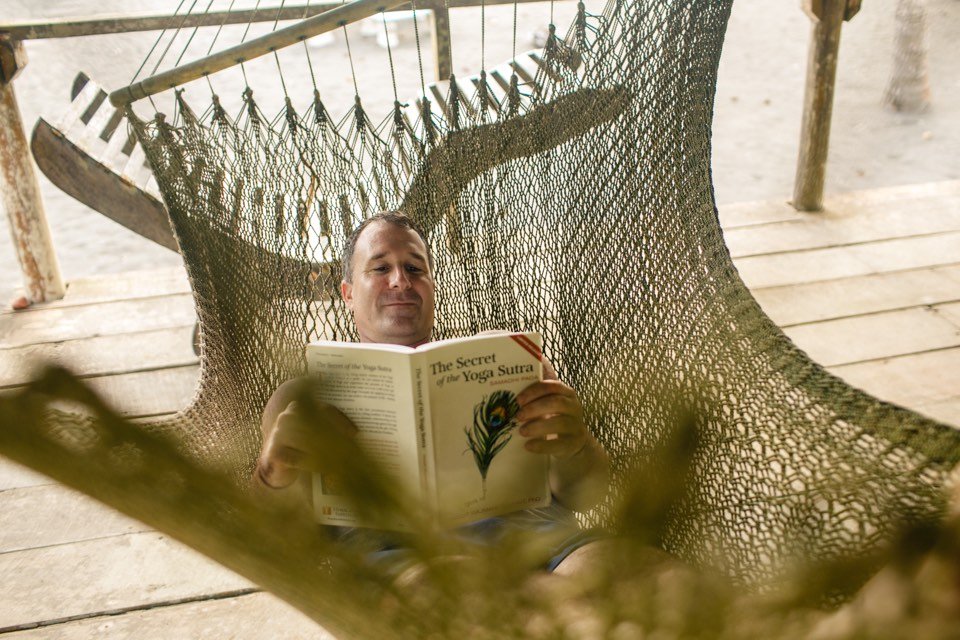
Books that focus on philosophy often encourage critical thinking and introspection, allowing learners to explore complex ideas and ethical dilemmas. This can lead to a deeper understanding of human nature and society.
In contrast, texts centered on anatomy provide a more tangible learning experience, emphasizing the importance of the human body’s structure and functions. Such books often utilize diagrams and models, enhancing visual learning.
Ultimately, a book’s focus shapes the learning process, influencing how information is absorbed and understood, whether through abstract concepts or concrete details.
Should You Prioritize Classic Texts or Contemporary Works?
When considering whether to prioritize classic texts or contemporary works, it’s essential to recognize the unique value each offers. Classic texts serve as the foundation of literary tradition, providing timeless themes and cultural insights that can enrich our understanding of the human experience. On the other hand, contemporary works reflect modern society, addressing current issues and diverse perspectives that resonate with today’s readers. Ultimately, a balanced approach that embraces both classic texts and contemporary works can lead to a more comprehensive appreciation of literature’s evolution and its ongoing relevance in our lives.
Top 10 Essential Books for Yoga Teacher Training
What are the Foundational Texts Every Yoga Teacher Should Read?
Yoga teacher training is a transformative journey; having the right resources is crucial. This list of the top 10 essential books will guide aspiring instructors through the philosophies, anatomy, and practical teachings of yoga. Texts like The Heart of Yoga by T.K.V. Desikachar and Light on Yoga by B.K.S. Iyengar provide foundational knowledge and insights into practice.
Additionally, books such as The Yoga Sutras of Patanjali and Anatomy of Hatha Yoga by H. David Coulter deepen understanding of yoga’s spiritual and physical aspects. These texts are invaluable for anyone looking to enrich their yoga practice and teaching approach.

1. The Yoga Sutras of Patanjali
A must-read for every yoga teacher, this foundational text explores the eight limbs of yoga and the spiritual discipline behind the practice. It offers timeless guidance on self-awareness, mindfulness, and the pursuit of inner peace.
2. The Bhagavad Gita
This ancient scripture provides profound insights into karma, devotion, and self-realization. Through the dialogue between Krishna and Arjuna, you’ll explore the intersection of yoga, ethics, and purposeful living.
3. Light on Yoga by B.K.S. Iyengar
Part manual, part philosophy guide, this book includes detailed instructions for over 200 poses. Iyengar’s precision and attention to alignment make it invaluable for understanding the technical aspects of asana.
4. The Heart of Yoga by T.K.V. Desikachar
This book emphasizes personalized practice and the adaptation of yoga to individual needs. It offers a blend of practical techniques and deep philosophical insights drawn from Desikachar’s lineage.
5. Anatomy of Hatha Yoga by H. David Coulter
This textbook-style guide blends Western anatomical science with Eastern yoga principles. It’s ideal for teachers who want a deeper understanding of how the body works in each pose.
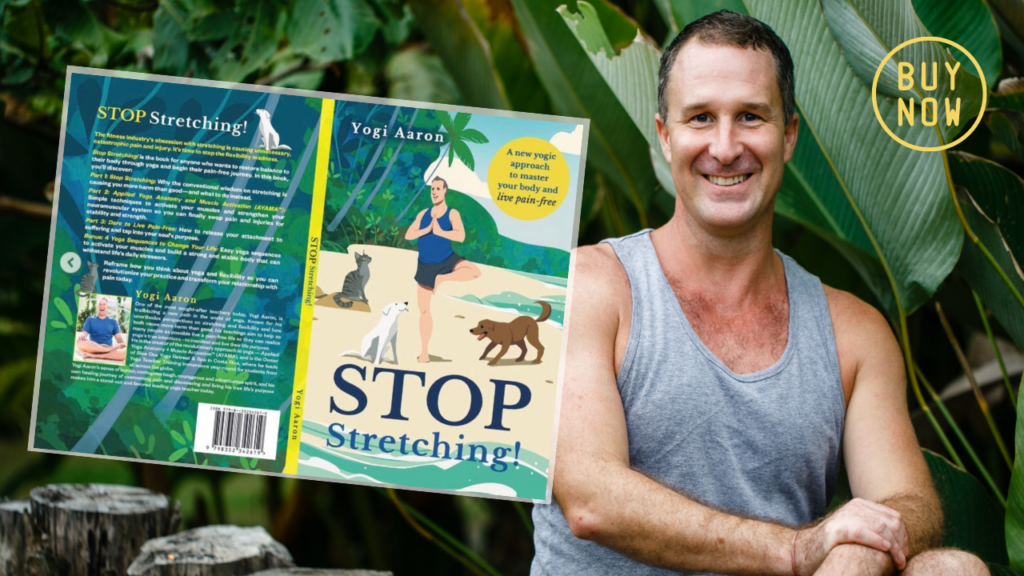
6. Stop Stretching! by Yogi Aaron
Written by bestselling author Yogi Aaron, this book is a must-read for all yoga teachers. It teaches his revolutionary approach to yoga, AYAMA (Applied Yoga Anatomy & Muscle Activation). In it, he shares his personal story of suffering from chronic pain, his healing journey, and how he came to create AYAMA to ultimately bust through the myth that stretching is good for you and to help others find their way back to living their best pain-free life. Stop Stretching! will help you reframe how you think about yoga and flexibility to revolutionize your practice and transform your relationship with pain.
7. The Key Muscles of Yoga by Ray Long
A visual and practical guide to muscle engagement, alignment, and posture. A favorite among anatomy students and teachers alike.
8. Yoga Anatomy by Leslie Kaminoff and Amy Matthews
Another anatomy essential, this book uses stunning illustrations and expert insights to break down how the body moves during yoga.
9. Teaching Yoga by Mark Stephens
This comprehensive guide covers class planning, ethics, safety, and communication, making it ideal for yoga teachers at any stage of their career.
10. The Yamas & Niyamas by Deborah Adele
Focused on the ethical foundation of yoga, this book is an accessible and engaging take on the first two limbs of the eightfold path. Great for teaching off-the-mat lessons.

Are There Any Books on Mindfulness and Meditation Worth Noting?
In The Miracle of Mindfulness, Thich Nhat Hanh emphasizes the importance of being present in each moment, a principle that beautifully complements yoga practice. By cultivating mindfulness, practitioners can deepen their connection to each pose, enhancing their physical and mental experience on the mat.
The book offers practical exercises that encourage awareness of breath and body, which align perfectly with yoga’s fundamental elements. Integrating these teachings fosters a holistic approach to well-being, allowing individuals to understand themselves and their practice better.
Closing Thoughts
A well-rounded reading list is a powerful asset for any yoga teacher. Engaging with classical texts and contemporary works deepens one’s understanding of yoga’s history, philosophy, and practical applications. These books will enhance one’s personal practice and equip one with the tools to guide and inspire one’s students. Investing time in studying these essential works will help one grow as a teacher, enriching both one’s knowledge and the experiences one creates in one’s yoga classes.
Check out these other popular posts!
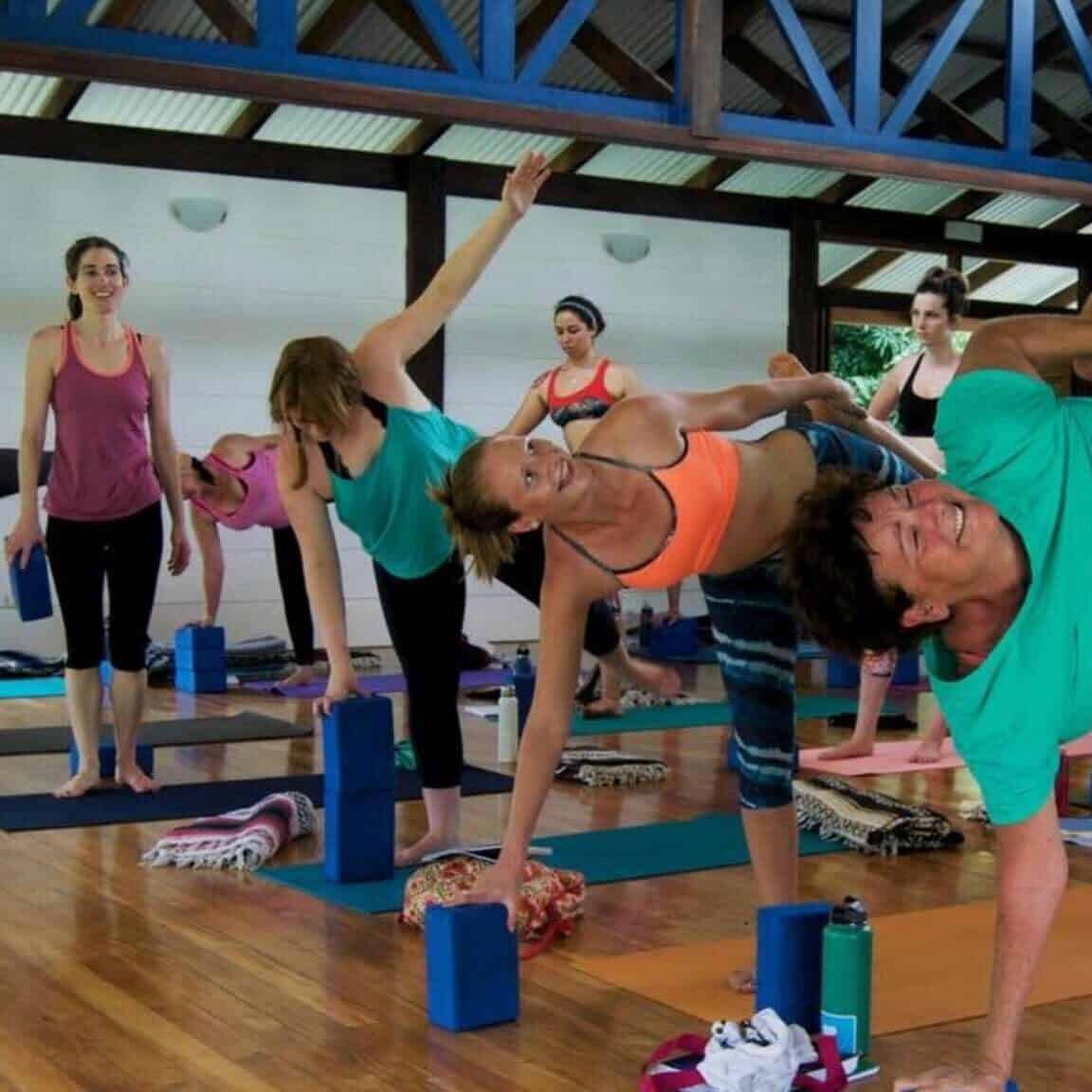
7 Benefits of Yoga Teacher Training (Even When You Don’t Want to Teach)

How to Become a Yoga Teacher and Trainer
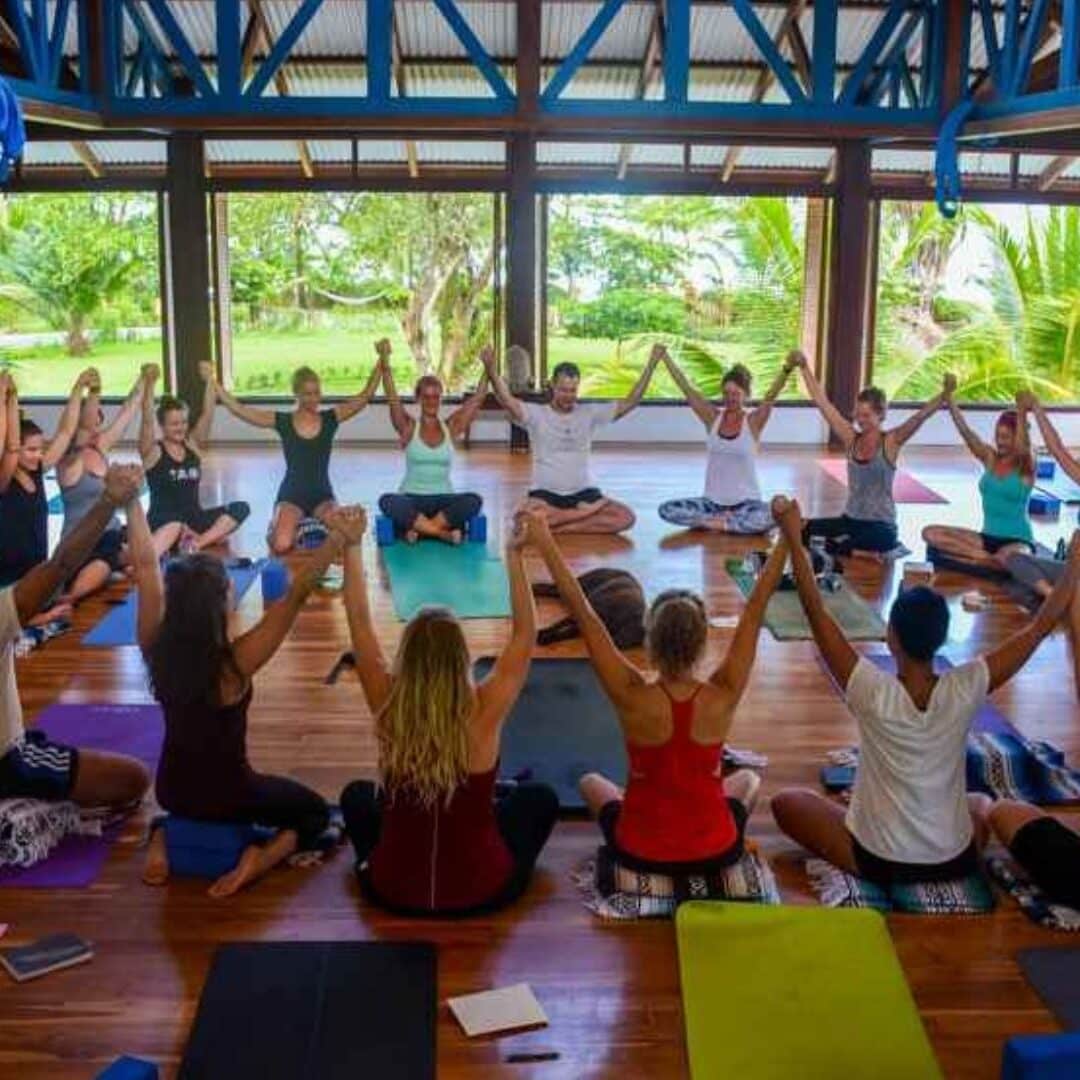
How to Sell Out Your Yoga Retreat: Yoga Business Insider Secrets
Tags: Costa Rica, yoga teacher training
Book/Inquire Now
Got pain? This will help you!

YOU DESERVE TO LIVE PAIN-FREE...
Receive 7 short, simple, and effective practices to alleviate knee, hip, low back, neck, shoulder pain, and more!
All you need is 5 minutes per lesson and it's FREE!
This revolutionary approach to yoga is new, and no one else is teaching this! Since I created Applied Yoga Anatomy + Muscle Activation™ and started teaching it consistently, I've witnessed students heal long-standing injuries, access yoga postures they never thought possible, and tell me over and over again how their body just feels better.
I hope you'll join me on this journey!
~Yogi Aaron
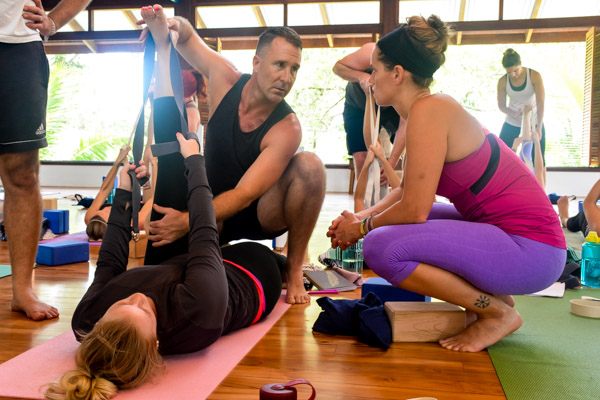
Is Yoga Teacher Training Right For Me?
We Created This FREE 5 Part Series So You Can Get All The Information To Make The Right Choice.
In this series, you will learn:
-
- Am I a candidate for yoga teacher training??
-
- What will I learn in a YTT?
-
- Do I need to have a perfect downward dog to attend YTT?
14-Day 200-Hour Yoga Teacher Training in Costa Rica
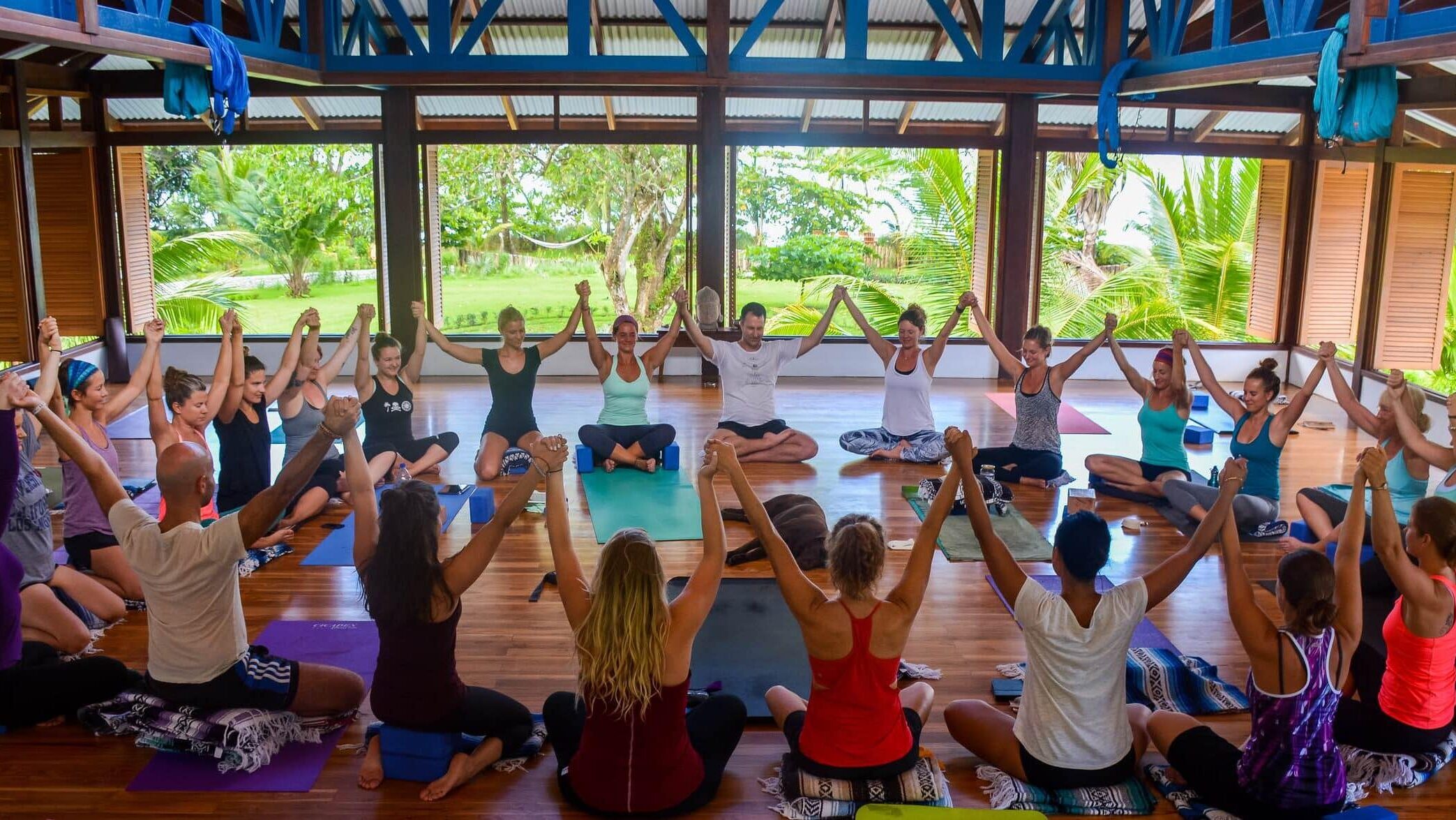
If you are looking for a 14-day 200 hour Yoga Teacher Training Costa Rica Immersion, you have landed in the right place. Join the next one!
300-Hour, 28-Day Yoga Teacher Training
Do You Feel Called To Something Greater?
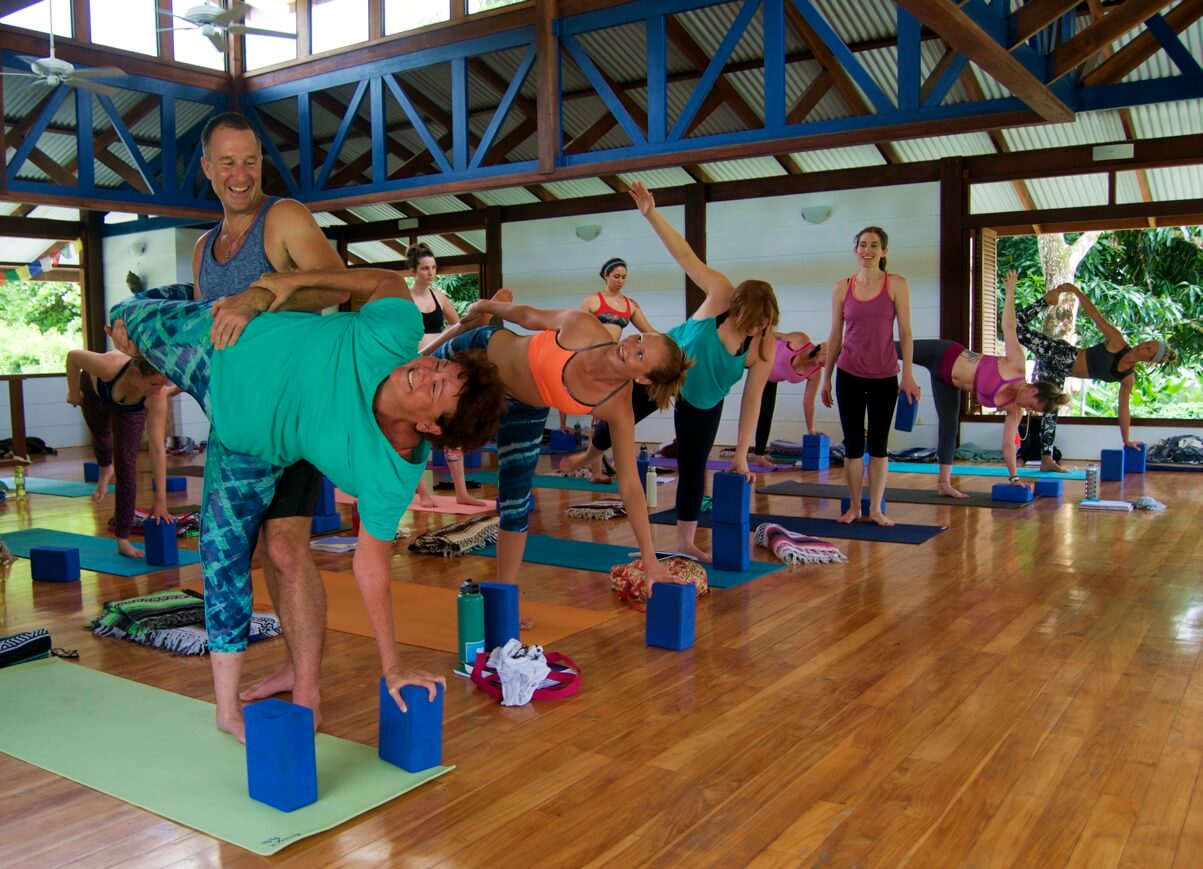
This 300-Hour Yoga Teacher Training immersion training at Blue Osa will immerse you in yoga for one month.
You will have the specific transformational skills and yogic practices you need in order to connect with your higher purpose.
And more! You will be able to offer these transformative skills to others!
