

This guide to Triangle Pose will help you unlock one of yoga’s most transformative postures. Triangle Pose, or Trikonasana, is more than just a physical posture in yoga—it’s a deeply symbolic and transformative pose that stretches not only your body but also your spirit. With roots that extend into ancient yogic philosophy, Trikonasana represents a harmonious blend of mind, body, and spirit. This powerful asana encourages openness, stability, and balance, all while promoting deep physical and emotional awareness.
Whether you’re a seasoned yogi or just beginning your yoga practice, Triangle Pose offers a wealth of benefits, both on the mat and beyond. In this comprehensive guide to Triangle Pose, we will explore the physical benefits of Trikonasana, its spiritual significance, and provide you with detailed instructions to practice this pose effectively, including dynamic variations to enhance your practice.
The Spiritual Significance of Triangle Pose
In traditional yoga philosophy, the symbolism behind the Triangle Pose (Trikonasana) is deeply meaningful. The three points of the pose correspond to the trinity of creation, sustenance, and destruction, known in Hinduism as the three gunas: Brahma (the creator), Vishnu (the sustainer), and Shiva (the destroyer). Each of these energies represents a different aspect of the universe, and the pose itself embodies the balance and interconnectedness of these forces.
Furthermore, the two triangles that are formed in the body while practicing the pose symbolize the union of the lower self with the higher self. The lower self connects to the grounded, earthly aspects of being, while the higher self connects to the spiritual, enlightened aspects of our nature. Understanding this deeper meaning is an essential part of any guide to Triangle Pose—it invites us to align and integrate these two parts of ourselves, creating a sense of wholeness, balance, and transformation.
When you step into the pose, it’s as if you are stepping into an ancient practice of self-discovery. You’re not just stretching your body—you’re engaging in a form of spiritual practice that helps you connect with the universe and yourself in a deeper way.

The Physical Benefits of Triangle Pose
While Triangle Pose is deeply rooted in spiritual symbolism, its physical benefits are equally profound. Here are some of the top benefits of practicing Trikonasana regularly:
- Improves Flexibility: Triangle Pose stretches the entire body, particularly the hamstrings, hips, and spine. It helps increase flexibility and range of motion in the legs and torso, which can improve overall mobility.
- Strengthens the Legs and Core: As you hold the pose, your legs engage to stabilize the body, building strength in the thighs, calves, and ankles. The core muscles are also activated, which enhances overall strength and balance.
- Enhances Balance and Stability: Triangle Pose is a grounding posture that encourages balance and stability. By pressing your feet firmly into the ground and extending your arms, you create a solid base that helps improve proprioception (awareness of your body’s position in space).
- Opens the Chest and Shoulders: By reaching one arm towards the ceiling and the other towards the floor, you expand the chest and shoulders, relieving tension and improving posture.
- Stimulates the Digestive System: The deep stretch in the abdomen, combined with the gentle twisting motion of the torso, helps stimulate the digestive organs and can aid in digestion.
- Relieves Lower Back Pain: The extension of the spine and the stretch across the torso can help alleviate tension in the lower back and promote better spinal alignment.
- Reduces Stress and Anxiety: Like many yoga poses, Triangle Pose encourages deep breathing, which can calm the nervous system, reduce stress, and improve mental clarity.
How to Do Triangle Pose (Trikonasana): Step-by-Step Instructions
Triangle Pose is accessible to all levels of yoga practitioners, but proper alignment is key to ensuring that you experience the maximum benefits of the pose. Here are detailed instructions to help you get into Triangle Pose with good form:
1. Start with the Right Stance
Begin by standing tall with your feet about 3-4 feet apart. The exact distance will depend on your height, but your legs should be wide enough so that you can comfortably spread your arms without feeling cramped.
2. Align Your Hips and Shoulders
Turn your right foot outward to face the front of the mat, and keep your left foot turned slightly inward. Ensure that your hips and shoulders are aligned with your legs, facing forward.
3. Extend Your Arms
Extend your arms parallel to the floor, keeping your palms facing down. Your arms should be strong and active, like beams of light reaching out in opposite directions.
4. Reach and Lengthen
Inhale deeply as you extend your right hand forward, lengthening the right side of your body. Imagine your body as a long line stretching from the tips of your fingers to the heel of your right foot.
5. Lower into the Pose
Exhale as you tilt your torso to the right, bringing your right hand down to rest on your shin, ankle, or the floor. Your left arm should reach upward, with your palm facing inward, creating two triangles with your body. Keep both legs straight and strong, pressing your feet firmly into the floor.
6. Engage the Core
As you hold the pose, engage your core to keep your torso from collapsing. Imagine drawing your navel toward your spine to keep your torso open and lengthened.
7. Deepen the Stretch
While holding the pose, focus on breathing deeply. Inhale to lengthen your spine, and exhale to deepen the stretch. Keep your neck relaxed, either looking up at your left hand or down toward your right foot—whichever feels more comfortable for your neck.
8. Hold and Breathe
Hold the pose for 30 seconds to 1 minute, breathing deeply and steadily. If you’re feeling strong and comfortable, try holding the pose for up to 2-3 minutes for a more profound effect.
9. Exit the Pose
To come out of the pose, inhale as you rise back up to a standing position, bringing your arms back to parallel. Repeat on the other side.

Dynamic Variations of Triangle Pose
For those who are looking to deepen their practice, this guide to Triangle Pose includes several dynamic variations that will challenge your balance and flexibility:
1. Flowing Triangle
Instead of holding the pose statically, try moving in and out of Triangle Pose in a flowing manner. Inhale as you reach your arms parallel to the floor and exhale as you move into the full pose. Inhale to rise back up, and repeat. This flowing movement warms up the body and helps improve flexibility and strength.
2. Extended Side Angle Variation
While in the Triangle Pose, lower your right hand to the floor and extend your left arm over your head, reaching toward the front of the room. This variation adds a deeper side stretch and enhances the opening of the chest and shoulders.
3. Triangle with a Twist
From the Triangle Pose, place your left hand on your right thigh and twist your torso to the left, bringing your right arm to the ceiling. This adds a gentle spinal twist that can deepen the stretch and improve mobility in the spine.
Conclusion: A Path to Transformation
Triangle Pose (Trikonasana) is more than just a physical posture; it’s a powerful tool for self-transformation. Whether you’re following this guide to Triangle Pose as a beginner or using it to refine your advanced practice, you’ll find that through its deep stretches, grounding qualities, and spiritual symbolism, this pose allows us to connect with both our lower and higher selves, bringing balance and peace to mind, body, and spirit. By practicing regularly and incorporating dynamic variations, you can enhance your physical strength, flexibility, and mental clarity.
As you deepen your practice, hold the pose longer, and explore the symbolism and philosophy behind it, you may find that Triangle Pose becomes a source of not only physical strength but also spiritual growth and transformation.
Tags: Yogi Aaron, inspiration
Book/Inquire Now
Got pain? This will help you!

YOU DESERVE TO LIVE PAIN-FREE...
Receive 7 short, simple, and effective practices to alleviate knee, hip, low back, neck, shoulder pain, and more!
All you need is 5 minutes per lesson and it's FREE!
This revolutionary approach to yoga is new, and no one else is teaching this! Since I created Applied Yoga Anatomy + Muscle Activation™ and started teaching it consistently, I've witnessed students heal long-standing injuries, access yoga postures they never thought possible, and tell me over and over again how their body just feels better.
I hope you'll join me on this journey!
~Yogi Aaron
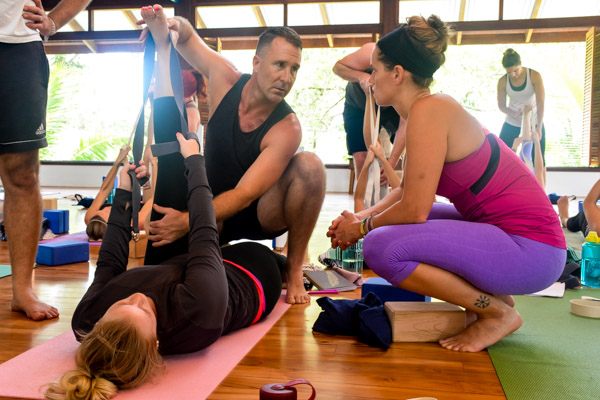
Is Yoga Teacher Training Right For Me?
We Created This FREE 5 Part Series So You Can Get All The Information To Make The Right Choice.
In this series, you will learn:
-
- Am I a candidate for yoga teacher training??
-
- What will I learn in a YTT?
-
- Do I need to have a perfect downward dog to attend YTT?
14-Day 200-Hour Yoga Teacher Training in Costa Rica
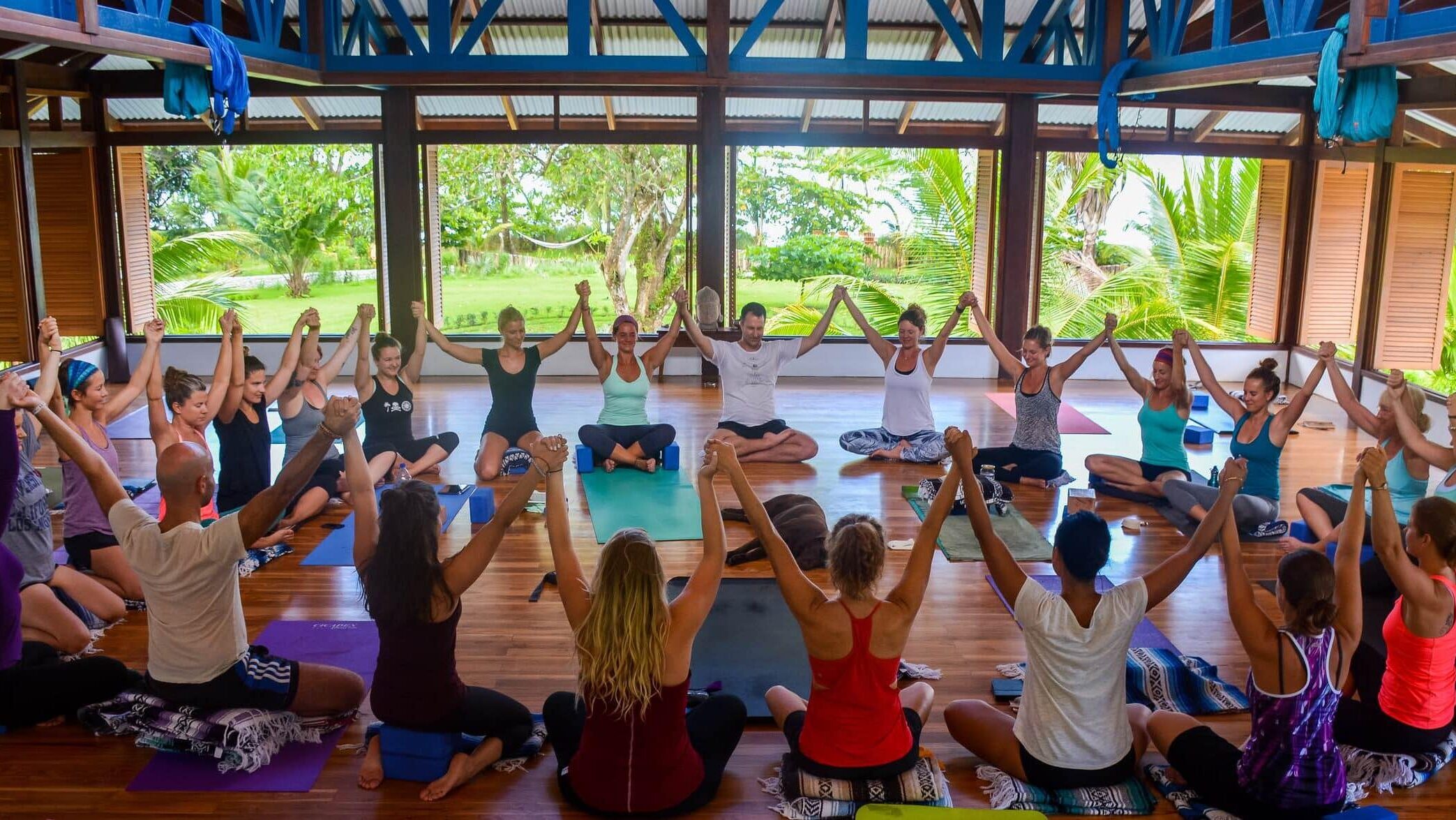
If you are looking for a 14-day 200 hour Yoga Teacher Training Costa Rica Immersion, you have landed in the right place. Join the next one!
300-Hour, 28-Day Yoga Teacher Training
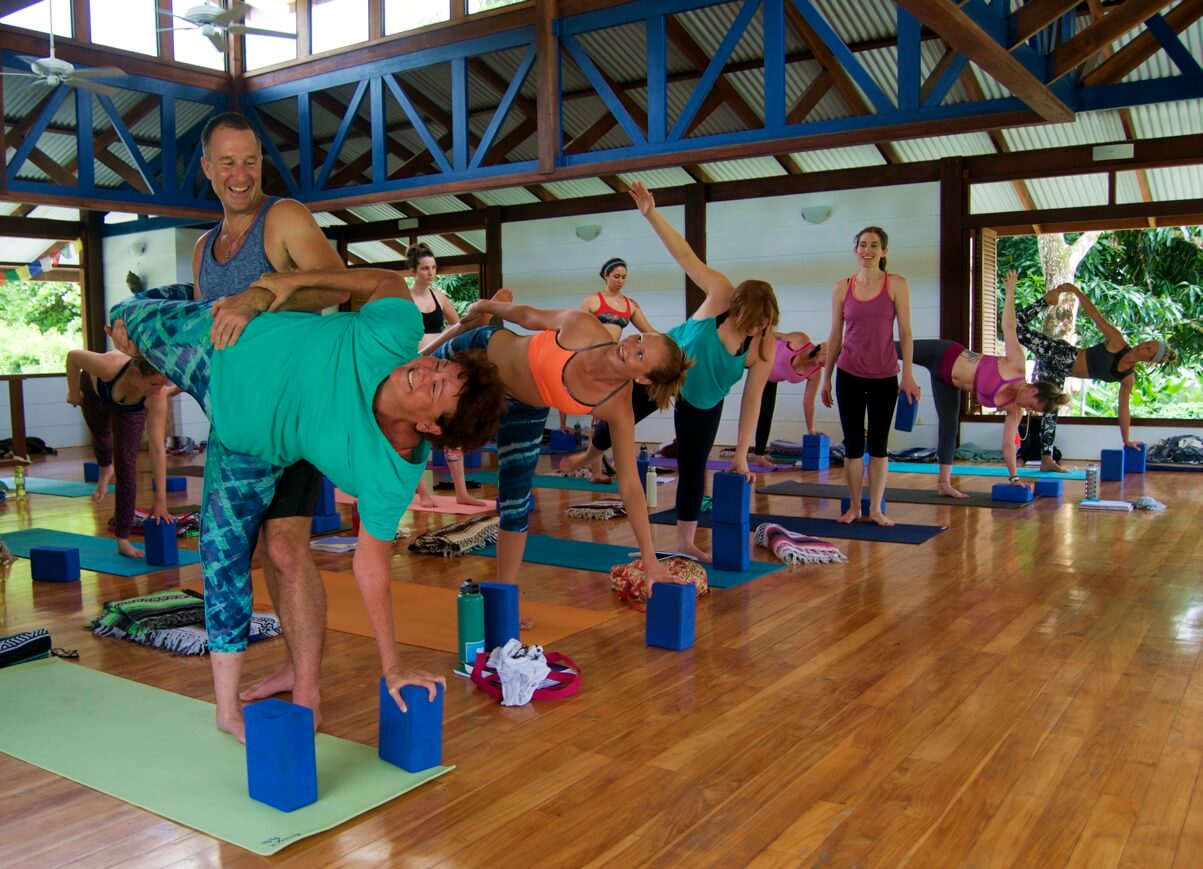
Do You Feel Called To Something Greater?
This 300-Hour Yoga Teacher Training immersion training at Blue Osa will immerse you in yoga for one month.
You will have the specific transformational skills and yogic practices you need in order to connect with your higher purpose.
And more! You will be able to offer these transformative skills to others!
