

Have you ever wondered why yoga studios and meditation spaces often feature statues of a pot-bellied deity with an elephant head? Or why yogis chant mantras to Ganesh before beginning their practice?
Ganesh symbolism runs deep in the yoga tradition, offering profound wisdom about overcoming obstacles, finding balance, and beginning new journeys. At Blue Osa Yoga Retreat in Costa Rica, we honor this ancient tradition with our own Balinese-style Ganesh temple, where Yogi Aaron leads sacred rituals and pujas for guests seeking transformation.
Whether you’re new to yoga philosophy or deepening your spiritual practice, understanding Ganesh symbolism can transform how you approach challenges both on and off the mat.
Who Is Ganesh? Understanding the Elephant Deity
Ganesha, also spelled Ganesh, is a beloved deity in the Hindu tradition. But Ganesh symbolism extends far beyond Hinduism—yogis worldwide honor this elephant-headed god as a symbol of wisdom, new beginnings, and the power to overcome obstacles.
Is Ganesh a Real Being?
For practitioners of Hinduism, Ganesh is a divine being worthy of worship and devotion. For yogis who don’t practice Hinduism, Ganesh symbolism serves as a powerful metaphor and teaching tool.
You don’t need to believe in Ganesh as a literal deity to benefit from the profound wisdom his symbolism offers. Think of Ganesh as an archetype, a collection of teachings about life, balance, and transformation embodied in symbolic form.
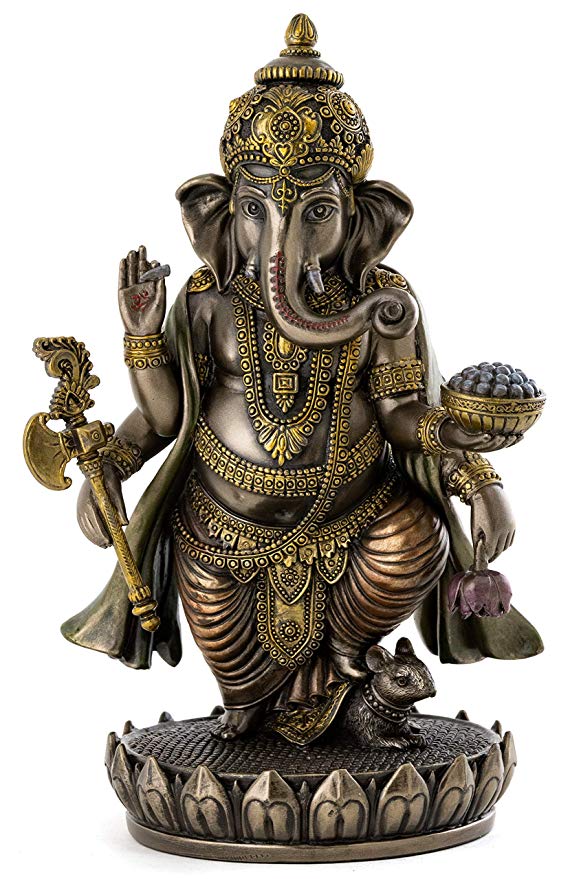
The Deep Ganesh Symbolism: What Each Element Represents
Every aspect of Ganesh’s appearance carries meaning. Understanding Ganesh symbolism helps us apply these ancient teachings to modern life.
[Image: Who is Ganesh | A statue of Ganesh, a Hindu deity depicted with a chubby boy’s body and an elephant head holding an axe, a bowl of treats, a broken tusk and a rosary.]
The Elephant Head: Wisdom and Perspective
Ganesh’s large elephant head represents wisdom and the ability to think deeply. The big head symbolizes intellectual capacity and the importance of using our minds wisely.
His huge ears carry dual Ganesh symbolism:
- They represent being a great listener and counselor
- They remind us to keenly listen to prayers, needs, and the wisdom of others
His small eyes symbolize focus, discipline, and concentration. In Ganesh symbolism, small eyes teach us to focus on our goals and strategies rather than our setbacks.
The Broken Tusk: Sacrifice for Higher Purpose
Ganesh traditionally holds a broken tusk in his lower right hand. This element of Ganesh symbolism represents sacrifice, breaking off something valuable to use as a tool for creating wisdom (ancient texts say he used his broken tusk as a writing instrument).
Lesson for yogis: Sometimes we must sacrifice comfort, ego, or attachments to achieve our higher purpose.
The Axe: Cutting Away Ego
The axe in Ganesh’s hand represents cutting away the ego and desires that bind us.
Application in practice: Use this Ganesh symbolism when facing difficult choices. Ask yourself, “What do I need to cut away to move forward?”
The Bowl of Sweets: Abundance and Capacity
Ganesh’s bowl of food or treats symbolizes abundance and the rewards of spiritual practice.
Ganesh is known for his overwhelming ability to eat, which in Ganesh symbolism represents our capacity to absorb and contain prana (life force energy).
Lesson for yogis: Increase your capacity to receive abundance—whether that’s breath, energy, knowledge, or joy.
The Noose: Capturing Difficulties with Gentleness
Traditionally, Ganesh holds a noose in his left hand. This aspect of Ganesh symbolism teaches us to gently capture and manage difficulties rather than fighting them aggressively.
The Rosary: Continuous Pursuit of Knowledge
The rosary (or mala beads) in Ganesh’s hand suggests that our pursuit of knowledge should be continuous and disciplined.
Practice application: Commit to daily sadhana (spiritual practice), just as you would commit to moving each bead on a mala.
The Snake: Energy in All Forms
The snake wrapped around Ganesh’s waist represents energy in all its forms—kundalini, prana, and the vital life force that flows through all beings.
The Mouse: Controlling the Ego
Perhaps the most intriguing element of Ganesh symbolism is his vehicle: a tiny mouse or rat.
The mouse represents the ego. While the ego is necessary for our lives and sense of self, we must learn to keep it under control—just as the mighty Ganesh rides atop the small mouse.
Powerful lesson: You can be strong, wise, and grounded (like Ganesh) while keeping your ego in check (the mouse beneath you).
Ganesh Symbolism in Yoga Practice
Understanding Ganesh symbolism is one thing—but how do you actually incorporate these teachings into your yoga practice and daily life?
You Don’t Need to Be Hindu to Honor Ganesh
It may be confusing for some to understand the relationship between religion and yoga when deities become involved. But even without being a practitioner of Hinduism, yogis can incorporate Ganesh symbolism into their practice.
Think of it like this: You don’t need to worship Ganesh as a god to appreciate the wisdom his symbolism teaches about balance, wisdom, and overcoming obstacles.
Ganesh Symbolism as Aspirational Qualities
Consider Ganesh symbolism as a set of aspirational qualities:
- Wisdom (the large head)
- Focus (the small eyes)
- Sacrifice (the broken tusk)
- Abundance (the bowl of sweets)
- Balance (the controlled ego/mouse)
These concepts can guide your intentions both on the mat and in everyday life.
The Ganesh Temple at Blue Osa: Where Symbolism Meets Practice
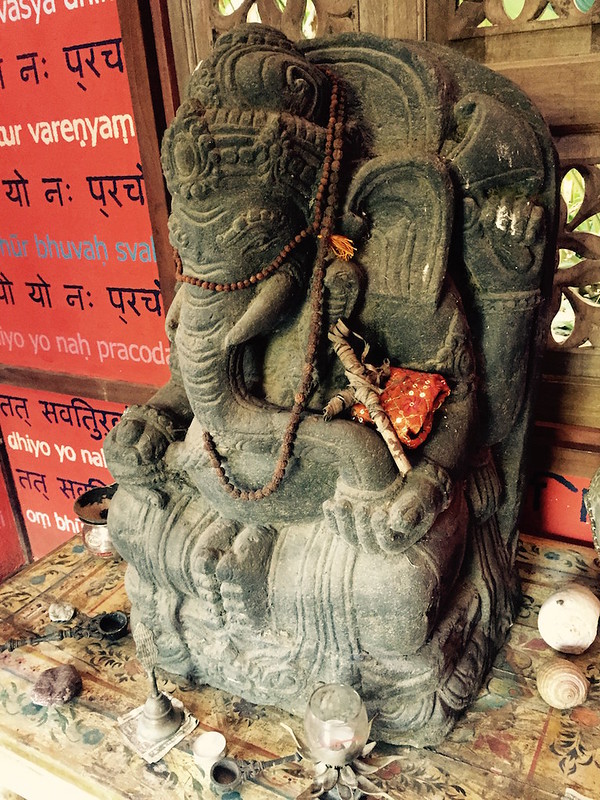
At Blue Osa Yoga Retreat in Costa Rica, we bring Ganesh symbolism to life through our enchanting Balinese beach-hut-style meditation temple.

Why Yogi Aaron Chose Ganesh Symbolism for Blue Osa
Yogi Aaron, Blue Osa’s owner and founder, specifically chose Ganesh for our meditation temple so guests and yoga students can honor this deity in multiple meaningful ways.
The choice of Ganesh symbolism for Blue Osa was intentional for several reasons:
Protection of sacred space: Ganesh is an important deity for business and acts as a protector of sacred property—a fitting guardian for a place where people travel from around the world to experience transformation.
Connection to the Divine Mother: Ganesh is deeply connected with the divine feminine energy. The rituals at Blue Osa are all about honoring and receiving the gifts of this incredible place on Earth.
Gateway to transformation: As the “Lord of Beginnings,” Ganesh symbolism perfectly represents the start of each guest’s transformational journey at Blue Osa.
Ganesh as the Lord of Beginnings
In Hindu culture, Ganesh is known as the “Lord of Beginnings” and is honored at the start of rituals and ceremonies.
How to Honor Ganesh at Blue Osa
Because of this aspect of Ganesh symbolism, Yogi Aaron encourages honoring this deity as an excellent way to start your sadhana (daily spiritual practice).
When you arrive at Blue Osa:
- Visit the Ganesh temple to pay your respects
- Set intentions for your week of practice and inward journey
- Ask for blessings as you begin this new chapter
Before any new endeavor:
- Pray to Ganesh for blessings and ease
- Use his energy to help you start with clarity and courage
- Remember that all beginnings require removing obstacles (both external and internal)
Ganesh as the Great Balancer: Root Chakra Ruler
One of the most practical applications of Ganesh symbolism is his role as the ruler of the root chakra (Muladhara).
Ganesh and the Four Basic Needs
Ganesh governs our four basic needs:
- Food
- Sleep
- Sex
- Survival
These are the foundations of the root chakra, which grounds us and provides stability for all other aspects of life.
Using Ganesh Symbolism to Balance Your Root Chakra
If you’re experiencing imbalances in these areas—eating disorders, insomnia, unhealthy relationships, or anxiety about security—use Ganesh symbolism to help open and balance your Muladhara chakra.
The Grounding Mantra
Try this powerful mantra to invoke Ganesh’s balancing energy:
“May I remain grounded, steady, clear and strong.”
Repeat this during meditation, while sitting in the Ganesh temple at Blue Osa, or whenever you feel ungrounded.
Ganesh Rituals at Blue Osa
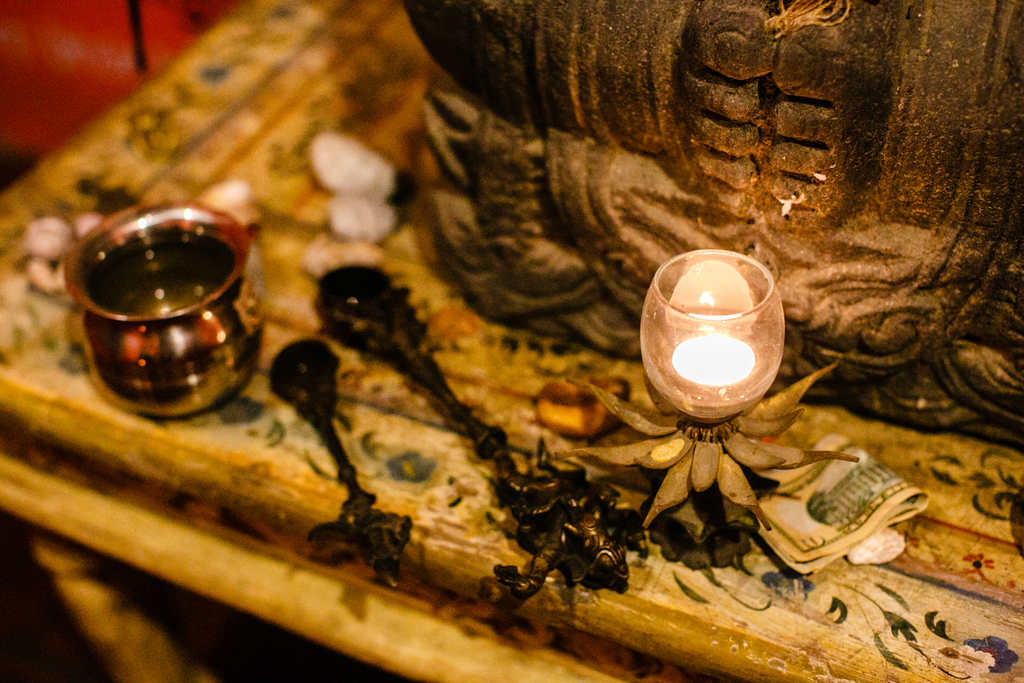
Yogi Aaron leads Ganesh pujas (ritual worship ceremonies) at Blue Osa, guiding guests through traditional practices that honor this deity and invoke his protective, balancing energy.
These rituals often include:
- Chanting Ganesh mantras
- Making offerings of flowers, incense, and light
- Setting intentions for removing obstacles
- Meditation on Ganesh symbolism and its personal meaning
Ganesh as the Remover of Obstacles
Perhaps the most famous aspect of Ganesh symbolism is his role as the “Remover of Obstacles.”
But this doesn’t mean what most people think.
The Truth About Removing Obstacles
Ganesh doesn’t simply ride in on his mouse and magically clear away external roadblocks.
Instead, Ganesh symbolism invites us to change our perception of obstacles. He teaches us to see challenges as:
- Opportunities for growth
- Teachers bringing important lessons
- Sometimes, the actual destination itself
Profound shift: What if the obstacle IS the path? What if the struggle is where the transformation happens?
Life’s Challenges as Rites of Passage
Through Ganesh symbolism, we learn that life’s challenges can act as rites of passage—beautiful opportunities to transform our minds and souls.
The obstacle isn’t something to avoid or fear. It’s something to move through consciously, growing stronger and wiser in the process.
The Ganesh Mantra for Removing Obstacles
A perfect way to draw upon the energy of Ganesh symbolism is to chant a mantra asking for help in removing obstacles.
Traditional Ganesh Mantra
“Gam Ganapataye Namaha”
This traditional mantra honors Ganesh and translates to:
“I offer my obeisances to Ganesha, the remover of obstacles.”
How to Use This Mantra
- Chant it 108 times (using mala beads) when facing a difficult decision
- Repeat it during meditation in the Ganesh temple at Blue Osa
- Whisper it to yourself before important conversations or events
- Use it as a daily practice to clear your path forward
Bringing Ganesh Symbolism Into Your Daily Life
You don’t have to visit Blue Osa (though we’d love to have you!) to benefit from Ganesh symbolism in your life.
When to Call Upon Ganesh Energy
Often we come on retreat or attend yoga teacher training because we need to shift something in our lives. Perhaps we:
- Feel overwhelmed about a big decision
- Are confused about our next steps
- Experience a general sense of discouragement
- Face obstacles that seem insurmountable
When experiencing these challenges, use Ganesh symbolism as medicine and inspiration.
Reflective Questions Inspired by Ganesh Symolism
Ask yourself these questions based on different aspects of Ganesh symbolism:
For Changing Perspective (Remover of Obstacles)
- Can I shift my attitude and see this as an opportunity?
- How can I change my perspective of this obstacle?
- What if this challenge is actually my teacher?
For Grounding and Stability (Root Chakra Ruler)
- What do I need to do to feel more steady and grounded?
- Am I taking care of my four basic needs (food, sleep, sex, survival)?
- How can I move through this situation while remaining balanced?
For Creative Solutions (Wisdom and Intelligence)
- How can I think outside of the box?
- What would wisdom (the big head) suggest in this situation?
- Am I focusing on my goals (small eyes) or getting distracted by setbacks?
For Sacrifice and Letting Go (Broken Tusk)
- What do I need to sacrifice or release to move forward?
- What attachment is holding me back from my higher purpose?
For Ego Management (The Mouse)
- Is my ego running the show, or am I consciously guiding it?
- Where is my ego getting in the way of my growth?
- How can I be both powerful AND humble?
Experience Ganesh Symbolism at Blue Osa
The Ganesh temple at Blue Osa offers a sacred space to experience these teachings firsthand.
Visit the Ganesh Temple During Your Stay
Whether you’re at Blue Osa for a yoga retreat, wellness getaway, or yoga teacher training, make a point to visit the Ganesh temple.
Ganesh’s wise, strong, and steady presence may inspire unexpected answers to questions you’ve been carrying.
Ganesh Rituals Led by Yogi Aaron
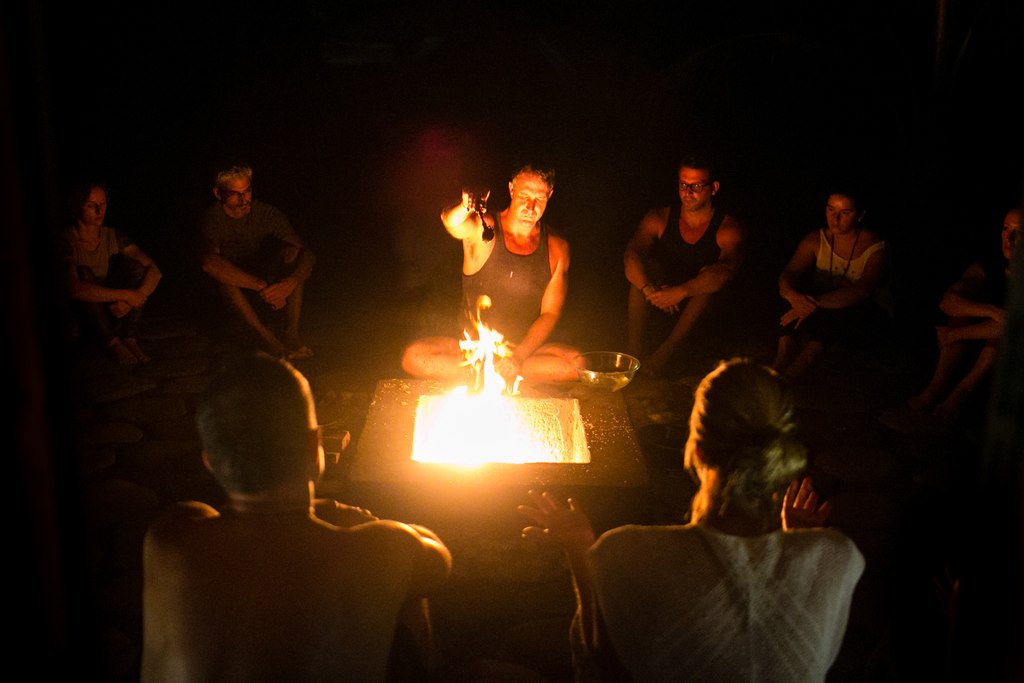
Experience authentic Ganesh puja (ritual worship) led by Yogi Aaron. These ceremonies include:
- Traditional fire rituals (havan)
- Ganesh mantras and chanting
- Offerings and prayers
- Teachings on Ganesh symbolism and its application to modern life
Deep Dive in Yoga Teacher Training
The perfect place to gain a deeper understanding of Ganesh symbolism and its relationship to yoga practice is during Blue Osa’s yoga teacher training.
In our 200-hour and 300-hour programs, the history and philosophy of yoga are covered extensively, including:
- The role of deities in yoga tradition
- How to incorporate Ganesh symbolism into teaching
- The connection between Hindu philosophy and yoga practice
- Practical applications of ancient wisdom in modern life
The Deeper Purpose of Ganesh Symbolism
Remember: Ganesh’s purpose (Dharma) is not just to remove obstacles, but sometimes to place them in our way to teach us important life lessons.
Happiness Is a Choice
Ganesh symbolism reminds us that our own happiness is ultimately a choice.
We can see obstacles as insurmountable barriers, or we can get curious about them and recognize them as opportunities to learn and grow.
Get Curious About Your Circumstances
Ganesh encourages us to approach life with curiosity rather than resistance:
- What is this obstacle teaching me?
- How am I being invited to grow?
- What new strength am I developing through this challenge?
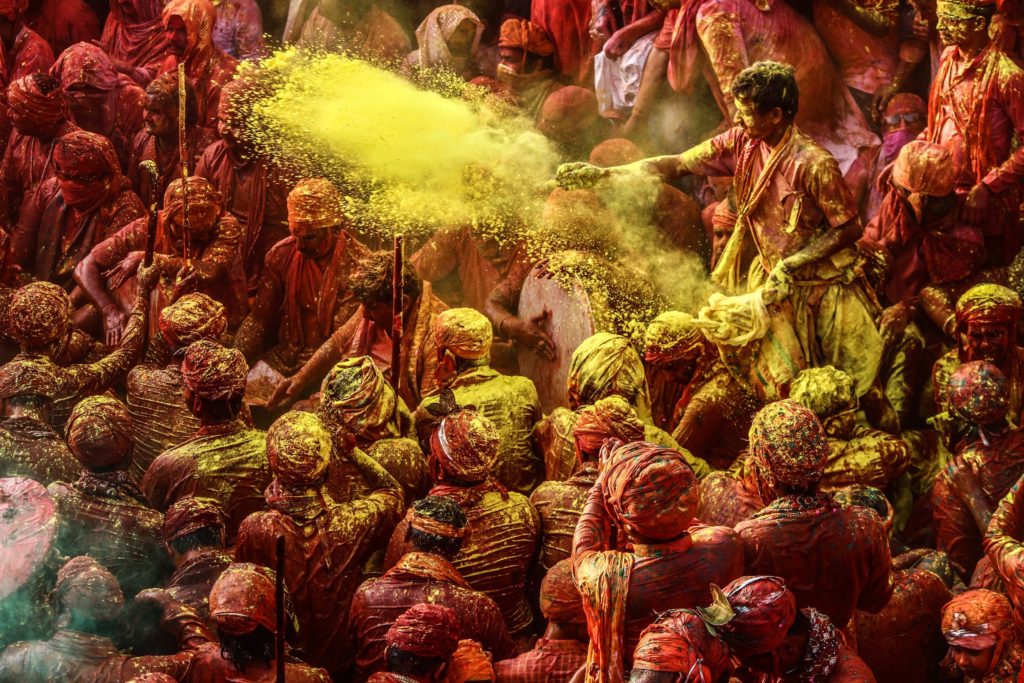
Your Journey with Ganesh Begins
Whether you’re drawn to the deep wisdom of Ganesh symbolism, curious about Hindu deities in yoga, or simply seeking tools to overcome obstacles in your life, Ganesh offers timeless teachings.
At Blue Osa, we’re honored to share this ancient tradition through our Ganesh temple, sacred rituals, and comprehensive yoga teacher training programs.
Ready to experience Ganesh symbolism firsthand?
Join us in Costa Rica for:
- Yoga Retreats where you can visit the Ganesh temple and set intentions for new beginnings
- Ganesh Pujas led by Yogi Aaron with traditional fire ceremonies and mantras
- Yoga Teacher Training to deeply understand yogic philosophy and Ganesh symbolism
Let the wisdom of the elephant deity guide you toward removing obstacles, finding balance, and beginning your most transformative journey yet.
Quick Reference: Ganesh Symbolism Cheat Sheet
- Elephant Head = Wisdom and intellectual capacity
- Large Ears = Deep listening and receiving guidance
- Small Eyes = Focus and concentration on goals
- Broken Tusk = Sacrifice for higher purpose
- Axe = Cutting away ego and attachments
- Bowl of Sweets = Abundance and capacity to receive
- Noose = Gently capturing difficulties
- Rosary = Continuous pursuit of knowledge
- Snake = Energy in all forms (prana, kundalini)
- Mouse = Controlled ego
Main Mantra: “Gam Ganapataye Namaha” (I honor Ganesha, remover of obstacles)
Grounding Mantra: “May I remain grounded, steady, clear and strong”
Visit the Ganesh temple at Blue Osa to experience this ancient wisdom in one of the most beautiful settings on Earth.
Check Out These Other Popular Posts!
Tags: India, Spirituality, Yoga Philosophy
Book/Inquire Now
Got pain? This will help you!

YOU DESERVE TO LIVE PAIN-FREE...
Receive 7 short, simple, and effective practices to alleviate knee, hip, low back, neck, shoulder pain, and more!
All you need is 5 minutes per lesson and it's FREE!
This revolutionary approach to yoga is new, and no one else is teaching this! Since I created Applied Yoga Anatomy + Muscle Activation™ and started teaching it consistently, I've witnessed students heal long-standing injuries, access yoga postures they never thought possible, and tell me over and over again how their body just feels better.
I hope you'll join me on this journey!
~Yogi Aaron

Is Yoga Teacher Training Right For Me?
We Created This FREE 5 Part Series So You Can Get All The Information To Make The Right Choice.
In this series, you will learn:
-
- Am I a candidate for yoga teacher training??
-
- What will I learn in a YTT?
-
- Do I need to have a perfect downward dog to attend YTT?
14-Day 200-Hour Yoga Teacher Training in Costa Rica

If you are looking for a 14-day 200 hour Yoga Teacher Training Costa Rica Immersion, you have landed in the right place. Join the next one!
300-Hour, 28-Day Yoga Teacher Training
Do You Feel Called To Something Greater?
This 300-Hour Yoga Teacher Training immersion training at Blue Osa will immerse you in yoga for one month.
You will have the specific transformational skills and yogic practices you need in order to connect with your higher purpose.
And more! You will be able to offer these transformative skills to others!
