

Ready to host your own yoga retreat but don’t know where to start? As yoga-enthusiasts, yoga teachers, and yogis, I’m sure many of you have flirted with the idea of maybe one day hosting your very own yoga retreat. It’s an exciting prospect—sharing your practice with students in an exotic location, creating transformative experiences, and building a thriving yoga business. But the question remains: how do you actually make it happen?
One of the perks of working at Blue Osa is that I have witnessed and taken part in dozens of different retreats that pass through our grounds. Over time, my curiosity began to blossom and I began chatting with some of these retreat leaders. I was curious to learn what constitutes a successful retreat as well as the steps one can take to host their own yoga retreat. And though many of these teachers came from different studios and different backgrounds, there tended to be an overall consensus on the essential steps necessary to successfully bring a retreat to life.
In this comprehensive guide to hosting your own yoga retreat, you’ll discover the proven strategies that successful retreat leaders use to create profitable, transformational experiences. Whether you’re a seasoned teacher or recently completed your yoga teacher training, this roadmap will help you turn your retreat dreams into reality.

The following list is a summary of what the majority of retreat leaders have dubbed “important steps” in manifesting your own retreat. The list has been compiled of excerpts from my interviews with Yogi Aaron, Lauren Toolin, Valentina Rose, and many more successful retreat leaders who have learned how to host their own yoga retreats profitably and sustainably.
Before You Begin: The Honest Self-Assessment
Before we dive into the practical steps to host your own yoga retreat, an honest self-appraisal is necessary. Is this a little project that might be fun to conjure up or is this something you’re passionate about seeing through? Ask yourself “Just how important is this project to me?”
If the answer is anything less than “very” then you should abandon ship while you still can. Learning how to host your own yoga retreat isn’t for the feeble and fickle. It requires full-fledged devotion and an unwavering commitment to your vision. Fortunately, when you’re passionate about something, that mentality is intrinsic.
Whether you finished your yoga teacher training last year or you’ve been teaching for decades, the rewards of hosting your own yoga retreat are immense—not just financially, but personally and spiritually. You’ll create lasting connections with students, experience personal growth, and build a sustainable income stream doing what you love. But it requires preparation, planning, and persistence.
So without further ado, I present the essential steps for hosting your own yoga retreat…
Step 1: Set a Clear Date and Timeline
First off, set a date. This is the foundation of learning how to host your own yoga retreat successfully. This date can be months or years in advance, but either way, you should have a concrete time frame for when you want to hold your retreat. Having a date makes your goal palpable and therefore forces you into action.
It is also helpful to break your time frame into a series of task-orientated deadlines. For example:
- 12 months before: Secure location and create budget
- 9 months before: Launch marketing and open registration
- 6 months before: Finalize curriculum and daily schedule
- 3 months before: Confirm all vendors and accommodations
- 1 month before: Final communications with attendees
By breaking your goal down into a series of manageable actions, the whole process of hosting your own yoga retreat begins to take shape. It is very easy to lose focus and become stressed when you concentrate solely on an end result. Instead, focus on one milestone at a time.
Pro tip: Choose dates strategically. Consider your target market’s availability—avoid major holidays if you’re targeting working professionals, or embrace holiday dates if you want to offer a special seasonal experience.
Step 2: Find the Perfect Location for Your Retreat
Find a location. I cannot overemphasize the importance of this step when you host your own yoga retreat. Your location has the ability to make or break your retreat so be thorough in your research.
Lauren Toolin, an experienced retreat leader, was very adamant about the importance of visiting the intended location beforehand to survey the area. Also, be meticulous in your approach. Try to envision your retreat in the surrounding setting and take note of any concerns that may arise.
Key considerations when choosing a retreat location:
- Accessibility: How easy is it for your target market to reach? Direct flights matter.
- Facilities: Does the venue have adequate yoga space, comfortable accommodations, and proper amenities?
- Atmosphere: Does the environment align with your retreat vision—beachfront, jungle, mountains?
- Support services: Does the venue provide healthy meals, transportation, and logistical support?
- Cost structure: Understand all-inclusive vs. à la carte pricing to budget effectively
- Reputation: Read reviews from other retreat leaders who’ve used the space
Your location should inspire you, so if you find yourself not completely satisfied, move on. If you’re looking for a location to host your own yoga retreat, I’ve heard of a beautiful destination in Costa Rica on the Osa Peninsula that is simply stunning—Blue Osa offers comprehensive support for retreat leaders at every experience level.
Step 3: Secure Funding and Create Your Budget
Capital is absolutely crucial when you host your own yoga retreat. You need to be able to finance your project so find a way to budget your money carefully. Understanding the financial aspects is one of the most important skills for anyone learning how to lead a successful retreat.
Essential budget categories to consider:
Upfront costs:
- Venue deposit (typically 25-50%)
- Marketing and website expenses
- Retreat insurance
- Business registration/permits
Per-person costs:
- Accommodation
- Meals
- Airport transfers
- Yoga space rental
- Activities and excursions
Your income:
- Registration fees (early bird vs. regular pricing)
- Private session add-ons
- Retail (mats, merchandise)
Always allocate 10-15% of your budget for a contingency fund because when an unanticipated charge arises – which it most certainly will – you’ll have a nest egg to dip into. Successful retreat leaders who know how to host their own yoga retreats profitably always plan for the unexpected.
Pro tip: Price your retreat to cover all costs with 8-10 attendees, so that any additional registrations increase your profit margin. This protects you if you don’t reach maximum capacity.
Step 4: How to Craft Your Unique Vision and Theme When You Host Your Own Yoga Retreat
Never lose sight of your vision. It may be subjected to constant tinkering and tweaking, but always be asking yourself, “How does this tie into my end goal?” If it doesn’t, scrap it, and devote your time and resources to something that does.
When you host your own yoga retreat, your unique vision is what sets you apart from the hundreds of other retreats competing for students’ attention. You’d be surprised at how often something may appear to be relevant but in the grand scheme of things, it’s just a waste of your time. So constantly check in.
Creating a compelling retreat theme:
Your theme should be specific enough to attract your ideal students but broad enough to appeal to a good-sized market. Examples of strong retreat themes:
- “Stress Relief and Burnout Recovery”
- “Beginner-Friendly Adventure Experience”
- “Advanced Practice Immersion”
- “Surf and Yoga in Costa Rica”
- “Women’s Wellness and Empowerment”
Your theme influences everything—your marketing message, daily schedule, teaching style, and even your location choice. When you’re clear on your vision, every decision becomes easier. Apply the teaching frameworks you learned during your yoga teacher training to create a cohesive curriculum that supports your theme.

Step 5: Prepare for Obstacles (Your Plan B)
Hurdles will surface and things will go wrong when you host your own yoga retreat. So how do you circumnavigate these setbacks? Well, this is what I like to call The Audible—your response to failure. When things don’t go as expected, how do you respond?
We can’t all have the composure and astuteness of someone like Peyton Manning, but fortunately, we can be prepared for said setbacks. How so? Well, with a Plan B. Try to anticipate some potential problems and work to find solutions in advance.
Common retreat challenges and solutions:
Challenge: Low registration numbers. Solution: Have a backup plan for cancellation or postponement. Know your breakeven point and set a decision deadline.
Challenge: Weather disruptions. Solution: Always have indoor alternatives for outdoor activities. Build flexibility into your schedule.
Challenge: Attendee conflicts or drama. Solution: Set clear retreat agreements upfront. Have a conflict resolution process ready.
Challenge: Teacher illness or injury. Solution: Have a backup instructor on call or be prepared to modify your teaching schedule.
You can fold or you can adopt the yogi mindset that everything happens for a reason, and because of a certain issue, your program is going to be better and stronger than ever. The most successful people who host their own yoga retreats year after year are those who learn to adapt gracefully.

Step 6: Identify and Market to Your Target Audience
People. Without them, you cannot host a retreat. So start generating awareness early and identify your target market. This is perhaps the most crucial skill when learning how to successfully lead retreats—you must become comfortable with marketing.
Effective marketing strategies to fill your retreat:
Social media marketing:
- Share behind-the-scenes content of your planning process
- Post testimonials from previous students
- Create countdown posts and early bird offers
- Use Instagram Stories and Reels to showcase the destination
- Go live to answer questions about the experience
Email marketing:
- Announce your retreat to your entire email list
- Send regular updates with registration deadlines
- Create a special series highlighting retreat benefits
- Share packing lists and travel tips to build excitement
Personal outreach:
- Personally invite your most dedicated students
- Ask past attendees to spread the word
- Network with other teachers who might refer students
- Connect with recent yoga teacher training graduates who may be eager for immersive experiences
- Partner with local businesses for cross-promotion
Use social media, engage your existing students, and tell anyone who will listen about your upcoming program. Every conversation is a business opportunity, and if people aren’t informed, they won’t come; it’s as simple as that.
Pro tip: Start marketing 9-12 months in advance for international retreats, 6-9 months for domestic programs. The earlier you start, the more time people have to plan and save.
Step 7: Plan Every Detail (Then Plan Some More)
How important is your retreat to you? When you’re passionate about learning how to host your own yoga retreat, it should encompass your entire being. So, plan, plan, plan and plan. I can’t teach you how to care about something, but if this is a dream of yours then go hard or go home.
Aaron told me that when he was first starting up his studio, every waking minute was spent in a reverie. He was dreaming and conjuring up ideas around the clock. Not because it’s all he wanted to think about, but because it’s all he could think about.
Essential elements to plan when you host your own yoga retreat:
Daily schedule:
- Morning meditation and yoga classes
- Meal times and free time
- Workshops or special sessions
- Evening activities or restorative practices
- Balance structure with flexibility
Curriculum design:
- Progressive class sequence throughout the week
- Theme integration into each session
- Modifications for different levels (remember the inclusivity principles from your yoga teacher training)
- Special workshops or teachings
- Time for personal practice and reflection
Student experience:
- Welcome packages and information packets
- Community-building activities
- Personal attention and private sessions
- Photo opportunities and memories
- Closing ceremony or ritual
The retreat leaders who successfully lead programs year after year are those who obsess over the details while maintaining the big-picture vision.

Step 8: Build in Systems for Success
Once you’ve successfully learned how to host your own yoga retreat, you’ll likely want to do it again. This is where systems become essential. Create templates, checklists, and processes that you can reuse and refine with each retreat.
Systems to develop:
Registration and payment system:
- Online booking platform
- Payment plans and deposit structures
- Cancellation and refund policies
- Waitlist management
Communication templates:
- Welcome email sequence
- Pre-retreat information packets
- Packing lists and travel guides
- Post-retreat follow-up
Operational checklists:
- Venue coordination checklist
- Supply and equipment list
- Daily schedule template
- Emergency contact information
Building these systems makes it exponentially easier each time you lead a retreat. Your second retreat will be smoother than your first, your third smoother than your second, and so on.
Step 9: Create Transformation, Not Just Vacation
The difference between a good retreat and a great retreat is the level of transformation attendees experience. When you host your own yoga retreat, you’re not just offering a vacation—you’re facilitating personal growth, healing, and awakening.
Ways to deepen the transformational experience:
- Create sacred space: Begin and end each day with intention-setting or ritual
- Foster community: Design activities that help students connect with each other
- Offer personalization: Provide one-on-one time or small group sessions
- Teach beyond asana: Share philosophy, meditation, breathwork, or other practices you mastered during your yoga teacher training
- Encourage reflection: Provide journaling time or guided self-inquiry
- Support integration: Help students create plans to maintain practices at home
The retreat leaders who consistently lead programs with waitlists and repeat attendees are the ones who facilitate genuine transformation.

Step 10: Follow Up and Build Community
Your experience doesn’t end when everyone boards their flights home. The most successful teachers who host their own yoga retreats understand that follow-up is crucial for building a sustainable retreat business.
Post-retreat best practices:
- Send a heartfelt thank-you email within 48 hours
- Share retreat photos and videos
- Create a private Facebook group or online community
- Offer post-retreat integration support (weekly calls, classes)
- Request testimonials and reviews
- Announce your next retreat dates early
- Offer alumni discounts for return attendees
Many of your attendees will become your most loyal students and your best marketing ambassadors. Nurture these relationships, and your future retreats will fill more easily.
A Final Note: Enjoy the Journey
I know I have been a bit of a drill sergeant in regards to this post about how to host your own yoga retreat, so I would like to leave you with one last tip that’s a bit less scrupulous and demanding: Enjoy the process.
There exists a romanticism in chasing your dreams and don’t let that escape you. Sometimes you get so caught up in the end goal that you forget to step back and appreciate the beauty of the journey.
Maybe your retreat will come to be, maybe it won’t, and that’s okay too. The important thing is that you commend yourself for following a dream, because for the majority of people in this world a dream is just what it sounds like, a dream.
Taking that leap and pursuing something bigger is more of a gift than you will know. I’ve learned that. So, dream big and chase that dream with a reckless abandon. Your project might fail, but you will forever soar.
Ready to Host Your Own Yoga Retreat?
If you’re ready to host your own yoga retreat in Costa Rica and want support every step of the way, Blue Osa offers comprehensive retreat leader programs. We provide:
- Fully equipped yoga spaces with ocean views
- All-inclusive packages with farm-to-table meals
- Marketing support and promotional assistance
- Logistical coordination and on-site support
- Flexible pricing structures for groups of all sizes
Many retreat leaders return to Blue Osa year after year because we handle the details, allowing you to focus on what you do best—teaching and transforming lives. We also offer yoga teacher training programs for those looking to deepen their own practice before leading others.
Whether this is your first time hosting your own yoga retreat or you’re a seasoned retreat leader looking for your next Costa Rica destination, Blue Osa is here to help make your vision a reality.
Contact us today to learn more about hosting your retreat at Blue Osa, and take the first step toward turning your retreat dreams into reality.
About The Author, Yogi Aaron

Yogi Aaron is the founder and creator of Applied Yoga Anatomy + Muscle Activation™ (AYAMA), a revolutionary methodology that challenges conventional approaches to yoga. Using a science-backed approach, he prioritizes muscle activation over traditional stretching.
With over three decades of dedicated study, mentorship, and hands-on experience, he has established himself as a leading expert in yoga therapy, alignment, and pain-free movement.
As owner and operator of Blue Osa Yoga Retreat + Spa in Costa Rica, Yogi Aaron leads transformative programs that combine his expertise in yoga instruction, retreat facilitation, and wellness business operations. His work spans both in-person immersive experiences and digital education through The Yogi Club online platform and the AYAMA™ Certification Program.
Yogi Aaron’s teaching methodology represents a paradigm shift in modern yoga practice. AYAMA focuses on activating and engaging muscles to enhance range of motion, build strength, improve stability, and optimize alignment—while reducing pain and injury risk. This evidence-based approach has positioned him as a thought leader challenging the status quo in the yoga community.
His mission extends beyond the mat: to liberate individuals from chronic pain and guide them toward discovering yoga’s authentic purpose through intelligent, body-informed practice.
Learn more about training opportunities with Yogi Aaron at Blue Osa Yoga Retreat + Spa.
Access Yogi Aaron’s secret formula for selling out and hosting your own yoga retreats. 👇
Read More 👇
Check Out These Other Popular Posts!
Book/Inquire Now
Got pain? This will help you!

YOU DESERVE TO LIVE PAIN-FREE...
Receive 7 short, simple, and effective practices to alleviate knee, hip, low back, neck, shoulder pain, and more!
All you need is 5 minutes per lesson and it's FREE!
This revolutionary approach to yoga is new, and no one else is teaching this! Since I created Applied Yoga Anatomy + Muscle Activation™ and started teaching it consistently, I've witnessed students heal long-standing injuries, access yoga postures they never thought possible, and tell me over and over again how their body just feels better.
I hope you'll join me on this journey!
~Yogi Aaron
Is Yoga Teacher Training Right For Me?
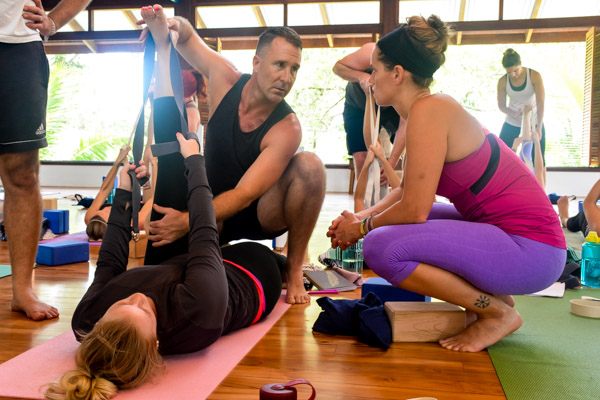
We Created This FREE 5 Part Series So You Can Get All The Information To Make The Right Choice.
In this series, you will learn:
-
- Am I a candidate for yoga teacher training??
-
- What will I learn in a YTT?
-
- Do I need to have a perfect downward dog to attend YTT?
14-Day 200-Hour Yoga Teacher Training in Costa Rica
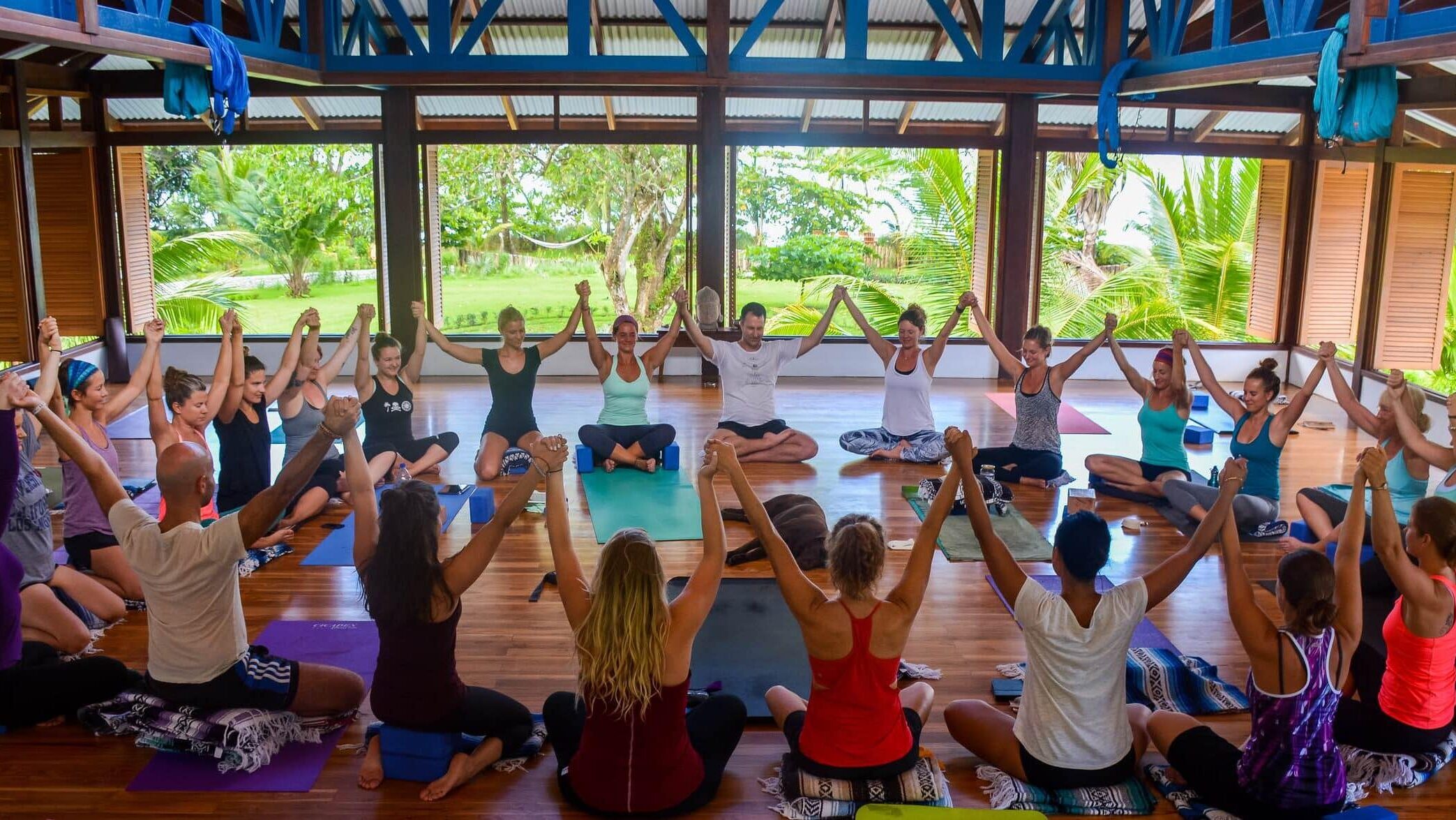
If you are looking for a 14-day 200 hour Yoga Teacher Training Costa Rica Immersion, you have landed in the right place. Join the next one!
300-Hour, 28-Day Yoga Teacher Training
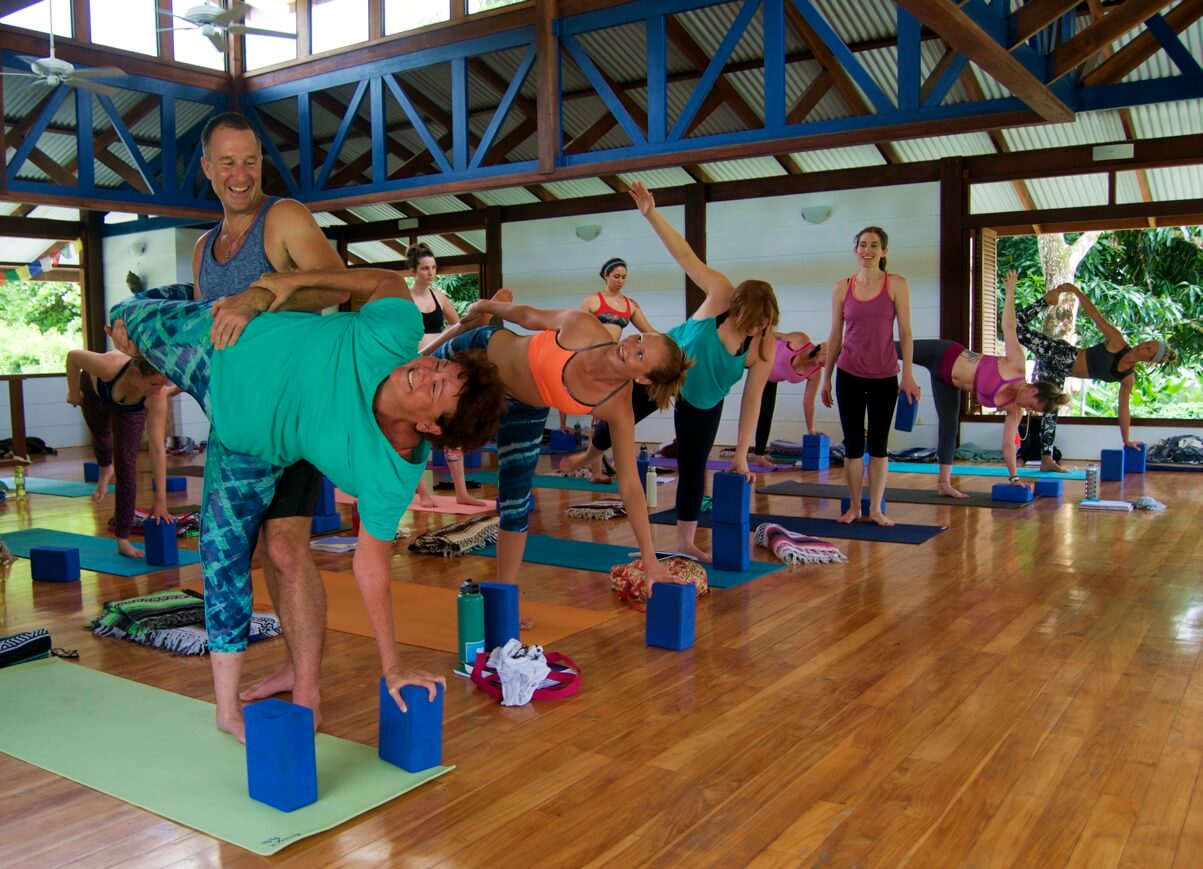
Do You Feel Called To Something Greater?
This 300-Hour Yoga Teacher Training immersion training at Blue Osa will immerse you in yoga for one month.
You will have the specific transformational skills and yogic practices you need in order to connect with your higher purpose.
And more! You will be able to offer these transformative skills to others!
