

At Blue Osa Yoga Retreat & Spa in Costa Rica, we’re passionate about sustainable living and the innovative minds pushing the boundaries of eco-friendly solutions. Our commitment to environmental stewardship goes beyond our organic gardens and renewable energy practices, it extends to celebrating the bold visionaries worldwide who dare to reimagine our relationship with the planet.
The world constantly surprises us with inventive minds and their crazy creations! Some inventions might seem downright whacky, but they often blur the line between genius and madness. Just as yoga teaches us to think beyond limitations and embrace new perspectives, these eco-inventors challenge conventional thinking to create a healthier planet. In a time when environmental health faces growing challenges, we’re grateful for the visionaries who develop earth-conscious inventions, leading us toward a more sustainable future.
Whether you’re joining us for a yoga teacher training in Costa Rica, a wellness retreat, or simply seeking inspiration for greener living, these innovations remind us that positive change starts with creative thinking and conscious action.
Here’s a list of some of the craziest and coolest eco inventions you’re ever going to see:
- self sufficient floating cities
- living moss bathmat
- 3D food printer
- up-cycled cigarette butt fabric
- bio-degradable plastics
LilypadCity
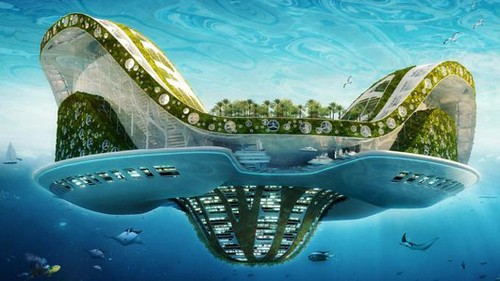
Why not kick things off with one of the boldest ideas you’ll ever see? As climate change accelerates and sea levels continue their alarming rise, what once seemed like science fiction is becoming a serious conversation. Vincent Callebaut’s Lilypad concept has evolved from a futuristic dream to a potential necessity for our changing world.
Island nations like Kiribati in the middle of the Pacific Ocean face some of the most imminent threats from climate change. The highest points on its main island stand no more than two meters above sea level, meaning entire communities could be displaced within decades, not centuries. And Kiribati isn’t alone. The Maldives, Tuvalu, and coastal cities worldwide are watching water levels with growing concern.
Callebaut’s solution? Self-sufficient floating cities called Lilypads, each capable of housing up to 50,000 residents. Inspired by the incredible structure of Victoria water lilies, these eco-cities feature a unique shape made from polyester fibers reinforced with polyester fibers. Imagine entire communities floating on the ocean, complete with mountains, marinas, aquaculture farms, and suspended gardens. These wouldn’t just be survival rafts; they’d offer spaces for work, shopping, entertainment, and community life.
The genius is in the design: positioned below the waterline, the farms and gardens would thrive in nutrient-rich waters while the entire city runs on renewable energy: solar, wind, tidal, and wave power. It’s a closed-loop ecosystem designed to work with the ocean, not against it.
While the concept is still in the design phase and doesn’t yet include all the infrastructure a city needs (like schools and hospitals), engineers and architects continue to refine the vision. As sea levels rise and climate migration becomes an increasing reality, innovations like the Lilypad represent more than just creative thinking, they represent hope and humanity’s ability to adapt and innovate in the face of existential challenges.
Moss Carpet
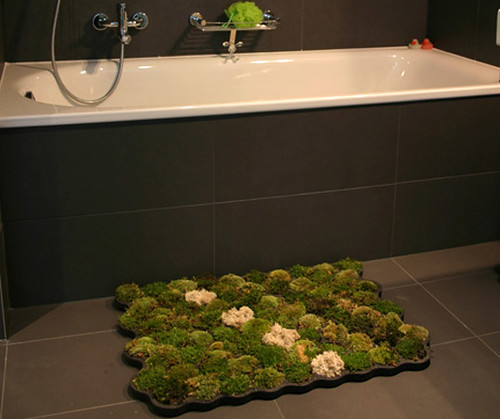
This eco-invention takes the “going green” concept literally, with the design of a living, breathing green moss carpet. We all hate to slip and slide in the shower or when hopping out of the tub, so it makes perfect sense to have a nice, cushy, green moss carpet to press our feet onto on the way out, one that actually thrives on the water droplets you leave behind!
Designed by La Chanh Nguyen, this living bathmat features three types of green mosses: forest, island, and ball moss, that grow on plastazote, a decay-free, recycled latex foam. The beauty of the moss is that it flourishes in damp and humid places, making your bathroom the perfect home. Every time you step out of the shower, you’re literally watering your mat. With this low-maintenance product, even the most green-thumbless among us would have no trouble keeping this moss alive and lush!
While Nguyen has been seeking investors and partners to bring the Moss Carpet to market for mass production, the concept continues to inspire eco-enthusiasts around the world. DIY versions have popped up on Pinterest and sustainable living blogs, with people creating their own living bathroom mats using similar principles. Rubber and plastic mats may still dominate store shelves, but innovations like this remind us that nature-based solutions are often hiding in plain sight, we just need to think differently about how we bring the outdoors in.
3D Food Printer
Remember when printing your dinner sounded like pure science fiction? Well, the future is here, and it’s delicious!
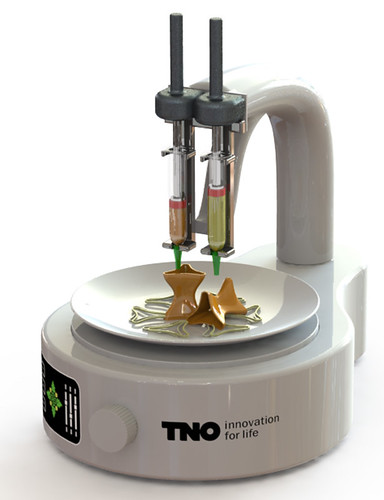
What started as a research project at Cornell University has blossomed into a full-fledged industry. Scientists developed the ‘Fab@Home’ printer, which could extrude food “inks” through syringes to create edible designs. Fast forward to today, and 3D food printing has moved from the lab to real kitchens and restaurants around the world.
Companies like Natural Machines (Foodini), 3D Systems (ChefJet), and even pasta giant Barilla have launched commercial 3D food printers. These machines can now create everything from intricate chocolate sculptures and custom pasta shapes to personalized pizzas and nutritionally optimized meals for elderly care facilities. NASA is even researching the technology to feed astronauts on long-duration space missions with fresh, printed meals instead of freeze-dried packets.
The environmental benefits are truly staggering. As Chef Homaro Cantu explained, “You can imagine a 3-D printer making a homemade apple pie without the need for farming the apples, fertilizing, transporting, refrigerating, packaging, fabricating, cooking, serving and the need for all of the materials in these processes like cars, trucks, pans, coolers, etc.”
Beyond reducing the carbon footprint of our food supply chain, 3D printing also tackles food waste. Printers can use “ugly” produce, insect proteins, or alternative ingredients that would otherwise be discarded, transforming them into appealing, nutritious meals. Some companies are even developing printers that use food waste as their primary ingredient.
The technology is still evolving. Don’t replace your entire kitchen just yet, but 3D food printers are already being used in high-end restaurants for dessert decoration, retirement homes for easier-to-swallow meals, and by food scientists developing sustainable protein alternatives.
From concept to commercial reality, 3D food printing proves that sometimes the craziest ideas become tomorrow’s solutions. Now, if only it could print that apple pie while I’m doing yoga.
Cigarette Butt Clothing

We all know cigarettes are bad for us, like excessive drinking, tanning, and fast food, but millions of people smoke anyway. Cigarettes arguably have the most dangerous long-term health effects, yet we know millions of people light up every day.
Just as hazardous as cigarettes are to our health are the negative effects carelessly disposed butts have on our environment. Cigarette butts are the most littered item on Earth, an estimated 4.5 trillion are discarded annually worldwide. Just think about how many cigarette butts you stepped over on your way to work today. For non-smokers, it only adds to the frustration. These toxic filters contain plastic fibers and take up to 10 years to decompose, leaching harmful chemicals into soil and waterways.
Thankfully, Chilean designer Alexandra Guerrero didn’t just dream about a solution, she made it happen. Through her brand Mantis, Guerrero successfully transformed thousands of discarded cigarette butts into wearable, stylish clothing. Each garment uses approximately 1,000 sterilized cigarette butts, which make up about 10% of the fabric, combined with natural sheep wool.
The process is meticulous: butts are collected, washed with a special solvent to remove nicotine and toxins, then rinsed, dried, and shredded. The fibers are spun together with sheep wool and turned into different articles of clothing: hats, parkas, vests, and ponchos. The result? Durable, warm, surprisingly soft fabric that tackles one of the world’s biggest litter problems.
Guerrero’s work gained international recognition and proved that even our most toxic waste can be reimagined with creativity and commitment. While her Mantis brand products were sold via email and limited production runs, the concept inspired designers worldwide to rethink textile waste. It’s a powerful reminder that sustainability isn’t just about what we avoid, it’s about transforming what already exists into something valuable.
Water-Dissolving Plastic (Solutum)
What if your plastic bag could simply dissolve in water without leaving a trace? That’s not science fiction anymore, it’s a reality, thanks to Israeli chemical engineer and mom, Sharon Barak.
After years working in the plastics industry, Barak became increasingly alarmed by a sobering statistic: only 9% of all plastic gets recycled. As a mother of two young boys, she couldn’t stop asking herself, “What kind of planet will my children inherit?”
In 2017, she founded Solutum Technologies with a bold mission: solve the end-of-life problem for the other 91% of plastic. Her team developed a revolutionary biodegradable material that looks, feels, and performs exactly like conventional plastic, but with one game-changing difference: it completely dissolves in water within minutes, breaking down into harmless carbon dioxide, water, and biomass. No micro-plastics. No toxic residue. Just… gone.
Even more remarkable? The dissolved water is so clean and safe, you could drink it. If a Solutum bag accidentally ends up in the ocean, it becomes part of the water in just a few minutes, posing zero threat to marine life, unlike traditional plastic bags that can persist for hundreds of years.
Best of all, manufacturers don’t need fancy new equipment to produce it. Solutum works with existing plastic production machinery, making it economically viable for companies to make the switch. Major brands like Colgate-Palmolive are already partnering with Solutum to bring this innovation to consumers worldwide.
Sharon’s invention proves that sometimes the most powerful solutions come from people who refuse to accept the status quo, especially when they’re fighting for their children’s future.
Bringing Eco-Innovation to Your Yoga Journey
While our world faces environmental challenges, it’s inventions like these, and so many more. that are steering us in a more positive direction. These whacky inventions and their creators push us to go green and help save our planet, one innovative idea at a time.
At Blue Osa, we live these same principles every day. Our eco-friendly yoga retreats on the Osa Peninsula of Costa Rica operates on the belief that sustainable living and personal wellness go hand-in-hand. From our farm-to-table organic meals to our solar-powered facilities and conservation efforts, we’re committed to treading lightly on this beautiful Earth while helping you deepen your yoga practice and reconnect with nature.
Just as these inventors dared to think differently, we invite you to step outside your comfort zone and experience the transformative power of sustainable wellness tourism. Whether you’re here for:
- Yoga teacher training that integrates environmental consciousness into every lesson of living yoga, not just doing yoga
- Wellness retreats that nourish body, mind, spirit and planet
- Surf and yoga packages that celebrate Costa Rica’s natural beauty and deep respect for the ocean
- Simply a chance to disconnect from the everyday and reconnect with what matters most
…you’ll find that living in harmony with nature isn’t just possible, it’s profoundly rewarding.
Ready to experience sustainable living firsthand? Browse our upcoming retreats and yoga teacher trainings, or contact us to plan your eco-conscious escape to paradise. Let’s create positive change together, one mindful breath and one conscious choice at a time.
About The Author, Yogi Aaron
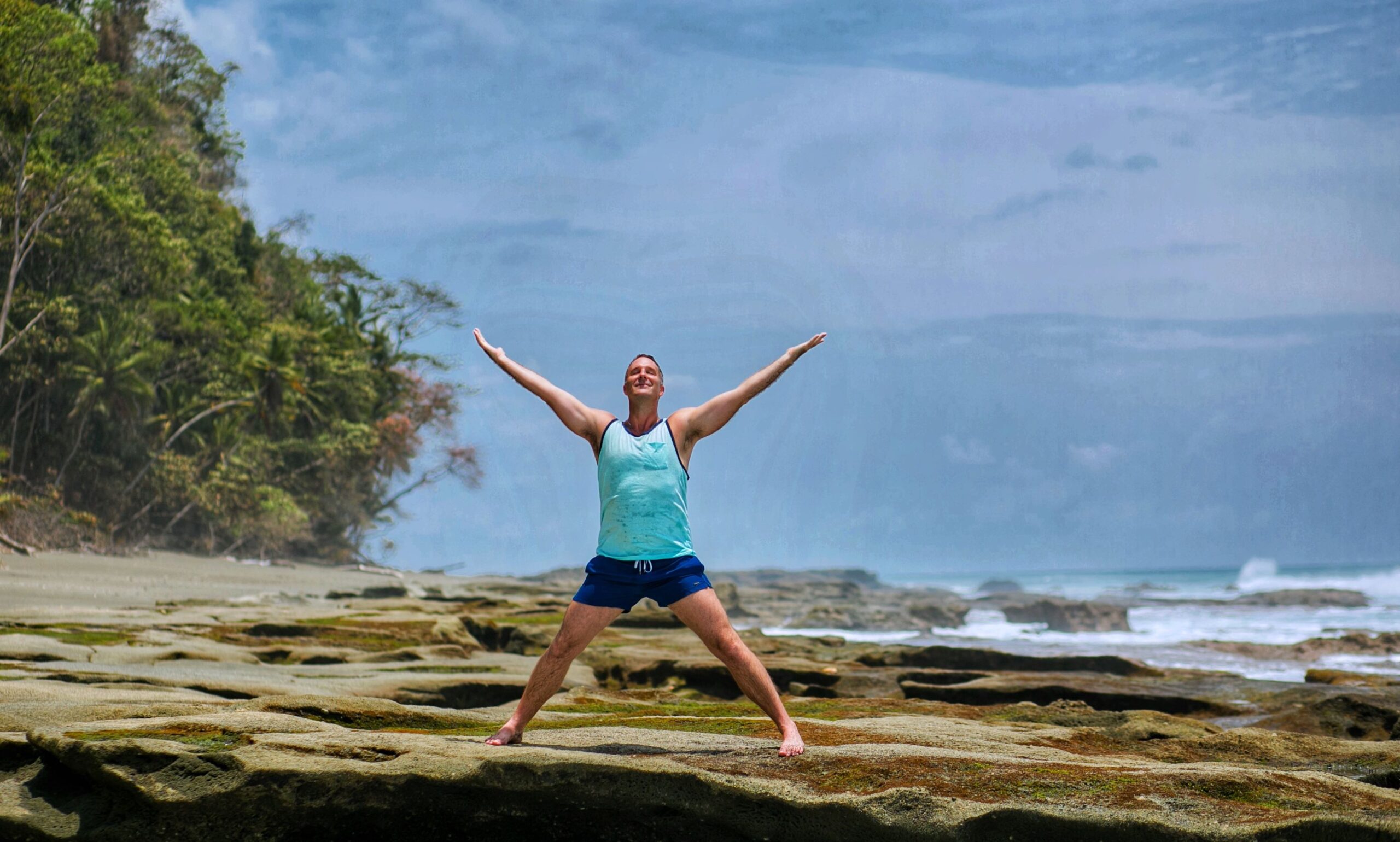
Yogi Aaron is the founder and creator of Applied Yoga Anatomy + Muscle Activation™ (AYAMA), a revolutionary methodology that challenges conventional approaches to yoga. Using a science-backed approach, he prioritizes muscle activation over traditional stretching.
With over three decades of dedicated study, mentorship, and hands-on experience, he has established himself as a leading expert in yoga therapy, alignment, and pain-free movement.
As owner and operator of Blue Osa Yoga Retreat + Spa in Costa Rica, Yogi Aaron leads transformative programs that combine his expertise in yoga instruction, retreat facilitation, and wellness business operations. His work spans both in-person immersive experiences and digital education through The Yogi Club online platform and the AYAMA™ Certification Program.
Yogi Aaron’s teaching methodology represents a paradigm shift in modern yoga practice. AYAMA focuses on activating and engaging muscles to enhance range of motion, build strength, improve stability, and optimize alignment—while reducing pain and injury risk. This evidence-based approach has positioned him as a thought leader challenging the status quo in the yoga community.
His mission extends beyond the mat: to liberate individuals from chronic pain and guide them toward discovering yoga’s authentic purpose through intelligent, body-informed practice.
Learn more about training opportunities with Yogi Aaron at Blue Osa Yoga Retreat + Spa.
Check Out These Other Posts On Sustainability!


Tags:
Book/Inquire Now
Got pain? This will help you!

YOU DESERVE TO LIVE PAIN-FREE...
Receive 7 short, simple, and effective practices to alleviate knee, hip, low back, neck, shoulder pain, and more!
All you need is 5 minutes per lesson and it's FREE!
This revolutionary approach to yoga is new, and no one else is teaching this! Since I created Applied Yoga Anatomy + Muscle Activation™ and started teaching it consistently, I've witnessed students heal long-standing injuries, access yoga postures they never thought possible, and tell me over and over again how their body just feels better.
I hope you'll join me on this journey!
~Yogi Aaron
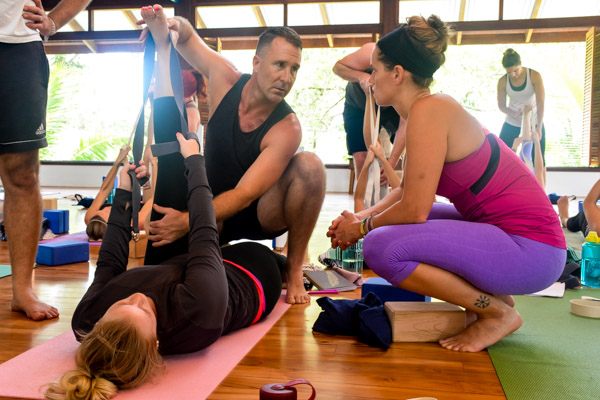
Is Yoga Teacher Training Right For Me?
We Created This FREE 5 Part Series So You Can Get All The Information To Make The Right Choice.
In this series, you will learn:
-
- Am I a candidate for yoga teacher training??
-
- What will I learn in a YTT?
-
- Do I need to have a perfect downward dog to attend YTT?
14-Day 200-Hour Yoga Teacher Training in Costa Rica
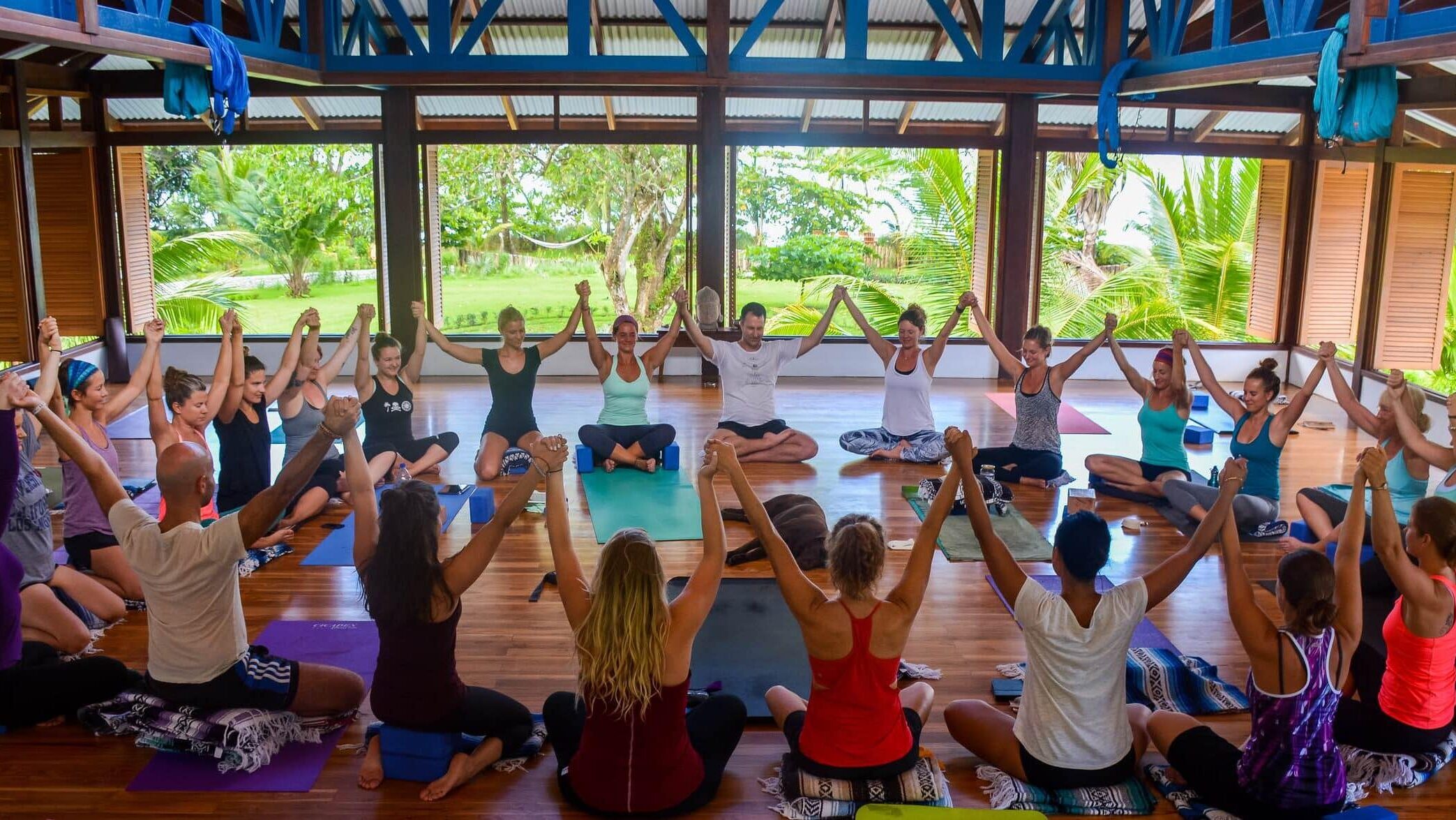
If you are looking for a 14-day 200 hour Yoga Teacher Training Costa Rica Immersion, you have landed in the right place. Join the next one!
300-Hour, 28-Day Yoga Teacher Training
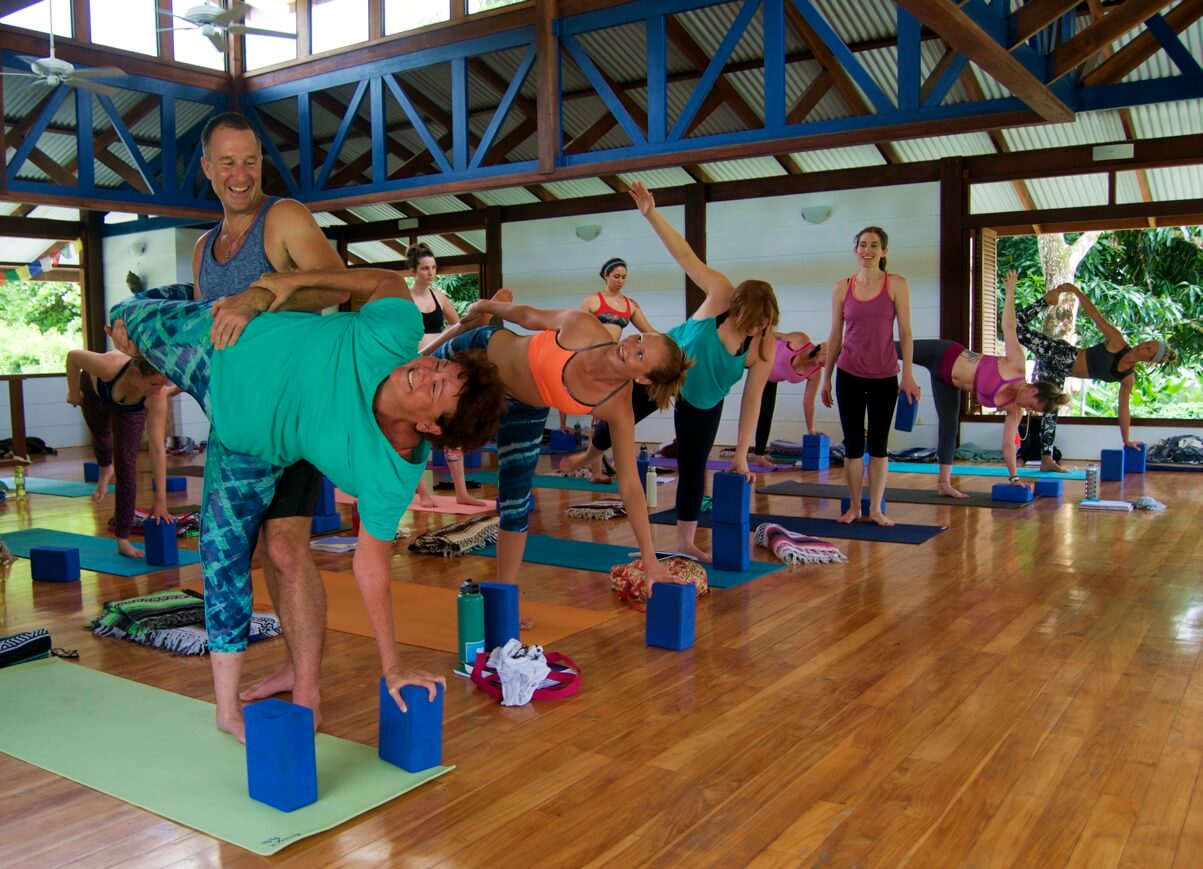
Do You Feel Called To Something Greater?
This 300-Hour Yoga Teacher Training immersion training at Blue Osa will immerse you in yoga for one month.
You will have the specific transformational skills and yogic practices you need in order to connect with your higher purpose.
And more! You will be able to offer these transformative skills to others!
