

Do you believe your lifestyle is sustainable?
Sustainable living is about using fewer of the earth’s resources. It focuses on reducing your carbon footprint by cutting energy use and changing how you get around. The goal is to live with less waste and in harmony with nature.
You can start by biking to work, cutting back on plastic, or going off the grid. There are many ways to reduce your impact and protect the planet. One growing trend is living in sustainable homes, which are popping up worldwide.
What Are Sustainable Living Homes
Sustainable living homes are part of a movement that promotes smaller, simpler living. Often called tiny homes, they cost less to build, maintain, and heat. These homes reduce ecological impact and support sustainable living. Typically, tiny homes are around 500 square feet. They focus on design over size, using multi-functional furniture and space-saving appliances. Loft beds are a common feature, maximizing vertical space.
Tumbleweed Tiny Houses is a well-known brand, praised for its craftsmanship and quality. Jay Shafer, the founder, has been a leader in the tiny house movement, teaching others about sustainable living.
You may think tiny homes aren’t for you. However, there are many inspiring sustainable living homes to explore. Here are some of our favorites to spark your creativity:
For more on tiny homes, visit Tiny House Talk or explore The Tiny Life.
6 Inspiring Sustainable Living Homes
1. The Yurt
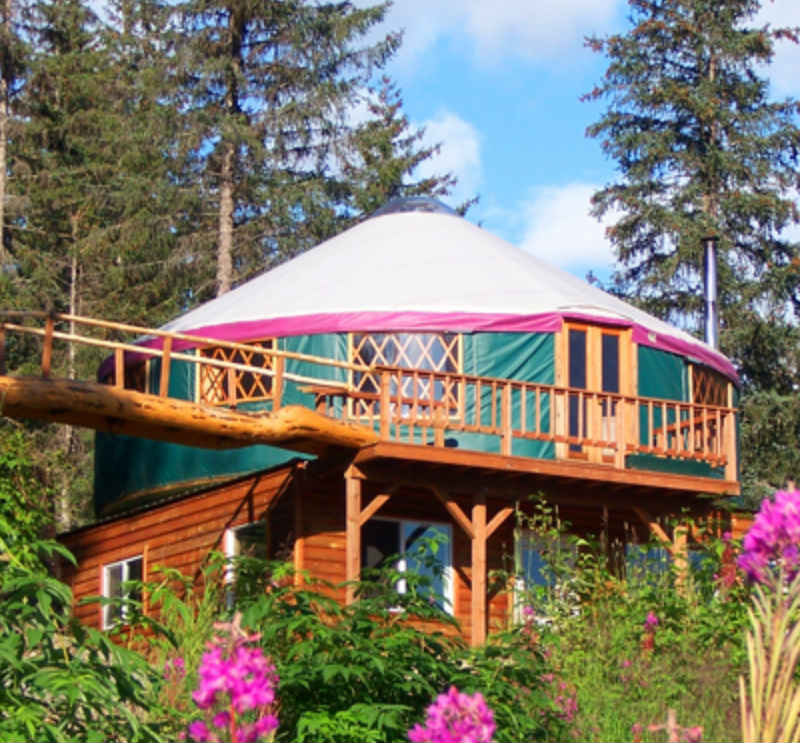
The yurt is a round, semi-permanent tent. It’s a modern adaptation of a structure traditionally used by nomads in Central Asia. In the western hemisphere, yurts have developed into lightweight, low-cost, versions of the eastern ancient form. Modern manufacturers have made them structurally sound, long-lasting and low in maintenance. Yurts in the United States and Canada are usually made with hi-tech materials and are built for extreme weather conditions. Erecting a yurt can take days and they are not intended to be moved often.
2. EarthShips
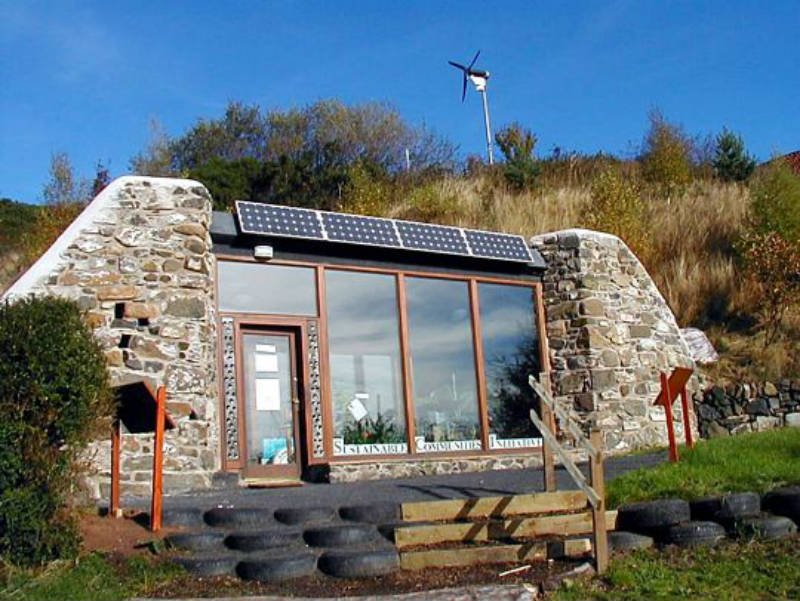
Earthships offer a revolutionary approach to sustainable living. Architect Michael Reynolds created this passive solar home design, and Earthship Biotecture in Taos, New Mexico continues to market and build them today. Builders construct Earthships using natural and recycled materials like tires, cans, and bottles, turning waste into durable, eco-friendly structures.
Designed to operate off-grid, Earthships rely on thermal mass construction and natural cross-ventilation to regulate indoor temperatures. These homes reduce dependence on fossil fuels by using solar energy and local resources. Large windows on the sun-facing walls capture heat and natural light, while the common horseshoe-shaped design helps maximize solar gain—especially in colder months.
Every element in an Earthship supports sustainability. Builders reuse materials wherever possible—like filling old tires with compacted earth to form steps, walls, or other structural features. If you’re seeking an energy-efficient home that works in harmony with the planet, Earthships deliver a proven, innovative solution.
Learn more at Earthship Biotecture.
3. Shipping Containers
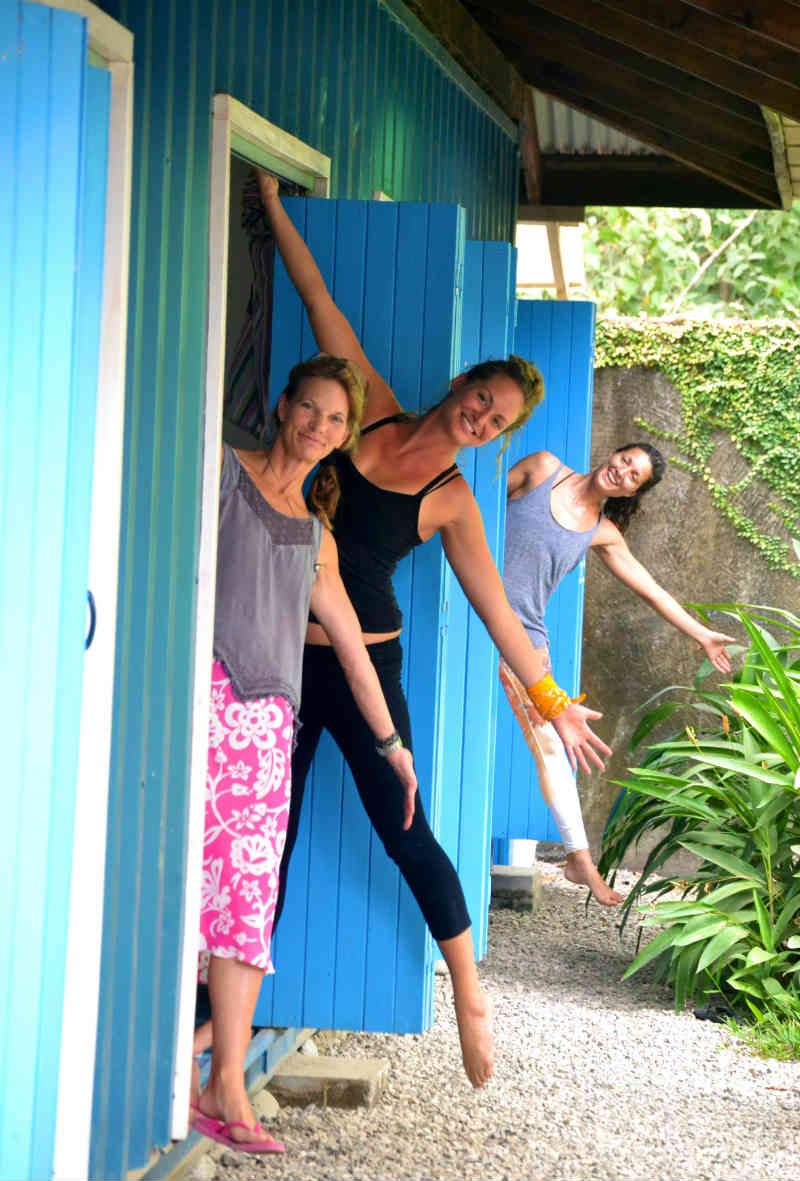
Turning shipping containers into living spaces is an excellent way to reuse materials. Over 300 million shipping containers sit empty at ports worldwide, making this a sustainable option.
At Blue Osa Eco-Resort and Spa in Costa Rica, we have repurposed four shipping containers into living quarters. These containers originally carried materials to build the resort. Once they arrived, we incorporated them into the resort’s design to maximize their utility. We painted them in blue and green, and assigned them various functions. Some containers became volunteer rooms, while others were transformed into a tool shed, laundry room, and spa.
Recycling shipping containers is an efficient way to reduce waste and create low-footprint structures. These containers can be used in almost any environment. Visit Blue Osa Resort and Spa to see these creative spaces for yourself!
4. Modular Homes
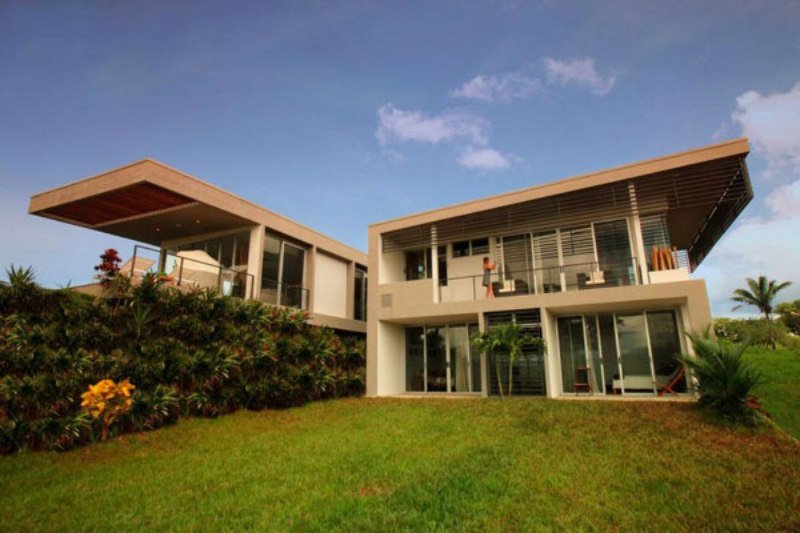
Modular homes offer a smart, sustainable solution for modern living. Built off-site in remote facilities, manufacturers construct each module—essentially a six-sided box—with precision. Once complete, builders transport the modules to the home site and use a crane to place them onto the foundation. Then, they join the sections to form a single, cohesive structure.
Compared to traditional construction, modular homes significantly reduce waste. Manufacturers use exact material quantities, minimizing excess. While standard building projects often fill multiple dumpsters with debris, modular construction generates far less waste.
These prefabricated homes also feature 100% reusable components and can be relocated, making them ideal for flexible, low-impact living. According to WeLoveCostaRica.com, a two-bedroom modular home in Costa Rica takes about 60 days to complete—far faster than the typical five to seven months for a traditional home.
If you’re looking for an eco-friendly home that saves time, reduces waste, and offers long-term flexibility, modular homes are a top choice in sustainable architecture.
5. Tree House
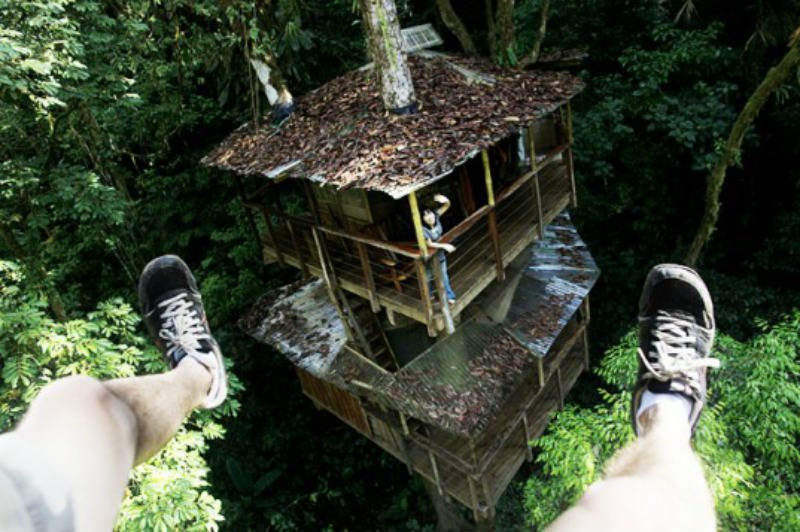
Treehouses offer a unique and sustainable way to live in harmony with nature. Built around or among the trunks and branches of trees, these elevated structures serve as workspaces, living areas, or recreational retreats. Treehouses help preserve the environment by eliminating the need to clear forested land. Because they sit above the forest floor, they provide cooler temperatures, natural ventilation, and better light—making them both eco-friendly and energy-efficient.
Finca Bellavista is a residential treehouse community in the south pacific coastal region of Costa Rica. They are a rustic, yet comfortable, private retreat off the beaten path where owners and limited numbers of guests can explore the natural wonders of the rainforest canopy. Finca Bella Vista is located in a relatively untouched portion of Costa Rica and as a whole, is comprised of 600+ acres of secondary rainforest and reclaimed pasture.
6. The Escape Traveler
The Escape Traveler is the ultimate tiny home for free spirits and adventurers. This eco-friendly cabin on wheels offers a stylish, mobile lifestyle and easily travels wherever the road takes you. With room to sleep up to six people, it delivers the comfort of an RV with a modern, sustainable twist. Even better, the base model starts at just $65,000.
Sustainable homes like the Escape Traveler are gaining popularity worldwide. Living sustainably is all about creativity, flexibility, and mindful choices. Looking for inspiration? Visit Blue Osa Yoga Retreat & Spa in Costa Rica. Surrounded by vibrant jungle and immersed in nature’s beauty, you’ll reconnect with the planet and head home empowered to embrace a greener lifestyle.
Tags: Blue Osa, Costa Rica
Book/Inquire Now
Got pain? This will help you!

YOU DESERVE TO LIVE PAIN-FREE...
Receive 7 short, simple, and effective practices to alleviate knee, hip, low back, neck, shoulder pain, and more!
All you need is 5 minutes per lesson and it's FREE!
This revolutionary approach to yoga is new, and no one else is teaching this! Since I created Applied Yoga Anatomy + Muscle Activation™ and started teaching it consistently, I've witnessed students heal long-standing injuries, access yoga postures they never thought possible, and tell me over and over again how their body just feels better.
I hope you'll join me on this journey!
~Yogi Aaron
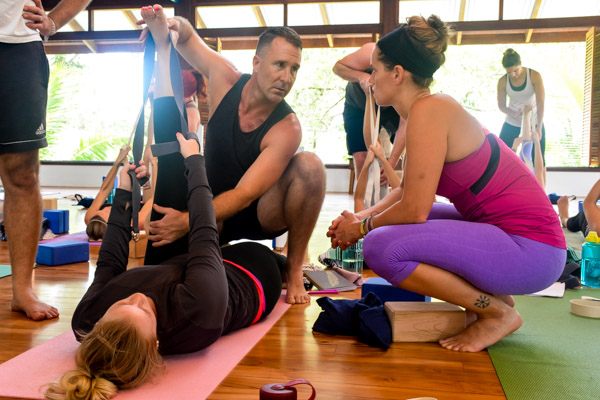
Is Yoga Teacher Training Right For Me?
We Created This FREE 5 Part Series So You Can Get All The Information To Make The Right Choice.
In this series, you will learn:
-
- Am I a candidate for yoga teacher training??
-
- What will I learn in a YTT?
-
- Do I need to have a perfect downward dog to attend YTT?
14-Day 200-Hour Yoga Teacher Training in Costa Rica
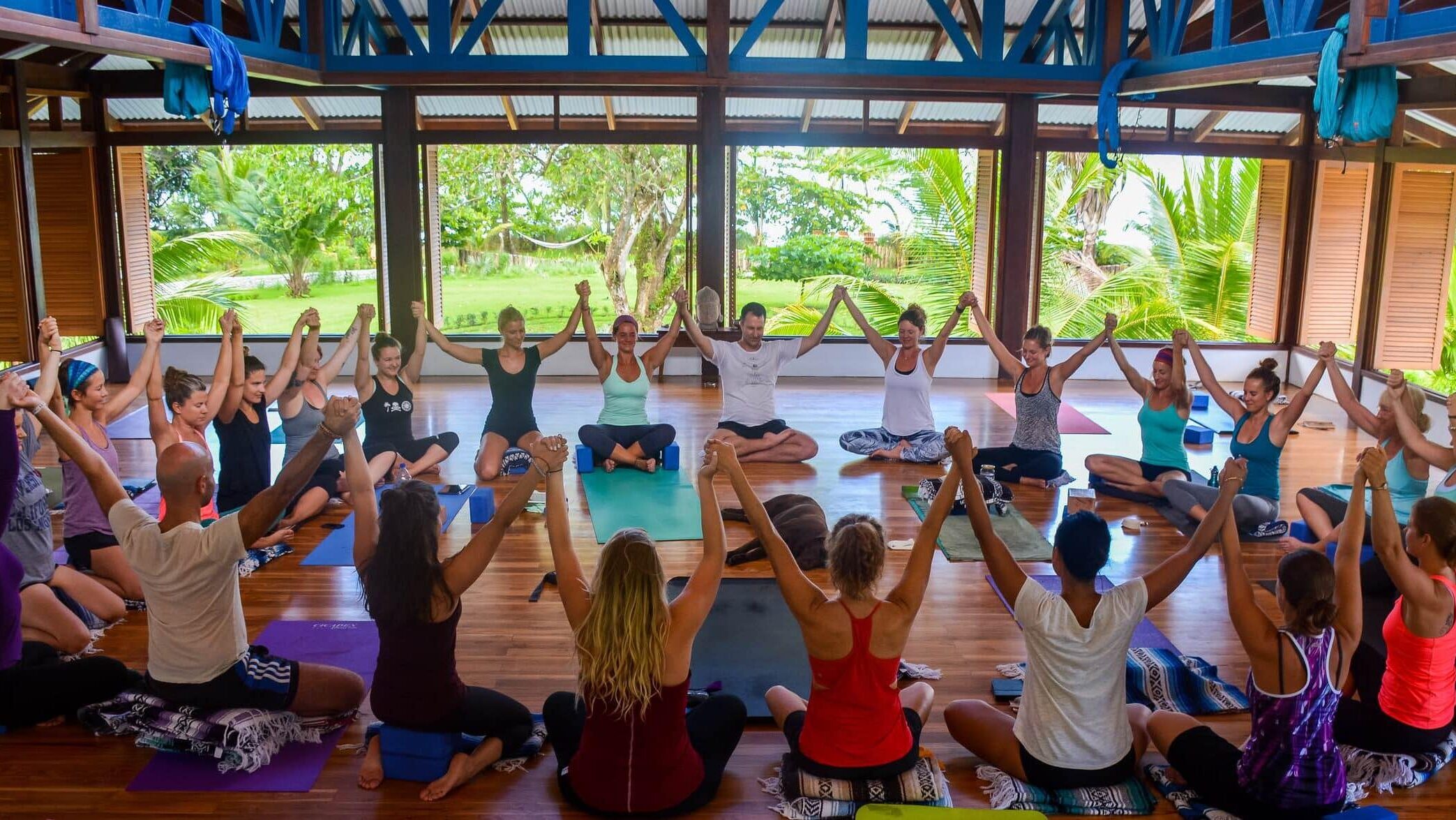
If you are looking for a 14-day 200 hour Yoga Teacher Training Costa Rica Immersion, you have landed in the right place. Join the next one!
300-Hour, 28-Day Yoga Teacher Training
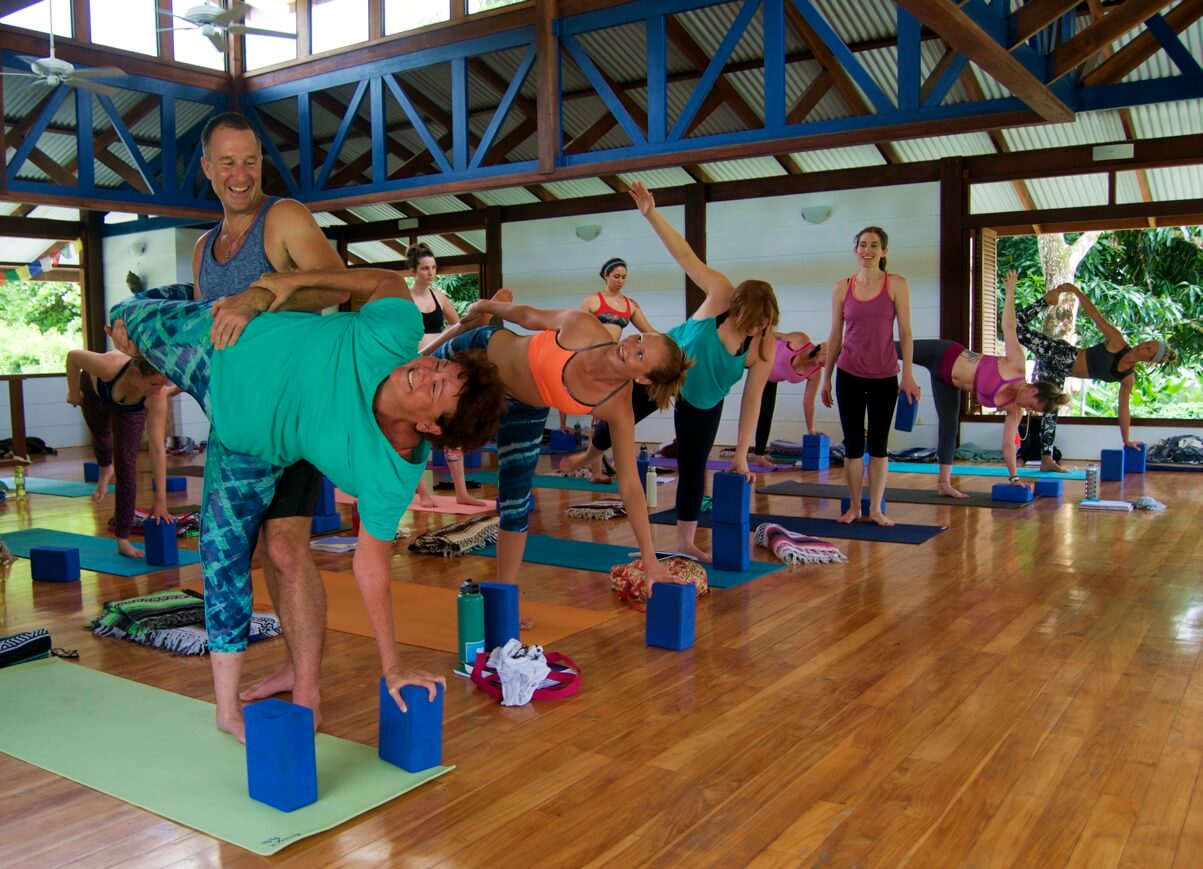
Do You Feel Called To Something Greater?
This 300-Hour Yoga Teacher Training immersion training at Blue Osa will immerse you in yoga for one month.
You will have the specific transformational skills and yogic practices you need in order to connect with your higher purpose.
And more! You will be able to offer these transformative skills to others!
