

Comedian, movie star, and amateur philosopher, Russell Brand, is the host of a new podcast called Under The Skin, and I AM OBSESSED. On the podcast, he has interviewed the likes of Al Gore, Neil Degrasse Tyson, David Lynch, and most recently, Brené Brown.
And, if you just paused and asked yourself, “who is Brené Brown??”, MY question to YOU is…
HAVE YOU BEEN LIVING UNDER A ROCK??
Who Is Brené Brown?
Okay, I get it. Not everyone is hip to the trends. But Brené is too good to ignore, so listen up, friends.
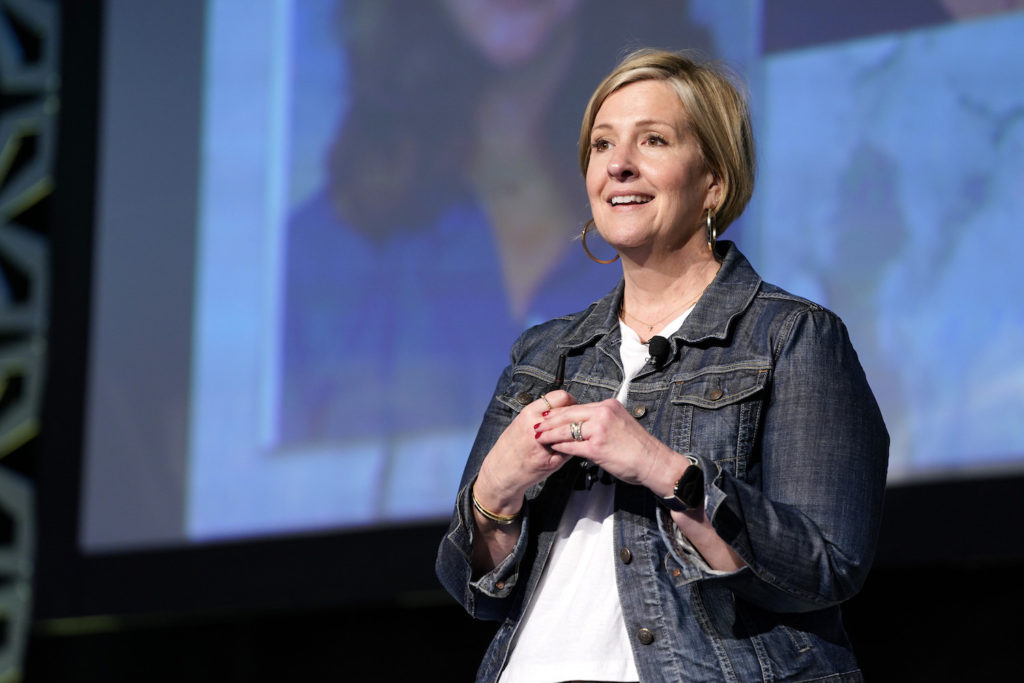
In 2010, Brené Brown gave a TED talk on the power of vulnerability that went viral almost overnight. With over 45 million views, it is now one of the top 5 most viewed TED talks in the world. Brown now has five #1 New York Times Best Selling books, a Netflix special, and a massive following to her name. This professor/researcher/Texan is a wellness tour de force.
Something about the earthy realness of Brown struck a chord with millions of people all over the globe. She has a talent for unpacking poignant issues of our time (ANY time really). Plus, she discusses them in a way that makes you feel like you’re out with a friend, sipping coffee, and listening to stories on any ole Sunday afternoon. When she speaks, you can’t help but drink in everything she has to say.
What Brené Taught Me

I love everything that I have heard from Brené Brown, and this podcast episode outlining Brené Brown’s method on boundaries was no exception. So, what did I learn?
A quote that she mentions in the episode sums it up nicely:
“If you do not transform your pain, you will transmit it”
~ Father Richard Rhor
This sentiment is the basis of the research that Brené Brown has done over the past decade: empowering people to transform their pain and work on self-care.
“What I believe my contribution is, is to help people see themselves in a way where they are courageous and capable enough of transforming their own pain, so they don’t take it out on each other, political bunkers, [et cetera]…In order to create the right kind of government/the right kind of community, we have to be the right-headed people.”
Brown came to this place in her work by a story that starts with what she lovingly refers to as the compassion smackdown.
The Compassion Smackdown

If you know Brené Brown, you may have heard her refer to this “compassion smackdown”. This phrase refers to a stack of research completed by Brown and her colleagues. Over eight years, Brown’s research team delved deeply into studying compassion, self-care, vulnerability, and shame.
How does one study compassion? Glad you asked.
In the interview with Brand, Brown explains that she is a grounded theory/qualitative researcher. She and her research team look for patterns and themes in the data they collect surrounding shame. They look for consistencies to emerge until they find something that “reaches saturation.”
This kind of deep self-inquiry and pattern recognition is similar to what students experience during yoga teacher training at Blue Osa, where they learn to recognize patterns in their own bodies and teaching practice.
According to Brown, saturation occurs when “this pattern or theme has occurred across so many interviews, we can predict it to happen in the next one and the next one and the next one.”
When these patterns are found so often that you can begin to predict specific outcomes, “theories emerge from the data” that you can take into everyday life.
Looking At Compassion

Brown began her research by asking groups of compassionate people by vocation (monks, priests, nuns, etc.), what compassion meant to them.
After countless interviews, they found a group of people who lived out the operational definition of compassion. These were people who reached out to others with kindness and empathy. They were people who saw the humanity in everyone and believed in oneness in all.
From these interviews, interesting similarities began to crop up.
What Brown had expected to find was that the underlying thread with compassionate people was a strong spiritual belief.
Instead, what she discovered is that the most compassionate people had “boundaries of steel”, meaning they had a clear set of boundaries in relationships and in life.
Confused by her findings, Brown went back and asked these extremely boundaries people if they resonated with what was found. She asked if they intended to set clear boundaries and where they learned how to set clear boundaries in their lives.
In general, the response was, “I would not have said it that way, but yes, I am very clear about what’s okay and what’s not okay. I don’t subject myself to the abuse of other people.”
Boundaries of Steel: Stories About Boundary Setting
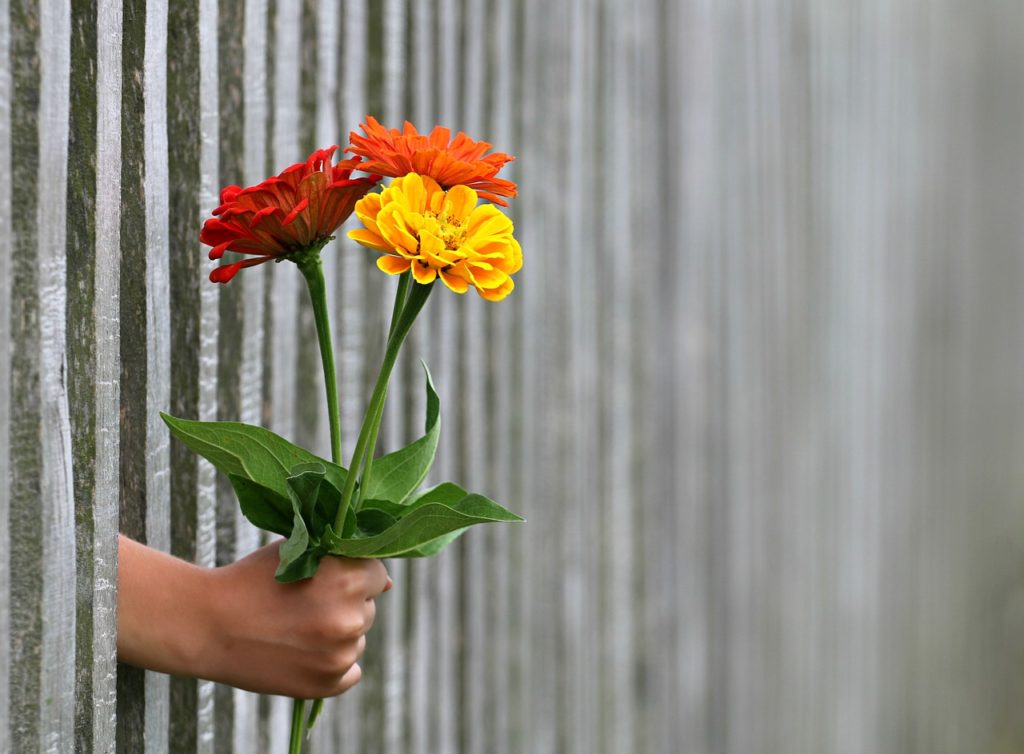
So, what exactly do healthy boundaries look like? According to Brené Brown, boundaries are finding a way to be generous towards others while continuing to lead with integrity and stay true to yourself. Setting boundaries means prioritizing your needs and practicing self-care without feeling guilty.
According to a psychotherapist named Sharon Martin, by consistently practicing self-care, we are protecting ourselves physically and emotionally. In order to live a safe, happy, and healthy life, we need to take care of our own well-being so we don’t run into the risk of “losing ourselves”. Self-care encourages us to maintain a healthy relationship with ourselves and everyone around us.
The Clergy
One story from Brené Brown’s research involves a group of clergy people. She asked a group of deacons (leaders in a Christian church), “do you think people are doing the best that they can?” Time and time again, the response she received was split. 50% of people responded with “yes,” and 50% with “no.”
For those who said “no,” she asked them to think of someone in their life that isn’t doing the best that they can. Then she asked, “how would you feel/what would you say if God came down and told you that this person is doing the absolute best that they can?”
When asking this question to atheists or agnostics, Brown changed the language to “The Universe” or a “Higher Power” instead of “God.” The 50/50 split always stayed the same.
Since these were deacons who had such a powerful connection to a higher power, this was a breakthrough moment for many of them. It especially affected the deacons who responded with, “no, people are not always doing the best that they can.”
There were two deacons (who happened to be married) who immediately thought of someone that they both knew. They both broke down in tears at Brown’s follow-up question.
The person they thought of was a parent who was abusive and neglectful. They had their children removed from their trailer home several times for their inability to care for them. And every time that a child was taken away, they had another child.
They received monetary help from the church to support their child but used any money they received to gamble rather than buy baby formula. That is why these deacons had a hard time believing these people were doing the best that they could.
When Brown asked the question about God coming down, these deacons realized they needed to do one of two things: stop helping them completely or continue to give help/support with non-judgment, compassion, and love. They realized helping through hate, anger, and frustration was going against their integrity and faith. Brown successfully helped these deacons create boundaries in their relationships with the people they were helping.
When It Hits Home

Brown admits that she was one of the ones who thought that people were not doing the best they could. She thought, “if that’s your best, then you suck. Your best isn’t good enough.”
She tells a story about a conversation with one of her female friends. She asked this friend if she thought that generally, people were doing the best that they could, to which her friend said, “no, people are so f*cking lazy.”
Her friend proceeded to give her an example. She said that women who stop breastfeeding their children early are people who are not doing the best that they can. She thought it’s so selfish to stop breastfeeding, especially if it’s just “too hard” or they want to get back to work. In her opinion, if people stop breastfeeding their children early, they shouldn’t have even had kids.
At that moment, things changed for Brown. She realized that she was that person. She stopped breastfeeding her kids early because it became too difficult to do while she went back to work, among other personal reasons. At the time, she didn’t admit this to her friend. Internally, she kept wanting to say, “you don’t know me or my situation; I’m doing the absolute best that I can.”
Stories Of Domestic Abuse

While pursuing her Ph.D., Brown talked to many different people who were victims of domestic violence and sexual assault. She discovered that “the women who believed that their partners were doing the best they could, were the ones who left and got their children out.”
Brown explains that this theme was overwhelmingly prevalent. The women who got out of the cycle of abuse weren’t saying negative things about their partners or name-calling. Instead, they said something like, “I love him, he’s broken right now, he’s doing the best he can, and I’m not safe, and my kids are not safe.”
“I can find God in you, I can find love in you, but I’m going to hold you accountable for what you’ve done while I’m loving you.”
~Brené Brown
How To Set Boundaries In Relationships

The Brené Brown method of boundary setting is called BIG. BIG stands for Boundaries, Integrity, and Generosity. Put simply, how can you set boundaries in your life that help you maintain your integrity while remaining generous towards others?
Setting boundaries in relationships and in your own life is as simple and as complicated as saying, “Here’s what’s okay, and here’s what’s not okay.” Doing this while extracting all ego, judgment, and grandiosity from the equation, so there is no “I’m better than you, so I want you to act this way,” is vital.
To give an example of how to do this, I’ll share one last solid Brené Brown boundary story from her interview with Brand:
Brown hosted a holiday party at her house every year for a group of her friends. In the years prior, there was one friend who tended to get too drunk and make other party-goers uncomfortable.
This year, Brown decided to do something different. Instead of allowing events to unfold, she decided to address this friend before the party to create clear boundaries. She approached her and said, “I would love to see you and your family at my party this year, but if you decide to come, I’m going to have to ask you not to drink.” At first, her friend didn’t get it. She said, “Oh yeah, I got a bit out of hand last year. I’ll have to tone it down.” Brown responded by saying, “I’m not asking you to tone it down, I am saying that if you come to my party, I am asking you not to drink.”
Boundaries do not = judgment.
Without any judgment, resentment, malice, et cetera, Brown stated clearly what she would allow and what she wouldn’t allow. Unfortunately, her friend did not like hearing what she had to say. But for Brown, it was more important to set boundaries, practice self-care, respect herself, and accept what would happen afterward.
Despite her friend’s adverse reaction, Brown remained true to herself. She set clear boundaries and felt good about moving forward with the consequences.
The principles Brené Brown teaches about boundaries extend beautifully to yoga practice. Learning to honor your body’s limits, communicate clearly with yourself, and practice self-compassion are all essential skills developed in yoga teacher training. At Blue Osa, students learn not just the physical aspects of yoga, but how to set healthy boundaries in their practice and teaching.
Final Thoughts on Brené Brown
Applying Boundaries On The Mat
The principles Brené Brown teaches about boundaries extend beautifully to yoga practice. Learning to honor your body’s limits, communicate clearly with yourself, and practice self-compassion are all essential skills developed in yoga teacher training. At Blue Osa, students learn not just the physical aspects of yoga, but how to set healthy boundaries in their practice and teaching.

Time and time again, Brown found the answer to the question, “How do you live with more compassion?” is: learning how to set clear boundaries. Setting boundaries creates respect for yourself and the people in your life.
For those seeking deeper transformation and self-discovery, yoga teacher training offers an immersive experience in setting boundaries with your body, understanding your edges, and developing the self-awareness needed to teach others with compassion and integrity.
When Brené Brown asked her husband if he believed that people were doing the best that they could, he had a different response. He said, “I am not sure, but I know that I’m happier, and my life is better when I believe that they are.”
Assuming the best in people, no matter how much anger/frustration they are causing you, will help you to see the humanity in others. This is what will help you to remain in your integrity.
Setting a clear boundary sends a message to yourself and others that you have a strong sense of self-awareness and self-respect. The more clearly you communicate your boundaries without ego, the more you can remain generous to others and simultaneously true to yourself.
Now, it is time for you to truly focus on yourself and practice the ultimate self-care. Visit Blue Osa, and book our yoga spa vacation package that will ease your mind, relax your body, and drive away all toxins. Join our tropical beachfront paradise today to escape and enjoy a lush and beautiful experience!
Check out these other popular posts:
The 8 Benefits Of Muscle Activation
The Best Yoga Poses For Neck Pain

The 10 Best Poses For Upper Back Pain

About The Author, Yogi Aaron
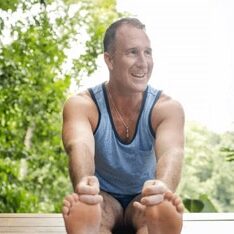
Yogi Aaron is the owner and lead facilitator of the Yoga Teacher Training programs at Blue Osa Yoga Retreat + Spa in Costa Rica. With more than three decades of study, mentorship, and teaching experience, he is known for his fun, knowledgeable, and accessible approach to yoga, alignment, and pain-free movement.
Yogi Aaron is also the creator of Applied Yoga Anatomy + Muscle Activation™ (AYAMA) — a revolutionary methodology designed to help students build strength, improve stability, and move with greater confidence while reducing pain and injury risk. Instead of relying on traditional stretching alone, AYAMA focuses on activating and engaging muscles so the body functions at its best.
Yogi Aaron’s work spans immersive in-person trainings at Blue Osa Yoga Retreat + Spa, where he blends his expertise in yoga instruction, retreat facilitation, and wellness leadership. He also teaches globally through his online platforms The Yogi Club and the AYAMA™ Certification Program.
His mission extends beyond the mat: to help individuals overcome chronic pain and reconnect with yoga’s authentic purpose through intelligent, body-informed practice. This evidence-based approach has positioned Yogi Aaron as a respected thought leader within the yoga community.
Learn more about Yoga Teacher Training opportunities with Yogi Aaron at Blue Osa Yoga Retreat + Spa.
Our yoga teacher trainings will uncover your purpose and give insight to the struggles you face.
Not sure if yoga teacher training is right for you? We invite you to find out.
Tags: empowerment
Book/Inquire Now
Got pain? This will help you!

YOU DESERVE TO LIVE PAIN-FREE...
Receive 7 short, simple, and effective practices to alleviate knee, hip, low back, neck, shoulder pain, and more!
All you need is 5 minutes per lesson and it's FREE!
This revolutionary approach to yoga is new, and no one else is teaching this! Since I created Applied Yoga Anatomy + Muscle Activation™ and started teaching it consistently, I've witnessed students heal long-standing injuries, access yoga postures they never thought possible, and tell me over and over again how their body just feels better.
I hope you'll join me on this journey!
~Yogi Aaron
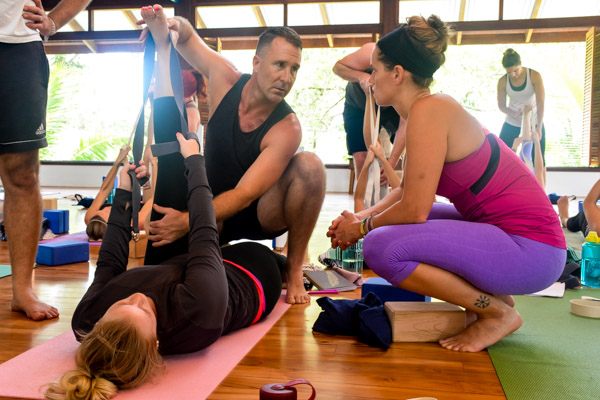
Is Yoga Teacher Training Right For Me?
We Created This FREE 5 Part Series So You Can Get All The Information To Make The Right Choice.
In this series, you will learn:
-
- Am I a candidate for yoga teacher training??
-
- What will I learn in a YTT?
-
- Do I need to have a perfect downward dog to attend YTT?
14-Day 200-Hour Yoga Teacher Training in Costa Rica
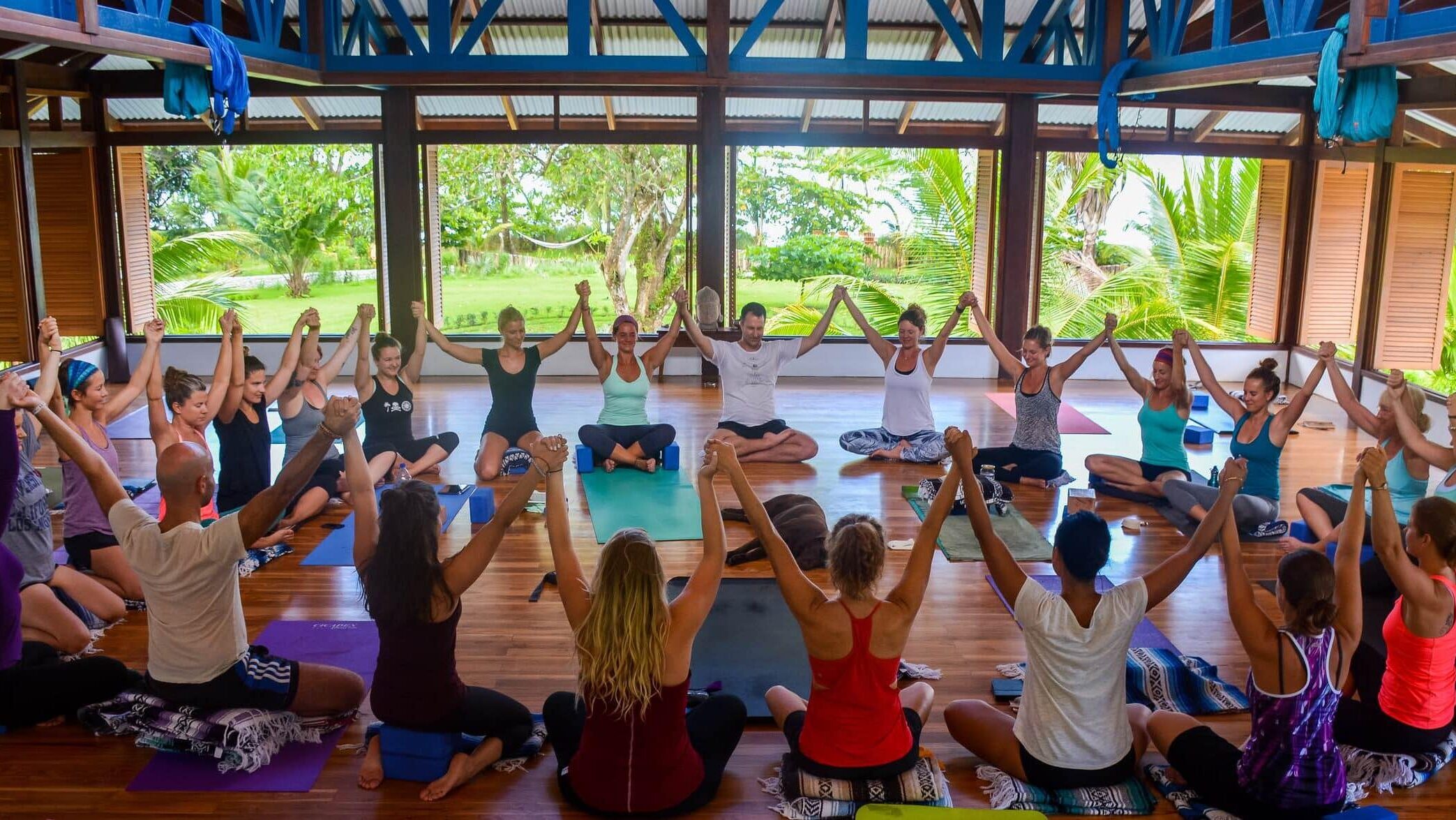
If you are looking for a 14-day 200 hour Yoga Teacher Training Costa Rica Immersion, you have landed in the right place. Join the next one!
300-Hour, 28-Day Yoga Teacher Training
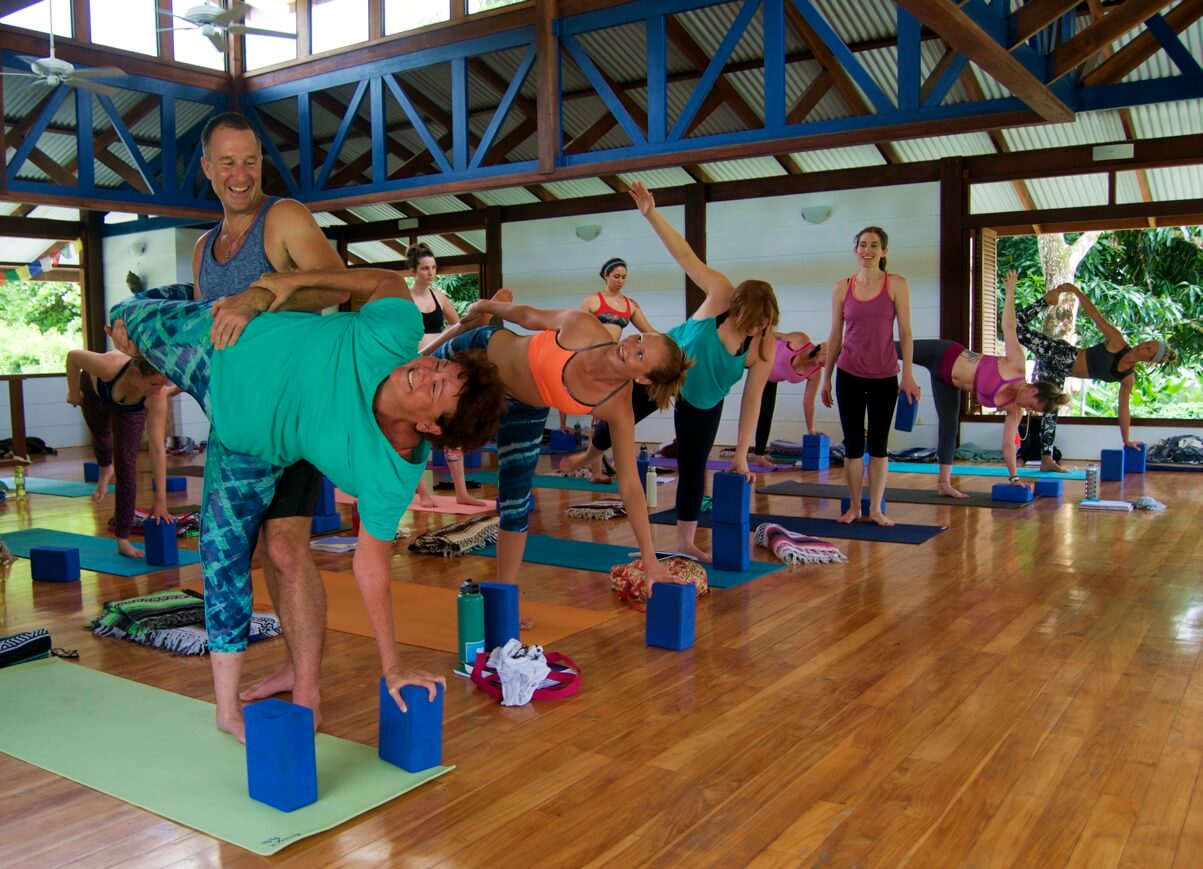
Do You Feel Called To Something Greater?
This 300-Hour Yoga Teacher Training immersion training at Blue Osa will immerse you in yoga for one month.
You will have the specific transformational skills and yogic practices you need in order to connect with your higher purpose.
And more! You will be able to offer these transformative skills to others!
